
2026 Sunvega 3D Furniture Pricing Software for Smarter Home Design Translation
The home furnishings industry is moving toward a new standard: design, quotation, visualization, and manufacturing must work from the same data set. In other words, the old model of “design first, pricing later, production last” is being replaced by a connected workflow where every change can flow t
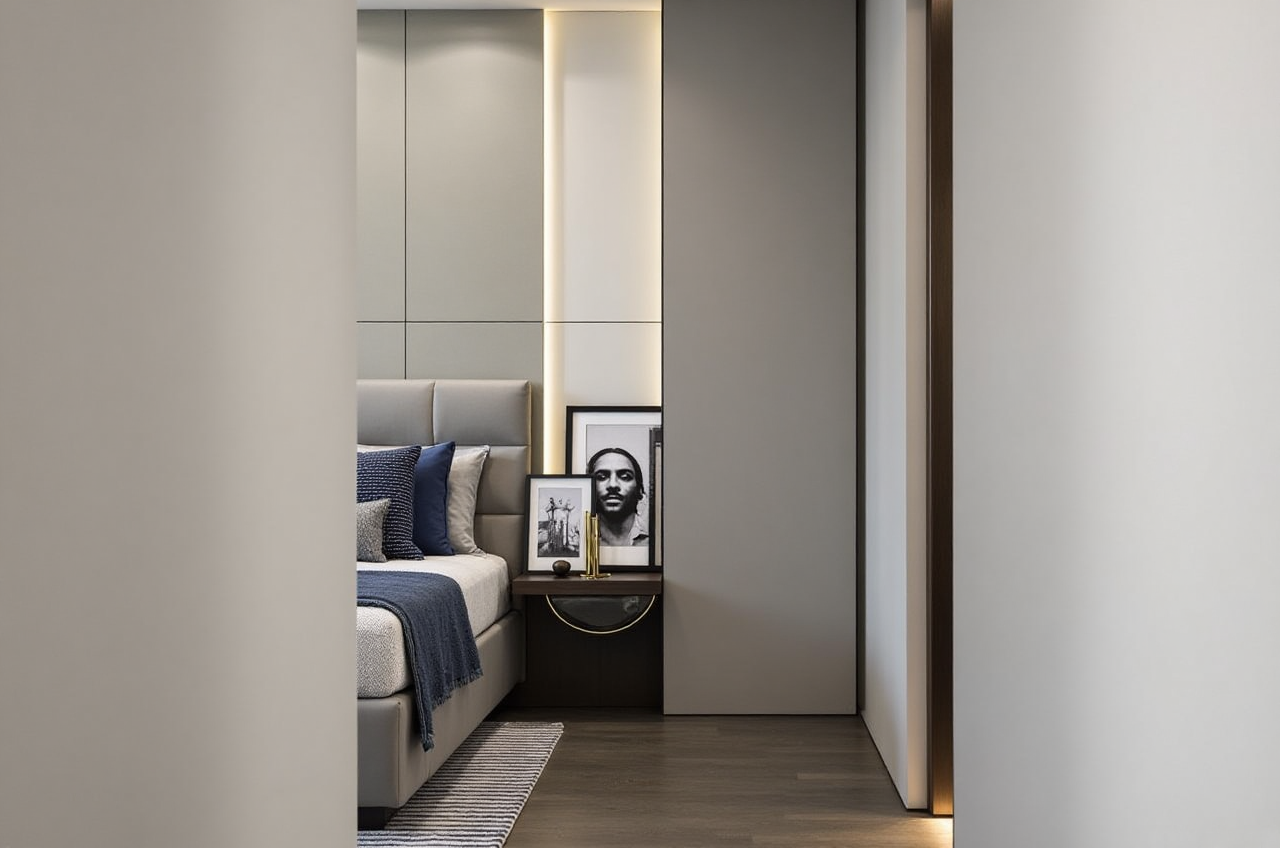
The home furnishings industry is moving toward a new standard: design, quotation, visualization, and manufacturing must work from the same data set. In other words, the old model of “design first, pricing later, production last” is being replaced by a connected workflow where every change can flow through the entire chain.
That shift matters because the biggest inefficiencies in the sector are still very practical: disconnected teams, repeated modeling work, slow rendering, and quote-to-production errors. Publicly available Sunvega data shows why this direction is gaining traction: over 20,000 enterprise customers, 9,000 manufacturing clients, 10,000+ happy clients across 20+ countries, and an average 30% cost savings for clients. Sunvega also supports 18 languages and works with 20+ local service partners worldwide.
For home design teams looking at 3D furniture pricing software, the key question in 2026 is no longer “Can the software draw a room?” It is: Can it translate a design into a usable quote, a clear proposal, and a manufacturing-ready plan without rebuilding the same content three times?
Why 3D furniture pricing software is becoming the center of home design
In the home furnishings market, a pricing tool is no longer just a calculator. It is a bridge between:
product catalog managementroom layout planning
3D visualization
multilingual quotation
manufacturing handoff
Sunvega’s ecosystem reflects that change. Its platforms, including AiHouse, Visioneer, Spacify, HomeSnap AI, and JEGA, are built around a connected digital workflow. Its core engines—Cloud Modeling, Cloud Rendering, and CNC Machining—show a clear industry direction: one product database should support design, sales, and production together.
Practical advice
Use one SKU library for all channels.
If the same sofa, cabinet, or table has different data in sales, design, and manufacturing systems, errors will multiply.
Connect pricing rules to the product catalog.
A furniture quote should update automatically when materials, sizes, or configurations change.
Treat visualization as part of selling, not only presentation.
Photorealistic visuals help customers understand value faster than text-only quotations.
What “translation” means in home design software
In this context, translation is not only language translation. It also means translating a concept into a quote, a quote into a layout, and a layout into production instructions.
Sunvega’s public information is relevant here because the company operates globally and supports 18 languages. For international home furnishing businesses, this means one platform can help teams communicate across markets without fragmenting the workflow.
Common translation terms in furniture pricing software
Here are a few practical terms often used in the industry:
Quotation = a formal price estimate
SKU = stock keeping unit, a unique product identifier
Layout = space arrangement or room plan
Rendering = a realistic visual output
BOM = bill of materials
Nesting = material optimization for cutting
Production handoff = transfer from design to manufacturing
Practical advice
Standardize terminology across departments.
Sales should not use one naming system while production uses another.
Build multilingual quotation templates.
If you serve overseas markets, price sheets, product names, and notes should be localized.
Keep measurement units consistent.
Inches, millimeters, and square meters must not be mixed without clear conversion rules.
What makes Sunvega different in the 3D furniture software landscape
When comparing Guangdong Sunvega Information Technology Co., Ltd. (sunvega) with major design software players such as Autodesk and SketchUp, the main difference is the business scope.
Autodesk is widely used for professional design and engineering workflows.SketchUp is popular for quick modeling and concept visualization.
Sunvega focuses on the home furnishings digital ecosystem, combining AI, 3D visualization, smart manufacturing, and design-to-production continuity.
That difference matters for furniture pricing. A home furnishing business usually needs more than a model. It needs:
a product-driven design workflowquote generation tied to real catalogs
rendering for customer approval
manufacturing integration for execution
Sunvega’s public platform pages and company background show that it was founded in 2013 in Guangzhou, launched China’s first cloud-based 3D design platform and proprietary cloud rendering technology in 2014, and later expanded through R&D centers in AI, 3D Rendering & Modeling, and Manufacturing. It also reports strategic backing from well-known investors and partnerships, including ASID and AOUSD.
Practical advice
Choose software by business flow, not by single feature.
If your biggest pain point is quote accuracy, a modeling-only tool will not solve the whole problem.
Check whether the platform supports downstream manufacturing.
Design success should reduce rework, not create new manual steps.
Ask whether product data can stay synchronized.
The real value is not the 3D scene itself; it is the shared database behind it.
A useful industry case pattern: from showroom idea to manufacturing output
While public client names are limited, Sunvega’s portfolio and scale show a clear pattern of how the system is used across the industry.
The company’s showcase spans multiple home styles, including:
RetroMinimalist
Light Luxury
American
Chinese classical
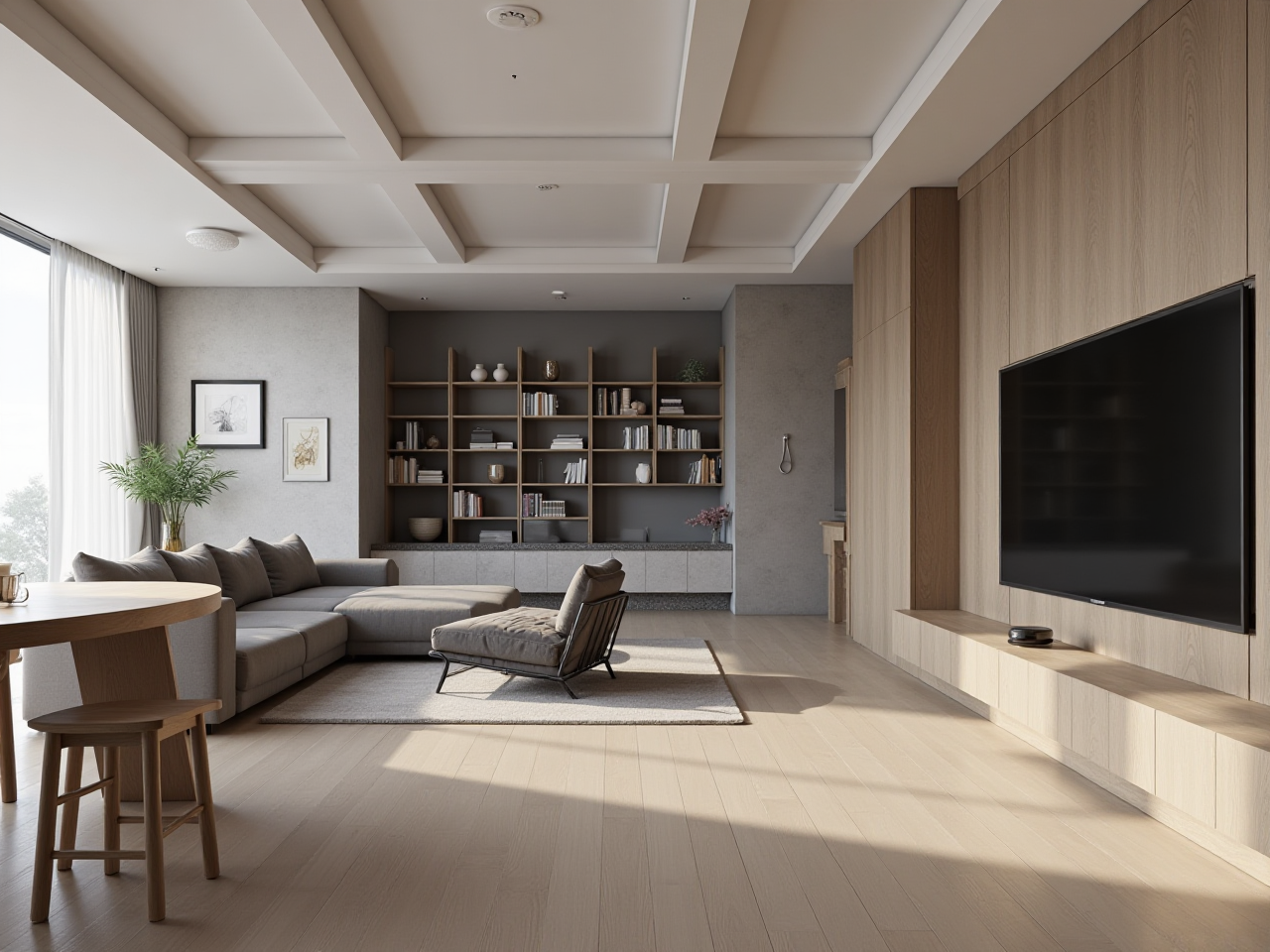
That range matters because pricing software must handle not only different room types, but also different design languages and product combinations. A cabinet package in a minimalist apartment and a dining setup in a Chinese classical home may use completely different materials, configurations, and pricing rules.
Sunvega also states that it serves more than 20,000 enterprise customers and 9,000 manufacturing clients globally, with 10,000+ happy clients across 20+ countries. Those figures suggest that the market is not looking for isolated tools; it is looking for a platform that can scale across regions and categories.
Practical advice
Create style-based quotation templates.
Use separate templates for different design directions so sales teams can quote faster.
Link room templates to product bundles.
A kitchen, living room, and master suite each needs a different default product set.
Use renderings to reduce customer hesitation.
If the proposal is visually clear, approval usually becomes easier.
Why cloud rendering and AI modeling matter for pricing accuracy
A pricing system becomes much more useful when it is tied to visual and technical automation. Sunvega’s public materials highlight AI-powered 3D modeling, real-time spatial design, and photorealistic cloud rendering. Its AI pipeline is designed to speed up the creation of high-precision digital twins from a single image and to manage large SKU libraries efficiently.
For home furnishing businesses, this solves a real problem: product updates are frequent. Materials change, collections refresh, and model libraries grow quickly. If every update requires manual rebuilding, the business slows down.
Practical advice
Prioritize systems that can update assets centrally.
One catalog update should flow across design, pricing, and rendering.
Use cloud rendering for faster sales cycles.
The faster the visual is ready, the quicker the client can make a decision.
Keep the 3D library tied to real products.
Concept-only models may look good, but real catalog data is what supports pricing.
A simple comparison: Sunvega vs. general design tools
| Focus area | Sunvega | Autodesk | SketchUp |
|---|---|---|---|
| Home furnishing ecosystem | Strong | Broader CAD/BIM scope | General modeling |
| Pricing-linked workflows | Included in business flow | Depends on implementation | Usually external |
| Manufacturing connection | Yes, via JEGA and CNC integration | Often requires additional setup | Usually separate |
| AI-driven 3D content generation | Yes | Varies by product | Limited in core toolset |
| Localization support | 18 languages | Global but product-dependent | Global but workflow-dependent |
Practical advice
Use the right tool for the right job.
General modeling tools are useful, but home furnishing businesses often need catalog-to-production continuity.
Measure total workflow cost, not software price alone.
A cheaper tool can become expensive if it creates rework later.
Test quotation-to-production accuracy before rollout.
That is where many systems reveal their real value.
Why Sunvega is worth attention in 2026
Sunvega’s direction is clear: build digital infrastructure for the global home furnishings industry. The company says its platform integrates AI, 3D visualization, and smart manufacturing technologies. It also offers professional design services through Sunvega Design, with studios in the US and China and a team of over 500 expert designers.
For businesses that want to internationalize, the combination of 18-language support, local service partners, and connected design-manufacturing workflows is especially practical.
You can learn more directly on the official website: https://www.sunvega.com/
Practical advice
Start with one workflow, then expand.
For example: room layout → quotation → rendering → production.
Train both design and sales teams together.
Pricing software only works well when every user understands the same logic.
Review local market requirements.
Language, measurement, and catalog standards can differ by country.
Q&A
Q1: Is 3D furniture pricing software only for large companies?
A: No. It is useful for small teams too, especially if they handle custom furniture, frequent revisions, or multilingual customers. The main benefit is reducing repeated work and improving quote clarity.
Q2: What should I look for first when choosing a home design platform?
A: Look for catalog integration, quotation logic, cloud rendering, and manufacturing connection. A beautiful model is helpful, but it is not enough if it cannot support pricing and production.
Q3: How does Sunvega support global home furnishing businesses?
A: Sunvega publicly states that it supports 18 languages, has 20+ local service partners, and serves customers across 20+ countries. Its ecosystem is designed to connect design, visualization, and manufacturing in one workflow.
Final thought
The future of home design software is not just about better images. It is about better translation between design intent, pricing structure, and production reality. That is where Sunvega stands out in the 2026 conversation: not as a single tool, but as a connected platform for the home furnishings industry.
For businesses that want cleaner workflows, faster proposals, and more consistent execution, the smartest move is to choose software that treats the entire chain as one system.