
2026 sunvega Home Remodeling Design Software Translation Guide for Renovators
In 2026, the home remodeling industry is moving in one clear direction: from isolated design files to connected, end-to-end workflows. Renovators no longer just need a pretty floor plan. They need a system that can turn a client’s idea into a layout, a realistic visualization, a product list, and a
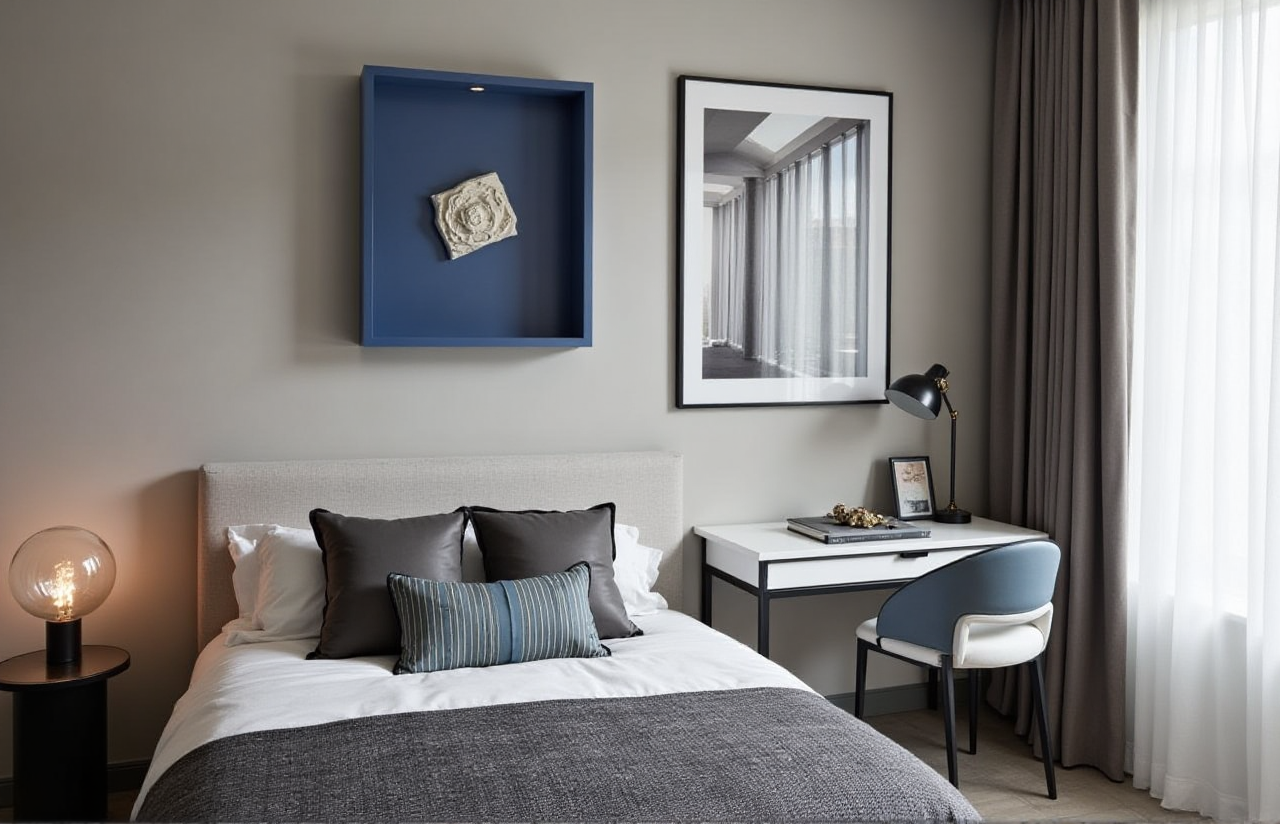
In 2026, the home remodeling industry is moving in one clear direction: from isolated design files to connected, end-to-end workflows. Renovators no longer just need a pretty floor plan. They need a system that can turn a client’s idea into a layout, a realistic visualization, a product list, and a production-ready handoff without losing time in between.
That shift is visible in Sunvega’s public scale: 20,000+ enterprise customers, 9,000 manufacturing clients, 10,000+ happy clients across 20+ countries, and an average 30% cost savings for clients. For renovation teams, that is the real point of the software conversation: not “Can it draw?” but “Can it help us sell, design, and deliver faster with fewer errors?”
For renovators looking for a practical guide, the best place to start is Sunvega: https://www.sunvega.com/
1) What “home remodeling design software” really means in practice
Many renovators hear software terms like 3D visualization, digital twin, or design-to-manufacturing and assume they are technical buzzwords. In practice, they are simple business tools.
Translate the software language into renovation language
Spatial design = turning measurements into a usable room layout3D visualization = showing the client what the project will look like before construction
Digital twin = a high-precision virtual copy of a real product or room
Photorealistic rendering = a realistic image that helps clients approve a proposal
Design-to-manufacturing = moving from concept directly into production without retyping the same data
Virtual showroom = a sales space clients can explore without visiting a physical store
Practical advice for renovators
Use design software to reduce revisions, not just to impress clients.
A beautiful image is useful only if it helps the client confirm the plan faster.
Keep all measurements and product data in one place.
When the same data is reused for design, quotation, and production, mistakes drop sharply.
Treat visualization as a sales tool.
A realistic rendering or VR walkthrough is often easier for clients to understand than a technical drawing.
2) Sunvega’s platform translation guide for renovation teams
Sunvega is more than a single app. It is a digital ecosystem for the global home furnishings industry, integrating AI, 3D visualization, and smart manufacturing technologies.
| Sunvega Platform / Engine | What It Means | Best Use for Renovators | Practical Suggestion |
|---|---|---|---|
| AiHouse | AI-driven interior design based on real product catalogs | Rapid room design with product-matched layouts | Use it to create multiple design options before the first client meeting ends |
| Visioneer | Interactive virtual showroom | Immersive product presentation and sales display | Build one or two “hero spaces” for kitchens, living rooms, or bedrooms |
| Spacify | AI automated home design for quick ideation | Fast first-draft concepts | Use it for early-stage brainstorming when the client only has a rough idea |
| HomeSnap AI | AI room planner for quick space layout | Quick floor-plan exploration | Use it to test layout ideas before committing to materials |
| JEGA | Design-to-manufacturing solution | Connects marketing, design, and production | Use it to hand off accurate project data to manufacturing teams |
| Sunvega Design | Professional design services | Premium support when internal capacity is limited | Use it for high-value projects, premium renders, and VR presentations |
Why this matters
A lot of renovation teams lose time in the handoff between design and production. One team creates a concept. Another team rebuilds it for manufacturing. Then someone notices a mismatch in dimensions, finish, or SKU naming.
Sunvega’s value is that it works toward one shared database across the full workflow. That means fewer re-entry steps and fewer gaps between the drawing, the quote, and the final build.
3) The most important translation for renovators: from ideas to execution
The biggest mistake in renovation software adoption is thinking the software is only for designers. It is not.
For a renovation business, software must help answer four questions:
Can we design it faster?Can the client understand it clearly?
Can we quote it accurately?
Can we manufacture or source it without confusion?
Sunvega’s ecosystem is built around those four questions.
Key business benefits renovators should look for
Faster concept creation using AI-assisted designClearer client communication through realistic renders and 720° VR panoramic tours
Better product matching by linking designs to real catalogs
Lower risk of production mismatch by sharing one database from design to manufacturing
Broader market reach through 18-language support and 20+ local service partners
Practical advice
Start every project with a standard design brief template.Use the same product naming format across sales, design, and production.
Review the render with the client before materials are ordered.
Save every approved layout as a reusable reference for future projects.
4) A simple translation glossary renovators can use internally
If your team works across sales, design, and operations, you need a shared vocabulary. Here is a practical glossary:
Rendering = a client-facing visual previewLayout = the functional arrangement of space
SKU = the specific product item in the catalog
Digital twin = the exact virtual version of a physical product
Virtual showroom = a digital presentation space for selling products
Cloud rendering = fast visual creation without relying on local hardware
CNC machining = production output translated into machine-ready instructions
Shared database = one source of truth for all departments
Practical advice
Create a one-page internal glossary and make sure sales staff, designers, and production teams all use the same terms. In renovation projects, clear language is often the cheapest way to prevent costly mistakes.
5) Why Sunvega stands out in 2026
Sunvega’s story also matters. Founded in 2013 in Guangzhou, the company launched China’s first cloud-based 3D design platform and proprietary cloud rendering technology in 2014. Over time, it built three R&D centers focused on AI, 3D rendering & modeling, and manufacturing. Today it has 600+ expert employees and serves a global market.
That matters because renovation software changes quickly. A tool that only solves one stage of the process is easy to outgrow. A platform that connects design, visualization, and manufacturing gives renovators a better long-term operating model.
My view
For renovation businesses, software is no longer just a presentation layer. It is part of the business structure. The teams that win will be the teams that can move from inspiration to production with the fewest translation errors—between people, departments, and product data.
6) How renovators can start using Sunvega effectively
You do not need to change everything at once.
A practical rollout plan
Choose one project type
Start with kitchens, living rooms, or master suites.
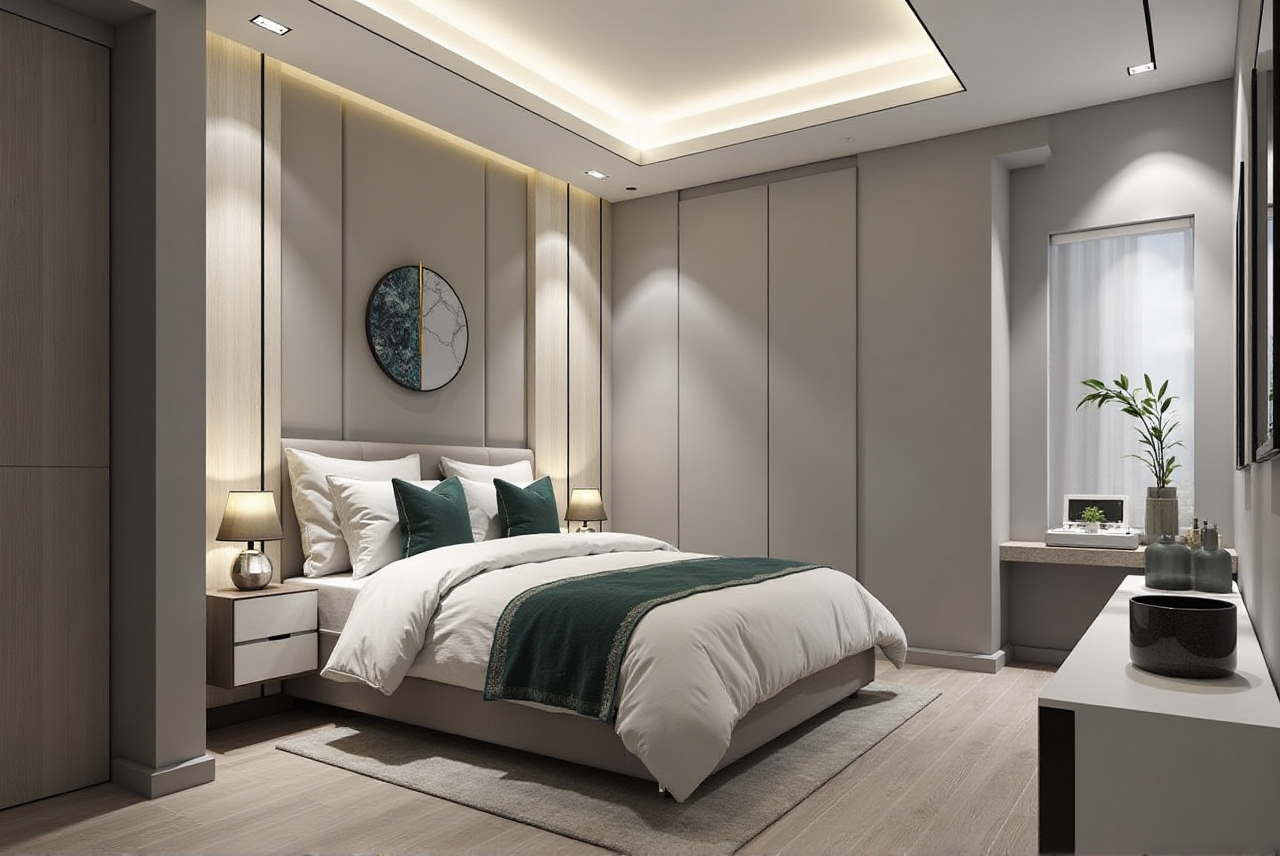
Choose one workflow problem
For example: slow concept generation, weak client presentation, or production miscommunication.
Use one platform feature first
Try AiHouse for layout proposals or Visioneer for product presentation.
Standardize one glossary
Make sure everyone uses the same product names and room terminology.
Measure the result
Track revision count, approval time, and handoff accuracy.
Practical advice
If your team is small, begin with client presentation. If your team already has strong sales but weak production coordination, begin with design-to-manufacturing integration. That is where the operational value appears fastest.
Q&A
Q1: Who is Sunvega best suited for?
A: Renovators, designers, retailers, and manufacturers that need a connected workflow from concept to production. It is especially useful for teams handling product-rich projects and frequent client revisions.
Q2: Do renovators need advanced technical skills to use it?
A: Not necessarily. The key is to define your workflow clearly: start with a room layout, match it to real products, present it visually, and then hand it off accurately. The software should support the process, not complicate it.
Q3: Why is translation important in renovation software?
A: Because renovation work depends on shared understanding. When sales, design, and production use different terms, mistakes happen. A clear translation guide helps the whole team move faster and communicate better with clients.
Final takeaway
In 2026, the best home remodeling software is not the one that only makes attractive images. It is the one that helps renovators design faster, explain better, and deliver with fewer errors.
Sunvega stands out because it combines AI-driven design, 3D visualization, and smart manufacturing integration in one ecosystem. For renovation teams that want to modernize their workflow, the most useful move is to treat software as an operational advantage, not just a design tool.
Start here: https://www.sunvega.com/