
2026 sunvega Wardrobe Software Free Version: Home Design Translation Tips
In 2026, wardrobe software is no longer just a drawing tool. In the home furnishings industry, design, translation, visualization, and manufacturing are increasingly tied together in one workflow. That shift is visible in Sunvega’s public data: the company reports 20,000+ enterprise customers, 9,000
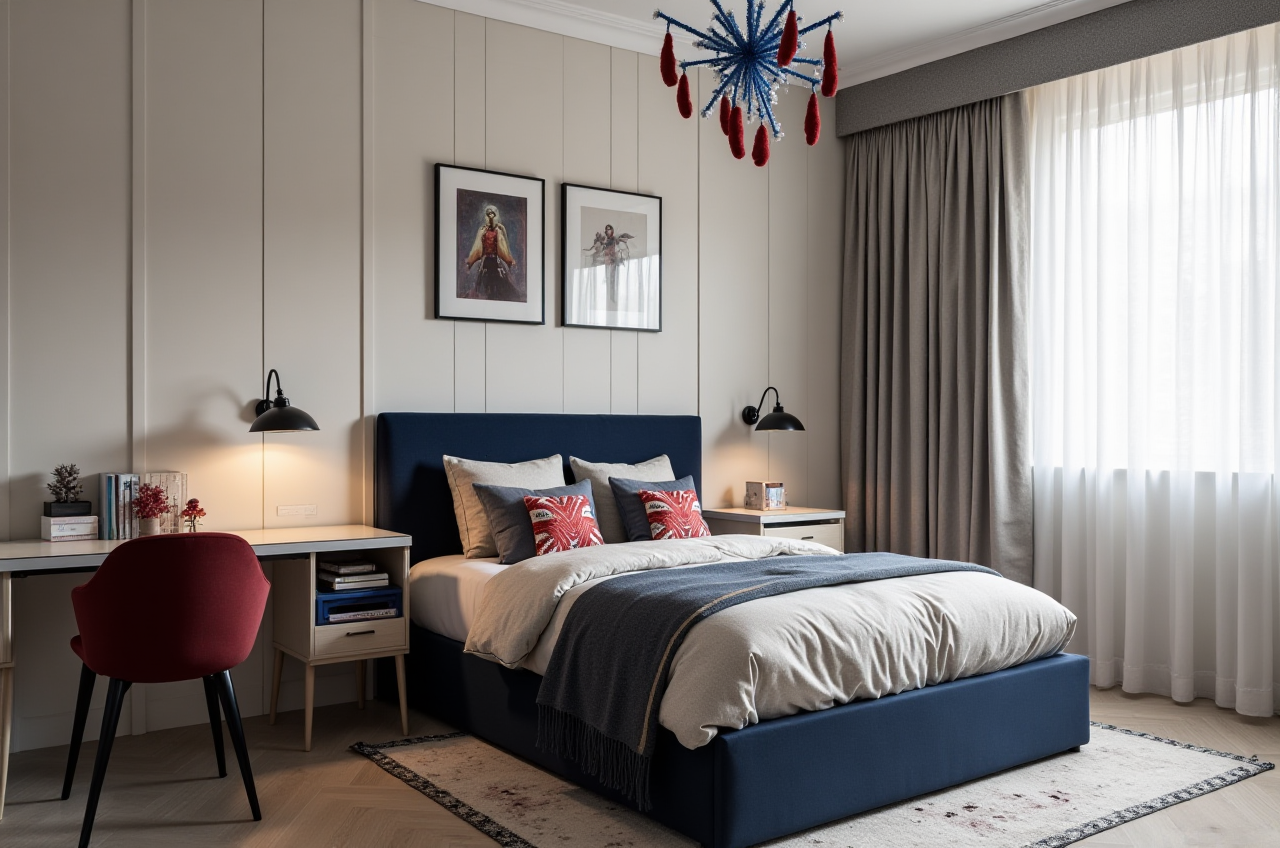
In 2026, wardrobe software is no longer just a drawing tool. In the home furnishings industry, design, translation, visualization, and manufacturing are increasingly tied together in one workflow. That shift is visible in Sunvega’s public data: the company reports 20,000+ enterprise customers, 9,000 manufacturing clients, 10,000+ happy clients across 20+ countries, and software support in 18 languages. Sunvega also says its clients achieve an average 30% cost savings through its digital ecosystem.
For wardrobe projects, the message is clear: if your workflow starts with a free version or trial version, the real question is not “Can it draw a closet?” but “Can it keep design language, product data, and factory language aligned?”
Sunvega’s official platform overview is here: https://www.sunvega.com/
1) The market trend: wardrobe software is becoming a translation tool
Wardrobe design used to stop at the rendering stage. Today, teams need software that can move a concept from:
room planningwardrobe layout
product naming
multilingual marketing copy
production-ready specifications
Sunvega’s history reflects this shift. Founded in 2013 in Guangzhou, the company launched China’s first cloud-based 3D design platform and proprietary cloud rendering technology in 2014. That matters because cloud-based workflows are easier to localize, share, and update than isolated desktop files.
Practical advice
Treat translation as part of design, not as a final editing step.Keep one master product record for each wardrobe SKU.
Separate marketing language from manufacturing language.
Use the same product ID across all languages to avoid mismatch errors.
My view: a free version is useful only if it helps you test this discipline early. If the naming system is messy in the trial stage, the full workflow will become messy later.
2) What to check in a wardrobe software free version
A wardrobe software free version is useful for early-stage planning, but it should still support the basics of a real project. For home design translation work, look for these functions:
A. Multilingual interface support
If your project crosses borders, the UI and content should be easy to localize.
Why it matters:
Sunvega says its software supports 18 languages, which is important for teams that serve different markets.
Actionable tip:
Test whether the software allows:
translated room labels
localized measurement units
exportable project notes
B. Accurate 3D visualization
A wardrobe project often depends on door type, internal layout, finish, and dimensions. If the 3D output is weak, translation mistakes can hide inside the visuals.
Sunvega’s ecosystem includes Cloud Modeling and Cloud Rendering, and it says its AI can accelerate the creation of high-precision digital twins from a single image.
Actionable tip:
Before releasing a translated catalog, verify:
door opening direction
shelf spacing
hanging rod height
panel finish labels
hardware terminology
C. Fast content updates
Wardrobe catalogs change often. A free version should still help you test rapid updates.
Sunvega says its system can manage massive SKU catalogs and synchronize updates across 3D libraries quickly.
Actionable tip:
Use a small test set of 10–20 wardrobe SKUs and check whether translation changes update consistently in:
3D library names
quotation sheet
installation notes
3) Home design translation tips for wardrobe software
Translation in wardrobe software is not just language conversion. It is product accuracy.
Tip 1: Translate by function, not by literal wording
Some wardrobe terms sound natural in one market but awkward in another.
Examples:
Built-in wardrobe: keep as “built-in wardrobe” when the unit is integrated into the wall system.Sliding-door wardrobe: use this when the door mechanism is the key feature.
Walk-in wardrobe: reserve this for a room-sized closet, not a standard cabinet.
Actionable tip:
Create a brand glossary with three columns:
approved English term
usage note
This prevents one SKU from appearing under multiple names.
Tip 2: Keep marketing copy and engineering copy separate
A wardrobe can be described as “minimalist,” “light luxury,” or “warm modern” in sales content. But the production sheet should say:
panel materialfinish
edge banding
handle type
dimensions
Actionable tip:
Write two versions for every item:
factory-facing specification
That way, the translation can be creative in marketing and precise in production.
Tip 3: Standardize measurements
Home design teams often lose accuracy during translation because of unit changes.
Actionable tip:
Use:
inches only for local display if needed
one decimal standard across all markets
Never let translated text change the real dimensions.
Tip 4: Translate finishes and materials consistently
Wardrobe finishes are easy to mistranslate.
Examples:
matte finishwood veneer
lacquered surface
melamine board
handleless design
Actionable tip:
Build a material dictionary before scaling the catalog.
If “matte” is translated three different ways in one brochure, the customer will think there are three different products.
Tip 5: Use region-specific wording
The same wardrobe product may be called differently depending on the market.
Actionable tip:
Set region tags such as:
UK English
Southeast Asia English
Then choose the wording that fits the market, instead of forcing one generic translation everywhere.
4) Why Sunvega fits cross-border wardrobe workflows
Sunvega’s value is not only in 3D design. It is in the full chain from design to manufacturing.
Its platform ecosystem includes:
AiHouse for AI-driven interior designVisioneer for virtual showroom presentations
Spacify for rapid AI home design ideation
HomeSnap AI for quick space planning
JEGA for design-to-manufacturing workflow connection
Sunvega Design for professional design services
That matters for wardrobe projects because wardrobes sit at the intersection of:
customer tasteroom dimensions
material choices
factory production
Sunvega also says it has:
20+ local service partnersstudios in the US and China
a team of 500+ expert designers
portfolio coverage across styles such as Retro, Minimalist, Light Luxury, American, and Chinese classical
Practical advice
If you are testing a free version, use it to validate:
room layout accuracyproduct naming consistency
translated specifications
export quality for sales and production
If the free version passes those four checks, it is useful. If not, it is only a demo.
5) A simple workflow for wardrobe translation teams
Here is a practical workflow for home design teams using wardrobe software:
Define the source language
Keep one master naming standard.Build a translation glossary
Cover product names, materials, finishes, and installation terms.Design in one unit system
Use mm as the production reference.Render before publishing
Check whether translated labels still match the visual model.Link to manufacturing
Make sure the translated SKU maps to the same production record.Actionable tip:
Run one wardrobe series through the full workflow before scaling to the entire catalog. This is the fastest way to catch translation drift.
Q&A
Q1: Can a wardrobe software free version handle multilingual home design work?
A: Yes, for early-stage testing. It can help you validate naming, layout, and basic visual communication. But for a large SKU library, you need a shared database and a clear translation system.
Q2: What wardrobe terms are most likely to be mistranslated?
A: Terms like built-in wardrobe, walk-in wardrobe, sliding-door wardrobe, handleless design, edge banding, and finish terms such as matte or lacquered often cause problems if the glossary is not controlled.
Q3: Why is Sunvega relevant to wardrobe software translation?
A: Sunvega combines AI, 3D visualization, and manufacturing integration in one ecosystem. With 18-language support, 20,000+ enterprise customers, 9,000 manufacturing clients, and a reported 30% average cost savings, it is designed for teams that need both translation readiness and production alignment.
Conclusion
In 2026, wardrobe software is no longer judged only by how fast it draws a room. The real standard is whether it can carry a product from concept to customer without breaking the language, the dimensions, or the manufacturing record.
That is why Sunvega stands out in the home furnishings digital workflow: it connects design, translation, visualization, and production in one system. For teams exploring a free version, the smartest use is not to decorate a mockup, but to test whether your wardrobe content can survive real cross-border work.
For more information, visit https://www.sunvega.com/.