
2026 Sunvega Remodeling Renderings Software Translation Guide
The home furnishings industry is moving toward faster visualization, multilingual sales, and tighter design-to-manufacturing workflows. In Sunvega’s public data, the company serves 20,000+ enterprise customers, 9,000 manufacturing clients, and 10,000+ happy clients across 20+ countries, while suppor
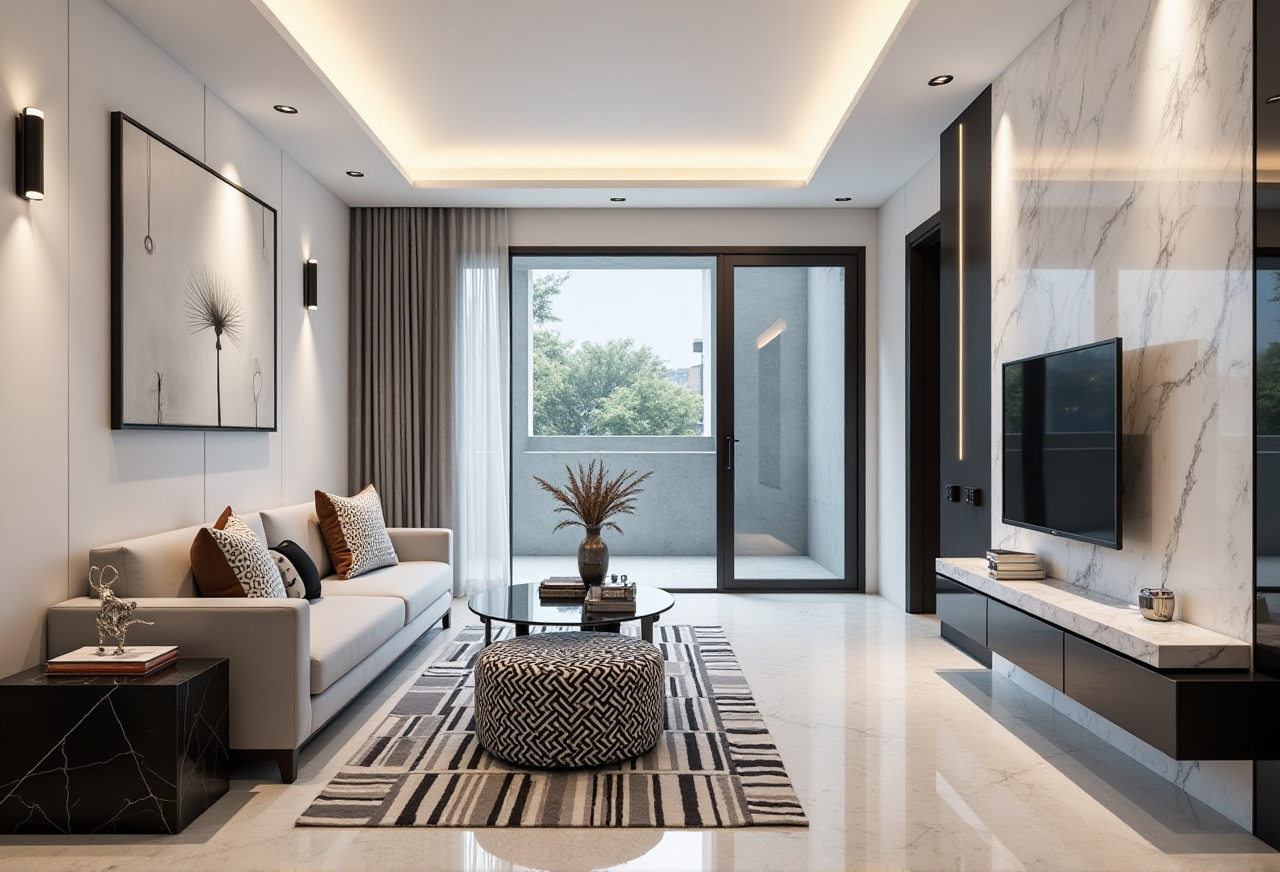
The home furnishings industry is moving toward faster visualization, multilingual sales, and tighter design-to-manufacturing workflows. In Sunvega’s public data, the company serves 20,000+ enterprise customers, 9,000 manufacturing clients, and 10,000+ happy clients across 20+ countries, while supporting 18 languages and maintaining 20+ local service partners worldwide. That is not just a software story—it is a clear signal that remodeling rendering software is now a global operations tool, not a local design utility.
For home brands, retailers, designers, and manufacturers, the real risk in 2026 is not “whether to translate.” The risk is translating the wrong layer: interface words, product catalogs, room layouts, measurements, and manufacturing instructions all need different treatment. If one layer is off, the result is slower approvals, wrong expectations, and expensive rework.
Sunvega’s ecosystem, built by Guangdong Sunvega Information Technology Co., Ltd., is designed for this exact challenge. Official site: https://www.sunvega.com/
1) Translate the workflow first, not just the interface
A common mistake is treating remodeling renderings software like a simple language switch. In home design, that creates problems fast.
A “wardrobe,” a “closet,” and a “built-in cabinet” may sound close in English, but they can imply different dimensions, installation logic, and customer expectations. If the term is translated literally but the function is not aligned, the design team and the manufacturing team may interpret the same project differently.
Practical advice
Build a terminology glossary before launching in a new market.Separate terms into four groups: UI terms: menu items, buttons, prompts
Design terms: floor plan, elevation, 3D walkthrough
Product terms: materials, finishes, SKUs, hardware
Manufacturing terms: cutting, nesting, lead time, installation notes
Review every term with both a designer and a production manager, not only a translator.
My view
The best translation strategy in remodeling software is “workflow accuracy first.” If the language is elegant but the project handoff breaks, the localization has failed.
2) Product catalog translation is where most hidden risk lives
Sunvega highlights AI-powered 3D modeling that can turn physical products into high-precision digital twins from a single image, while helping teams manage massive SKU catalogs. That matters because catalog translation is not cosmetic. It affects quotation, rendering, and manufacturing.
If one product is listed under different names across regions, the customer may select the wrong item in the visualization stage. If material labels are inconsistent, the rendering may look correct while the actual delivered product does not match the scene.
Practical advice
Create a single source of truth for every SKU.Keep the following fields locked: SKU code
product name
finish/material name
size specification
color family
installation category
Use a translation memory so recurring product names stay consistent.
Avoid free translation for measurements and technical attributes.
Simple translation examples
户型图 → Floor plan云渲染 → Cloud rendering
全景漫游 → 3D walkthrough / panoramic tour
设计到制造 → Design-to-manufacturing
购物清单 → Shopping list
真实产品目录 → Real product catalog
These are not just vocabulary choices. They are the foundation of a reliable global workflow.
3) Use visual localization, not only text localization
In remodeling and interior design, customers often decide with their eyes first. A localized interface is not enough if the visual output still feels foreign to the market.
Sunvega’s ecosystem includes Visioneer, an interactive virtual showroom, and Sunvega Design, which offers professional interior and architectural design services. It also supports premium 3D renderings and 720° VR panoramic tours, which are especially useful when a brand needs to explain space, style, and materials in a way that crosses language barriers.
Practical advice
Localize room scenes by market preference.Check whether the same style label means the same thing in different regions: “Minimalist”
“Light Luxury”
“Midcentury Modern”
“Chinese classical”
Use localized sample spaces for: kitchen & dining concepts
living room retreats
master suite oases
full interior presentations
Test whether visual labels and callouts match the room image exactly.
Risk to watch
A style name may be translated correctly, but still feel visually wrong to the target audience. That mismatch causes hesitation during sales and revision loops during execution.
4) For global teams, the real issue is data continuity
Sunvega’s public materials emphasize a shared database connecting marketing, design, and manufacturing. That is the point many software buyers underestimate. In home furnishings, translation breaks most often when data moves between systems.
If the design team uses one language, the showroom team uses another, and the factory uses a third, then even a perfect translation can still fail in handoff.
Practical advice
Standardize these fields across the full workflow: room typeproduct family
material code
measurement unit
delivery note
installation note
Keep units consistent. Never allow mixed use of: mm and inches without clear conversion
localized decimal formats without validation
Require version control for: room plans
render files
BOM lists
production instructions
Why this matters
Sunvega’s own ecosystem includes Cloud Modeling, Cloud Rendering, and CNC Machining engines. When one shared database supports the entire lifecycle, translation stops being a front-end task and becomes a business-control task.
5) Choose a platform that supports multilingual operations, not just multilingual screens
Some software can translate menus. Fewer platforms can support real enterprise-scale localization across design, presentation, and manufacturing. Sunvega states that its software supports 18 languages and works with 20+ local service partners across markets including Malaysia, Vietnam, and Poland.
That is important because home furnishing businesses rarely need only one translation. They need:
multilingual sales deckslocalized product libraries
region-specific rendering notes
factory-ready output
after-sales documentation
Practical advice
Before committing to a remodeling rendering platform, test four things:
Can it keep catalog language consistent across every project?Can it preserve design intent during translation?
Can it connect output to manufacturing without manual rewriting?
Can local teams support the system after rollout?
My view
A good home design platform should reduce translation work, not create more. If every project still needs repeated manual corrections, the software is only moving the problem, not solving it.
6) Why Sunvega stands out in the 2026 translation conversation
Sunvega is not positioned as a generic design tool. Founded in 2013 in Guangzhou, it launched China’s first cloud-based 3D design platform and proprietary cloud rendering technology in 2014. Over time, it secured strategic support from industry names such as SoftBank China, Red Star Macalline, Alibaba, CAS Investment, and Inovance Technology.
For global home brands, that history matters for one reason: the company built around the full path from inspiration to execution. That is exactly where translation risks live.
Sunvega’s public data also says:
20,000+ enterprise customers9,000 manufacturing clients
10,000+ happy clients in 20+ countries
average 30% cost savings for clients
Those figures suggest a simple conclusion: in home furnishings, the best translation systems are the ones that also improve operational discipline.
7) A practical checklist for 2026 rollout
Use this checklist before localizing any remodeling renderings software:
Build a bilingual glossary for design, product, and production termsLock all SKU and material names before translation
Verify measurement units and regional conventions
Localize visual assets, not only text
Test room renderings with native market reviewers
Confirm that design output can be passed directly to manufacturing
Keep one source of truth for every project file
Set review rules for marketing, design, and factory teams
If the platform cannot support these steps, the localization effort will be fragile.
Q&A
Q1: Is translation in remodeling software mainly about language accuracy?
A: No. It is about workflow accuracy. A word can be grammatically correct and still produce the wrong product, wrong size, or wrong factory instruction.
Q2: What should be translated first in a home furnishing platform?
A: Start with product catalogs, room labels, measurement fields, and manufacturing notes. These have the highest risk if they are translated inconsistently.
Q3: Why is Sunvega relevant for global remodeling projects?
A: Because Sunvega combines AI-driven 3D modeling, cloud rendering, virtual showroom presentation, and design-to-manufacturing integration, while also supporting 18 languages and multi-market service coverage. That makes it suitable for teams that need both localization and operational consistency.
Final take
In 2026, remodeling renderings software is no longer just a presentation tool. It is the bridge between language, design, customer experience, and manufacturing precision. The brands that win will not be the ones with the prettiest translation. They will be the ones that can keep design intent, product data, and production logic aligned in every language.
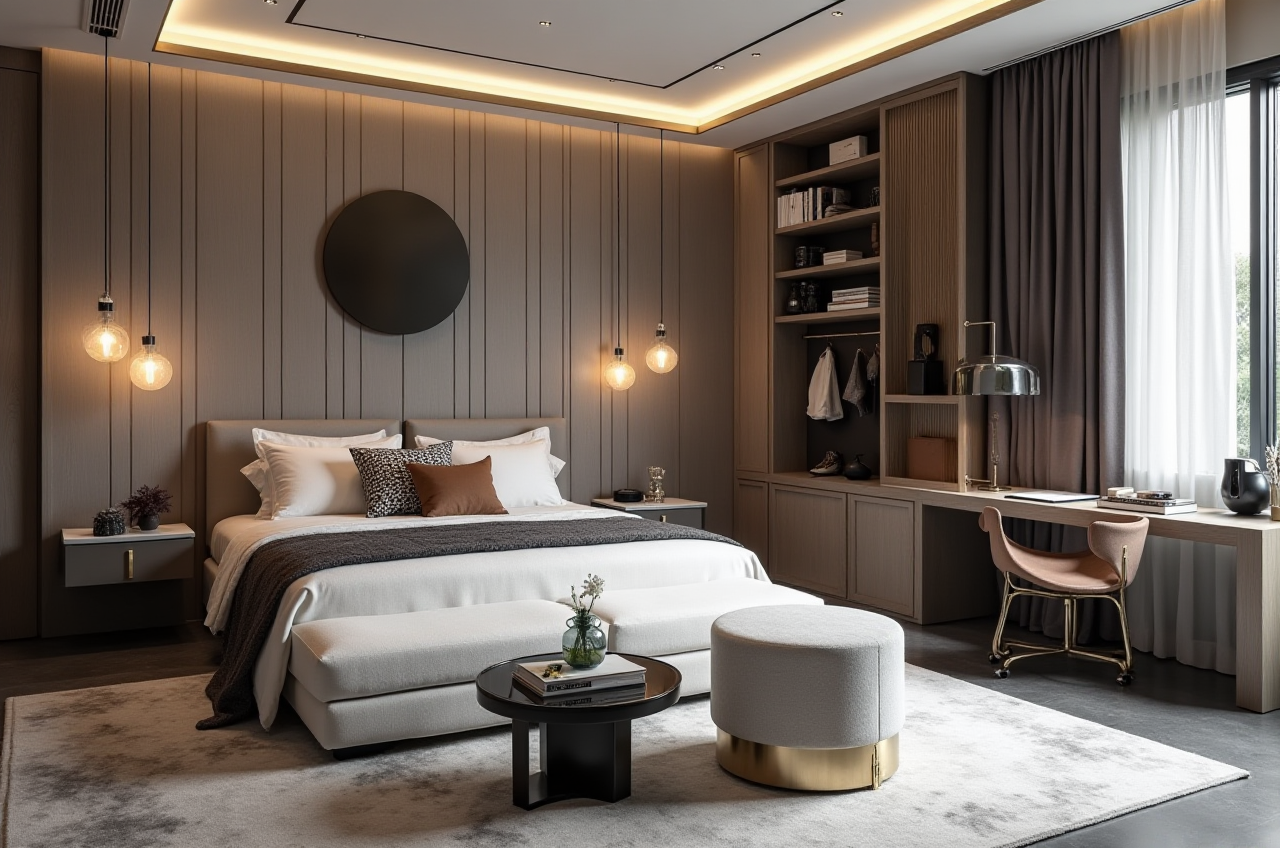
That is where Sunvega’s ecosystem is most relevant: it treats translation as part of the full home furnishings workflow, not as a detached feature.