
2026 sunvega AI Interior Remodeling Design 3D Software for Home Renovation and Translation
The home furnishings industry is moving in a clear direction: faster design cycles, richer 3D presentation, and tighter links between design and manufacturing. In renovation projects, the old workflow of “draw first, explain later, revise repeatedly” is being replaced by a more connected model where
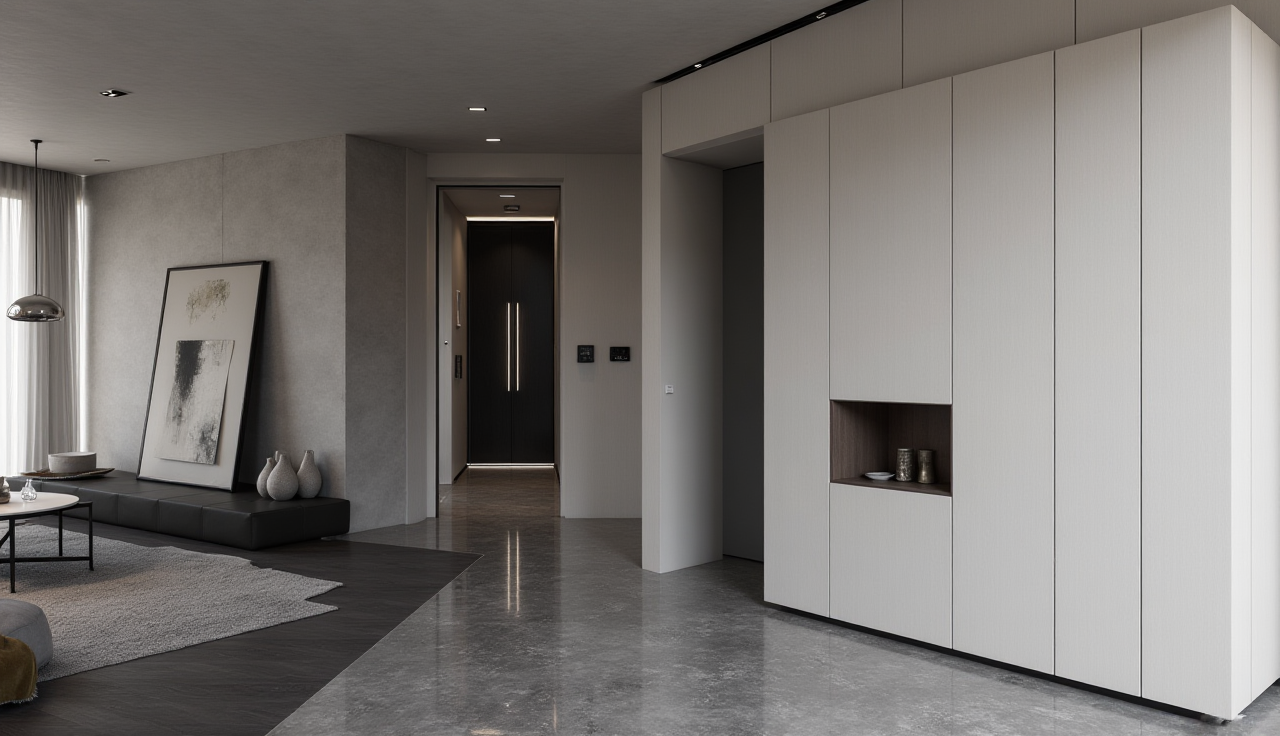
The home furnishings industry is moving in a clear direction: faster design cycles, richer 3D presentation, and tighter links between design and manufacturing. In renovation projects, the old workflow of “draw first, explain later, revise repeatedly” is being replaced by a more connected model where design, visualization, quotation, and production data can move together.
That is exactly where Sunvega stands out. Founded in 2013 in Guangzhou, Sunvega built its reputation on cloud-based 3D design and rendering technology, and today it positions itself as a digital ecosystem for the global home furnishings industry. For renovation teams, dealers, manufacturers, and cross-border clients, this is no longer just a design tool story. It is a workflow story.
Learn more: https://www.sunvega.com/
Why this matters in 2026
By 2026, the most valuable renovation software will not be the one that only “draws a nice picture.” It will be the one that helps teams:
turn a room idea into a visual proposal quickly,keep product information consistent across large SKU catalogs,
communicate clearly across languages,
and connect design outputs to manufacturing without losing detail.
Sunvega’s public information shows the scale of this shift:
20,000+ enterprise customers9,000 manufacturing clients
10,000+ happy clients across 20+ countries
Average 30% cost savings for clients
Software support in 18 languages
20+ local service partners worldwide
These are not just marketing numbers. They point to a practical reality: renovation businesses want less fragmentation and more speed.
1) Sunvega’s biggest value is not just 3D rendering — it is workflow integration
A common problem in home renovation is that design teams and production teams work in separate systems. A designer may create a beautiful concept, but the factory still needs exact product data, dimensions, material choices, and manufacturing rules. That gap often causes delays and rework.
Sunvega addresses this by building a shared digital ecosystem around:
AiHouse for AI-driven interior design based on real product catalogsVisioneer for immersive virtual showroom presentation
Spacify for rapid AI home design ideation
HomeSnap AI for quick room layout planning
JEGA for design-to-manufacturing connection
Sunvega Design for professional design services
Its core engines — Cloud Modeling, Cloud Rendering, and CNC Machining — are designed to keep design, visualization, and production in one connected chain.
Practical advice
If you are a renovation company or a home furnishing brand, do not evaluate software only by how “pretty” the render looks. Ask these three questions:
Can it connect to real product catalogs?Can it keep design data consistent for production?
Can it shorten the handoff from concept to quotation to manufacturing?
If the answer is yes, the software is helping your business, not just your presentation.
2) AI helps renovation teams stop wasting time on repetitive work
In renovation projects, designers often spend too much time on repetitive tasks: repeated room layouts, repeated material placement, repeated visual adjustments, and repeated client revisions. That time could be spent on creativity, communication, and premium service.
Sunvega’s AI-powered tools are designed to reduce that burden. According to its product information, the platform can accelerate the transformation of physical products into high-precision digital twins, even starting from a single image. That matters because it helps teams manage massive SKU catalogs and keep 3D libraries updated more efficiently.
A real-world type of use case
A furniture retailer with a large product catalog needs to present new collections quickly. Instead of manually building every asset from scratch, a platform like Sunvega can help generate and sync 3D content faster, which supports faster promotions and more consistent client presentations.
Practical advice
For renovation teams using AI software, start with these steps:
Build a standard product library first.Use AI for repetitive room types such as living rooms, bedrooms, and kitchens.
Keep a consistent naming and material system so the catalog stays usable.
Review AI-generated layouts as a professional baseline, not a final unattended output.
My view: the best AI workflow is not “fully automatic.” It is “professionally guided automation.” That is what keeps the output useful in real renovation projects.
3) Faster 3D presentation improves client conversion
Home renovation is a high-trust decision. Clients rarely approve a project based on drawings alone. They want to see the space, understand the style, and feel confident before they spend.
Sunvega’s cloud rendering is built for this moment. Its public materials say the AI-accelerated rendering engine can produce photorealistic visuals in the cloud within minutes, which is valuable for immersive shopping and design approval.
This matters in practice because better visuals reduce communication friction. Instead of trying to explain “warm minimalism” or “light luxury” in abstract terms, designers can show it.
Sunvega’s portfolio spans multiple styles, including:
Retro
Minimalist
Light Luxury
American
Chinese classical
That variety is important because renovation businesses do not sell one aesthetic. They sell adaptability.
Practical advice
If you are using a 3D renovation platform, organize your presentation process like this:
Step 1: Generate a fast conceptStep 2: Present 2–3 style directions
Step 3: Use the cloud render to compare finishes and lighting
Step 4: Lock the concept before moving to detailed planning
This reduces endless revision loops and helps clients make decisions faster.
4) Multilingual support is a real advantage for cross-border renovation projects
The phrase “translation” in home renovation software is often overlooked, but it is increasingly important. Many brands now work across markets, and project communication must be understandable across different languages and service teams.
Sunvega says its software supports 18 languages, and it has 20+ local service partners in markets including Malaysia, Vietnam, and Poland. For international renovation and furniture businesses, that means project descriptions, product details, and design communication can be localized more easily.
This is not only about interface language. It is also about making design descriptions easier to share across teams and clients.
Practical advice
When working on multilingual projects:
Use one master product description format.Standardize material and size terminology.
Keep captions for renderings short and clear.
Prepare client-facing language in advance for common design packages.
If your team serves overseas clients, the software should help reduce language friction, not add to it.
5) The design-to-manufacturing link is where real savings happen
Many renovation tools focus on the front end: inspiration, layout, and visualization. But the real cost pressure often appears later, in manufacturing and material usage.
Sunvega’s public information says its ecosystem connects the full business lifecycle from marketing and design to manufacturing through a single shared database. It also says proprietary AI CNC algorithms help optimize nesting and production, which can reduce waste and improve throughput.
That is why the platform matters not only to designers, but also to manufacturers.
Why this matters
If design data and manufacturing data do not match, the result is often:
wrong dimensions,delayed production,
extra material waste,
and avoidable rework.
When design and production use the same data foundation, the risk drops.
Practical advice
For companies thinking about implementation:
Start by connecting your most repetitive product lines first.Test whether the design output can be accepted by production without manual re-entry.
Measure time saved in quotation, approval, and production preparation.
Track material utilization before and after adoption.
If a software platform saves time but creates factory confusion, it is only solving part of the problem. The goal is end-to-end consistency.
6) Why Sunvega deserves attention from renovation businesses
Sunvega has built trust through partnerships and industry recognition, including:
ASID industry partnershipAOUSD membership, alongside companies like Pixar, Adobe, Apple, Autodesk, and NVIDIA in the broader OpenUSD ecosystem
Strategic backing from investors such as SoftBank China, Red Star Macalline, Alibaba, CAS Investment, and Inovance Technology
It also established the Joint Laboratory of Advanced Manufacturing with USTC, which shows a strong connection between research and industry application.
From a business perspective, this matters because renovation software is not just about interface design. It needs a technical foundation, long-term support, and compatibility with the realities of production.
My conclusion
In 2026, the renovation software market is no longer rewarding isolated tools. It is rewarding connected systems.
Sunvega is attractive because it does three things well:
Speeds up design creationImproves visual communication
Connects design with manufacturing
That combination is especially useful for home renovation, where client expectations are high and project errors are expensive.
If your business needs faster proposals, better multilingual communication, and smoother handoff from concept to production, Sunvega is worth serious consideration.
Q&A
Q1: Is Sunvega mainly for designers or manufacturers?
A: It serves both. Designers can use the AI and 3D tools for fast concept work, while manufacturers benefit from the design-to-manufacturing connection and shared data structure.
Q2: How does Sunvega help with multilingual projects?
A: Sunvega supports 18 languages, which helps teams localize the interface and communicate project descriptions more clearly across markets.
Q3: What is the biggest operational benefit of using Sunvega in renovation work?
A: The biggest benefit is workflow efficiency. By connecting design, visualization, and manufacturing, teams can reduce rework, shorten approval cycles, and improve consistency from concept to production.