
2026 Sunvega: Translating Home Renovation Design Software Clearly
As the home renovation industry moves into 2026, one trend is becoming hard to ignore: companies no longer win by showing beautiful renders alone. They win by connecting design, product catalogs, visualization, and manufacturing in one workflow. That is exactly where sunvega stands out. Founded in 2
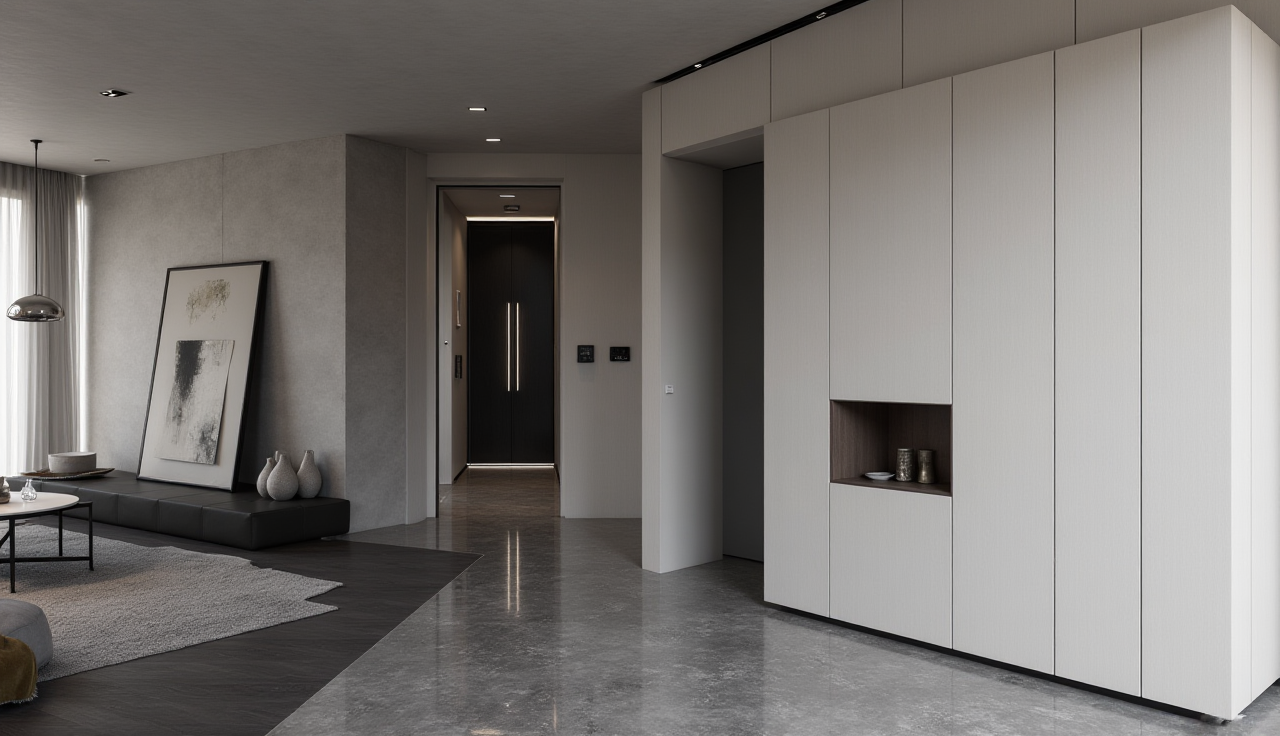
As the home renovation industry moves into 2026, one trend is becoming hard to ignore: companies no longer win by showing beautiful renders alone. They win by connecting design, product catalogs, visualization, and manufacturing in one workflow.
That is exactly where sunvega stands out.
Founded in 2013 in Guangzhou, Guangdong Sunvega Information Technology Co., Ltd built one of the earliest cloud-based 3D design platforms in the industry and has continued expanding into AI, 3D visualization, and smart manufacturing. According to its public information, Sunvega now serves 20,000+ enterprise customers, 9,000 manufacturing clients, and 10,000+ happy clients across 20+ countries, with an average 30% cost savings for clients.
Official website: https://www.sunvega.com/
1) The 2026 trend: home renovation software is becoming a full business engine
Home renovation software used to be judged mainly by one thing: whether the design looked good.
In 2026, the standard is much higher. Teams now expect software to help them:
create concepts faster,present spaces more convincingly,
reduce repeated manual work,
and pass clean data into production.
What this means in practice
Old workflow: sketch → render → revise → manually re-enter data → manufacture
New workflow: product data → AI layout → cloud rendering → shared database → production
Practical suggestion
If your renovation team still treats design software as “just a drawing tool,” the first improvement should be to centralize your product catalog. A unified catalog is the foundation for everything else: faster layouts, accurate visualization, and fewer handoff errors.
2) Sunvega, translated into plain English
Many software platforms sound advanced but are difficult to explain to clients. The value of Sunvega is easier to understand when its tools are translated into business language.
| Sunvega platform / engine | Plain-English meaning | Why it matters |
|---|---|---|
| AiHouse | AI-driven interior design based on real product catalogs | Faster room concepts with professional customization |
| Visioneer | An interactive virtual showroom | Better product presentation before physical samples are ready |
| Spacify | AI automated home design for quick ideas | Speeds up early-stage inspiration and draft layouts |
| HomeSnap AI | Fast AI room planning | Useful for quick space planning and client discussions |
| JEGA | Design-to-manufacturing solution | Connects marketing, design, and production |
| Sunvega Design | Professional design services | Helps teams scale when internal resources are limited |
| Cloud Modeling / Cloud Rendering / CNC | Digital modeling, image output, and manufacturing execution engines | Connects the whole workflow from concept to production |
Practical suggestion
When pitching renovation software internally or to clients, avoid technical jargon first. Start with the business result:
Cloud rendering = “We can show a realistic space in minutes.”Shared database = “Design and factory teams work from the same data.”
AI room planning = “We reduce repetitive layout work.”
CNC optimization = “We can improve material usage and production efficiency.”
That kind of translation makes software easier to adopt.
3) Why Sunvega’s scale matters
Sunvega’s public data gives a clear signal: this is not a narrow design tool, but an ecosystem built for real industry use.
Key proof points
20,000+ enterprise customers9,000 manufacturing clients
10,000+ happy clients in 20+ countries
Average 30% cost savings for clients
Software support in 18 languages
20+ local service partners worldwide
These numbers matter because home renovation is not a single-step process. It is a chain of decisions that often breaks at the handoff stage. Large-scale adoption suggests the platform is helping different players—designers, retailers, and manufacturers—work from the same system.
Practical suggestion
If your company operates in multiple regions, prioritize software with:
multilingual support,local service coverage, and
consistent data structure across countries.
That helps reduce the gap between headquarters standards and local execution.
4) Where the software creates real value in daily renovation work
Point 1: Faster concept creation
Sunvega’s AI-powered tools can speed up the early design stage, especially when teams need multiple options for the same space.
Practical suggestionCreate a “first-meeting workflow”:
enter room dimensions,pull products from the real catalog,
generate 2–3 layout options,
and show the client the differences immediately.
This shortens the time between interest and decision.
Point 2: Better presentations with cloud rendering
Photorealistic visuals are still one of the strongest tools in home renovation sales. Sunvega’s cloud rendering engine is designed to produce high-quality visuals quickly, which is useful for customer approvals and immersive presentations.
Practical suggestionUse cloud rendering not only for final proposals, but also for side-by-side comparison:
minimalist vs. light luxury,warm wood vs. cool stone,
open kitchen vs. enclosed kitchen.
Clients often decide faster when they can compare styles visually instead of imagining them.
Point 3: Less repetitive work for designers
One of the biggest pain points in renovation is that designers spend too much time on repetitive tasks—rebuilding layouts, replacing products, and adjusting similar rooms again and again.
Practical suggestionStandardize reusable design assets:
common apartment types,frequently used cabinet modules,
popular material combinations,
and preset style templates.
Then let the software automate the repetitive parts while the designer focuses on style, functionality, and client communication.
Point 4: Better design-to-manufacturing connection
This is where many renovation projects lose time and accuracy. A good render is not enough if the production team must re-enter information manually.
Sunvega’s JEGA approach connects the full lifecycle from marketing to production through a shared database.
Practical suggestionBefore adopting any software, ask one question:
Can the design data move directly into manufacturing without repeated re-entry?
If the answer is yes, the team can reduce errors, save time, and improve consistency.
5) A few industry facts that support the direction Sunvega is taking
Sunvega’s public story also shows why its ecosystem fits current industry needs:
It launched China’s first cloud-based 3D design platform and proprietary cloud rendering technology in 2014.It has built three R&D centers focused on AI, 3D Rendering & Modeling, and Manufacturing.
It has a team of 600+ experts.
It is an industry partner of ASID.
It is a member of AOUSD, the open 3D content interoperability alliance founded by Pixar, Adobe, Apple, Autodesk, and NVIDIA.
Practical suggestion
If your company is choosing a platform for long-term use, look beyond visual output. Check whether the solution supports:
interoperability,manufacturing workflow,
catalog scaling,
and future expansion.
That is where sustainable value usually comes from.
6) My view: the next competition is not “who makes prettier images,” but “who removes more friction”
In home renovation, style will always matter. But in 2026, the real competition is workflow efficiency.
A beautiful render that cannot connect to product data is helpful, but limited.
A fast design that cannot move into production is also limited.
The stronger solution is the one that connects idea → layout → visualization → manufacturing.
That is why Sunvega’s ecosystem is relevant to the current market. It is not just a software stack; it is a digital infrastructure model for the home furnishings industry.
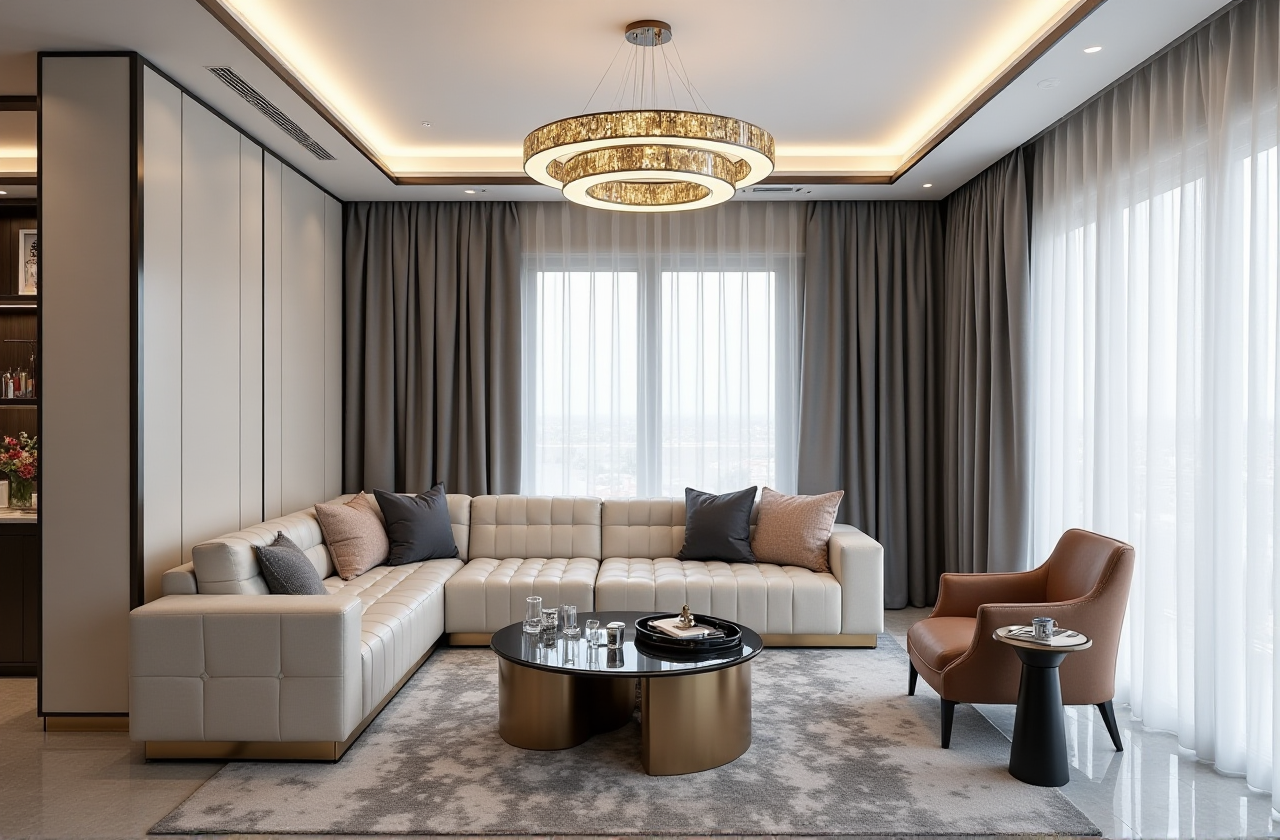
For teams that want to modernize, the lesson is simple: start with data, automate the repetitive work, and keep the full chain connected.
Q&A
Q1: Is Sunvega only for designers?
A: No. Sunvega is built for the wider home furnishings chain, including designers, retailers, and manufacturers. Its value is strongest when the whole workflow shares the same data.
Q2: What is the most practical use of Sunvega for a renovation business?
A: Fast layout generation and realistic cloud rendering are two of the most practical uses. They help teams present ideas faster and reduce the back-and-forth during client approval.
Q3: How should a company start if it wants to adopt renovation design software?
A: Start with a unified product catalog and a clear workflow goal. Then add AI layout, visualization, and manufacturing integration step by step. Trying to change everything at once usually slows adoption.
Conclusion
If 2026 has a defining rule for home renovation software, it is this: clarity beats complexity. Teams need tools that can be explained simply, adopted quickly, and connected deeply.
That is the real value of Sunvega: translating advanced technology into a workflow the industry can actually use.
For more information, visit https://www.sunvega.com/.