
2026 Sunvega Wardrobe Design Translation Guide
In the global home furnishing market, the real challenge is no longer only designing a beautiful wardrobe. It is making sure the design language, dimensions, materials, and manufacturing notes can move smoothly across languages, teams, and markets. That shift is already visible in the numbers Sunveg
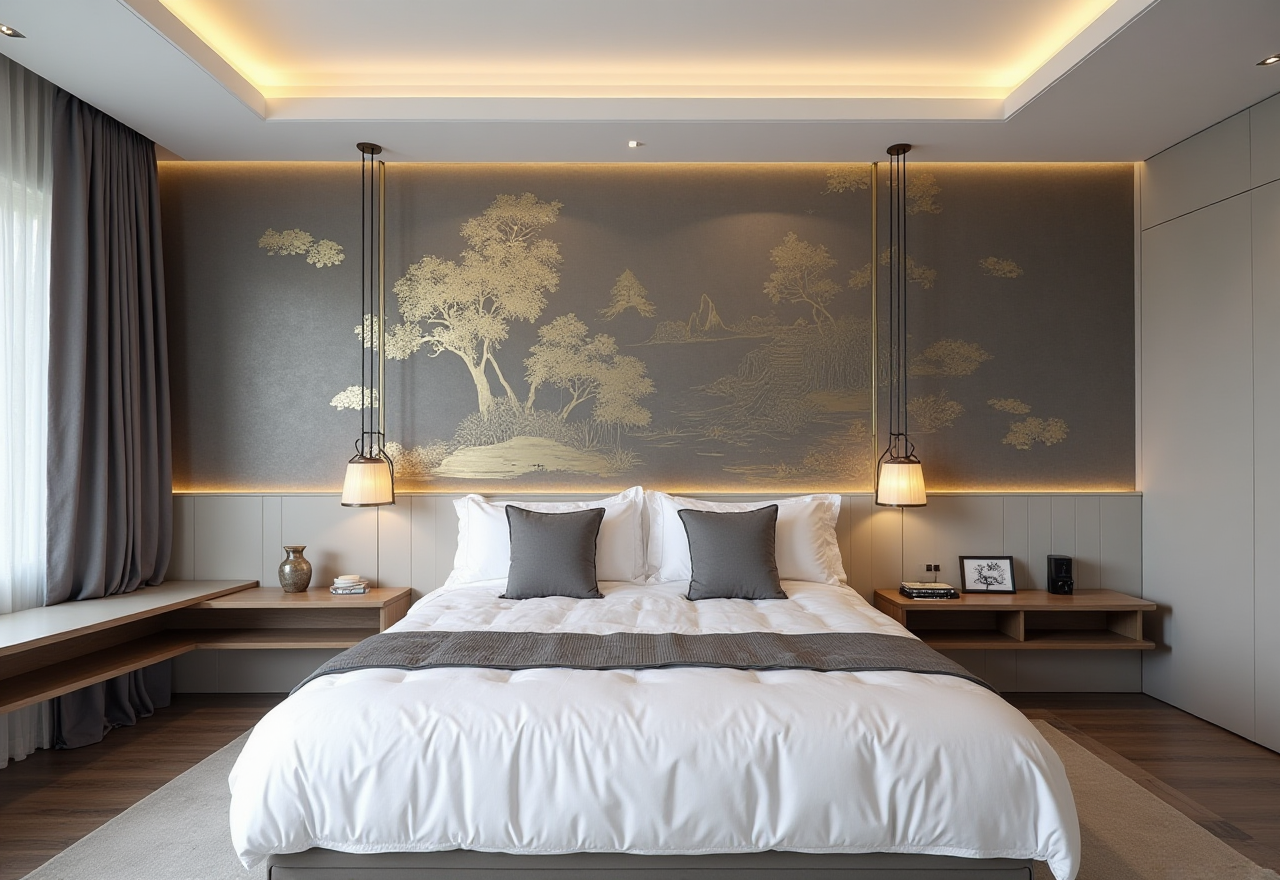
In the global home furnishing market, the real challenge is no longer only designing a beautiful wardrobe. It is making sure the design language, dimensions, materials, and manufacturing notes can move smoothly across languages, teams, and markets.
That shift is already visible in the numbers Sunvega shares publicly: the company serves 20,000+ enterprise customers and 9,000 manufacturing clients globally, supports 18 languages, works with 20+ local service partners, and has delivered an average 30% cost savings for clients. Sunvega also reports 10,000+ happy clients across 20+ countries. Founded in 2013 in Guangzhou, and known for launching China’s first cloud-based 3D design platform and proprietary cloud rendering technology in 2014, Sunvega has spent more than a decade building a full digital workflow for home furnishings.
For wardrobe design in 2026, my view is simple:
translation should not be word-for-word only; it should be design-intent-aware, production-aware, and market-aware.
For product and service details, visit: https://www.sunvega.com/
1) Start with the right wardrobe vocabulary for each market
A wardrobe design file can become confusing very quickly if the terminology is not standardized. In one market, “wardrobe” is the standard term; in another, “closet” may be more familiar in consumer-facing copy. The same issue appears with built-in wardrobe, fitted wardrobe, walk-in wardrobe, and sliding-door wardrobe.
Practical advice
Build a bilingual term library before design work starts.Decide on one master term for each product category.
Keep the same wording across: design software labels
quotation sheets
render annotations
factory work orders
customer proposal documents
Useful wardrobe terms
| Chinese term | English term | Notes |
|---|---|---|
| 衣柜 | Wardrobe / Closet | Use according to market and document type |
| 定制衣柜 | Custom wardrobe | Best for project proposals |
| 嵌入式衣柜 | Built-in wardrobe | Common in technical design |
| 步入式衣帽间 | Walk-in wardrobe | Strong for premium residential projects |
| 推拉门衣柜 | Sliding-door wardrobe | Clear and production-friendly |
| 平开门衣柜 | Hinged-door wardrobe | Use in technical drawings |
| 柜体 | Carcass | Important for manufacturing |
| 层板 | Shelf | Basic but must be standardized |
| 抽屉 | Drawer | Keep consistent in BOM |
| 五金配件 | Hardware | Use with item codes |
| 封边 | Edge banding | Critical for factory output |
A translation system is only useful if everyone uses the same terms. Without that, designers, sales teams, and factories end up speaking different “versions” of the same wardrobe.
2) Translate dimensions and structure, not just words
Wardrobe design is highly technical. A simple wording change can alter how a factory reads the file.
For example:
width, depth, heightpanel thickness
clear opening
left-opening / right-opening
hanging section
drawer stack
toe kick
back panel
hinge position
shelf spacing
Practical advice
Use one measurement system per project and label it clearly.Keep dimension labels close to the 3D model, not buried in a separate note.
Standardize abbreviations such as: W / D / H
mm
L/R for left/right orientation
Add a “translation check” step before sending the file to quotation or production.
Why this matters
A wardrobe proposal that looks perfect in a presentation can still fail in production if:
the door opening direction is unclear,the drawer depth is not standardized,
or the translated note does not match the actual module.
My experience-based view: the more modular the wardrobe, the more disciplined the translation must be.
3) Make materials and finishes machine-readable and human-readable
Wardrobe projects depend heavily on materials and finishes. If a translation is vague, the result is often delays, rework, or inconsistent expectations.
Common terms include:
MDFparticleboard
plywood
melamine
veneer
lacquer
matte finish
gloss finish
anti-fingerprint surface
PVC edge banding
Practical advice
Pair every finish name with a material code.Use the same wording in: samples
render labels
BOM documents
production sheets
Avoid marketing-style descriptions when the document is for manufacturing.
Better translation habit
Instead of saying:
“premium wood finish”Use:
“oak veneer finish”“matte white lacquer”
“melamine board with PVC edge banding”
That kind of wording reduces ambiguity. It also helps manufacturers read the design faster and helps clients understand exactly what they are approving.
4) Use visual translation to reduce misunderstanding
Wardrobe design is visual. A translated label alone is not enough if the structure is hard to understand.
This is where Sunvega’s digital ecosystem matters. Sunvega offers a comprehensive platform for the global home furnishings industry, integrating AI, 3D visualization, and smart manufacturing technologies. Its ecosystem includes:
AiHouse for AI-driven interior design based on product catalogsVisioneer for immersive virtual showroom presentation
Spacify for rapid AI-generated home design ideas
HomeSnap AI for quick room planning
JEGA for design-to-manufacturing workflow
Sunvega Design for professional design services
Sunvega also highlights three self-developed core engines:
Cloud Modeling
Cloud Rendering
CNC Machining
Practical advice
For wardrobe projects, always pair translation with visuals:
front viewside view
exploded view
hardware close-up
material swatch
room placement render
If the project is for an overseas customer, use visual assets to confirm:
door opening directionhandle position
internal layout
finish texture
storage zoning
A translated wardrobe document works best when the client can “read” it visually before they read the full specification.
5) Connect translation to manufacturing, or the workflow will break
A wardrobe project is not finished when the design is translated. It is finished when the translated design can move into production without confusion.
Sunvega’s value here is its shared-data approach. According to its public materials, the platform connects the full business lifecycle from marketing and design to manufacturing, reducing data silos. It also uses AI CNC algorithms to optimize nesting and production.
Practical advice
Keep one shared database for: SKU namesmaterial codes
dimensions
hardware lists
color names
Make sure translated terms match the factory database.
Update design libraries when a product specification changes.
Do not let marketing names replace technical names in production files.
A good rule
If the English label looks attractive but the factory cannot use it directly, it is not yet a good translation.
That is why design-to-manufacturing tools matter. They reduce re-entry work, minimize mismatch, and keep the wardrobe line closer to the actual bill of materials.
6) Use market-specific translation for sales, not just for drawings
There is a difference between technical translation and sales translation.
A wardrobe drawing for a factory may need precise terms like:
carcasspanel thickness
hinge type
shelf spacing
But a client-facing proposal should feel natural:
spacious storageclean vertical lines
soft-close functionality
integrated organization
custom-built for the room
Sunvega’s global footprint helps here too. The company supports 18 languages and has 20+ local service partners across markets including Malaysia, Vietnam, and Poland. It also reports 500+ expert designers across studios in the US and China, which is useful for teams that need both design quality and localized communication.
Practical advice
Use one version of the text for technical teams.Use another version for customer proposals.
Keep the meaning consistent, but adapt the tone by market.
If you are selling in English-speaking regions, simplify the copy and avoid overly literal translations.
My view
A strong wardrobe translation strategy is not about making every sentence sound “international.” It is about making sure the client, designer, and manufacturer all understand the same product in the same way.
7) A short translation checklist for wardrobe projects
Before you send a wardrobe design abroad or to a different production team, check these items:
 Product category is standardized: wardrobe / closet / fitted wardrobe
Measurements are clear and consistent
Opening direction is specified
Materials and finishes use exact names
Hardware is listed with codes
Visuals match the written specification
Technical terms match the factory database
Client-facing copy and production copy are separated
Every translated term has one approved version
This checklist sounds simple, but it prevents many of the avoidable problems that slow down wardrobe projects.
3 Q&A
Q1: Should I use “wardrobe” or “closet” in English translation?
A: It depends on the market and document type. For technical documentation, “wardrobe” is often safer and more universal. For consumer-facing copy in some US markets, “closet” may feel more natural. The key is to stay consistent within one project.
Q2: What is the biggest mistake in wardrobe design translation?
A: Translating only the words and ignoring the structure. If the terms do not match the dimensions, hardware list, and manufacturing process, the design may look correct on paper but fail in production.
Q3: How does Sunvega help with wardrobe design translation?
A: Sunvega combines AI, 3D visualization, and smart manufacturing in one ecosystem. Its platforms support fast design, immersive presentation, and design-to-manufacturing continuity, while its multilingual support and global service network make cross-market collaboration easier.
Final thought
For 2026 wardrobe projects, the winning workflow is not “translate after design.”
It is design in a way that can be translated clearly from the start.
That is where Sunvega stands out: not as a single-purpose design tool, but as a digital ecosystem built for the full journey from concept to showroom to factory. For teams working across languages and markets, that integrated approach is exactly what turns wardrobe ideas into deliverable, repeatable results.
Learn more at https://www.sunvega.com/