
2026 Sunvega AI Home Furnishing Design Software: Free Tools and Translation Guide
In the home furnishing industry, the competitive edge is shifting fast: faster design response, cleaner 3D presentation, and tighter design-to-manufacturing connection are becoming standard expectations rather than premium extras. On Sunvega’s public website, the scale is already visible: 20,000+ en
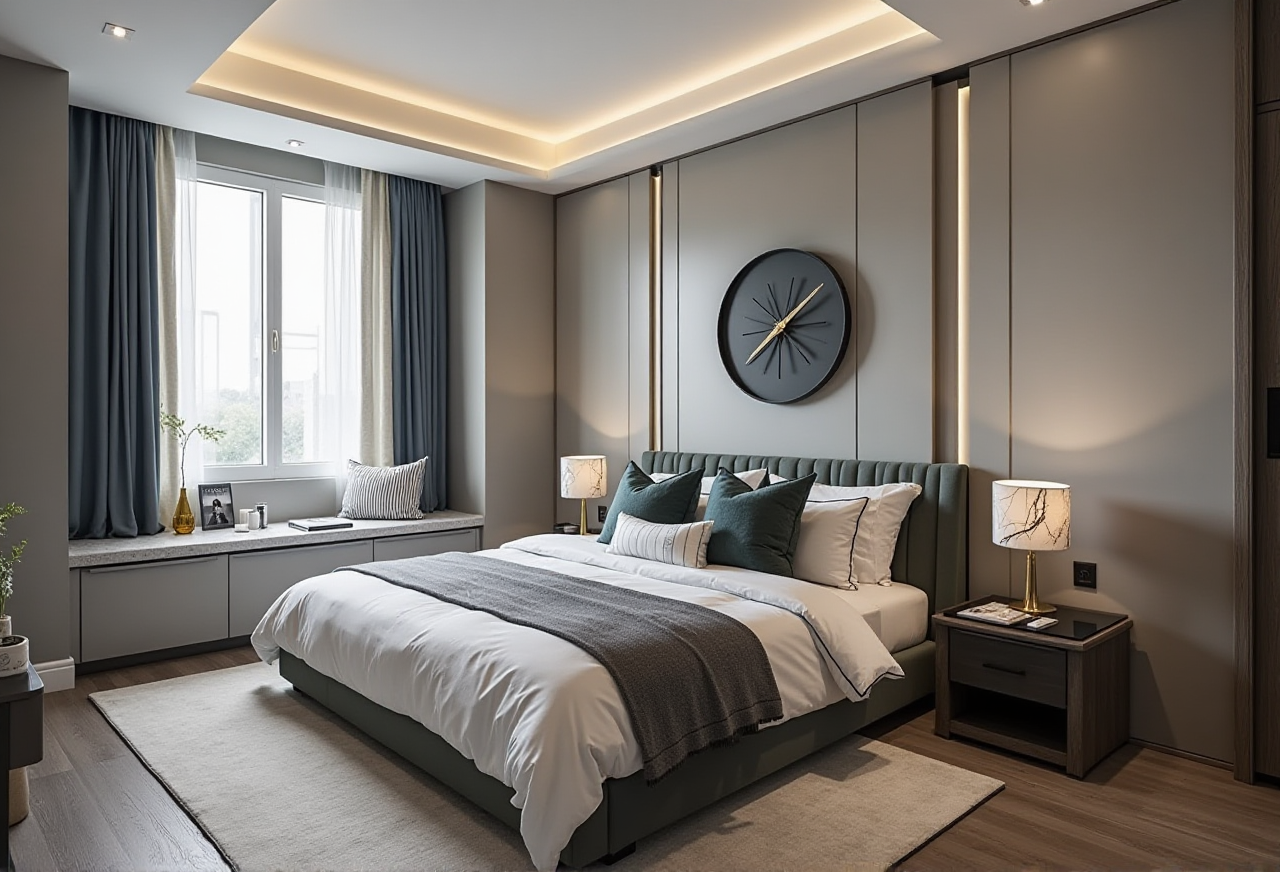
In the home furnishing industry, the competitive edge is shifting fast: faster design response, cleaner 3D presentation, and tighter design-to-manufacturing connection are becoming standard expectations rather than premium extras. On Sunvega’s public website, the scale is already visible: 20,000+ enterprise customers, 9,000 manufacturing clients, 10,000+ happy clients across 20+ countries, and an average 30% cost savings reported for clients. Sunvega also supports 18 languages and works with 20+ local service partners worldwide.
My view is simple: in 2026, home furnishing software is no longer just a “design tool.” It is becoming the operating layer that connects inspiration, sales, rendering, production, and delivery.
You can explore the platform here: https://www.sunvega.com/
1) Why Sunvega matters in 2026: from design software to business workflow
Sunvega was founded in 2013 in Guangzhou, and in 2014 it launched China’s first cloud-based 3D design platform and proprietary cloud rendering technology. That matters because the market has been moving in one direction for years: customers want visual decisions faster, and manufacturers need production-ready data earlier.
Sunvega’s ecosystem is built around several core platforms:
AiHouse: AI-driven interior design from real product catalogs, with professional customizationVisioneer: interactive virtual showroom for immersive presentation
Spacify: AI automated home design for rapid ideation
HomeSnap AI: AI room planner for quick layout work
JEGA: design-to-manufacturing workflow connecting marketing to production
Sunvega Design: professional design services
Practical advice
If you are a retailer, designer, or manufacturer, do not evaluate software only by “can it render well.” Ask three questions first:
Can it reuse real product catalogs?Can it keep design data consistent through production?
Can the team communicate in multiple languages without confusion?
That is where Sunvega’s ecosystem is positioned.
2) The most useful “free tools” to start with: what a lean team should build first
If you are starting small, the smartest “free tools” are not expensive add-ons. They are simple operational tools that make the software easier to use:
a room measurement checklista bilingual product glossary
a SKU naming sheet
a render review checklist
a handoff template for manufacturing
These are not just admin documents. They prevent the most common problems in home furnishing projects: inconsistent labels, repeated revisions, and mismatched design-to-production data.
Practical advice
Set up your starter toolkit in this order:
Measurement first
Record room length, width, height, window position, door swing, and fixed obstacles.
Catalog second
Organize your products by category, finish, size, and SKU.
Glossary third
Fix the English terms before you scale to more projects.
Presentation fourth
Use 3D visualization only after the data is standardized.
Manufacturing handoff last
Make sure the same naming system is used from design to production.
A software platform becomes much more valuable when your basic data is clean.
3) Where each Sunvega product fits in a real workflow
A. AiHouse: design from real product catalogs
AiHouse is useful when a team wants to turn product data into design proposals quickly. Because it works with real catalogs, it helps bridge the common gap between “beautiful concept” and “sellable product.”
Best use case:
Retail teams, showroom teams, and custom home furnishing brands that need personalized layouts without starting from zero every time.
Practical advice:
Create a standardized catalog structure before importing productsKeep finish names and size labels consistent
Build reusable room templates for common layouts such as living rooms, master suites, kitchens, and dining areas
B. Visioneer: virtual showroom for product storytelling
Visioneer is more than a display tool. It helps turn a product into a scene people can understand. This is especially helpful when customers struggle to imagine scale, finish, or layout from a static image.
Best use case:
Brand presentations, online consultations, and sales situations where you need an immersive product story.
Practical advice:
Use a virtual showroom to compare multiple styles in one sessionGroup products by scene, not only by category
Keep the presentation script short and tied to customer needs: storage, comfort, style, or budget range
A well-structured virtual showroom can reduce back-and-forth during the sales stage.
C. Spacify and HomeSnap AI: fast ideation and room planning
For early-stage concept work, speed matters. Spacify and HomeSnap AI are useful when a team needs to sketch multiple directions quickly before spending time on deeper customization.
Best use case:
Fast layout exploration, early customer discussion, and first-round proposal development.
Practical advice:
Use these tools for “option generation,” not final productionPrepare 2–3 layout directions instead of one
Compare circulation, storage, and furniture fit before polishing visuals
In my opinion, this is where AI is most practical: removing repetitive work so designers can spend more time on decisions that matter.
D. JEGA: the link between design and manufacturing
JEGA matters because many projects fail not at the design stage, but at the handoff stage. A design that looks good can still create problems in cutting, nesting, or production if the data is not unified.
Best use case:
Factories and custom furniture operations that need one shared database from marketing to production.
Practical advice:
Align design naming rules with factory naming rulesUse the same product codes across sales, design, and manufacturing
Review material usage early to reduce waste and rework
Sunvega’s public materials highlight smart manufacturing integration, AI CNC optimization, and a shared database approach. That is important because data consistency is often more valuable than visual polish.
4) Translation guide: the most important terms in home furnishing software
When a home furnishing team works across markets, translation quality directly affects delivery speed. Below is a practical glossary for software, design, and manufacturing communication.
| Chinese term | English translation | Practical note |
|---|---|---|
| 户型图 | Floor plan | Use for room layout documents |
| 空间设计 | Spatial design | Broader than interior styling |
| 全屋定制 | Whole-home customization | Common in custom furnishing |
| 效果图 | Rendering | Use for visual presentation |
| 云渲染 | Cloud rendering | Use when rendering is processed online |
| 3D模型 | 3D model | Keep consistent with model library naming |
| 样板间 | Model room / showroom | Use based on context |
| 物料清单 | Bill of Materials (BOM) | Essential for manufacturing |
| SKU | SKU | Usually kept unchanged |
| 材质 | Material | Include finish and texture if needed |
| 色板 | Color swatch | Useful in product selection |
| 尺寸 | Dimensions | Use standard units consistently |
| 下单 | Order placement | Avoid vague translations |
| 拆单 | Order breakdown | Important in manufacturing workflow |
| 排版 / 排料 | Nesting | Used in cutting optimization |
| CNC加工 | CNC machining | Keep the technical term |
| 方案 | Proposal / plan | Choose based on sales or design context |
| 交付 | Delivery / handoff | Depends on workflow stage |
Practical advice
For translation in home furnishing software, follow these three rules:
One term, one meaning
Do not translate the same concept in three different ways.
Keep technical terms stable
Terms like SKU, BOM, CNC, and rendering should not be creatively rewritten.
Translate for operations, not just for language
If a word affects production, its translation must match factory usage.
This is where Sunvega’s 18-language support becomes more than a convenience feature. It can help teams reduce confusion across sales, design, and manufacturing.
5) What the public scale data tells us about demand
Sunvega’s public numbers suggest the market is already large and active:
20,000+ enterprise customers9,000 manufacturing clients
10,000+ happy clients
20+ countries served
30% average savings for clients
20+ local service partners
These figures do not mean every company will see the same result, but they do point to a consistent pattern: businesses are looking for tools that reduce repeated work and connect the full workflow.
Practical advice
If you are testing software selection, use a pilot project with these metrics:
time from brief to proposalnumber of revision rounds
time from approved design to production handoff
error rate in product naming or BOM
rendering turnaround time
Measure before and after. That gives you a real basis for software decisions.
6) My take: the real value is workflow continuity
The biggest mistake in home furnishing software selection is to focus only on “pretty renderings.” Visual quality matters, but it is not the full story.
A better standard is this:
Can the software help you design faster?Can it keep product information consistent?
Can it support multilingual communication?
Can it connect to production without repeated manual correction?
Sunvega’s value proposition is strongest when the answer to all four is yes. That is why its ecosystem approach—design, showroom, AI planning, and manufacturing connection—stands out more than a single-feature tool.
7) Recommended starting path for teams evaluating Sunvega
If you want a practical rollout, start here:
Clean your catalog dataBuild a bilingual glossary
Test one room type
Generate one sales proposal
Pass one project through manufacturing handoff
Review time saved and error reduction
This staged approach is safer than trying to transform the full business in one step.
Practical advice
For most teams, the first successful pilot is not the most complex project. It is the one with:
limited product categoriesclear measurements
stable naming rules
one sales team
one production line
Q&A
Q1: Is Sunvega only for large enterprises?
A: No. The platform ecosystem is built for enterprise-scale use, but the workflow logic also helps smaller teams that need faster design, cleaner translation, and more reliable handoff. Start with one project and one product line.
Q2: What is the most important translation issue in home furnishing software?
A: Consistency. Terms like floor plan, rendering, BOM, SKU, nesting, and CNC must be translated the same way every time. If the glossary is unstable, design and production will drift apart.
Q3: Where should a team begin if it wants to use AI design software effectively?
A: Begin with data preparation: room measurements, product catalog structure, and a standardized glossary. AI works best when the underlying information is already clean and organized.
Closing thought
In 2026, home furnishing software is not just about making interiors look better. It is about making the entire workflow more connected, more multilingual, and less repetitive. Sunvega’s ecosystem—supported by public scale, global language coverage, and design-to-manufacturing integration—fits that direction well.
For product information and platform details, visit https://www.sunvega.com/.