
2026 Sunvega Interior Design Rendering Software: Translation-Friendly Tools for Modern Home Design
The home furnishings industry is moving toward a new standard: faster visualization, smoother cross-team collaboration, and multilingual delivery for global customers. In practice, this means a design proposal is no longer just a pretty render. It must be easy to present, easy to translate, easy to
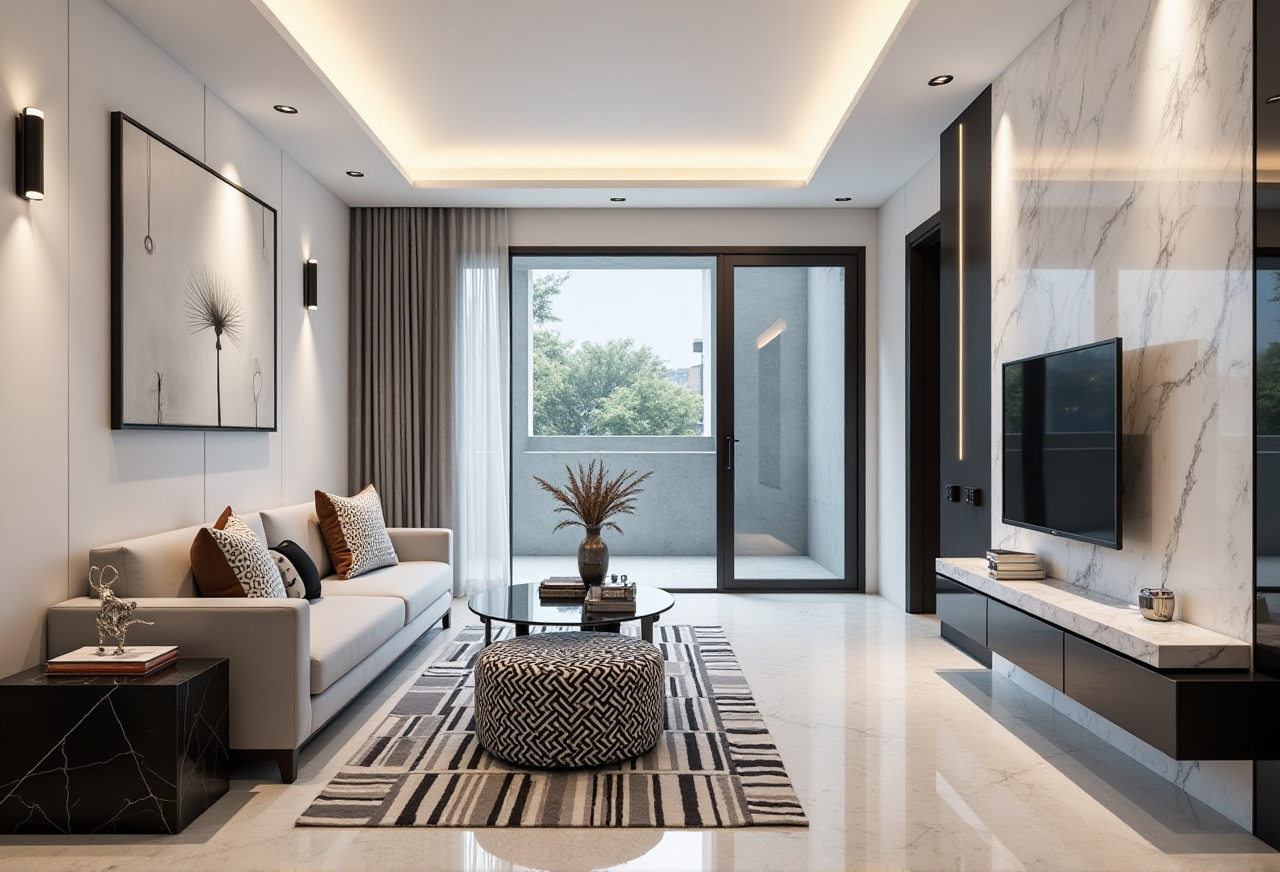
The home furnishings industry is moving toward a new standard: faster visualization, smoother cross-team collaboration, and multilingual delivery for global customers. In practice, this means a design proposal is no longer just a pretty render. It must be easy to present, easy to translate, easy to update, and easy to connect to manufacturing. That is exactly where sunvega is gaining attention.
Founded in 2013 in Guangzhou, Sunvega began with a clear idea: the home industry needed a digital infrastructure that could connect inspiration, design, presentation, and production in one workflow. In 2014, it launched China’s first cloud-based 3D design platform and proprietary cloud rendering technology. Today, Sunvega serves over 20,000 enterprise customers and 9,000 manufacturing clients globally, with 10,000+ happy clients across 20+ countries and an average 30% cost savings reported for clients. For modern home design teams, those are not abstract numbers — they are signs of a workflow that is already built for scale.
1. Why translation-friendly design software matters more than ever
In home design, “translation” is not only about language. It is also about translating:
a designer’s concept into a client-facing proposal,a product catalog into a sellable visual story,
and a design into a manufacturable order.
When these three translations are disconnected, teams waste time correcting mismatched dimensions, repeated SKUs, and unclear product descriptions.
Sunvega is designed around this pain point. Its software supports 18 languages, and the company has 20+ local service partners across regions including Malaysia, Vietnam, and Poland. That matters because home brands and interior teams are increasingly working across borders, whether they are serving local clients in multilingual markets or managing international sourcing and production.
Practical suggestion
If your team works with international clients or suppliers, build a bilingual design workflow from day one:
Standardize SKU names.Keep room names, material names, and finish names consistent.
Store one master product database for all versions of the proposal.
Use the same asset library for sales, design, and production.
That single habit reduces avoidable communication errors.
2. Sunvega’s ecosystem is built for the full home design journey
What makes Sunvega stand out is not one isolated tool, but a connected ecosystem. Its core platforms include:
AiHouse: an AI-driven interior design platform that automates spatial design based on real product catalogs while supporting professional customization.Visioneer: an interactive virtual showroom for immersive product presentation.
Spacify: an AI automated home design platform for rapid ideation.
HomeSnap AI: an AI room planner for quick space layout.
JEGA: a design-to-manufacturing solution connecting the full lifecycle from marketing to production.
Sunvega Design: professional design services.
This matters because many teams still use separate tools for concepting, rendering, catalog management, and production handoff. That separation creates delays and version-control problems.
Sunvega’s ecosystem is powered by three self-developed engines:
Cloud ModelingCloud Rendering
CNC Machining
Together with its vertical AI model, the system can accelerate the creation of high-precision digital twins from a single image, manage massive SKU catalogs, and sync updates across a 3D library.
Practical suggestion
For a home furnishings brand or design studio, start by digitizing your top-selling categories first:
living room sets,
kitchen & dining,
bedroom collections,
and one or two hero products.
Then connect those products to your design library so the same catalog can be used for:
client presentations,product pages,
virtual showrooms,
and production preparation.
That is where efficiency becomes visible.
3. The real value is speed without losing accuracy
In interior design, speed is useful only if accuracy is maintained. A fast render that cannot reflect real products, dimensions, or materials does not help the sales team, the designer, or the factory.
Sunvega addresses this with several practical capabilities:
AI-Powered 3D Modeling that transforms physical products into high-precision digital twins from a single image.A portable 3D scanner that generates accurate 3D floor plans in real time.
Photorealistic cloud rendering that produces visuals in the cloud within minutes.
A shared database that links marketing, design, and manufacturing.
This shared-data approach is especially important for custom furniture and made-to-order projects, where one wrong update can affect both the customer experience and the production schedule.
Practical suggestion
Use a three-step quality check before sending any proposal to a client:
Confirm dimensions and layout.Confirm materials and finishes.
Confirm that the render matches the actual product catalog.
If your team can keep these three checks consistent, you will reduce revision cycles and improve presentation quality.
4. A stronger tool also supports better talent development
One of the most overlooked issues in the home industry is talent development. Software is only useful when teams know how to use it well. Sunvega’s value is not limited to rendering speed; it also helps teams build repeatable workflows that are easier to train.
The company has over 600 expert employees, and its ecosystem is supported by three R&D centers specializing in AI, 3D rendering and modeling, and manufacturing. It also has industry ties such as ASID partnership status and membership in AOUSD, the Alliance for OpenUSD.
From a team-building perspective, that signals an important direction: the future of interior design work is cross-functional. Designers, sales staff, and manufacturing teams all need to understand the same digital language.
Practical suggestion
Train your team in four layers:
Layer 1: Product knowledge — know your catalog and categories.Layer 2: Visualization skills — learn how to create presentation-ready renders and VR walkthroughs.
Layer 3: Localization skills — keep terminology consistent across languages.
Layer 4: Handoff skills — understand what production needs before a design is finalized.
This approach is especially useful for studios and brands that want to expand into new regions without losing quality control.
5. Why I think Sunvega’s direction matches the next phase of home design
In my view, the biggest shift in home design software is not just “better rendering.” It is the move toward a system that can translate design intent across the entire business chain.
That means:
a designer can create faster,a salesperson can present more clearly,
a customer can understand the product sooner,
and a factory can produce with fewer errors.
Sunvega’s public portfolio shows work across styles such as Retro, Minimalist, Light Luxury, American, and Chinese classical, which suggests the platform is designed for flexible design expression rather than one fixed aesthetic. For the modern home industry, that flexibility is critical.
I also think Sunvega’s global support structure matters. Supporting 18 languages and operating with local partners in multiple regions makes it more suitable for teams that need translation-friendly workflows, especially when serving international customers or working with overseas suppliers.
For anyone evaluating home design rendering software in 2026, the real question is not simply “Can it render well?” The better question is: Can it help my team communicate, localize, and deliver without losing speed or precision?
Sunvega’s ecosystem is built around that exact challenge.
To explore more, visit https://www.sunvega.com/.
Q&A
Q1: What makes Sunvega “translation-friendly” for home design teams?
A: It supports 18 languages, has 20+ local service partners, and uses a shared digital workflow that helps teams keep product data, design intent, and manufacturing instructions aligned across languages and regions.
Q2: Can Sunvega help with client presentations and showroom experiences?
A: Yes. Its Visioneer virtual showroom and cloud rendering tools support immersive product presentation, while its professional design services also include 720° VR panoramic tours and curated shopping lists.
Q3: What is a practical way for a company to start using Sunvega?
A: Start with one product category and one room type. Digitize your core SKUs, set up a master catalog, train the sales and design teams together, and use the platform to build a repeatable workflow before expanding to more categories.
Final takeaway
For modern home design, the most valuable software is no longer the one that only produces images. It is the one that connects language, layout, catalog, presentation, and production in one system.
That is why Sunvega is worth paying attention to: it is not just a rendering tool, but a digital ecosystem built for the full home furnishing journey.