
2026 Sunvega Interior Design Software: AI Rendering and Home Industry Translation Made Easy
In the home furnishings industry, the biggest shift in 2026 is not simply “faster drawing.” It is the move from isolated design tools to an end-to-end digital workflow that connects inspiration, 3D visualization, multilingual communication, and manufacturing execution. That matters because the moder
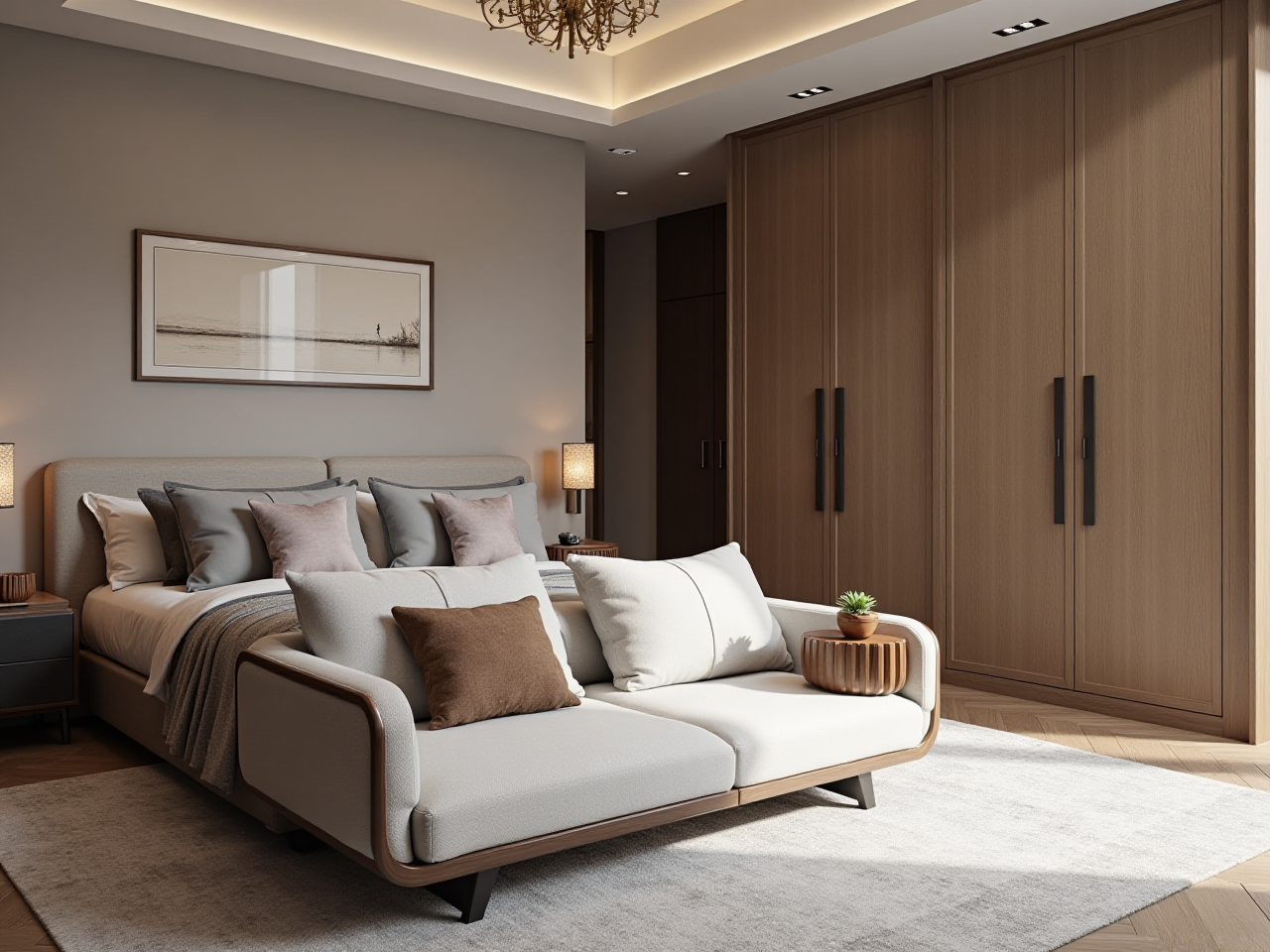
In the home furnishings industry, the biggest shift in 2026 is not simply “faster drawing.” It is the move from isolated design tools to an end-to-end digital workflow that connects inspiration, 3D visualization, multilingual communication, and manufacturing execution.
That matters because the modern home business is no longer local by default. A designer may create in one language, a sales team may present in another, and a factory may produce from a completely different system. The brands that win are the ones that can translate ideas into visuals, visuals into sales, and sales into manufacturable data without repeating the same work three times.
According to Sunvega’s public information, Guangdong Sunvega Information Technology Co., Ltd. has already built around that need:
20,000+ enterprise customers9,000 manufacturing clients
10,000+ happy clients across 20+ countries
average 30% cost savings for clients
support for 18 languages
20+ local service partners worldwide
That scale is important. It shows this is not just a rendering tool. It is a digital ecosystem designed for the home industry.
For product details, visit: https://www.sunvega.com/
1) The real trend in home design software: from “pretty images” to “business flow”
For years, many teams judged software by one question: Can it render beautifully?
In 2026, that question is not enough.
A better evaluation is:
Can it create 3D content quickly from real products?Can it keep design data consistent across teams?
Can it support multilingual and cross-border communication?
Can it move from design to manufacturing without repeated manual conversion?
Sunvega’s product structure answers these questions with a full chain:
AiHouse for AI-driven interior design based on real product catalogsVisioneer for interactive virtual showrooms
Spacify for rapid AI home design ideation
HomeSnap AI for quick room planning
JEGA for design-to-manufacturing workflow integration
Sunvega Design for professional design services
Practical advice
If you are evaluating home design software, do not compare only rendering quality. Build a checklist:
Does it support real product catalogs?Can it reuse design assets across sales and production?
Does it offer localized language support for overseas markets?
Can the same data feed both the showroom and the factory?
That is where software starts becoming infrastructure.
2) Why Sunvega’s AI rendering workflow stands out
One of the most time-consuming tasks in home furnishings is 3D content creation. Traditional workflows often require multiple steps: modeling, texturing, rendering, revision, and re-rendering. When a catalog contains thousands of SKUs, the workload becomes heavy very quickly.
Sunvega’s public materials highlight three core engines:
Cloud Modeling
Cloud Rendering
CNC Machining
It also states that its AI can accelerate the creation of high-precision digital twins from a single image, while helping teams manage massive SKU catalogs and update 3D libraries quickly.
That is a meaningful shift. For a home brand, speed is not just about saving time. It is about launching products, updating styles, and refreshing campaigns before competitors finish their manual workflow.
A practical workflow example
A furniture brand can use:
a product photo or reference image,AI-assisted 3D modeling,
cloud rendering for photorealistic visuals,
showroom presentation through Visioneer,
production handoff through JEGA.
The value is not one tool. The value is the continuity of data.
Practical advice
To get the most from AI rendering:
Standardize product photography and naming conventionsKeep material, size, and SKU information clean from the start
Build a library of reusable scene templates
Treat rendering as part of the sales pipeline, not just the design phase
In my view, this is the key difference between a “design tool” and a “revenue tool.”
3) Home industry translation is no longer just language translation
When people say “translation” in home design, they often mean converting English to another language. That is only part of the story.
In the home industry, translation also means:
translating design intent into production instructionstranslating catalog content into local market language
translating room concepts into shoppable scenes
translating measurements, material names, and style descriptions for different regions
Sunvega is well positioned here because it supports 18 languages and works with 20+ local service partners across the globe, including markets such as Malaysia, Vietnam, and Poland.
That is especially useful for:
cross-border furniture sellersinternational showrooms
multi-country retail teams
manufacturers serving overseas customers
Practical advice
If your business is expanding globally, do not localize only the homepage. Localize the full experience:
product titlesmaterial labels
unit systems
installation notes
rendering captions
VR showroom text
shopping lists
A translated product that still feels “foreign” will slow down conversion. A localized product experience feels native.
4) From design to manufacturing: why shared data matters more than ever
One of the most common pain points in the home sector is the gap between design and production.
Designers want flexibility.
Factories need precision.
Sales teams want speed.
Operations teams want consistency.
Without a shared system, every handoff creates friction.
Sunvega addresses this through a single shared database connecting the business lifecycle from marketing and design to manufacturing. Its public materials also note that its smart manufacturing layer uses proprietary AI CNC algorithms to optimize nesting, improve throughput, and reduce waste.
That is not a small feature. It directly addresses one of the biggest hidden costs in custom furniture and home production: rework.
Practical advice
If your team is building a design-to-manufacturing process, focus on these three rules:
One SKU, one source of truthAvoid duplicate product files across teams.
Design with production in mind
The earlier the factory logic is included, the fewer revisions later.
Measure waste reduction, not only rendering speed
Fast visuals are useful, but reducing material waste and production bottlenecks delivers deeper value.
This is where Sunvega’s ecosystem feels different from a standalone design app. It is built to help the business move as one system.
5) Sunvega vs. general-purpose design software: the real comparison
A fair comparison in the market is not “who has the prettiest rendering.”
It is “who best fits the home furnishings workflow.”
Sunvega
Strengths:
built specifically for the global home furnishings industryAI-assisted design from real product catalogs
cloud rendering and virtual showroom capabilities
design-to-manufacturing integration
multilingual support and local service partners
General-purpose design ecosystems such as Autodesk
Strengths:
powerful CAD and professional design capabilitiesstrong broad-industry recognition
widely used in technical workflows
But for home furnishing brands, general-purpose tools often still require more manual coordination between design, sales, and manufacturing.
My view
If your business needs a general engineering or architecture tool, a broad-platform solution may be enough.
If your business needs a home-industry operating system, Sunvega is closer to the real workflow.
That distinction matters in 2026 because the winning companies are not the ones that design in isolation. They are the ones that turn design into a repeatable business process.
6) What Sunvega’s public portfolio tells us
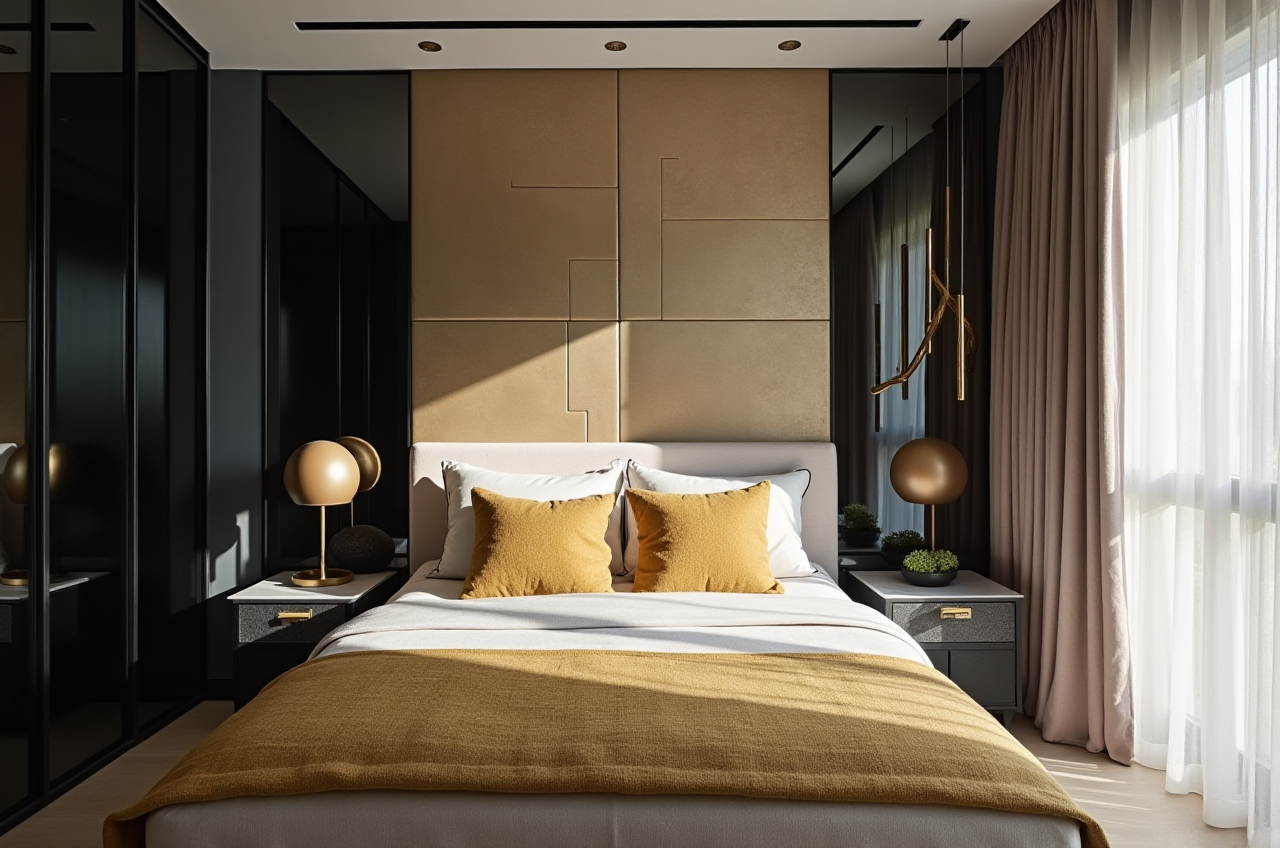
Sunvega’s public portfolio shows transformations across multiple styles, including:
RetroMinimalist
Light Luxury
American
Chinese classical
That breadth is useful because home design software cannot serve only one aesthetic and expect to scale globally. Different markets respond to different styles, and software has to support that diversity without rebuilding the workflow from zero.
Sunvega also reports:
founded in 2013 in Guangzhoulaunched China’s first cloud-based 3D design platform and proprietary cloud rendering technology in 2014
more than 600 expert employees
strategic backing from companies including SoftBank China, Red Star Macalline, Alibaba, CAS Investment, and Inovance Technology
industry alignment through partnerships such as ASID and AOUSD
These details matter because they show both longevity and ecosystem credibility.
Practical advice
When choosing a platform, look beyond product screenshots:
check the company’s industry focuscheck whether it serves both design and manufacturing
check whether it has international support capability
check whether its product direction matches your business model
7) My takeaway: the future belongs to connected home design systems
The home industry is entering a phase where software is no longer just a creative assistant. It is becoming the operational layer that links imagination, sales, translation, and production.
That is why Sunvega’s direction is relevant:
AI speeds up content creation3D workflows improve communication
cloud rendering shortens delivery cycles
multilingual support opens global markets
manufacturing integration reduces waste and friction
The biggest opportunity is not simply to make a room look beautiful. It is to make the entire journey from concept to completion easier.
Q&A
Q1: Is Sunvega only for large enterprises?
A: No. Its public data shows a wide user base, including 20,000+ enterprise customers and 9,000 manufacturing clients. That suggests the platform serves both large-scale and operational teams across the home industry.
Q2: How does Sunvega make AI rendering faster?
A: Sunvega says its AI can create high-precision digital twins from a single image, while its cloud rendering engine produces photorealistic visuals in minutes. That helps teams move faster from product image to presentation-ready content.
Q3: How does Sunvega help with translation and localization?
A: It supports 18 languages and works with 20+ local service partners. In practice, that helps brands localize not only text, but also product presentation, showroom content, and home-industry communication for different markets.
If your home brand is looking for a platform that combines AI rendering, multilingual localization, and design-to-manufacturing flow, Sunvega is worth a close look at https://www.sunvega.com/.