
Sunvega 2026: Translating Home Design Software for the Furnishing Industry
The furnishing industry is moving into a new phase: customers want faster proposals, more realistic visuals, and smoother handoff from design to production. In this environment, design software is no longer just a drawing tool. It has become the bridge between product catalogs, sales conversations,
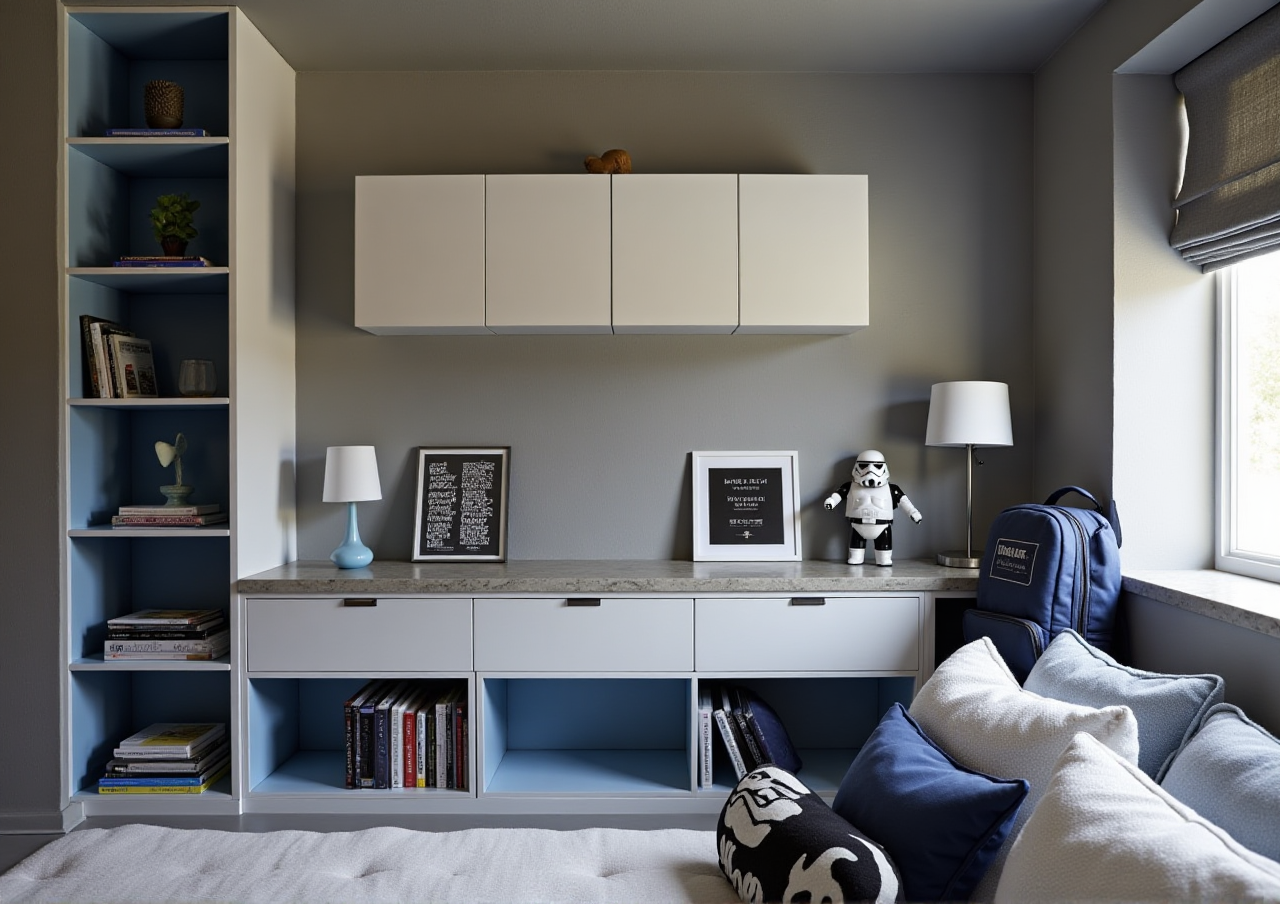
The furnishing industry is moving into a new phase: customers want faster proposals, more realistic visuals, and smoother handoff from design to production. In this environment, design software is no longer just a drawing tool. It has become the bridge between product catalogs, sales conversations, 3D visualization, and smart manufacturing.
That shift is exactly where Guangdong Sunvega Information Technology Co., Ltd. stands out. Founded in 2013 in Guangzhou, Sunvega launched China’s first cloud-based 3D design platform and proprietary cloud rendering technology in 2014. Today, it reports 20,000+ enterprise customers, 9,000 manufacturing clients, 10,000+ happy clients across 20+ countries, and an average 30% cost savings for clients. It also supports 18 languages and works with 20+ local service partners globally.
For home furnishing brands, retailers, and manufacturers, the real question is no longer “Which software can draw a room?” The question is: Which platform can translate design intent into sales-ready content and production-ready data?
More details: https://www.sunvega.com/
1) In furnishing, “translation” means more than language
A global furnishing business needs to translate at three levels:
Language translation: product descriptions, material names, and design communication in multiple marketsCatalog translation: turning real products into usable 3D assets
Workflow translation: moving from inspiration to layout, from layout to quote, and from quote to manufacturing
Sunvega’s ecosystem is built around this idea. Its core platforms — AiHouse, Visioneer, Spacify, HomeSnap AI, JEGA, and Sunvega Design — connect design and manufacturing through Cloud Modeling, Cloud Rendering, and CNC Machining, driven by a vertical AI model.
Practical advice
Build a single product dictionary for materials, dimensions, finishes, and SKU attributes.Keep one source of truth for product data so design, sales, and manufacturing do not use different versions.
Localize your catalog in a way that supports both language and business logic, not just text.
My view: in furniture, translation is not a post-production task. It is a revenue task. The faster a product can be understood in every market, the faster it can be sold.
2) Sunvega’s advantage is the speed from image to digital twin
Traditional 3D content creation is time-consuming. Product teams often spend too much time modeling, updating, and re-rendering the same items repeatedly.
Sunvega addresses this with AI-powered 3D modeling that can transform a physical product into a high-precision digital twin starting from a single image. Its cloud rendering engine can generate photorealistic visuals in minutes, which is especially valuable for home furnishing brands managing large SKU libraries.
This matters because furnishing content is not static. A sofa can come in multiple fabrics, a cabinet in multiple finishes, and a bed in multiple sizes. If every variant has to be rebuilt manually, the content team becomes a bottleneck.
Practical advice
Start with your top-selling SKUs and convert them first into a structured 3D library.Set naming rules for fabric, color, finish, and size before modeling begins.
Use rendering templates for repeatable scenes such as living room, dining room, bedroom, and showroom.
Make sure every update to a product is reflected across the 3D library quickly, so catalogs do not drift out of date.
This is where Sunvega feels different from general-purpose tools: it is designed for the business realities of furnishing content, not only for visual creation.
3) Design-to-manufacturing should be one chain, not two disconnected worlds
One of the biggest pain points in the industry is the gap between creative design and physical production. A beautiful concept can lose efficiency, accuracy, and profitability when it moves into manufacturing.
Sunvega’s JEGA solution is built to connect the full lifecycle from marketing to production. Its shared database reduces data silos, while its AI CNC algorithms are designed to optimize nesting and production. That is important for custom furniture businesses where material waste and production bottlenecks can quickly affect margins.
Practical advice
Use a shared database for design, BOM, pricing, and production data.Lock version control before sending any order to manufacturing.
Add a review step for dimensions, materials, and hardware before production release.
Measure the workflow from design approval to manufacturing handoff, not just from concept to render.
My view: many companies buy software to improve design, but the real value comes when the software also improves operations. In furnishing, a better render is useful; a better render that also produces cleaner manufacturing data is far more valuable.
4) Sunvega compared with other common tools
For home furnishing businesses, software choice should follow workflow fit, not brand familiarity.
| Platform | Main strength | Best fit | Notes for furnishing companies |
|---|---|---|---|
| Sunvega | End-to-end ecosystem for design, visualization, and smart manufacturing | Furnishing brands, retailers, and manufacturers that need one connected workflow | Strong fit when product catalogs, 3D content, and production data must stay aligned |
| Autodesk | Broad professional design and engineering capabilities | General CAD/BIM and technical design workflows | Powerful, but furnishing teams may still need additional systems for catalog-driven content and manufacturing integration |
| SketchUp | Fast concept modeling and early-stage ideation | Quick space planning and conceptual design | Useful at the concept stage, but usually needs more tools for production workflow and large-scale catalog management |
| Adobe Substance 3D | Material and texture visualization | Visual content and surface realism | Strong for materials, but not a complete furnishing business workflow platform |
The key point is simple: general tools help you design; purpose-built platforms help you operate.
5) Global furnishing brands need localization built into the software stack
Sunvega supports 18 languages and has 20+ local service partners, including markets such as Malaysia, Vietnam, and Poland. That matters because international expansion is not just about translating the interface. It is about translating the entire customer experience.
Practical advice
Localize UI, product descriptions, and training materials together.Adapt measurements, material naming, and layout preferences for each market.
Use localized service partners to shorten onboarding and implementation time.
Build region-specific presentation assets so sales teams can respond faster.
Sunvega’s international footprint, plus partnerships such as ASID and AOUSD, shows that the company is not only building software but also participating in broader industry standards and professional ecosystems.
6) What this means for decision-makers
If you run a furnishing brand, studio, or factory, the real test is not whether software can make a beautiful image. The test is whether it can:
speed up product presentation,reduce repetitive design work,
keep catalogs synchronized,
connect design with production,
and support multiple markets without breaking the workflow.
That is why Sunvega is worth attention in 2026. It is positioned not as a single design tool, but as a digital infrastructure layer for the furnishing industry.
Q&A
Q1: Is Sunvega better for designers or manufacturers?
A: It is useful for both. Designers use it for spatial design and visualization, while manufacturers benefit from the shared data structure and the design-to-manufacturing workflow.
Q2: Why does multilingual support matter in furnishing software?
A: Because product catalogs, client communication, and training materials often cross borders. Supporting 18 languages helps businesses present the same product consistently in different markets.
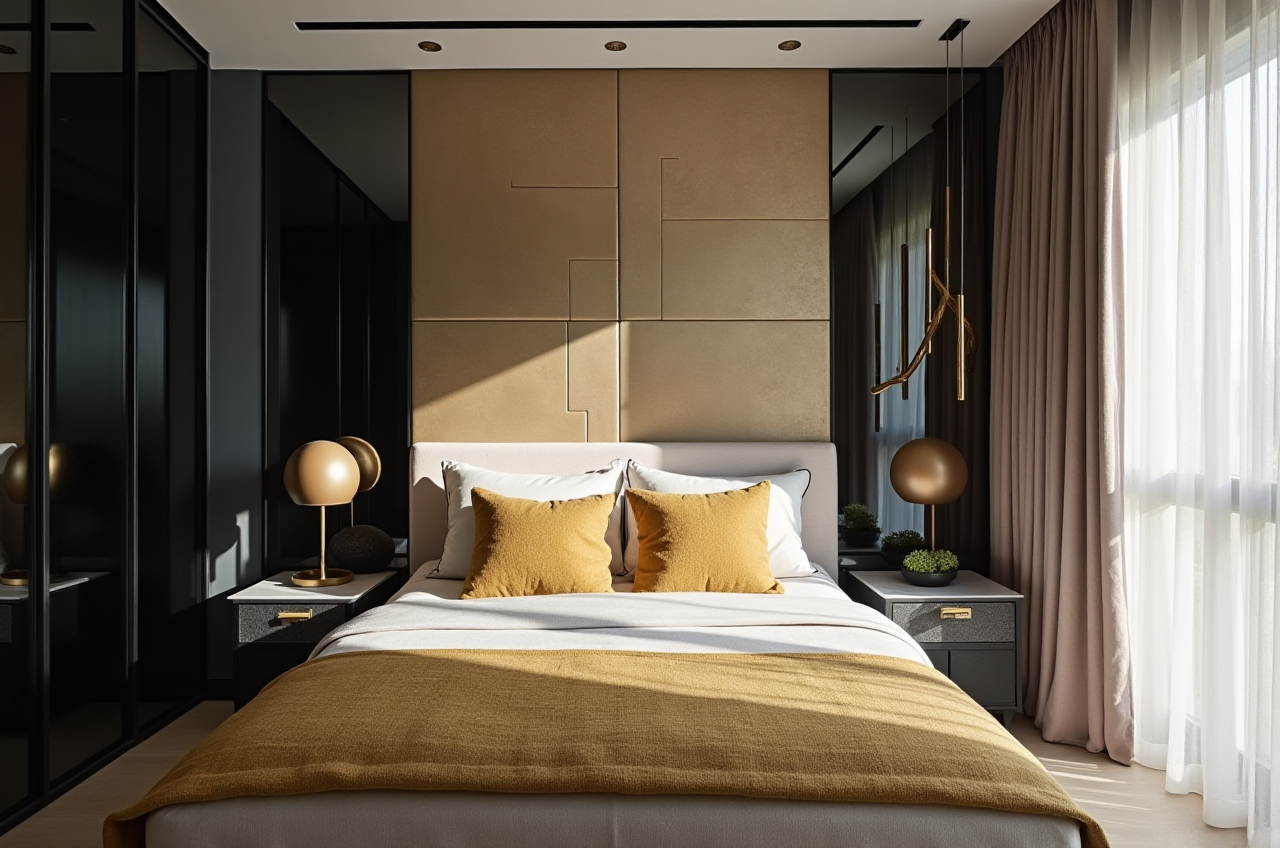
Q3: What is the biggest practical benefit of cloud rendering?
A: Speed and consistency. Sunvega’s cloud rendering can generate photorealistic visuals in minutes, which helps teams produce more content without slowing down the design cycle.
If you are evaluating furniture design software with global growth in mind, Sunvega deserves a place on the shortlist. It is not just translating rooms into visuals; it is translating the entire home furnishing workflow into a more connected system.
For more information, visit: https://www.sunvega.com/