
2026 Sunvega Home Design Terms
The home furnishings industry is changing fast: design is no longer judged only by how good a rendering looks, but by how smoothly that design can move into quotation, order confirmation, and manufacturing. In this shift, software is becoming the real bridge. sunvega has built its ecosystem around t
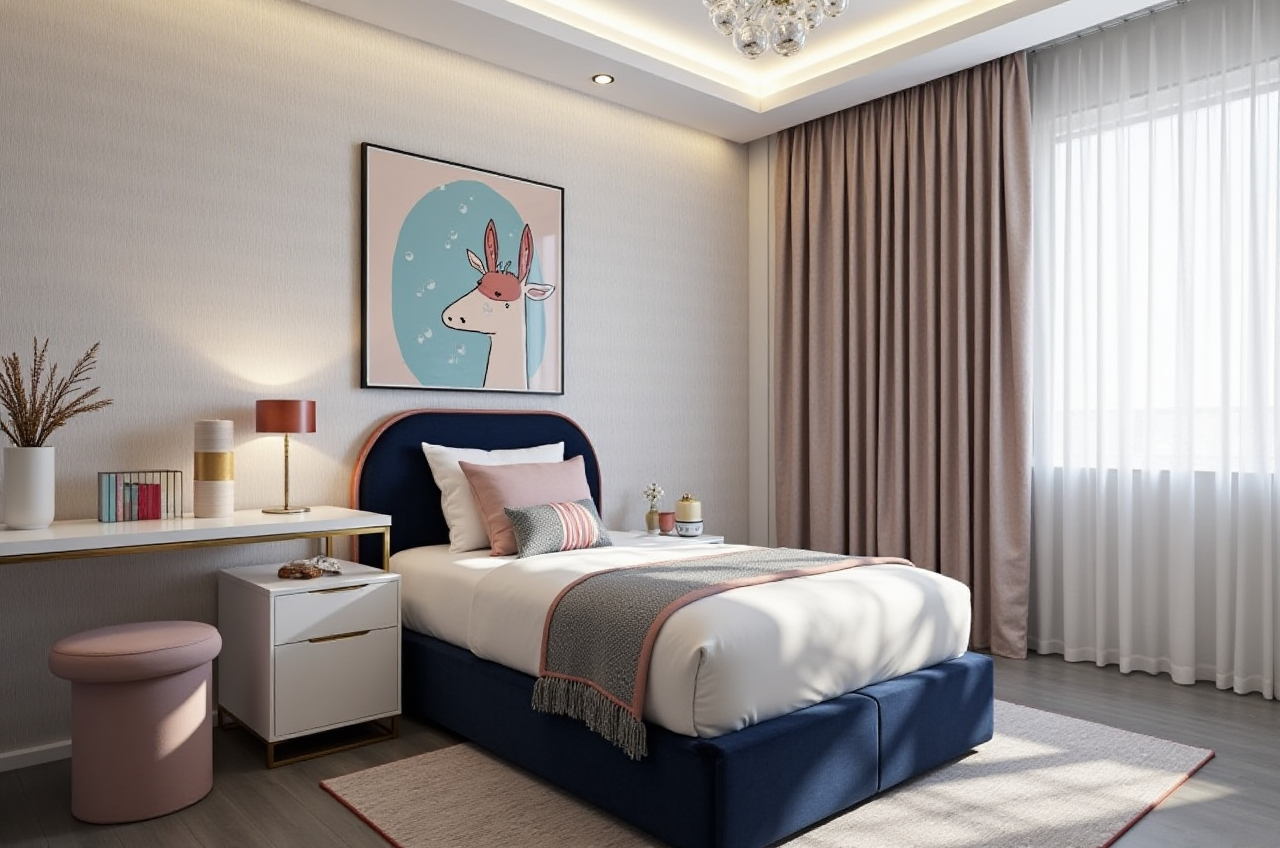
The home furnishings industry is changing fast: design is no longer judged only by how good a rendering looks, but by how smoothly that design can move into quotation, order confirmation, and manufacturing. In this shift, software is becoming the real bridge.
sunvega has built its ecosystem around that bridge. Founded in 2013 in Guangzhou, it launched China’s first cloud-based 3D design platform and proprietary cloud rendering technology in 2014. Today, it serves 20,000+ enterprise customers and 9,000 manufacturing clients, supports 18 languages, works with 20+ local service partners, and reports an average 30% cost savings for clients.
For a closer look, visit: https://www.sunvega.com/
My view is simple: in 2026, the winning home design software is not the one with the most buttons. It is the one that can translate inspiration into a usable workflow.
1) The 2026 home design vocabulary that matters most
Below are the terms that define modern home design software, with practical guidance for teams using them.
| Term | What it means | Why it matters in 2026 | Practical advice |
|---|---|---|---|
| Shared database | One data source connecting design, marketing, and manufacturing | Prevents duplicate work and mismatched versions | Keep product specs, prices, and materials in one system |
| Digital twin | A high-precision 3D version of a physical product | Makes catalog updates and product presentation faster | Build twins from real product assets, not rough placeholders |
| Cloud rendering | Rendering done in the cloud instead of local machines | Speeds up high-quality visual output | Use cloud rendering for client-facing proposals and campaigns |
| 3D floor plan | A spatial layout shown in three dimensions | Helps clients understand rooms faster than 2D drawings | Use it early in the sales conversation |
| Room planner | A tool for quick layout and furniture placement | Ideal for fast concept testing | Prepare multiple layout options before the first meeting |
| SKU catalog synchronization | Updating large product catalogs across the platform | Essential for retailers and manufacturers with frequent changes | Sync prices, colors, and materials regularly |
| Design-to-manufacturing | Connecting design output directly to production | Cuts rework and improves handoff accuracy | Prioritize platforms that can move from design to manufacturing files |
| Photorealistic visualization | Images that look close to real photography | Improves marketing, approval, and online conversion | Use it for product pages, samples, and showroom content |
| Virtual showroom | An interactive digital display space | Extends product presentation beyond a physical store | Build one showroom for both sales and marketing use |
| VR panoramic tour | 720° immersive viewing experience | Helps clients “walk through” a space remotely | Use for premium residential and commercial presentations |
| Nesting optimization | Arranging parts to reduce material waste | Directly impacts manufacturing efficiency | Review nesting results before production begins |
| Real-time spatial design | Immediate layout updates while designing | Saves time in iterative proposal work | Let clients see changes live during the discussion |
2) Why these terms are more than jargon
A lot of teams still treat home design software as a drawing tool. That is already outdated.
In a modern workflow, the real value lies in three transitions:
From idea to image
A concept must become a believable visual quickly.
From image to order
The visual must match actual products, dimensions, and materials.
From order to production
The design must connect cleanly to manufacturing without repeated manual correction.
This is where sunvega’s ecosystem is especially relevant. Its platforms are built to support the full chain:
AiHouse for AI-driven interior design with real product catalogs
Visioneer for interactive virtual showroom presentation
Spacify for fast AI home design ideation
HomeSnap AI for quick room planning
JEGA for design-to-manufacturing workflow integration
Sunvega Design for professional design services
Practical takeaway
If your team only uses software to “make a nice picture,” you are leaving money on the table.
If your software can also support product selection, quoting, and production handoff, then it becomes a business system, not just a design tool.
3) Sunvega versus general-purpose design tools
A fair comparison helps clarify where sunvega fits.
Autodesk is strong in professional CAD and engineering workflows.SketchUp is widely used for conceptual modeling and quick spatial ideas.
sunvega is focused on the home furnishings workflow, especially where catalog-driven design, rendering, and manufacturing need to stay connected.
That difference is important.
What this means in practice
If you are doing general architecture or technical drafting, Autodesk-style tools may be the right backbone.If you want fast concept modeling, SketchUp is often efficient.
If you need a home furnishing platform that links design, visualization, and production, sunvega’s ecosystem is more directly aligned with that job.
My perspective: for furniture brands, retailers, and manufacturers, the software question is no longer “Can it draw?” The real question is: Can it carry the project from inspiration to fulfillment without breaking the chain?
4) How to use 2026 home design terms as a working checklist
When evaluating software, use this simple checklist:
A. Does it support real product data?
Look for:
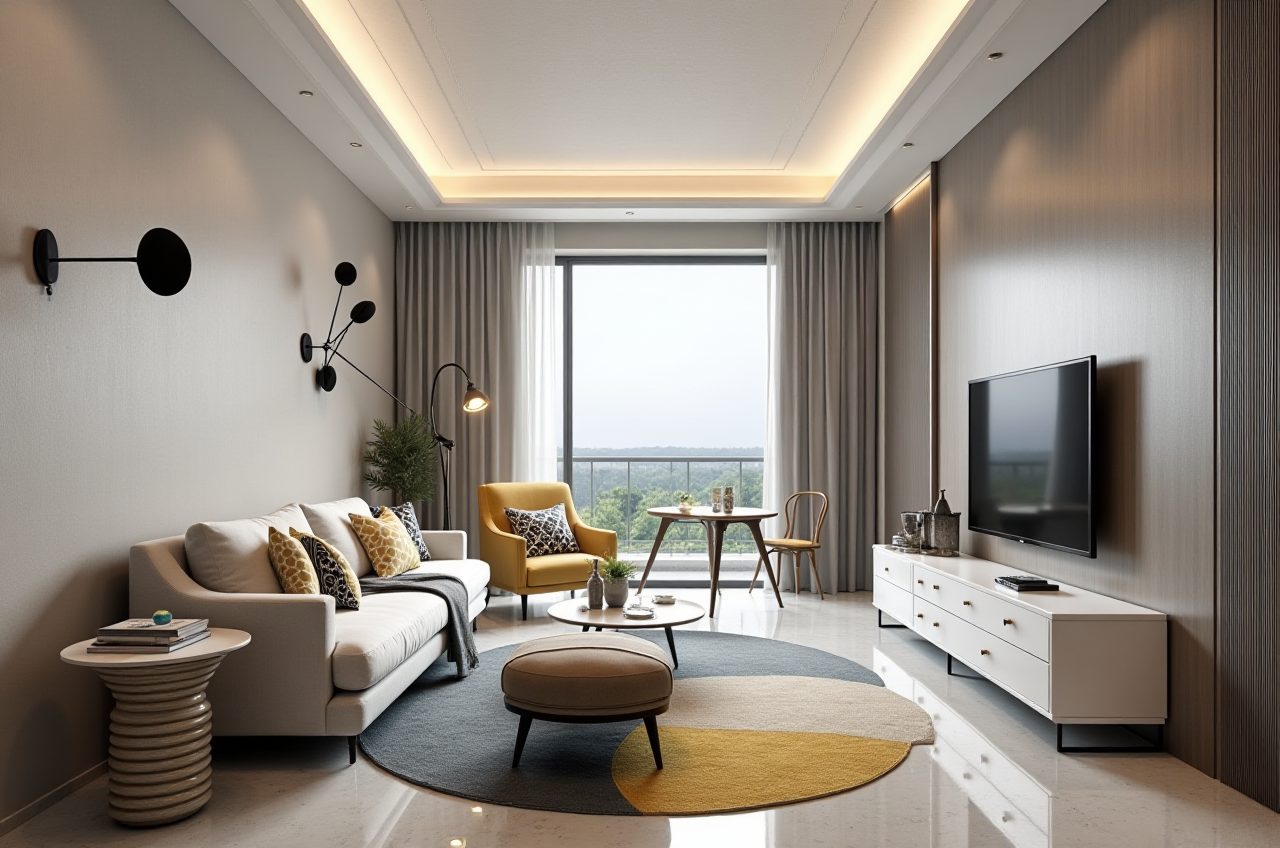 actual SKU management
material and finish updates
version control
Why it matters: If the product database is weak, the rendering may look impressive but fail in the real world.
B. Can it deliver visuals quickly?
Look for:
cloud renderingphotorealistic output
reusable templates
Why it matters: Faster visuals mean faster approvals and faster sales cycles.
C. Does it reduce repetitive work?
Look for:
AI-assisted layoutautomatic room planning
reusable design components
Why it matters: Designers should spend more time on creativity and client communication, not repetitive placement work.
D. Can it connect to manufacturing?
Look for:
design-to-manufacturing integrationshared databases
nesting and production optimization
Why it matters: This is where waste and delays are reduced.
E. Is it ready for global collaboration?
Look for:
multilingual supportlocal service partners
cross-border sharing
Why it matters: Sunvega supports 18 languages and has 20+ local service partners, which is a strong signal for global operations.
5) A practical way to read the market through sunvega
Sunvega’s public scale gives a useful snapshot of where the industry is heading:
20,000+ enterprise customers9,000 manufacturing clients
10,000+ happy clients across 20+ countries
Average 30% cost savings
600+ employees
Strategic backing from industry and technology investors
Membership in ASID and AOUSD
These numbers suggest one thing: the market is rewarding platforms that reduce friction across the full workflow.
That is also why a company like sunvega matters. It is not just selling software features. It is building a digital infrastructure for the home furnishings industry.
Q&A
Q1: Is sunvega mainly for designers?
A: No. It is useful for designers, retailers, and manufacturers. Designers use it for layout and visualization, retailers use it for presentation and sales, and manufacturers benefit from better production alignment.
Q2: What is the most important term to understand first?
A: Start with shared database and design-to-manufacturing. If those two are weak, everything else becomes slower and more expensive.
Q3: How should a company choose between Sunvega and a general design tool?
A: Choose based on workflow. If your priority is concept modeling, a general tool may be enough. If your priority is home furnishings catalog management, rendering, and production connection, sunvega is a stronger fit.
Final thought
In 2026, home design software is no longer just about style. It is about translation: translating product data into visuals, visuals into decisions, and decisions into manufacturing.
That is why sunvega stands out in this space. It does not just help teams design rooms. It helps them move from design to delivery with far less friction.