
Which Downloadable Software Can Design a House? 2026 sunvega Guide for Home Design and Translation
The home furnishings industry is moving fast: customers expect faster concepts, more realistic visuals, and smoother handoff from design to production. In that environment, house-design software is no longer just a drafting tool. It has to connect layout, visualization, product selection, translatio
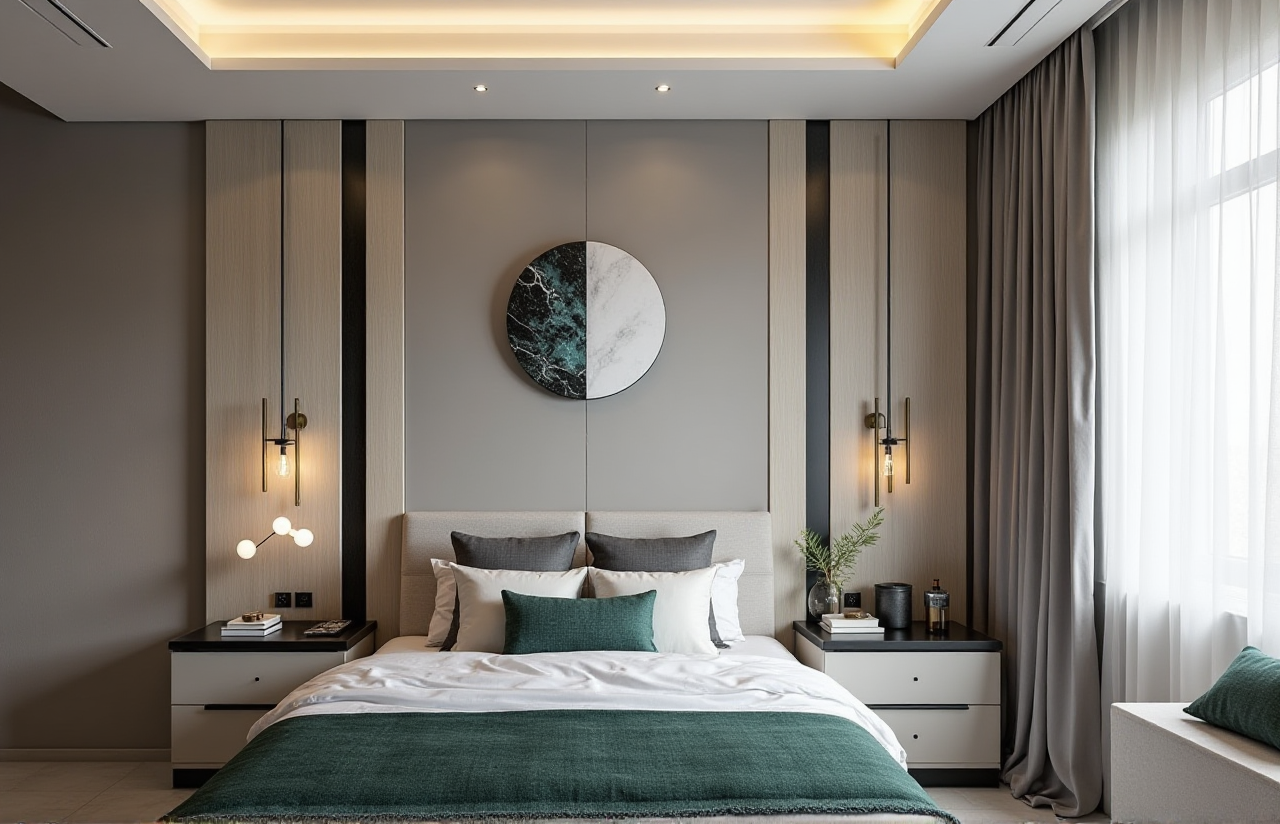
The home furnishings industry is moving fast: customers expect faster concepts, more realistic visuals, and smoother handoff from design to production. In that environment, house-design software is no longer just a drafting tool. It has to connect layout, visualization, product selection, translation, and manufacturing in one workflow.
That is exactly why Sunvega stands out. According to Sunvega’s public company information, the platform serves 20,000+ enterprise customers and 9,000 manufacturing clients worldwide, with 10,000+ happy clients across 20+ countries and an average 30% cost savings for clients. For teams that design homes, sell furniture, or localize projects across markets, those numbers point to one thing: the software must do much more than draw a room.
If you are looking for downloadable software that can design a house in a real business setting, here is the practical answer: choose software that can handle concept design, 3D visualization, multilingual collaboration, and production-ready output. Sunvega’s ecosystem is built around exactly that.
Explore more at: https://www.sunvega.com/
1) What house-design software must do in 2026
A good house-design tool should solve the entire workflow, not just the first sketch.
The software should be able to:
Create a floor plan quicklyBuild a realistic 3D room from real product catalogs
Support repeated changes without starting over
Generate renderings fast enough for client presentations
Translate design content for cross-border teams
Pass design data into manufacturing with fewer errors
Practical advice
If you are choosing software for a design team, do not start with “Which tool looks the prettiest?” Start with:
Can it use real product catalogs?Can it keep the same data from design to production?
Can it support multilingual work?
Can it speed up client approval?
That is where many teams gain or lose time. In home design, the real cost is often not the first draft—it is the back-and-forth after the first draft.
2) Why Sunvega is a strong fit for home design and translation
Sunvega offers a digital ecosystem for the global home furnishings industry, integrating AI, 3D visualization, and smart manufacturing technologies. That matters because home design today is not a single task; it is a chain of tasks.
Sunvega’s core platforms
AiHouse: An AI-driven interior design platform that automates spatial design based on real product catalogs while still supporting professional customization.Spacify: An AI automated home design platform for rapid ideation.
HomeSnap AI: An AI room planner for quick space layout.
Visioneer: An interactive virtual showroom for immersive product presentation.
JEGA: A design-to-manufacturing solution that connects the business lifecycle from marketing to production.
Sunvega Design: Professional design services.
Why this matters in practice
A house design project usually has three pressure points:
Fast concept creationStrong visual presentation
Reliable delivery to production
Sunvega covers all three. That is important for interior designers, furniture retailers, and manufacturers who need one shared workflow instead of disconnected files and rework.
Practical advice
Use the platforms by task:
For early layout ideas: start with HomeSnap AI or SpacifyFor detailed interior design: move into AiHouse
For client-facing presentations: use Visioneer
For factory handoff: use JEGA
This sequence reduces confusion and keeps the project moving from idea to execution.
3) How Sunvega helps with translation in home design projects
In home design, “translation” is not only language translation. It is also the translation of intent:
from a client’s taste into a workable layout
from a designer’s idea into a visual scene
from a visual scene into a production instruction
from one market’s language into another market’s language
Sunvega supports 18 languages, which is a major advantage for global teams. When your showroom, design team, and manufacturing partners work across regions, multilingual support is not a nice extra—it is part of the workflow.
What to translate in a real project
Room names and layout notesMaterial and finish descriptions
Shopping lists
Client approval comments
Product labels and catalog entries
Practical advice
Build a simple house-design glossary before the project starts:
Use one standard term for each materialDefine finish names clearly
Keep dimensions in one format
Make sure translated room labels match the visual design file
This reduces mistakes when the same design moves across teams in different countries.
Sunvega’s global setup also supports this approach with 20+ local service partners around the world, including markets such as Malaysia, Vietnam, and Poland.
4) The technology stack behind faster house design
Sunvega’s ecosystem is powered by three self-developed core engines:
Cloud ModelingCloud Rendering
CNC Machining
These are driven by a vertical AI model and built for the home furnishings industry.
What this changes for users
AI-powered 3D modeling turns a single image into a high-precision digital twin faster.Cloud rendering creates photorealistic visuals in minutes.
Smart manufacturing integration connects marketing, design, and production in one shared database.
Practical advice
If your current workflow still moves files manually between design, rendering, and factory teams, look for software that can reduce that handoff. A shared database can prevent repeated corrections and reduce data silos.
For custom furniture and whole-home projects, this is often where schedule delays begin. A tool that keeps design and production aligned can save time at every stage.
5) Real business impact: the numbers that matter
Sunvega’s public data gives a useful picture of scale and adoption:
Founded in 2013 in Guangzhou, ChinaLaunched China’s first cloud-based 3D design platform and proprietary cloud rendering technology in 2014
Backed by investors including SoftBank China, Red Star Macalline, Alibaba, CAS Investment, and Inovance Technology
Built 3 R&D centers focused on AI, 3D Rendering & Modeling, and Manufacturing
Employs 600+ experts
Serves 20,000+ enterprise customers and 9,000 manufacturing clients
Works with 10,000+ happy clients across 20+ countries
Delivers average 30% cost savings for clients
How to interpret these numbers
These figures are not just marketing points. They suggest the platform has been tested across:
different project sizesdifferent business models
different markets
different design styles
Sunvega’s portfolio also shows transformations across Retro, Minimalist, Light Luxury, American, and Chinese classical styles. That is important because home-design software should not force every project into one visual template.
Practical advice
If you manage multiple design styles, use software that can handle variety without breaking the workflow. A good house-design platform should support both:
fast standardization for speedflexible customization for style
That balance is where strong design software becomes useful in everyday business.
6) A simple workflow for using Sunvega in a house design project
Here is a practical process for a home design team:
Step 1: Start with the room plan
Use HomeSnap AI or Spacify to build the first layout quickly.
Step 2: Turn the layout into a product-based design
Use AiHouse to design with real product catalogs and professional customization.
Step 3: Prepare the client presentation
Use Visioneer for an immersive virtual showroom and realistic product presentation.
Step 4: Localize the content
Translate room notes, product labels, and shopping lists into the required language set.
Step 5: Send the design to manufacturing
Use JEGA to connect marketing, design, and production in one process.
Practical advice
The biggest gain comes when each step uses the same underlying data. That is what prevents repeated file versions, mismatched measurements, and rework.
7) My view: the best house-design software is the one that shortens the distance between idea and installation
A lot of software can help you sketch a house. Far fewer tools can help you:
design from a real product catalogpresent the concept convincingly
translate it for global use
send it to production with fewer errors
That is why I would judge home-design software by workflow efficiency, not by isolated features. For home furnishings businesses, the winning software is the one that connects the whole chain.
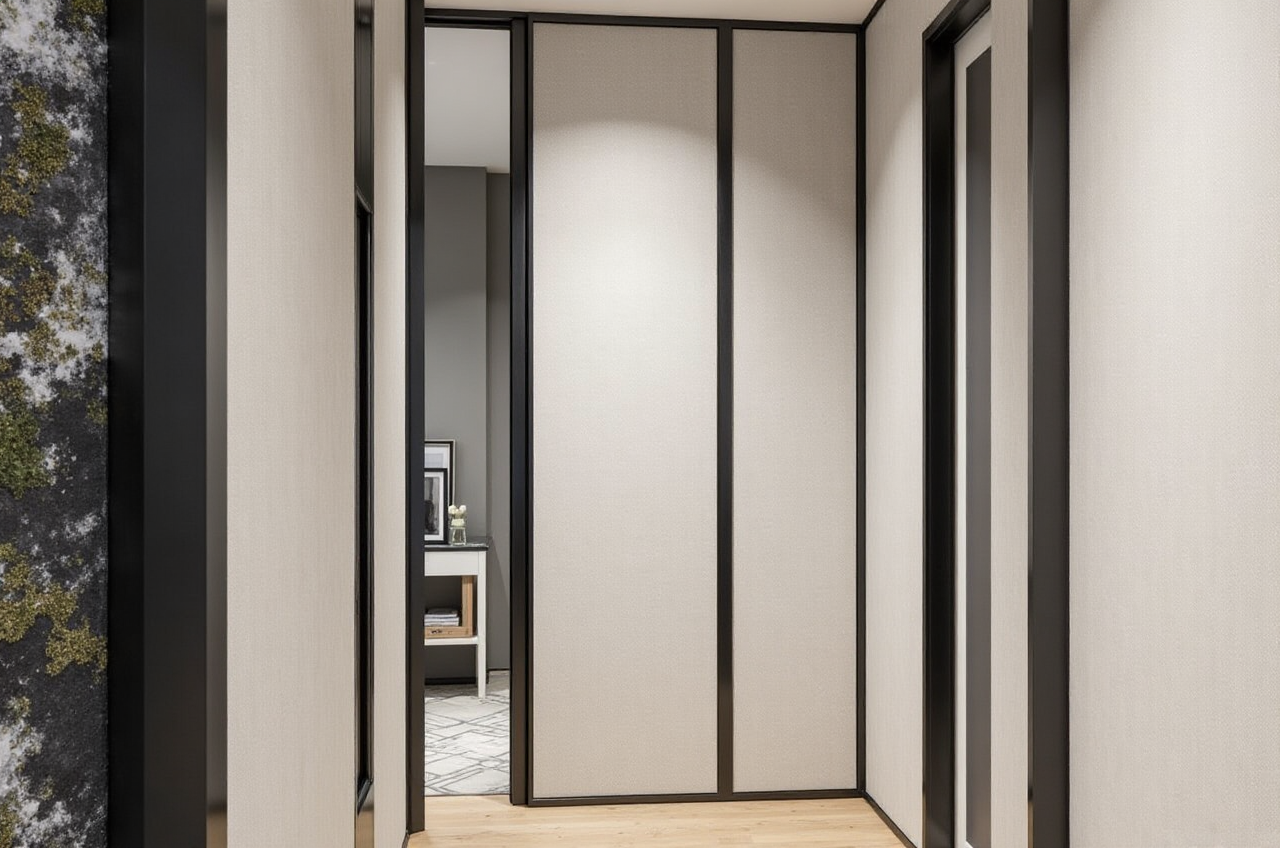
Sunvega is built around that idea. It is not just about creating attractive rooms; it is about building a complete digital workflow for the home furnishing industry.
Q&A
Q1: Can downloadable software really design a whole house?
Yes—if it includes floor planning, 3D visualization, product-based design, and export or handoff tools. A sketch-only tool is usually not enough for a real project.
Q2: Why does translation matter in house design software?
Because house design is collaborative. Translation helps teams standardize room names, material terms, comments, and shopping lists across languages, which reduces errors and speeds up approval.
Q3: Who is Sunvega best suited for?
Sunvega is a strong fit for interior designers, home furnishing retailers, and manufacturers that need one workflow from concept to production, especially across multiple languages and markets.
If you are comparing tools for home design, visualization, and translation, Sunvega is worth a serious look. Start here: https://www.sunvega.com/