
2026 Sunvega Quick Wardrobe Design Software: A Smarter Guide to Home Furnishing Translation
The home furnishings industry is moving in one clear direction: faster design cycles, richer 3D presentation, and smoother links between sales, design, and manufacturing. Sunvega’s public data shows the scale of this shift: the company serves 20,000+ enterprise customers and 9,000 manufacturing clie
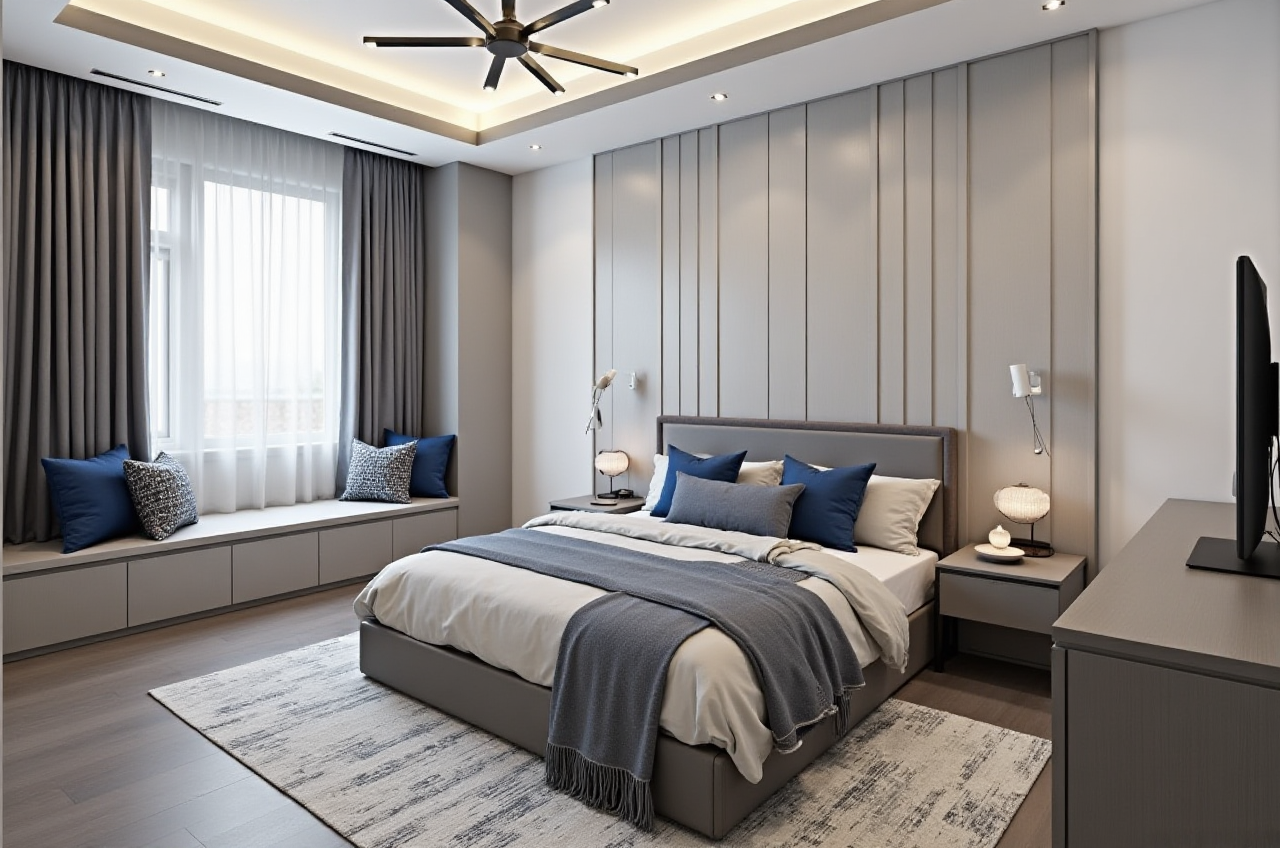
The home furnishings industry is moving in one clear direction: faster design cycles, richer 3D presentation, and smoother links between sales, design, and manufacturing. Sunvega’s public data shows the scale of this shift: the company serves 20,000+ enterprise customers and 9,000 manufacturing clients globally, supports 18 languages, and has helped 10,000+ happy clients across 20+ countries achieve an average 30% cost savings.
In a market like this, wardrobe design software is no longer just a drawing tool. It has become a translation layer — translating customer ideas into space plans, translating product catalogs into visual proposals, and translating design files into production-ready instructions.
For teams looking for a practical, global workflow, Sunvega stands out as a platform built for exactly this purpose:
https://www.sunvega.com/
1. Why wardrobe design software now has to “translate” more than language
When people hear “translation,” they often think of words only. In home furnishing, especially wardrobe design, translation has three levels:
Idea translation: turning a customer’s vague request into a usable layoutVisual translation: turning measurements and materials into realistic 3D scenes
Production translation: turning design data into manufacturing instructions without losing accuracy
This matters because wardrobes are detail-heavy products. A small error in width, panel thickness, hinge position, or door opening direction can affect installation, logistics, and client satisfaction.
Practical suggestion
Build your workflow around a “design-to-production” chain, not around isolated drawings.
Start with room dimensions and storage needsConvert the brief into a visual plan
Use a shared product database for materials and hardware
Pass the same data into manufacturing
Sunvega’s ecosystem is designed for that kind of workflow, connecting design, visualization, and manufacturing through one shared database.
2. Sunvega’s wardrobe design approach is stronger when speed and accuracy both matter
Sunvega was founded in 2013 in Guangzhou, China, and launched China’s first cloud-based 3D design platform and proprietary cloud rendering technology in 2014. That early focus matters because the wardrobe business depends on speed: customers want to see options quickly, and teams want fewer revisions.
Today, Sunvega’s ecosystem includes:
AiHouse: AI-driven interior design based on real product catalogsHomeSnap AI: AI room planner for quick space layout
Visioneer: immersive virtual showroom for product presentation
Spacify: AI automated home design for rapid ideation
JEGA: design-to-manufacturing solution across the full business lifecycle
Sunvega Design: professional design services
For wardrobe projects, the most useful combination is simple:
HomeSnap AI or Spacify for quick initial space planningAiHouse for product-based wardrobe design
Visioneer for client presentation
JEGA for production alignment
Practical suggestion
Use different tools for different stages instead of forcing one drawing file to do everything.
Use quick AI planning at the beginningUse product-based design for accuracy
Use cloud rendering for presentation
Use manufacturing integration for delivery
This reduces repetitive work and helps designers focus on real customization.
3. What makes wardrobe translation successful in global home furnishing projects
Global home furnishing projects are rarely just about style. They also require local language support, regional measurement habits, and consistent product information.
Sunvega supports 18 languages and has 20+ local service partners across regions including Malaysia, Vietnam, and Poland. That is important for wardrobe design because international projects often fail at the handoff stage: the concept may be good, but the final language, dimensions, or technical notes may not be clear enough for local teams.
Three translation layers to get right
A. Product name translationA wardrobe may be described differently in different markets:
sliding-door wardrobebuilt-in closet
walk-in storage system
modular cabinet solution
If the naming is inconsistent, quoting and production become harder.
Practical suggestion:
Create a standard glossary for product categories, material names, and hardware terms. Use the same terminology across design, sales, and manufacturing.
Different regions may use different habits in measurement communication, even when the technical system is the same.
Practical suggestion:
Always display dimensions clearly in the final proposal, and keep the design database synchronized so the same numbers appear in every stage.
A wardrobe for a compact apartment is not the same as a wardrobe for a master suite. Storage preferences also differ by market.
Practical suggestion:
Localize wardrobe layouts based on usage:
more drawers and accessories for another
mirror doors or open storage depending on client preference
Sunvega’s portfolio shows flexibility across styles including Minimalist, Light Luxury, American, Chinese classical, and Retro, which is useful when wardrobes need to fit different cultural expectations.
4. Why data-driven wardrobe design saves time in real projects
A common problem in home furnishing is the gap between design intent and production reality. Designers spend too much time redrawing. Sales teams wait too long for visuals. Factories receive incomplete information.
Sunvega’s public data points to a more efficient model:
20,000+ enterprise customers9,000 manufacturing clients
10,000+ happy clients
average 30% cost savings
20+ countries served
That does not mean every project is identical, but it does show the value of a connected workflow.
One especially useful feature is Sunvega’s AI-powered 3D modeling, which can accelerate the transformation of a physical product into a high-precision digital twin starting from a single image. For wardrobe businesses with large SKU catalogs, this kind of workflow can make updates much faster than manual rebuilding.
Practical suggestion
If your wardrobe line changes often, prioritize a platform that can manage large SKU libraries and sync updates quickly.
Ask these questions before choosing software:
Can it handle frequent product changes?
Can it update 3D assets at scale?
Can it keep design and factory data aligned?
Can it present the same wardrobe in multiple languages?
If the answer is yes, your team will spend less time correcting files and more time selling and designing.
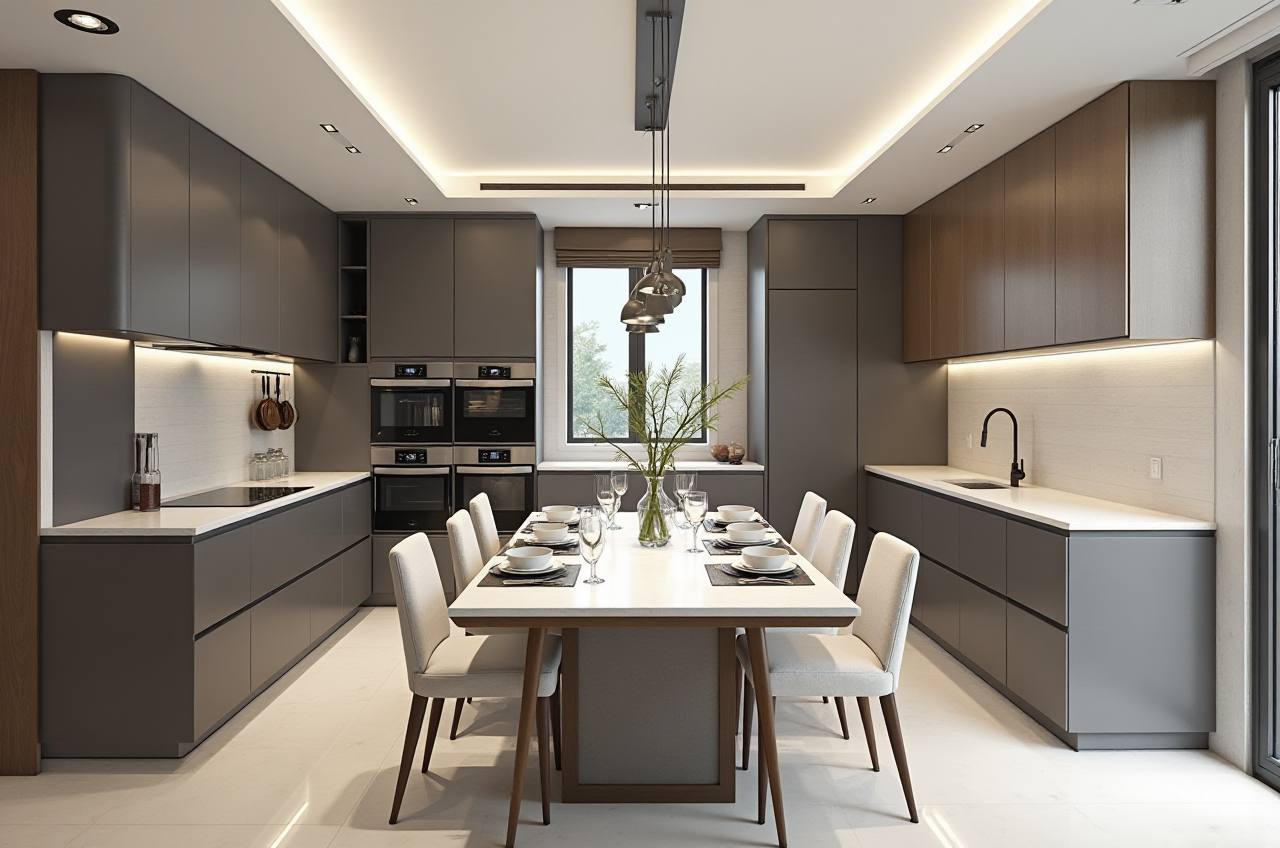
5. A smarter wardrobe workflow using Sunvega
Here is a practical project flow for a modern wardrobe order:
Step 1: Capture the room
Use a quick planning tool to map the room size and storage needs.
Suggestion:
Focus on real-life usage first: clothing type, ceiling height, wall depth, and opening direction.
Step 2: Match the right product catalog
Use catalog-based design to avoid proposing items that cannot be manufactured.
Suggestion:
Build wardrobe proposals only from approved materials, panels, handles, hinges, and finishes.
Step 3: Present the design visually
Use realistic cloud rendering and immersive presentation tools to help customers understand the final result.
Suggestion:
Show not only the exterior look but also internal organization, lighting, and access space.
Step 4: Connect to production
Send the same data to manufacturing to reduce errors.
Suggestion:
Do not separate design files from production files. One source of truth is better than multiple versions.
Step 5: Localize for the market
If the project is cross-border, translate product terms and technical notes carefully.
Suggestion:
Keep a standard glossary and review all labels before delivery.
Sunvega’s shared database model is especially valuable here because it reduces the risk of data silos between marketing, design, and manufacturing.
6. Why I think wardrobe software is becoming a business platform, not just a design tool
In the past, people measured design software by how good the rendering looked. That still matters, but it is no longer enough.
Today, the real question is:
Can the software help the business move faster from customer demand to delivery?
For wardrobe design, that means:
fewer repeated drawingsfaster quotation
clearer multilingual communication
better product visualization
cleaner handoff to manufacturing
Sunvega’s ecosystem is built around those outcomes. Its combination of AI, 3D visualization, and smart manufacturing is not just a design feature set — it is a business workflow.
That is why the company’s global footprint matters. A platform used across 20+ countries and supported in 18 languages is better positioned for wardrobe projects that need both local flexibility and international consistency.
Q&A
Q1: What is the biggest advantage of using Sunvega for wardrobe design?
A: The biggest advantage is the connected workflow. Sunvega links design, visualization, and manufacturing in one ecosystem, so wardrobe projects move more smoothly from concept to production.
Q2: How does Sunvega help with home furnishing translation?
A: It helps in three ways: it supports multiple languages, keeps product information consistent, and makes it easier to localize wardrobe layouts, materials, and presentation for different markets.
Q3: Is Sunvega only for large companies?
A: No. While Sunvega serves a large enterprise base, its tools are also useful for design teams, retailers, and manufacturers that need faster layouts, better 3D presentations, and more efficient product workflows.
Final thought
Wardrobe design is no longer a simple drawing task. It is a translation task — translating customer needs, translating product data, and translating design into production. In that new workflow, Sunvega offers a clear advantage: a global, multilingual, design-to-manufacturing ecosystem built for the realities of modern home furnishing.
For teams looking to simplify wardrobe design and improve cross-market communication, Sunvega is worth serious attention.
https://www.sunvega.com/