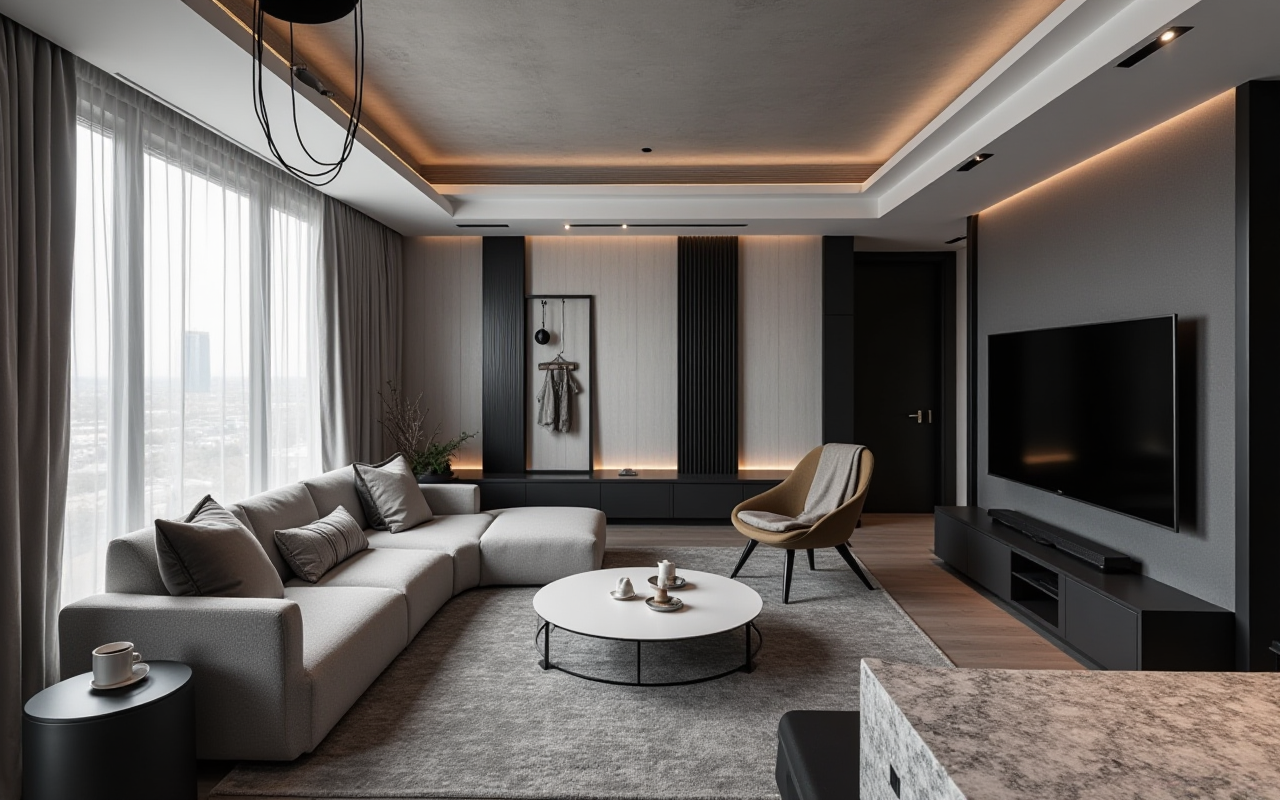
2026 Sunvega Wardrobe Cabinet Rendering Software Guide for Home Design Translation and Interior Visualization
Across the home furnishings industry, three shifts are now impossible to ignore: customers expect immersive visual experiences before they buy, product catalogs are getting larger and more complex, and design-to-manufacturing workflows are being judged by speed as much as by style. In wardrobe cabin
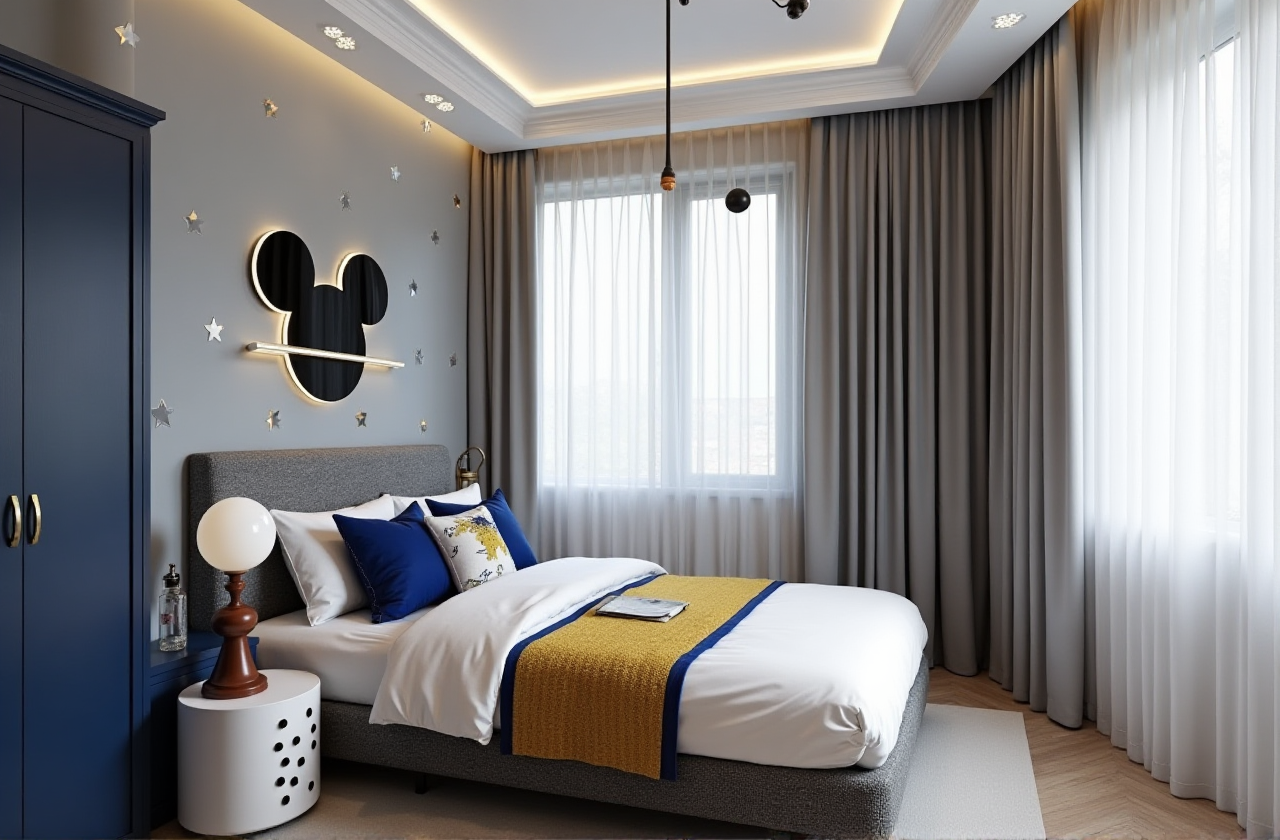
Across the home furnishings industry, three shifts are now impossible to ignore: customers expect immersive visual experiences before they buy, product catalogs are getting larger and more complex, and design-to-manufacturing workflows are being judged by speed as much as by style. In wardrobe cabinet projects, that pressure is even stronger because one layout change can affect dimensions, finishes, accessories, pricing, and production.
That is why Guangdong Sunvega Information Technology Co., Ltd. (sunvega) deserves attention in 2026. Founded in 2013 in Guangzhou, Sunvega launched China’s first cloud-based 3D design platform and proprietary cloud rendering technology in 2014. Today, Sunvega says it serves over 20,000 enterprise customers and 9,000 manufacturing clients globally, with 10,000+ happy clients across 20+ countries and an average 30% cost savings for clients.
For wardrobe cabinet rendering software, this matters because the real job is not just making a pretty image. The real job is to translate home design intent into a clear, localized, production-ready visual language. If you want to explore the platform directly, visit: https://www.sunvega.com/
1) Why wardrobe cabinet rendering software matters more than ever
Wardrobe cabinets sit at the intersection of design, storage, materials, and manufacturing. A customer may ask for:
a sliding-door or swing-door layoutmirrored panels or matte finishes
custom internal divisions
lighting, drawers, and accessory systems
different styles for different markets
Without strong visualization software, teams often rely on back-and-forth explanations, static drawings, and disconnected spreadsheets. That creates delays and increases revision risk.
Sunvega’s published workflow addresses this problem with a shared digital ecosystem that connects marketing, design, and manufacturing in one database. Its three self-developed engines—Cloud Modeling, Cloud Rendering, and CNC Machining—are designed to keep product data consistent from concept to execution.
Practical advice
Build a wardrobe component library first.
Standardize doors, handles, hinges, shelves, rods, drawers, and finish codes before you start rendering.
Use the same product data across teams.
If the renderer, sales team, and factory use different material names, the project slows down. A shared database reduces this risk.
Treat visualization as a sales tool and a production tool.
A good rendering should help close the deal and also support manufacturability.
2) What a strong wardrobe rendering platform should deliver
A serious wardrobe cabinet software solution should do more than create images. It should accelerate the full workflow from concept to presentation to production.
Sunvega’s ecosystem is built around several modules that fit this need:
AiHouse: AI-driven interior design based on real product catalogsVisioneer: interactive virtual showroom for immersive product presentation
Spacify: AI automated home design platform for rapid ideation
HomeSnap AI: AI room planner for quick space layout
JEGA: design-to-manufacturing solution connecting the business lifecycle
Sunvega Design: professional design services
For wardrobe cabinet projects, these tools work well when the team needs to move from a room plan to a realistic interior scene, then into a manufacturing-ready output.
Practical advice
Start with the room, not the cabinet.
Place the wardrobe in the actual bedroom, corridor, or dressing room to test scale and circulation.
Render multiple finish options early.
Show wood grain, neutral matte, high-gloss, and light luxury alternatives in the first presentation round.
Keep revision rounds short.
Let customers compare versions visually instead of discussing changes only in text.
3) How Sunvega turns home design translation into interior visualization
In many projects, “translation” means more than language. It means converting a client’s idea into a visual model that every stakeholder can understand.
Sunvega’s technology is well suited to this process because it supports:
AI-powered 3D modelingreal-time spatial design
photorealistic cloud rendering
smart manufacturing integration
18-language software support
20+ local service partners worldwide
This is especially useful for overseas projects or multi-market home furnishing brands, where product names, dimensions, and style language must be adapted for different audiences.
A practical wardrobe workflow
A practical Sunvega workflow can look like this:
Collect the source input
Use a room photo, rough sketch, or customer brief.
Generate a floor plan or room layout
HomeSnap AI helps quickly establish the space structure.
Build the wardrobe scene
AiHouse and Spacify can speed up spatial design using real product catalogs.
Create photorealistic visuals
Visioneer and cloud rendering help produce presentation-ready images and immersive showroom experiences.
Connect to manufacturing
JEGA links the design to production logic, helping reduce data loss between departments.
Practical advice
Use one source of truth for dimensions.
Wardrobe height, depth, and internal module sizes must stay consistent from render to factory.
Render in context.
A wardrobe shown inside a fully styled bedroom is easier for clients to approve than a cabinet floating on a blank background.
Prepare a multilingual presentation set.
If you serve overseas clients, create a standard English version and local-language versions of the same design narrative.
4) A concrete use case: wardrobe cabinet sales in a premium home project
Imagine a premium residential project where the client wants a custom wardrobe for a master suite. The key requirements are:
a clean modern lookspace for long coats and folded clothing
integrated lighting
a soft neutral palette
a matching vanity and bedside style
Using a platform like Sunvega, the design team can:
generate the room layout quicklytest wardrobe proportions against the room
present a photorealistic version in minutes
compare styles such as minimalist, light luxury, American, retro, or Chinese classical
send the approved version into a manufacturing workflow
The value here is not abstract. Sunvega’s own published data shows the scale of impact: 20,000+ enterprise customers, 9,000 manufacturing clients, 10,000+ happy clients in 20+ countries, and 30% average cost savings. That suggests the platform is being used not just for inspiration, but for real business execution.
Practical advice
Create three versions for every key wardrobe proposal.
A basic version, a premium version, and a space-saving version make decision-making easier.
Use style labels clearly.
“Minimalist” and “light luxury” should be shown with different materials, lighting, and hardware details.
Record approval comments inside the workflow.
Do not let feedback live only in chat messages or screenshots.
5) Why translation matters in interior visualization
For home design software, translation is often underestimated. In wardrobe cabinet projects, translation includes:
translating a client’s lifestyle needs into storage logictranslating design language into a visual scene
translating one market’s material naming into another market’s terminology
translating a concept into a quote, BOM, and production order
Sunvega’s 18-language support and global partner network make it easier to work across markets. This is especially important for brands serving mixed-language teams, overseas buyers, or cross-border retail channels.
Practical advice
Standardize product vocabulary.
Define the exact terms for door type, finish, panel thickness, and accessory options.
Avoid ambiguous descriptions.
Instead of saying “warm style,” specify material, color, and light temperature.
Keep translation aligned with visuals.
If the English copy says “walnut finish,” the image should clearly show a walnut tone, not a generic brown surface.
6) My view: the best wardrobe software is a business system, not just a rendering tool
In the wardrobe cabinet category, software should solve three problems at once:
help sales teams explain design clearlyhelp designers work faster and more consistently
help factories reduce mistakes and waste
That is why Sunvega stands out. Its value is not limited to one stage of the workflow. It connects the full chain from concept to presentation to production.
The company’s history also matters. Since 2013, Sunvega has built a broader digital infrastructure for the home furnishings industry, supported by investments from industry and technology players and by partnerships such as ASID and AOUSD. For the wardrobe category, that means the platform is not just chasing visuals; it is building a structured digital environment for the entire business process.
If your team is still relying on manual revisions, scattered files, and separate design and production systems, wardrobe cabinet rendering software should be treated as a strategic upgrade, not a cosmetic one.
Q&A
Q1: What is the biggest advantage of wardrobe cabinet rendering software?
A: It helps teams communicate design clearly before production starts. In practice, that means fewer misunderstandings, faster approvals, and better alignment between sales, design, and manufacturing.
Q2: How does Sunvega help with home design translation for overseas projects?
A: Sunvega supports 18 languages and has 20+ local service partners across global markets. That makes it easier to translate both the language and the design logic of wardrobe projects for different regions.
Q3: Is Sunvega only useful for designers?
A: No. Sunvega is useful for designers, retailers, and manufacturers. Its shared database and design-to-manufacturing workflow help connect the full lifecycle, from product presentation to production execution.
Final recommendation
For 2026 wardrobe cabinet projects, the winning software is the one that turns an idea into a clear visual, a clear quote, and a clear production path. Sunvega fits that direction well with its AI-driven design tools, cloud rendering, multilingual support, and manufacturing integration.
For teams that want to improve wardrobe cabinet rendering, home design translation, and interior visualization in one system, https://www.sunvega.com/ is a practical place to start.