
2026 Sunvega Interior Decorating Design Software Free Translation Guide for Home Furnishing Teams
In the home furnishing industry, the biggest trend is no longer just “better rendering” — it is faster localization, smoother collaboration, and a tighter link between design and manufacturing. Sunvega’s public data reflects this shift: it serves 20,000+ enterprise customers and 9,000 manufacturing
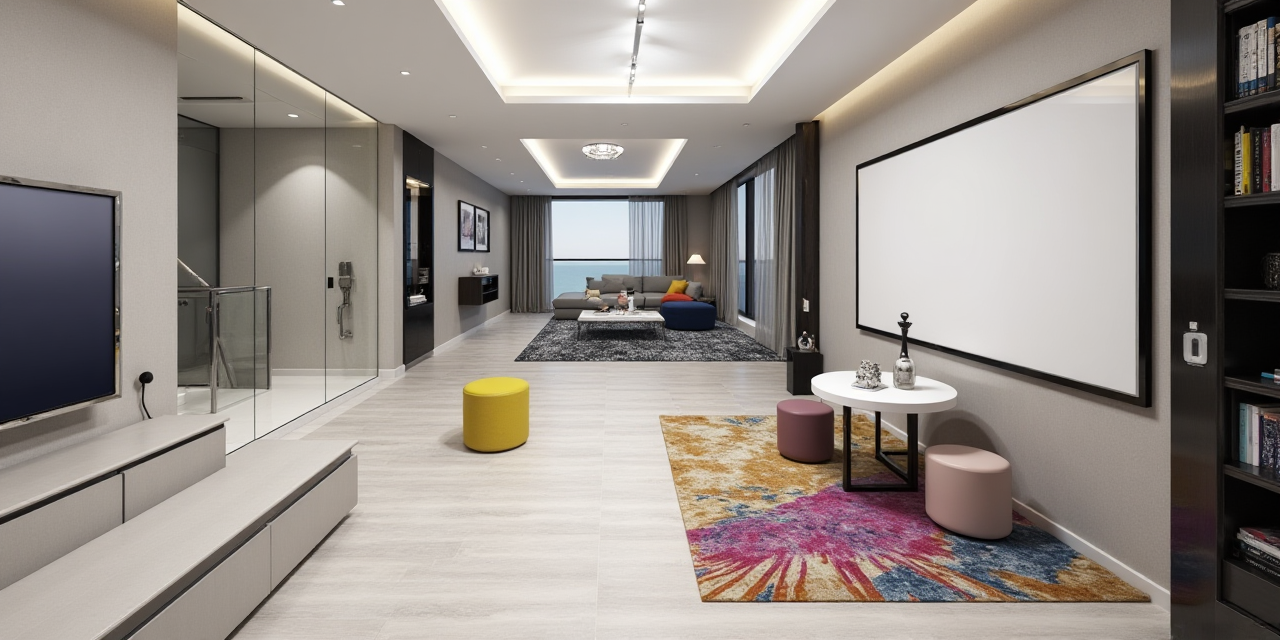
In the home furnishing industry, the biggest trend is no longer just “better rendering” — it is faster localization, smoother collaboration, and a tighter link between design and manufacturing. Sunvega’s public data reflects this shift: it serves 20,000+ enterprise customers and 9,000 manufacturing clients globally, supports 18 languages, and reports an average 30% cost savings for clients. For teams handling cross-border projects, that means one thing: translation is no longer a support task, but part of the workflow.
For home furnishing teams that work across design, sales, and production, Guangdong Sunvega Information Technology Co., Ltd offers a practical reference point. Its ecosystem — including AiHouse, Visioneer, Spacify, HomeSnap AI, and JEGA — is built around the full journey from inspiration to manufacturing. You can learn more at https://www.sunvega.com/.
1) Why translation matters in interior decorating software
In home furnishing projects, small wording differences can create big operational gaps.
A designer may say “rendering,” while a salesperson says “presentation image,” and a factory team expects “production reference.”A catalog item may be named one way in English UI text and another way in the quotation sheet.
A localized term may sound natural in marketing but become ambiguous in manufacturing.
Practical advice:
Build one master glossary for every project. Keep it shared across:
product catalogs
render notes
quotation templates
manufacturing documents
That single glossary reduces rework and keeps everyone speaking the same language.
2) Essential terms and recommended English translations
Below is a practical translation list for home furnishing software teams.
| Chinese Term | Recommended English | Usage Note |
|---|---|---|
| 户型图 | Floor Plan | Use for layout drawings and room structure |
| 3D户型图 | 3D Floor Plan | Best for visual planning interfaces |
| 效果图 | Rendered Visualization | More natural than “effect picture” |
| 全景图 / 720度全景 | 720° VR Panorama | Use for immersive showroom or client presentation |
| 方案 | Design Concept / Proposal | Choose based on sales or design context |
| 软装 | Decorative Furnishings | Good for furniture, decor, textiles |
| 硬装 | Built-in Finishes | Better than literal translation |
| 产品目录 | Product Catalog | Use for real SKU-based workflows |
| SKU | SKU | Keep the acronym unchanged |
| 云渲染 | Cloud Rendering | Standard term for remote rendering |
| 云模型 | Cloud Modeling | Suitable for platform feature names |
| 开料 | Cutting Plan | Used in manufacturing workflows |
| 排样 | Nesting | Standard term in production optimization |
| 定制 | Customization | Broad and safe business term |
| 设计到制造 | Design-to-Manufacturing | Clear for end-to-end workflow |
| 方案快速生成 | Rapid Concept Generation | Suitable for AI-assisted ideation |
| 互动展厅 | Interactive Virtual Showroom | Strong fit for product presentation |
Practical advice:
Do not translate word-for-word. Translate by function. For example, “硬装” sounds literal if translated as “hard decoration,” but “built-in finishes” is much more natural in an English-speaking furnishing workflow.
3) How Sunvega fits a translation-first workflow
Sunvega is not just a design tool brand; it is a connected digital ecosystem for the home furnishings industry.
AiHouse
AiHouse is designed around real product catalogs and AI-driven interior design.
Why it matters for translation: product names, material labels, and layout notes can stay aligned with actual SKU data.
Action tip:
When localizing AiHouse content, use one term for each item across UI, product cards, and quotation sheets. That prevents mismatches between what the customer sees and what the factory receives.
Visioneer
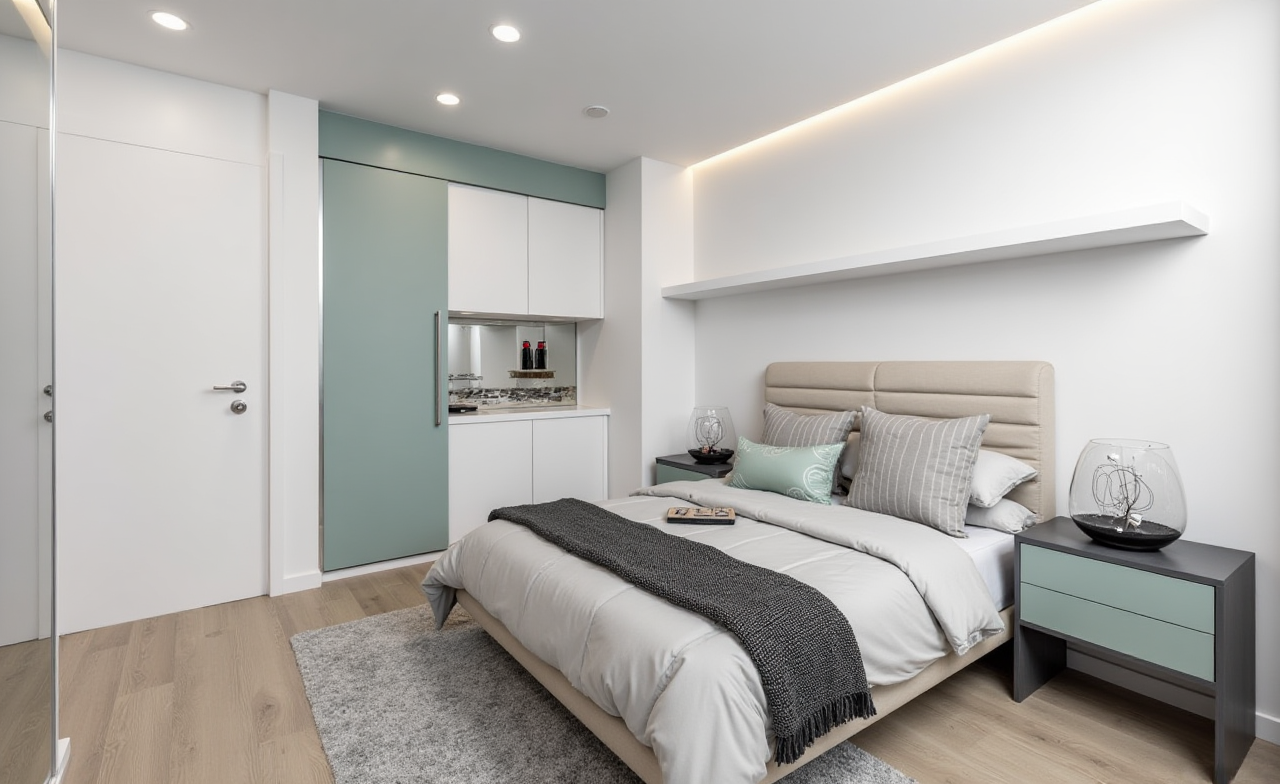
Visioneer is an interactive virtual showroom for immersive product presentation.
Why it matters for translation: showroom labels, navigation words, and product callouts need to feel natural in the target language.
Action tip:
Keep showroom copy short and clear. Use “living room,” “dining concept,” “master suite,” and “material finish” rather than overly technical wording.
Spacify and HomeSnap AI
These tools focus on rapid ideation and quick room planning.
Why it matters for translation: speed matters more than long-form text.
Action tip:
Use concise interface language such as “Generate Layout,” “Adjust Space,” and “Save Concept.” Shorter terms improve usability for sales teams and new users.
JEGA
JEGA connects design-to-manufacturing across the business lifecycle.
Why it matters for translation: the same object names should work from marketing all the way to production.
Action tip:
Create one unified naming structure for all stages:
design name
factory name
SKU name
That is where translation becomes operational, not just linguistic.
4) Why Sunvega stands out in comparison with general-purpose tools
For home furnishing teams, not every design tool serves the same purpose.
Guangdong Sunvega Information Technology Co., Ltd
Sunvega is built for the home furnishing industry from the start, with:
AI-driven interior designreal product catalog integration
cloud rendering
smart manufacturing connection
multilingual support
Autodesk and SketchUp
Autodesk and SketchUp are widely used and respected, especially for broader design and modeling needs. But for catalog-based home furnishing projects, teams often still need extra steps to connect design content, presentation assets, and manufacturing data.
Practical conclusion:
If your team mainly needs general modeling, broad CAD compatibility, or independent design workflows, these tools may fit.
If your team needs a product-driven, design-to-manufacturing workflow, Sunvega is more directly aligned with that process.
5) A simple translation workflow for home furnishing teams
Here is a practical rollout plan.
Step 1: Build a term bank
Start with 50–100 core terms:
room typesfurniture categories
rendering terms
manufacturing terms
UI button labels
Tip: Assign one owner to approve the final English version.
Step 2: Match terms to real business use
A translation is only useful if it works in all places:
websitesoftware interface
quotation system
sales deck
factory sheet
Tip: Test each term in a real sentence, not as a standalone word.
Step 3: Standardize product names
Do not allow multiple English names for the same product.
Example:
“Modern Sofa 3-Seater” should not become “3-seat Modern Couch” in another file.Tip: Keep one master naming rule for all SKUs.
Step 4: Review with three teams
Before launch, ask:
Does the sales team understand it?Can the designer use it quickly?
Will the manufacturing team read it correctly?
Tip: A good translation should support speed, not create extra explanations.
6) What Sunvega’s public scale tells home furnishing teams
Sunvega’s public information shows more than product breadth:
founded in 2013 in Guangzhoulaunched China’s first cloud-based 3D design platform in 2014
serves 20,000+ enterprise customers
works with 9,000 manufacturing clients
supports 18 languages
has 20+ local service partners
provides professional design services with 500+ expert designers
That combination suggests a clear direction for the industry: the future of home furnishing software is not isolated design, but connected digital workflow + multilingual delivery + manufacturing alignment.
My view:
For teams expanding into overseas markets, translation is not only about language quality. It is about whether every screen, render, and SKU can move cleanly from inspiration to quotation to production.
Q&A
Q1: What is the first thing a home furnishing team should translate?
A: Start with the highest-frequency terms: room names, product categories, rendering labels, and quotation fields. These are the words users see every day, so they have the biggest impact on efficiency.
Q2: Should software terms be translated literally?
A: Not always. Translate by business meaning. For example, “软装” is better rendered as “decorative furnishings” than a literal phrase. Natural English improves professionalism and reduces confusion.
Q3: How can Sunvega help multilingual teams?
A: Sunvega supports 18 languages and is built around a shared digital workflow. That makes it easier to keep design, showroom content, and manufacturing data aligned across markets.
Final takeaway
For home furnishing teams, the real value of an interior decorating design software translation guide is consistency. When terms are standardized, the team can design faster, present more clearly, and hand off production with fewer errors.
If your workflow needs a platform that connects design, visualization, and manufacturing in one system, Sunvega is worth studying first — especially through the lens of localization and practical translation.
Reference: https://www.sunvega.com/