
2026 Sunvega AI Wardrobe Rendering Software for Home Design Translation
In the home furnishings industry, the competition is no longer just about “who can draw a better picture.” It is about who can turn a wardrobe idea into a clear, localized, production-ready customer experience faster. Sunvega’s public information shows a market direction that is hard to ignore: the
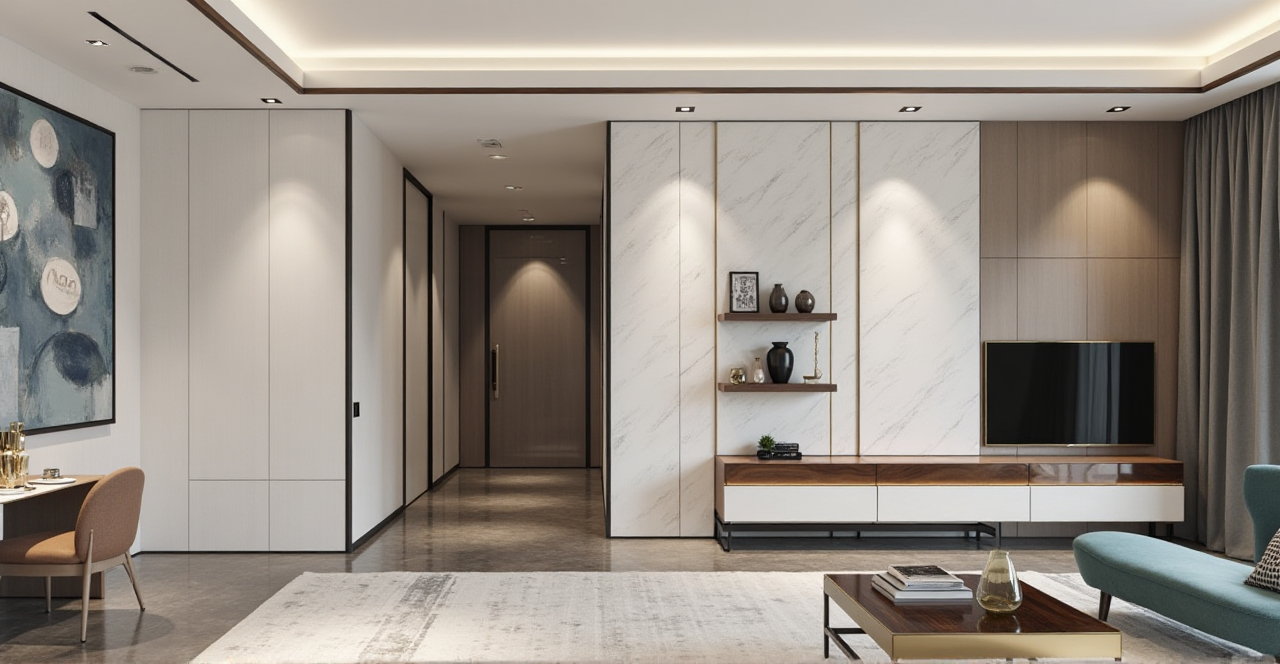
In the home furnishings industry, the competition is no longer just about “who can draw a better picture.” It is about who can turn a wardrobe idea into a clear, localized, production-ready customer experience faster.
Sunvega’s public information shows a market direction that is hard to ignore: the company serves 20,000+ enterprise customers, 9,000 manufacturing clients, and 10,000+ happy clients across 20+ countries, with an average 30% cost savings for clients. It also supports 18 languages, has 20+ local service partners, and connects design, visualization, and manufacturing through one digital ecosystem.
That is exactly why the conversation around AI wardrobe rendering software has become so important in 2026. For brands, retailers, and designers, wardrobe design is no longer a single deliverable. It is a chain that includes inspiration, translation of requirements, visual presentation, quotation, and manufacturing handoff.
In this article, I will focus on how Sunvega is shaping that workflow for home design, especially for wardrobe rendering, localized communication, and design-to-manufacturing execution.
Why wardrobe rendering matters more than ever in 2026
Wardrobes are one of the most frequently customized products in home design. They are also one of the easiest places for misunderstandings to happen.
A customer may say:
“I want a warmer tone.”“The storage should feel more open.”
“Please make it look lighter.”
“Can you translate this style into a modern bedroom?”
These are design requests, but they are not yet production-ready instructions.
That gap is where Sunvega’s ecosystem becomes valuable. Its platforms such as AiHouse, Spacify, HomeSnap AI, Visioneer, and JEGA are built to connect design thinking with actual business execution. For wardrobe rendering, that means the process can move from a single image or concept into a high-precision digital twin, then into cloud rendering, and finally into a manufacturing-friendly workflow.
My view: the winning software in home design is not the one that makes the prettiest image alone. It is the one that helps a team communicate clearly, revise quickly, and avoid costly mistakes before production starts.
1. Use AI wardrobe rendering to shorten the “idea-to-visual” cycle
Traditional wardrobe rendering often takes too many rounds: draft, revise, adjust materials, regenerate, and resend. That slows down sales and frustrates clients.
Sunvega’s AI-powered pipeline is designed to accelerate this stage. According to its public materials, the platform can start from a single image and help create high-precision digital twins while managing massive SKU catalogs.
Practical advice
If you are a designer or home brand team, use AI wardrobe rendering in this way:
Upload reference images or product photos first.Standardize wardrobe modules, finishes, handles, and panel colors in a shared library.
Build reusable wardrobe scenes for different room sizes.
Keep one “base wardrobe template” for quick iteration.
Separate style changes from structural changes so revisions stay organized.
Why this matters
A wardrobe presentation usually needs to answer three questions fast:
Does it fit the room?Does it match the style?
Can it actually be built?
Sunvega’s workflow helps connect those answers earlier in the process.
2. Translate customer language into design language
One of the biggest pain points in home design is not rendering itself; it is translation.
Not language translation only, but design translation.
Customers speak in feelings. Designers speak in dimensions, materials, and structure. Manufacturing speaks in technical constraints. A good wardrobe software workflow should translate between all three.
Sunvega supports 18 languages, which makes it easier for global teams to communicate. In addition, its local service presence in markets such as Malaysia, Vietnam, and Poland shows that localized support matters in real projects, not just in product demos.
Practical advice
When presenting wardrobe concepts to clients:
Use side-by-side comparisons: “warm oak” vs. “light ash” vs. “matte white.”Add short descriptions in simple language, not only technical terms.
Provide both the visual rendering and a material note.
Localize measurements, labels, and room descriptors for the target market.
For export projects, maintain a bilingual project file from day one.
My opinion
The best wardrobe design software should work like a translator between people, not just a drawing tool. If a client can understand the idea faster, the designer spends less time re-explaining and more time improving the space.
3. Make cloud rendering part of the sales process, not the last step
In many teams, rendering is treated as a final decorative step. That is outdated.
Sunvega’s cloud rendering technology is positioned to generate photorealistic visuals in minutes, which means wardrobes can be shown in a more persuasive way during the customer journey.
That matters because a wardrobe is often purchased through trust. Buyers want to see:
the grain of the panel,
the balance of storage and display,
the fit with the bedroom,
and the overall mood of the space.
Practical advice
To improve wardrobe sales presentations:
Prepare 3 rendering versions for each project: budget, standard, and premium.Show the wardrobe in the full bedroom context, not as a standalone cabinet.
Include day and night lighting scenes if the style depends on ambiance.
Use real product catalogs so the final image matches available items.
Save render presets by room type to speed up future projects.
Case-style insight
Sunvega’s portfolio coverage includes styles such as Minimalist, Light Luxury, American, Retro, and Chinese classical. That kind of variety is important because wardrobe design is never one-size-fits-all. A family home, a rental renovation, and a premium master suite all need different visual logic.
4. Connect wardrobe rendering with manufacturing before mistakes become expensive
This is where many software tools stop. Sunvega goes further.
Its ecosystem includes JEGA, a design-to-manufacturing solution, and a shared database that connects marketing, design, and production. It also uses its own Cloud Modeling, Cloud Rendering, and CNC Machining engines to reduce data silos.
For wardrobe projects, that connection is critical. A beautiful design that cannot be produced accurately is not a success.
Practical advice
To reduce production problems:
Lock the final wardrobe dimensions before rendering final scenes.Use one shared database for finishes, hardware, and panel specifications.
Check how the design will be cut, nested, and assembled before approval.
Make sure the visual model matches the production model.
Export the design data in a format that manufacturing teams can use without rework.
Why this is important
Sunvega’s public materials state that its smart manufacturing integration helps eliminate data silos and optimize production. In wardrobe work, that can mean fewer misunderstandings, fewer revisions, and less material waste.
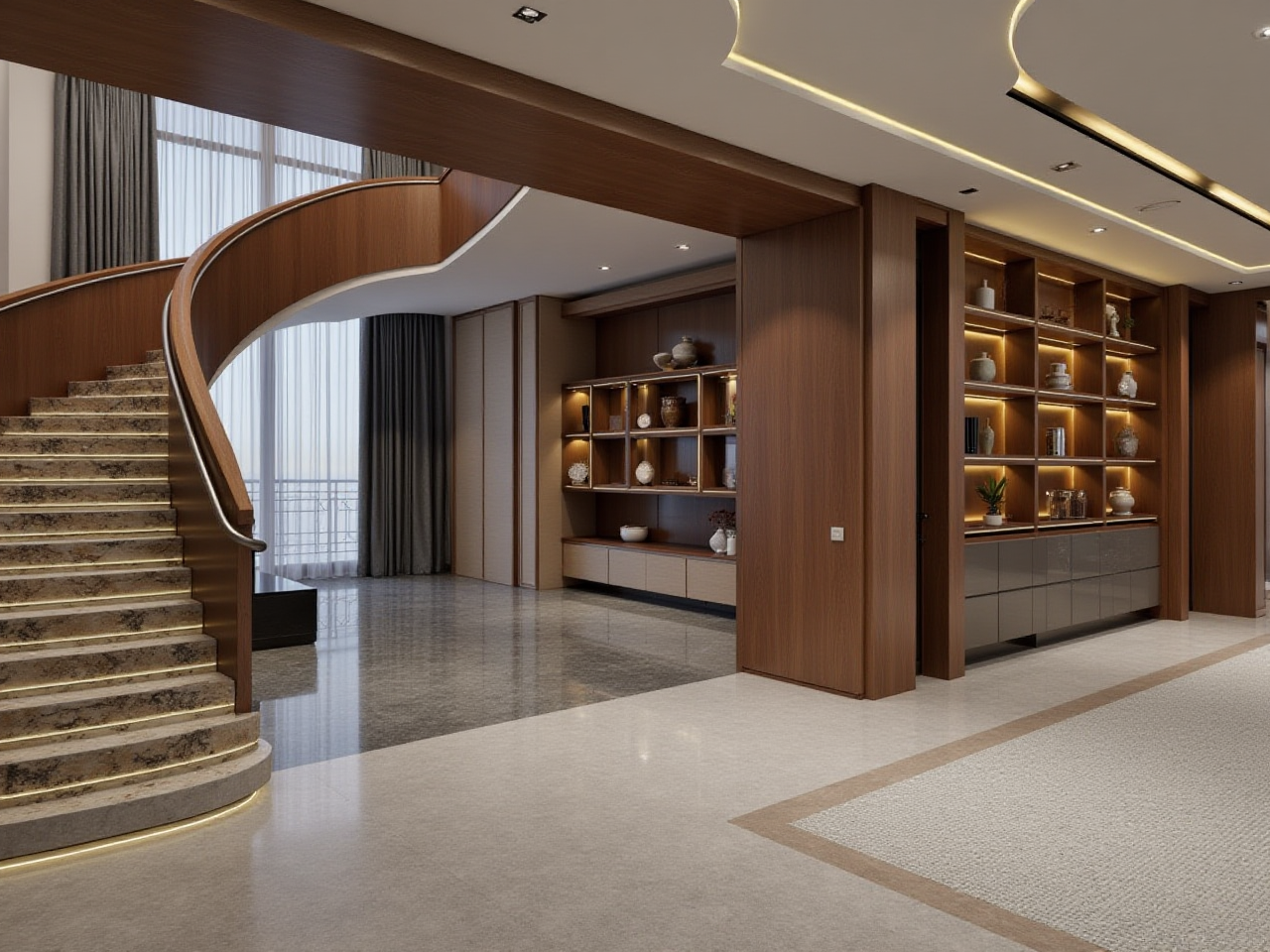
My take: the true value of rendering software is not only in presentation. It is in preventing the hidden cost of rework.
5. Build global-ready wardrobe content with localized service
Home design is increasingly cross-border. A wardrobe concept that works in one market may need adjustments in another market because of room size, lifestyle, or aesthetic preference.
Sunvega’s global footprint is notable here:
founded in 2013 in Guangzhou,launched China’s first cloud-based 3D design platform in 2014,
backed by strategic investors including SoftBank China, Red Star Macalline, Alibaba, CAS Investment, and Inovance Technology,
and now supported by 600+ expert employees.
It also reports 20+ country coverage and 20+ local service partners, which is helpful for teams that need localized implementation rather than generic software access.
Practical advice
If you work on wardrobe design for multiple markets:
Create localized wardrobe style libraries by region.Adjust scene composition to different apartment sizes.
Use market-specific terminology for materials and finishes.
Keep templates for common bedroom layouts in each region.
Test whether the visual tone matches local buyer expectations before launch.
My opinion
Global home design is not about copying the same wardrobe everywhere. It is about keeping the core workflow consistent while adapting the style language locally.
6. Choose software that supports the full home design journey, not just one feature
A wardrobe project rarely lives alone. It is connected to the bedroom, the closet circulation, storage planning, lighting, and even manufacturing delivery schedules.
That is why Sunvega’s ecosystem approach is worth paying attention to. It is not positioned as a single-point tool. It combines:
AiHouse for AI-driven interior design,Spacify for rapid idea generation,
HomeSnap AI for quick room planning,
Visioneer for immersive virtual showroom experiences,
JEGA for design-to-manufacturing workflow,
and Sunvega Design for professional services.
Practical advice
When evaluating wardrobe rendering software, ask these questions:
Can it handle full-room context, not just the cabinet?Can it support both inspiration and production?
Can it present the same wardrobe in multiple styles quickly?
Can it connect with manufacturing data?
Can a non-technical team member use it after basic onboarding?
If the answer is yes, it is more likely to support growth, not just graphics.
Q&A
Q1: What makes Sunvega different from a basic wardrobe rendering tool?
A: Sunvega is built as a digital ecosystem for the home furnishings industry. It combines AI, 3D visualization, cloud rendering, and smart manufacturing integration, which means the workflow can move from concept to production more smoothly.
Q2: Can Sunvega help with international wardrobe projects?
A: Yes. Sunvega supports 18 languages and has 20+ local service partners in different regions. That makes it more suitable for teams working across markets where communication, labeling, and localized execution matter.
Q3: Why is wardrobe rendering important for home design sales?
A: Wardrobes are highly customized and visually important in bedroom design. A strong rendering helps clients understand the final result faster, improves trust, and reduces revision cycles before production.
Final thought
In 2026, wardrobe rendering software is no longer just a design aid. It is a business system.
For home brands, retailers, designers, and manufacturers, the real question is not whether the software can make a beautiful image. The real question is whether it can help a team move from inspiration to translation, from translation to approval, and from approval to production without losing time or accuracy.
That is where Sunvega stands out. With its AI-powered 3D workflow, global language support, cloud rendering, and design-to-manufacturing integration, it offers a practical path for wardrobe design in the modern home furnishings market.
Learn more at: https://www.sunvega.com/