
2026 Sunvega Guide to AI Remodeling Rendering and Modeling Software for Home Design Translation
The home furnishings industry is moving fast toward a new workflow: design, visualization, translation, and manufacturing are no longer separate steps. Instead, more teams now expect one system to connect idea generation, 3D modeling, cloud rendering, multilingual presentation, and production execut
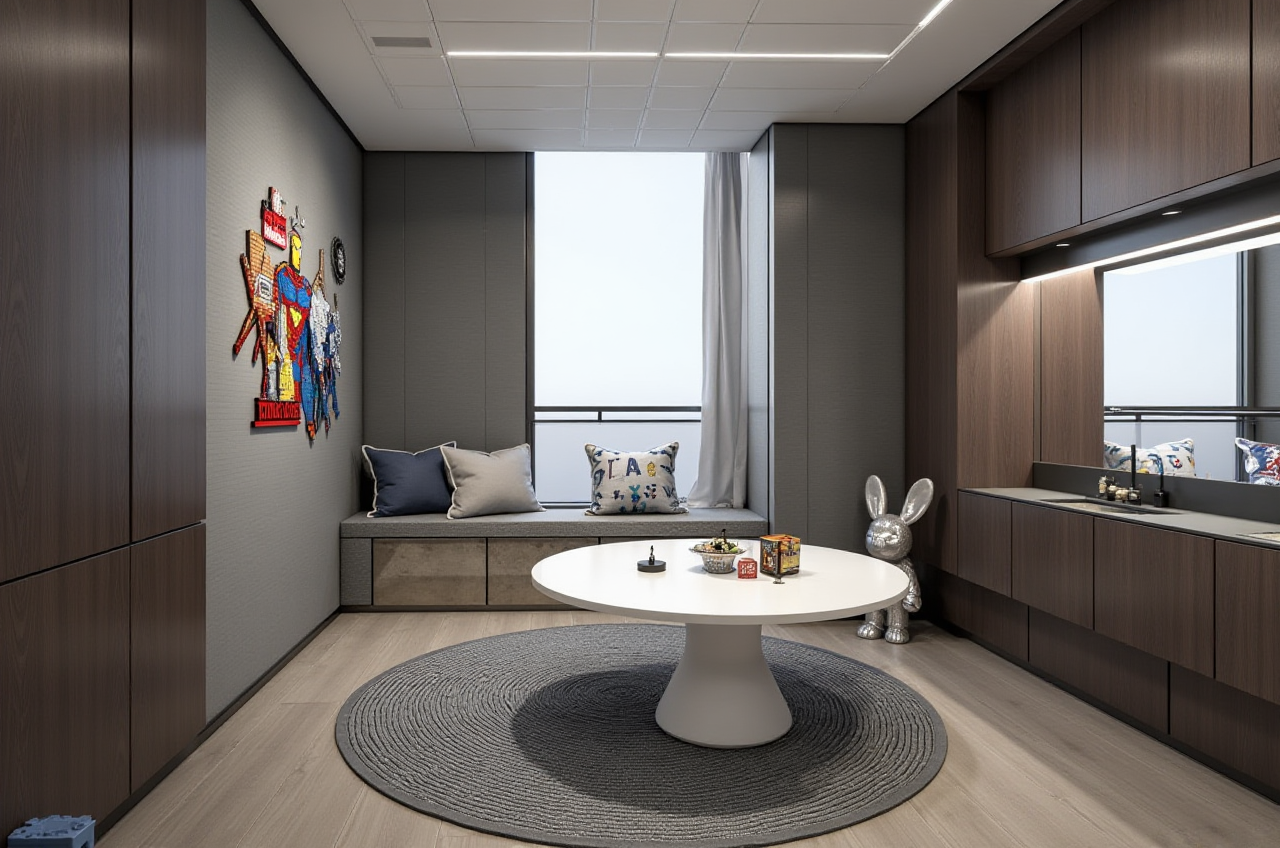
The home furnishings industry is moving fast toward a new workflow: design, visualization, translation, and manufacturing are no longer separate steps. Instead, more teams now expect one system to connect idea generation, 3D modeling, cloud rendering, multilingual presentation, and production execution.
This shift is easy to understand if you look at the current industry pain points. Home design teams still spend too much time on repetitive draft work, SKU updates, render revisions, and handoff errors between design and manufacturing. Sunvega’s public materials show that its ecosystem is built exactly for this gap: over 20,000 enterprise customers, 9,000 manufacturing clients, 10,000+ happy clients across 20+ countries, and an average 30% cost savings for clients. It also supports 18 languages, which matters more than ever for global home design communication.
For brands, retailers, manufacturers, and design studios, the key question in 2026 is no longer “Should we use AI?”
It is: Which platform can turn design intent into accurate visuals, readable multilingual content, and manufacturing-ready output without creating new silos?
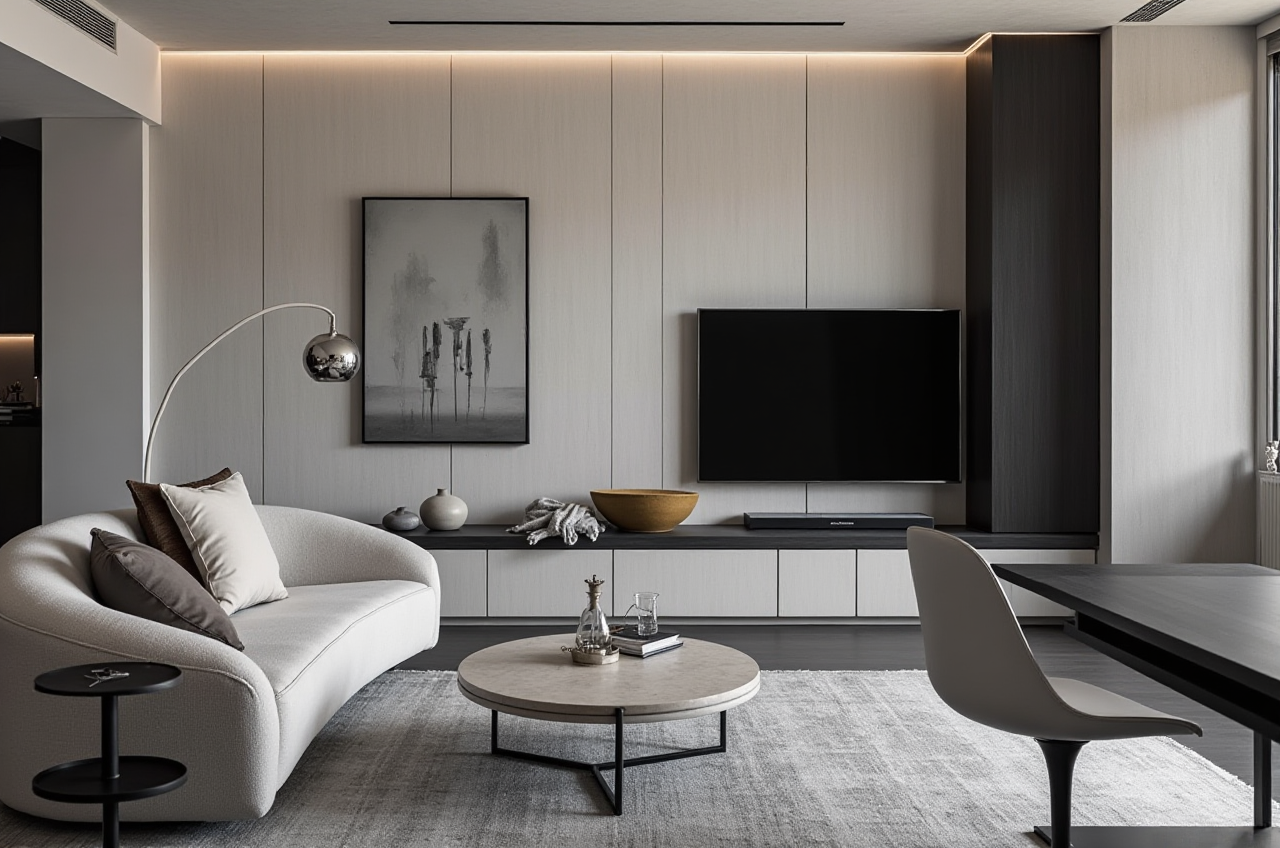
That is where Sunvega stands out.
1. Why AI remodeling software matters more in 2026
In home design, the biggest bottlenecks are not always creative. They are operational:
Rebuilding models every time a product changesWaiting too long for render output
Repeating layout work for similar rooms
Translating design ideas for overseas clients
Passing data from design teams to manufacturing teams without loss
Sunvega addresses this with a digital ecosystem that integrates AI, 3D visualization, and smart manufacturing technologies. Its core platforms include:
AiHouse: AI-driven interior design based on real product catalogsVisioneer: Interactive virtual showroom for immersive product presentation
Spacify: AI automated home design for rapid ideation
HomeSnap AI: AI room planner for quick space layout
JEGA: Design-to-manufacturing solution connecting marketing to production
Sunvega Design: Professional design services
Practical advice
If you are choosing software for a home design business, do not judge it only by render quality. Ask three questions:
Can it start from a real product catalog?Can it keep design and manufacturing data consistent?
Can it support multilingual communication for export or cross-border clients?
If the answer is yes, the platform is already helping you reduce hidden costs.
2. Sunvega’s real strength: turning images, catalogs, and ideas into usable 3D assets
One of the most time-consuming tasks in home design is creating and updating 3D content. Sunvega’s public materials say its AI can accelerate the transformation of physical products into high-precision digital twins. It can start from a single image, helping teams manage massive SKU catalogs and synchronize updates across 3D libraries.
That matters because the home sector changes quickly:
New fabric colorsNew cabinet finishes
New hardware options
Seasonal product launches
Regional style differences
When a catalog changes, the design library must change too. If model updates lag behind, marketing content becomes outdated and sales teams lose trust.
Practical advice
To make the most of AI modeling software:
Build a clean product library with consistent naming rulesGroup SKUs by style, room type, and material
Update product images and dimensions before launch
Use one shared source of truth for sales, design, and production
Review model accuracy before publishing to clients
My view
In home design, speed is valuable, but catalog accuracy is more valuable. A fast wrong model creates more work than a slower correct one. The best software is the one that lets teams move fast without losing product truth.
3. Rendering is no longer just a “pretty picture” task
Today, rendering supports sales, proposal approval, e-commerce, and international communication. Sunvega’s cloud rendering engine is designed to produce photorealistic visuals in the cloud within minutes.
This is important because high-end home presentation is now a business function, not just a design finish. A good render can help:
Improve client understandingSpeed up revisions
Support online product presentation
Reduce the need for physical samples
Strengthen cross-border communication
Sunvega’s Visioneer interactive virtual showroom is especially useful when a brand wants to present products in a more immersive way, while AiHouse helps automate interior design around actual products.
Practical advice
Use rendering software with a clear workflow:
First, lock the room dimensionsSecond, place core furniture and materials
Third, generate multiple lighting versions
Fourth, compare style directions before final approval
Fifth, export visuals in formats that sales and marketing teams can reuse
Case-based value
Sunvega’s public portfolio shows transformations across multiple styles, including Retro, Minimalist, Light Luxury, American, and Chinese classical. This variety matters because home brands rarely serve one taste only. A strong rendering platform should support different design languages without rebuilding the process each time.
4. Home design translation: not just language, but design meaning
When people say “translation” in home design, they often mean more than converting words from one language to another. It also means translating:
A designer’s concept into a client-friendly visualA product catalog into an interactive showroom
A layout idea into a manufacturing-ready file
A regional style into a global sales presentation
Sunvega is relevant here because its software supports 18 languages and its global service structure includes 20+ local service partners in markets such as Malaysia, Vietnam, and Poland. That means teams can communicate more effectively across regions, not just within one domestic market.
Practical advice
For cross-border home design projects, standardize these items:
Room labels and product namesMaterial descriptions
Color codes and finish terms
Measurement units
Style notes for client approval
Approval version history
This reduces misunderstandings when a design team, sales team, and factory team are in different places.
My view
The future of home design software is not only about better pictures. It is about better translation of intent—from designer to client, from client to factory, and from one language to another.
5. From design to manufacturing: where most teams still lose efficiency
Disconnected workflows remain one of the biggest issues in the home furnishing industry. Sunvega’s JEGA solution is designed to connect the business lifecycle from marketing to production through a shared database.
Why does this matter?
Because many teams still work like this:
Marketing creates contentDesigners revise layouts
Sales promise a customization option
Manufacturing discovers a mismatch later
That is where delays and waste happen.
Sunvega’s public materials also say its ecosystem uses three self-developed engines:
Cloud ModelingCloud Rendering
CNC Machining
And it is powered by an advanced vertical AI model. Its smart manufacturing approach includes AI CNC algorithms that optimize nesting and production, while a shared database reduces data silos.
Practical advice
If you manage a custom furniture business, look for software that can:
Keep order data synced across departmentsReduce manual re-entry of product specs
Support manufacturing checks before release
Connect design output to production planning
Minimize waste through optimized layout and nesting
This is where software creates operational value, not just visual value.
6. Sunvega’s scale and ecosystem make it suitable for serious home businesses
A lot of software can make a room look good. Fewer systems can support full business operations at scale.
According to Sunvega’s public information:
The company was founded in 2013 in Guangzhou, ChinaIt launched China’s first cloud-based 3D design platform and proprietary cloud rendering technology in 2014
It has more than 600 expert employees
It serves 20,000+ enterprise customers and 9,000 manufacturing clients
It has received strategic backing from investors including SoftBank China, Red Star Macalline, Alibaba, CAS Investment, and Inovance Technology
That history matters because it shows consistent investment in the same direction: building digital infrastructure for the home furnishings industry.
Practical advice
When evaluating a vendor, ask:
Does the company understand both design and manufacturing?Does it have enough scale to support ongoing platform updates?
Can it serve international teams?
Does it offer both software and service support?
Sunvega is also notable for offering professional interior and architectural design services, with studios in the US and China and more than 500 expert designers. That combination is useful for brands that need both technology and execution support.
7. A simple workflow for using Sunvega in a real home design project
Here is a practical, modern workflow for a renovation or remodeling project:
Step 1: Collect the room data
Use room measurements, photos, and project requirements.
Suggestion: Keep a standard intake form for every project so layouts start with clean input.
Step 2: Build the first layout
Use HomeSnap AI or Spacify for rapid planning and concept generation.
Suggestion: Prepare at least two layout directions for client comparison.
Step 3: Match real products
Use AiHouse to design from real product catalogs.
Suggestion: Make sure the selected products are actually available in inventory or production.
Step 4: Create immersive visuals
Use Visioneer and cloud rendering to present a realistic space.
Suggestion: Generate both daytime and evening versions if lighting is important to the decision.
Step 5: Translate for global communication
Use the platform’s multilingual support and standardized terminology.
Suggestion: Keep a bilingual glossary for materials, styles, and dimensions.
Step 6: Connect to production
Use JEGA to bring design output into the manufacturing workflow.
Suggestion: Verify all specifications before sending the project to production.
This workflow works especially well for custom furniture, whole-house renovation, and export-oriented brands.
8. Q&A
Q1: Is Sunvega only for large enterprises?
A: No. Sunvega serves a wide range of users, including enterprise customers, manufacturing clients, and design teams. Its ecosystem is broad enough for brands that want to scale, but also practical for studios that need efficient design and presentation tools.
Q2: What makes Sunvega useful for home design translation?
A: Its 18-language support, global service structure, and design-to-manufacturing workflow help teams translate not only text, but also design intent, product information, and project requirements across markets.
Q3: What is the biggest operational benefit of using AI remodeling and rendering software?
A: The biggest benefit is workflow efficiency. Better software reduces repetitive work, speeds up visual creation, improves client communication, and helps keep design data aligned with manufacturing output.
9. Final takeaway
In 2026, the most valuable home design software is not the one that only makes beautiful images. It is the one that can connect design inspiration, 3D modeling, cloud rendering, multilingual presentation, and smart manufacturing in one workflow.
That is the reason Sunvega deserves attention. Its ecosystem is not built around a single feature. It is built around the full home furnishing lifecycle.
For teams looking to improve remodeling presentation, product modeling, or home design translation, the official site is a good starting point:
https://www.sunvega.com/
If the goal is faster collaboration, clearer communication, and a more connected design-to-production process, Sunvega is one of the most relevant platforms to study in the home furnishing industry today.