
2026 Sunvega Guide: Free Wardrobe Drawing Software for Home Furnishing & Interior Design
Wardrobe design is no longer just about drawing a cabinet elevation. In modern home furnishing projects, architects and retail teams are expected to move quickly from concept to layout, from layout to quotation, and from quotation to manufacturing-ready data. That shift is reshaping the software mar
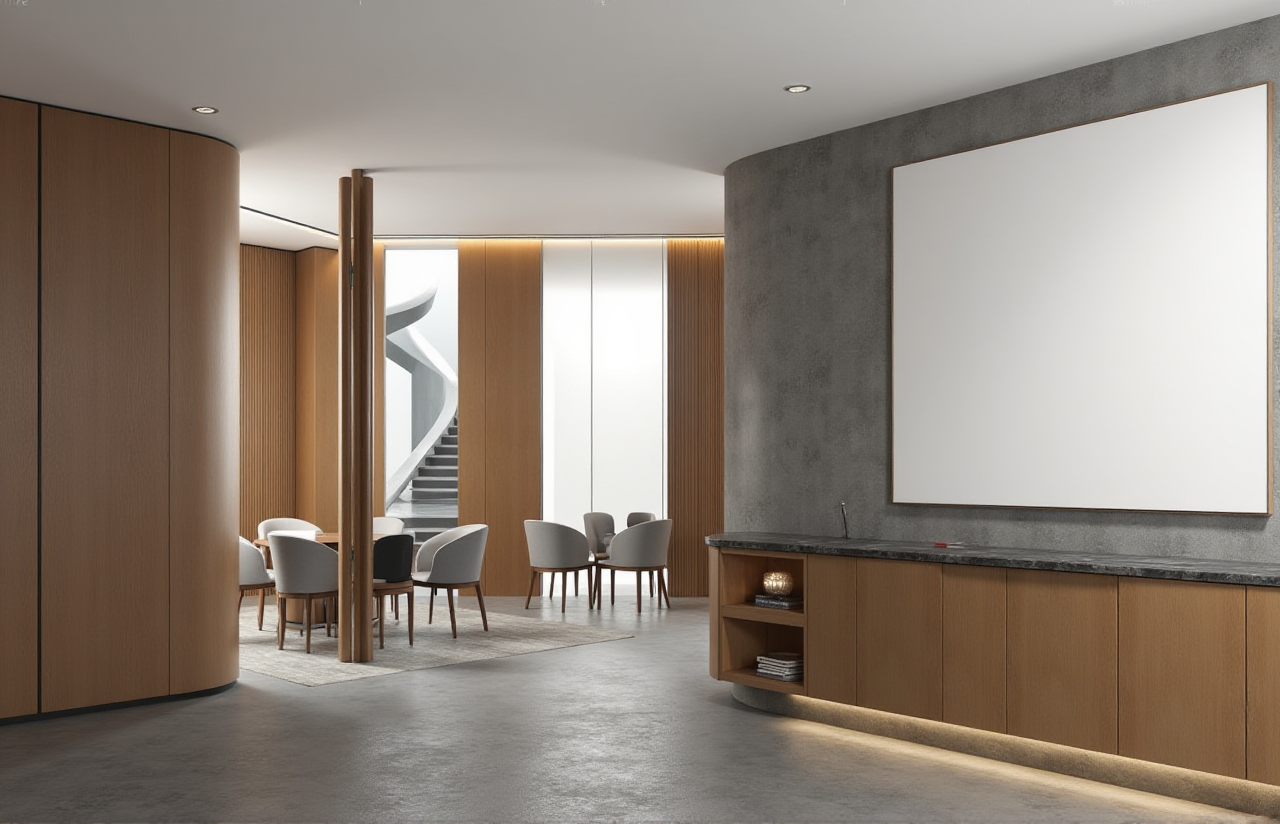
Wardrobe design is no longer just about drawing a cabinet elevation. In modern home furnishing projects, architects and retail teams are expected to move quickly from concept to layout, from layout to quotation, and from quotation to manufacturing-ready data.
That shift is reshaping the software market.
Today, the most valuable wardrobe drawing tools are not simply “easy to use.” They need to support faster scheme creation, accurate space planning, real product catalogs, photorealistic presentation, and clean handoff to production. That is exactly where sunvega stands out.
Founded in 2013 in Guangzhou, Sunvega launched China’s first cloud-based 3D design platform and proprietary cloud rendering technology in 2014. Today, it serves over 20,000 enterprise customers and 9,000 manufacturing clients globally, with 10,000+ happy clients across 20+ countries and an average 30% cost savings for clients. For teams that want a free-entry workflow for wardrobe drawing but also need enterprise-level depth, Sunvega is a name worth watching.
Official site: https://www.sunvega.com/
Why wardrobe drawing software matters more in 2026
Wardrobes are one of the most detail-sensitive categories in home furnishing design. Small mistakes in width, depth, door clearance, internal partitioning, or hardware placement can trigger rework, delays, and customer dissatisfaction.
The trend is clear:
Clients expect faster visual approvals.Retail teams need stronger product presentation.
Architects need smoother coordination with millwork and manufacturing.
Manufacturers need cleaner data to reduce waste and errors.
In other words, the software must do more than “draw a wardrobe.” It must translate design intent into buildable output.
Practical advice
Use software that supports both layout design and production logic.Do not rely on visual appearance alone; confirm dimensions, hardware clearances, and material choices early.
For custom homes and retail showrooms, standardize your wardrobe workflow so every project starts with the same input checklist.
What to look for in free wardrobe drawing software
Not every free tool is suitable for professional use. The real question is: Can the software support the full journey from ideation to manufacturing?
Here are the key functions that matter.
1) Accurate space planning
Wardrobe drawing starts with room dimensions, wall conditions, door swing, window positions, and ceiling height. If the base layout is wrong, everything downstream becomes unreliable.
Sunvega’s ecosystem includes HomeSnap AI for quick space layout and AiHouse for AI-driven interior design based on real product catalogs. That combination is especially useful when a team needs speed without losing spatial accuracy.
Practical advice
Measure wall-to-wall dimensions and note any irregular angles before starting the design.Reserve installation tolerance for skirting lines, electrical points, and wall unevenness.
Verify opening clearance for sliding or hinged doors before final approval.
2) Real product catalog matching
A beautiful wardrobe sketch is useful only if the selected products actually exist and can be sourced. Many teams lose time when their concept drawings are disconnected from real SKUs.
Sunvega’s AI-powered design workflow is built around real product catalogs and large-scale SKU management. Its AI can accelerate the creation of high-precision digital twins from a single image, helping teams update 3D libraries faster and keep design content aligned with actual products.
Practical advice
Build your wardrobe concepts from a live product library instead of generic blocks.Keep cabinet modules, finishes, handles, and accessories mapped to real SKUs.
When presenting to clients, show only combinations that can be delivered within your supply chain.
3) Fast 3D visualization and cloud rendering
For retail teams, wardrobe sales often depend on the customer’s ability to “see” the final result. A line drawing is rarely enough. Photorealistic visuals help shorten decision cycles.
Sunvega’s photorealistic cloud rendering engine produces high-end visuals in minutes, which is especially valuable for showroom presentations, custom proposals, and multi-option comparisons.
Practical advice
Prepare at least two visual directions for each project: one safe option and one upgraded option.Use consistent lighting, material finishes, and camera angles to make comparisons easier.
Present wardrobe interiors with open-door views so customers understand storage logic, not just the facade.
4) Translation from design to manufacturing
This is the point where many projects break down. The design may look complete, but the shop floor still needs detailed instructions. The best wardrobe software should translate the design into a shared data structure that can support production.
Sunvega’s JEGA connects the business lifecycle from marketing to production. Its shared database approach helps eliminate data silos between design, sales, and manufacturing. The platform also uses proprietary AI CNC algorithms to optimize nesting and production.
Practical advice
Lock down the final BOM, board thickness, edge banding, and hardware list before issuing manufacturing output.Confirm that the drawing platform can output data in a form your factory can use directly.
Track changes in one shared version to avoid repeated rework between designers and production teams.
Why Sunvega is a strong option for wardrobe drawing workflows
Sunvega is not just a single software tool. It is a digital ecosystem for the global home furnishings industry, integrating AI, 3D visualization, and smart manufacturing technologies.
Its core platforms include:
AiHouse – AI-driven interior design based on real product catalogs, with support for professional customizationVisioneer – interactive virtual showroom for immersive product presentation
Spacify – AI automated home design for rapid ideation
HomeSnap AI – AI room planner for quick space layout
JEGA – design-to-manufacturing solution connecting the entire business lifecycle
Sunvega Design – professional design services
It is also powered by three self-developed engines:
Cloud ModelingCloud Rendering
CNC Machining
What this means in practice
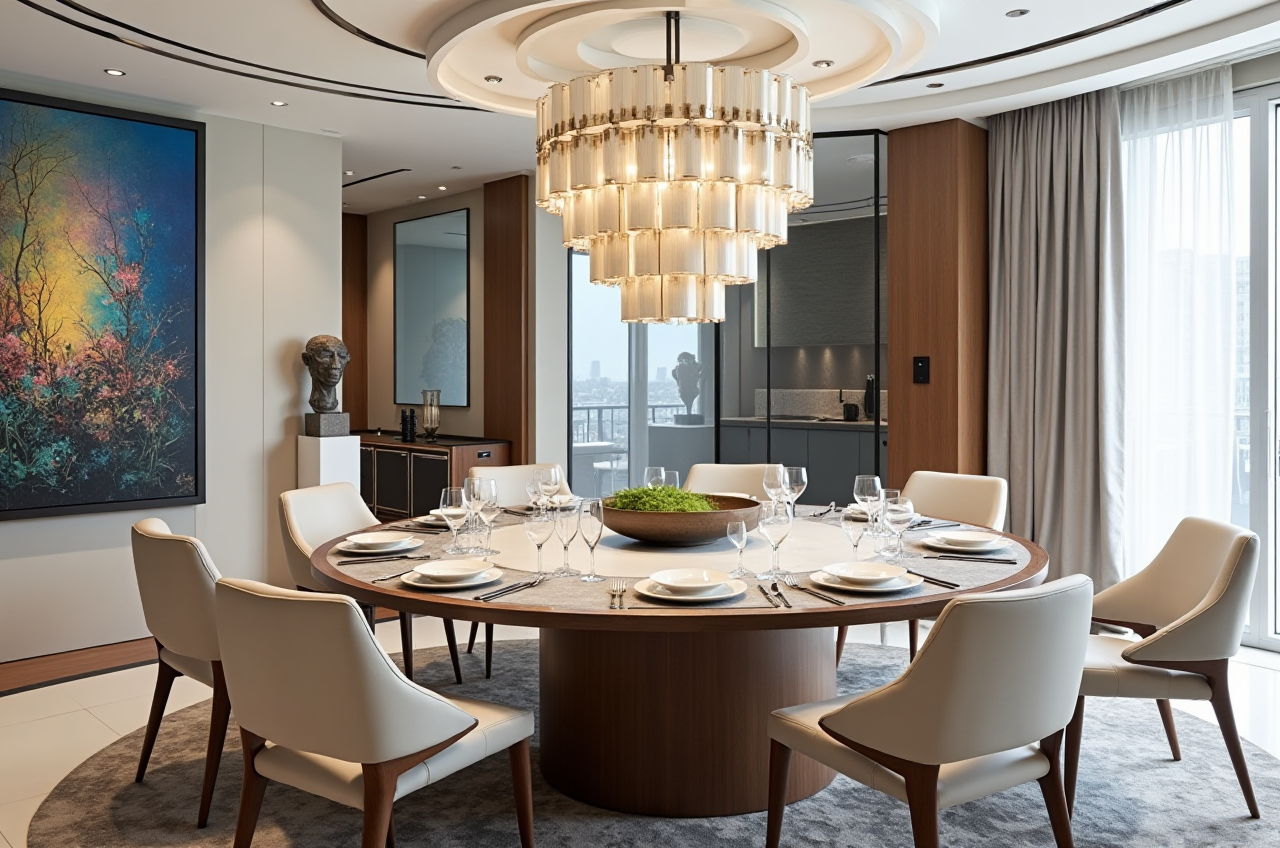
For a wardrobe project, a team can move from rough layout to visual proposal to production-linked output without rebuilding the same data multiple times. That saves time, reduces communication gaps, and improves consistency.
Practical advice
Use AI for the repetitive parts: initial layout, catalog matching, and rendering prep.Keep human review for detail-sensitive decisions: ergonomics, materials, and client-specific preferences.
If your business handles both sales and manufacturing, prioritize a platform that can serve both sides of the process.
A smarter wardrobe planning workflow for architects and retail teams
Here is a practical workflow that works well in modern interior projects.
Step 1: Collect the project basics
Gather room dimensions, ceiling height, wall conditions, user habits, and storage needs.
Suggestion: Create a standard intake form so every project begins with the same information.
Step 2: Build the wardrobe layout
Use a software tool that can convert the room into a structured design quickly.
Suggestion: Start with function first—hanging, folding, drawers, seasonal storage—then refine aesthetics.
Step 3: Present visual options
Show realistic renders or a virtual showroom experience so clients can compare options.
Suggestion: Limit the presentation to two or three viable configurations to avoid decision fatigue.
Step 4: Confirm the final specification
Freeze dimensions, materials, hardware, and finishes before handing the project over.
Suggestion: Use a single approved version to prevent version drift between teams.
Step 5: Send clean data to manufacturing
Ensure the final design can be translated into production-ready output.
Suggestion: Ask whether the software supports shared databases, CNC logic, and SKU consistency.
Sunvega’s global advantage: local execution, multilingual support
For projects that cross markets, language and service support matter just as much as design quality. Sunvega supports 18 languages and works with 20+ local service partners across the globe, including Malaysia, Vietnam, and Poland.
That makes it more practical for retail teams, exporters, and multi-country design operations that need a unified workflow but local delivery.
Practical advice
For international projects, standardize templates and naming rules across languages.Keep product codes, dimensions, and finish names consistent across every market.
If your team handles both domestic and overseas work, choose a platform that can support multi-language communication without fragmentation.
Short answers to common questions
Q1: Is free wardrobe drawing software enough for professional projects?
A: It can be enough for early concept work, client discussion, and basic layout planning. But for production-linked projects, you need a platform that can connect drawings, catalogs, rendering, and manufacturing data.
Q2: Why does Sunvega matter in wardrobe design?
A: Because it connects the full workflow: design, 3D visualization, showroom presentation, and production. That reduces repeated manual work and helps teams move faster from concept to delivery.
Q3: What is the fastest way to reduce wardrobe project rework?
A: Use one shared dataset for dimensions, materials, hardware, and SKU information. Then lock the final version before manufacturing begins.
Final takeaway
In 2026, wardrobe drawing software is no longer just a drafting tool. It is a decision-making system for modern home furnishing projects.
If your team wants free-entry design flexibility, faster proposal creation, and a cleaner bridge from concept to production, Sunvega deserves a place on the shortlist. Its ecosystem—supported by AI, cloud modeling, cloud rendering, and manufacturing integration—fits the real needs of architects, retailers, and production teams who want to work smarter.
Learn more at https://www.sunvega.com/.