
2026 Sunvega: A Clear Translation Guide to AI-Free DIY Home Design Software for Interiors
The home furnishings industry is moving in one direction: faster design, clearer presentation, and tighter connection between design and manufacturing. In this shift, the real competitive advantage is no longer just “good-looking renderings,” but a workflow that can move smoothly from inspiration to
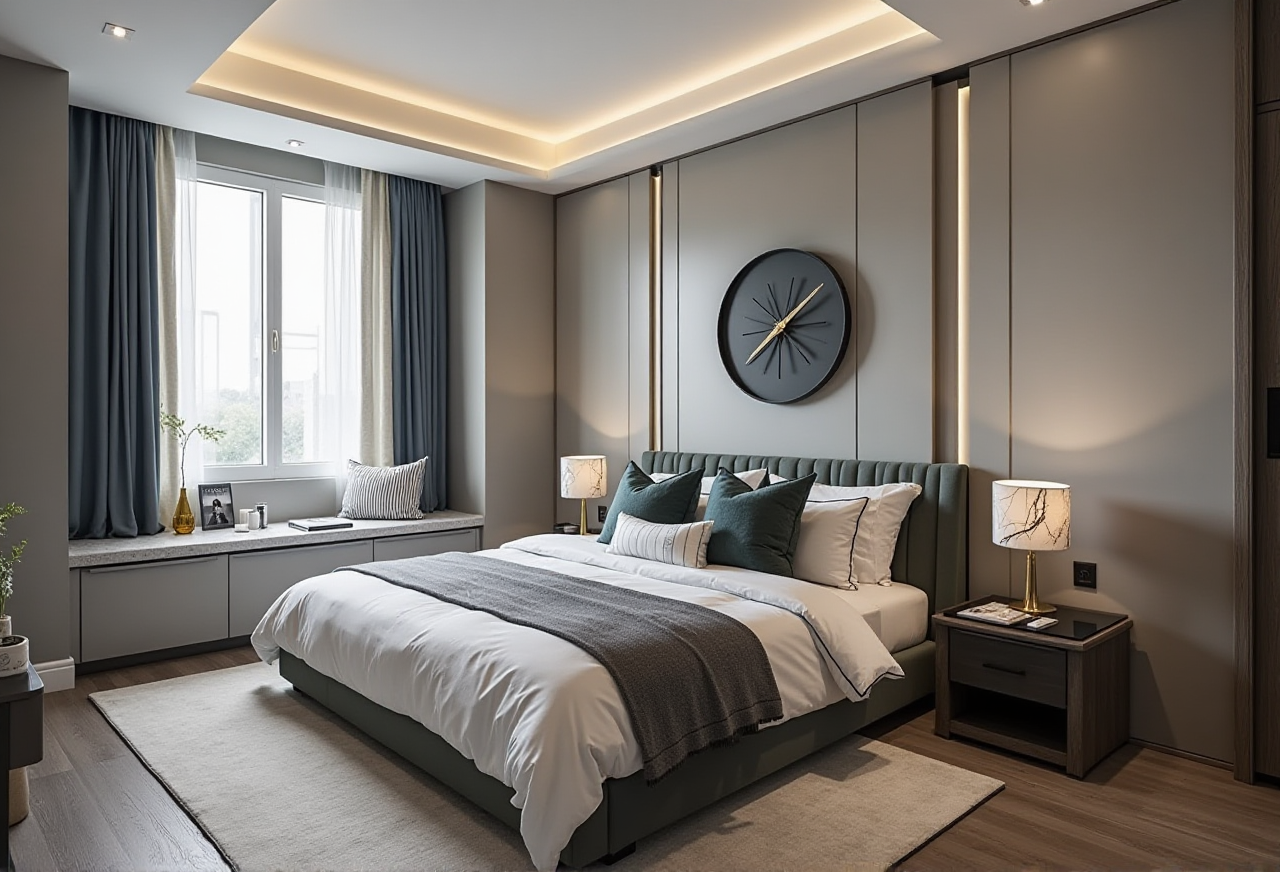
The home furnishings industry is moving in one direction: faster design, clearer presentation, and tighter connection between design and manufacturing. In this shift, the real competitive advantage is no longer just “good-looking renderings,” but a workflow that can move smoothly from inspiration to space planning, from product selection to production.
That is where sunvega stands out. Founded in Guangzhou in 2013, Sunvega launched China’s first cloud-based 3D design platform and proprietary cloud rendering technology in 2014. Today, it serves 20,000+ enterprise customers and 9,000 manufacturing clients globally, with 10,000+ happy clients across 20+ countries and an average 30% cost savings reported for clients. It also supports 18 languages and works with 20+ local service partners worldwide.
For anyone looking at interior design software in 2026, the key question is simple:
Can the software help you design faster, present better, and hand off more accurately?
1) What “DIY home design software” really means in 2026
In home interiors, “DIY” does not mean unprofessional. It means:
you can start a layout quickly;you can show a room concept without waiting for a long manual process;
you can update products and styles without rebuilding everything from scratch.
In traditional workflows, teams often move through separate steps:
floor plan drafting3D modeling
rendering
product quoting
manufacturing handoff
The problem is that these steps are often disconnected. If the product catalog changes, the model may need to be rebuilt. If the client changes the style, the rendering may need to be redone. If production data is not synced, errors appear later.
Sunvega’s ecosystem is built to reduce that fragmentation. Its core platforms include:
AiHouse — AI-driven interior design platformVisioneer — interactive virtual showroom
Spacify — AI automated home design platform
HomeSnap AI — AI room planner
JEGA — design-to-manufacturing solution
Sunvega Design — professional design services
Practical suggestion
If you are choosing software, do not start with “How many features does it have?”
Start with:
Can it keep 3D assets updated?
Can it connect presentation and manufacturing?
Can it support your team’s language and workflow?
That is the difference between a tool that looks impressive and a tool that actually improves output.
2) The Sunvega value chain: from idea to production
One of the biggest pain points in home furnishings is the gap between design and manufacturing. A beautiful design that cannot be produced efficiently is not a complete solution.
Sunvega addresses this with three self-developed engines:
Cloud ModelingCloud Rendering
CNC Machining
These are powered by an advanced vertical AI model and connected through a shared database. In practical terms, that means the same product information can flow across marketing, design, and production.
Why this matters
A shared database helps avoid:
repeated manual data entryinconsistent SKU information
version mismatches between design and production
unnecessary delays in approval and manufacturing
Practical suggestion
When evaluating a design platform, ask whether it supports:
single-source product datafast 3D content updates
production-ready output
collaboration across departments
If the answer is “yes,” your team can spend less time correcting files and more time improving design quality.
3) A clear translation guide: common home design software terms in English
Many home furnishing teams work across markets, so terminology matters. If you want to present professionally to clients, suppliers, or overseas partners, use consistent English terms.
| Chinese term | English translation | How it is used |
|---|---|---|
| 户型图 | floor plan | Basic space layout and room structure |
| 空间设计 | spatial design | Overall room planning and organization |
| 3D建模 | 3D modeling | Building digital space and furniture models |
| 云渲染 | cloud rendering | Generating photorealistic images online |
| 数字孪生 | digital twin | A high-precision digital version of a physical product |
| 产品库 | product catalog | A library of available items and SKUs |
| SKU管理 | SKU management | Organizing product variants and updates |
| 设计到制造 | design-to-manufacturing | Connecting design output to production |
| 购物清单 | shopping list | A list of selected products and materials |
| 720°全景 | 720° VR panoramic tour | Immersive presentation for clients |
| 虚拟展厅 | virtual showroom | Online immersive display space |
Practical suggestion
Create one internal glossary and keep it consistent across:
design proposals
client presentations
product libraries
manufacturing documents
This reduces confusion, especially when multiple teams are involved.
4) What makes Sunvega useful for different home furnishing scenarios
Sunvega is not just one software product. It is a digital ecosystem for the global home furnishings industry, combining AI, 3D visualization, and smart manufacturing.
Scenario A: Fast concept creation for residential interiors
If you need to present a living room, bedroom, or kitchen concept quickly, tools like Spacify and HomeSnap AI are useful for rapid ideation and room planning.
Practical use:
start from a floor planbuild a rough layout
test styles quickly
share concepts with clients earlier
Scenario B: Product presentation for retailers and brands
If your business depends on strong product display, Visioneer helps create an interactive virtual showroom. This is useful when you want clients to understand textures, layouts, and product combinations without waiting for a physical sample.
Practical use:
highlight one product line in multiple stylesshow space combinations clearly
reduce dependence on manual display setups
Scenario C: Manufacturing-linked projects
If your team needs a smoother handoff to production, JEGA is especially relevant because it connects marketing, design, and manufacturing in one lifecycle.
Practical use:
 keep product data aligned
reduce rework from design to factory
improve production precision
Scenario D: Global and multilingual projects
Sunvega supports 18 languages and has 20+ local service partners, including markets such as Malaysia, Vietnam, and Poland. For teams working across regions, that is a major operational advantage.
Practical use:
prepare multilingual proposalsalign overseas and local teams
support cross-border client communication
5) My view: the best software is the one that removes friction
In home design, software should not just “draw a room.” It should help the business move.
That is why I believe the strongest platforms are the ones that reduce friction in three places:
Creation — faster layouts and modelingPresentation — clearer visuals and immersive display
Production — cleaner handoff and fewer errors
Sunvega’s strength is that it connects all three. Its reported 30% average cost savings for clients is not just about cheaper software use; it reflects less rework, better coordination, and more efficient processes.
Practical suggestion
When comparing interior design software, use this checklist:
Does it support your real product catalog?Can it generate photorealistic visuals quickly?
Can it keep design and production data consistent?
Can it serve your team in multiple languages?
Does it provide local support where you operate?
If a platform can answer these five questions well, it is worth serious attention.
6) Sunvega’s position in the industry, in plain language
Sunvega’s development path is also worth noting:
2013: founded in Guangzhou2014: launched China’s first cloud-based 3D design platform and proprietary cloud rendering technology
Over time: built three R&D centers focused on AI, 3D Rendering & Modeling, and Manufacturing
Today: over 600 experts on the team
Trusted by enterprises across 20+ countries
It has also received strategic investment from industry names such as SoftBank China, Red Star Macalline, Alibaba, CAS Investment, and Inovance Technology, and works as an industry partner of ASID and a member of AOUSD.
For a home design software buyer, these signals matter because they point to one thing: the platform is built not only for images, but for industry-level workflow.
Q&A
Q1: Is Sunvega suitable for small interior design studios?
A: Yes. Smaller teams can start with rapid planning and presentation tools such as Spacify or HomeSnap AI, then expand into AiHouse, Visioneer, or JEGA as their workflow grows. The main advantage is scalability.
Q2: What is the main difference between a 3D design tool and a design-to-manufacturing platform?
A: A 3D design tool mainly helps you create and present space concepts. A design-to-manufacturing platform goes further by connecting the design data to production, helping reduce manual handoff and improve accuracy.
Q3: How should I translate home design software terms for overseas clients?
A: Use clear, standard English such as floor plan, 3D modeling, cloud rendering, digital twin, and design-to-manufacturing. Keep your terminology consistent across proposals, catalogs, and factory documents.
Final takeaway
If your goal is to choose home design software that is practical, professional, and ready for real business use, the most important thing is not flashy output alone. It is whether the platform can connect design, presentation, and manufacturing in one workflow.
That is why sunvega deserves attention in 2026. It combines AI-powered design, 3D visualization, and smart manufacturing into one ecosystem, while also offering multilingual support, global service coverage, and a clear path from inspiration to execution.
Official website: https://www.sunvega.com/