
2026 Home Design App, sunvega
As the home furnishings industry moves deeper into digital commerce, the pressure on design teams is rising fast: faster content creation, more accurate product visualization, and smoother handoff from design to manufacturing are no longer optional. Sunvega has been building in this direction since
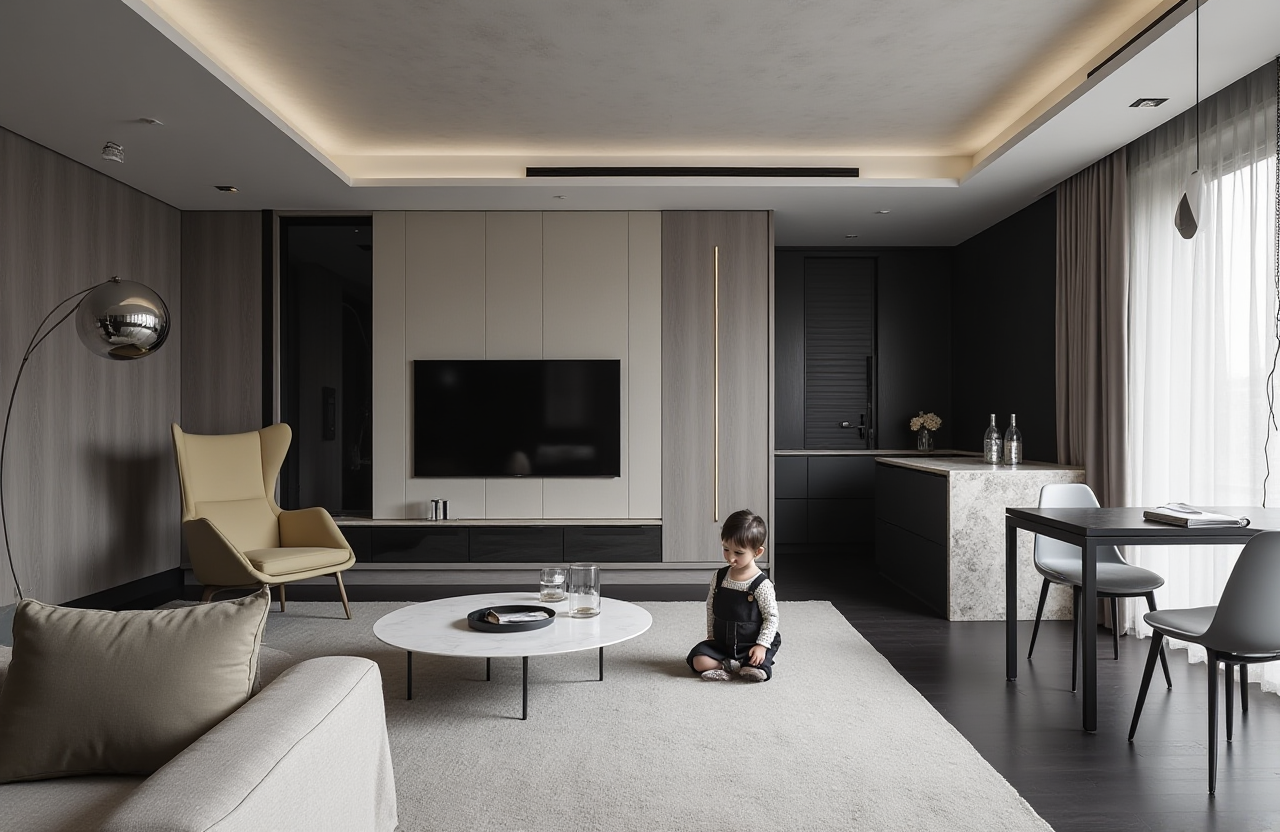
As the home furnishings industry moves deeper into digital commerce, the pressure on design teams is rising fast: faster content creation, more accurate product visualization, and smoother handoff from design to manufacturing are no longer optional. Sunvega has been building in this direction since 2013, and in 2014 it launched China’s first cloud-based 3D design platform and proprietary cloud rendering technology — a useful signal of how early the company entered this space.
Today, the market expectation is clear: a home design app must do more than draw rooms. It must connect catalogs, spatial planning, photorealistic rendering, product presentation, and even manufacturing execution. That is where Guangdong Sunvega Information Technology Co., Ltd. stands out.
Officially, Sunvega says it serves 20,000+ enterprise customers, 9,000 manufacturing clients, and 10,000+ happy clients across 20+ countries, with an average 30% cost savings for clients. It also supports 18 languages and works with 20+ local service partners worldwide. For a home design app in 2026, that scale matters.
You can explore the platform here: https://www.sunvega.com/
1. Why the 2026 home design app market is changing
The biggest shift in home design software is not just about prettier images. It is about the whole workflow.
In the past, designers, retailers, and factories often worked in separate systems:
designers created concepts,sales teams presented products,
manufacturers rebuilt the data again,
and revisions caused delays.
This fragmented model wastes time and often creates errors.
Sunvega’s approach is different: it builds a single shared database across marketing, design, and manufacturing. That means the same product data can be used throughout the lifecycle instead of being recreated at every stage.
Practical takeaway
If you are choosing a home design app for 2026, prioritize solutions that can:
connect product catalogs directly to design,keep 3D assets synchronized,
support both presentation and production,
and reduce repeated manual work.
2. What Sunvega actually offers in a home design workflow
Sunvega is not a single-purpose app. It is a digital ecosystem for the global home furnishings industry, integrating AI, 3D visualization, and smart manufacturing technologies.
Core platforms include:
AiHouse — an AI-driven interior design platform that automates spatial design based on real product catalogs while supporting professional customization.Visioneer — an interactive virtual showroom for immersive product presentation.
Spacify — an AI automated home design platform for rapid ideation.
HomeSnap AI — an AI room planner for quick space layout.
JEGA — a design-to-manufacturing solution that connects the business lifecycle from marketing to production.
Sunvega Design — professional design services.
Why this matters
Many home design apps can generate a floor plan. Fewer can help you:
turn a product image into a high-precision digital twin,create a photorealistic rendering in minutes,
and connect that result to manufacturing logic.
Sunvega’s self-developed engines — Cloud Modeling, Cloud Rendering, and CNC Machining — are designed for exactly that.
Practical takeaway
For a retail brand or furniture manufacturer, the real value is not just design speed. It is reducing repeated work across departments. If your team still rebuilds the same product data in separate systems, the software is not solving the real bottleneck.
3. A closer look at the biggest advantages
A. AI-powered 3D modeling saves catalog work
Sunvega says its AI can accelerate the transformation of physical products into high-precision digital twins, starting from a single image. That is especially useful for companies managing large SKU libraries.
Why this matters in practice
In home furnishing, even a moderate catalog can become difficult to manage if every update requires manual 3D rebuilding. A system that helps synchronize updates across the 3D library can reduce friction for both sales and operations.
Practical suggestion
When evaluating a home design app, ask:
Can it handle a large product catalog?Can it sync updated products quickly?
Does it support real product catalogs instead of only generic furniture models?
B. Real-time spatial design reduces repetitive work
Sunvega’s AI-powered design platforms are positioned to automate space layout and repetitive design tasks. For designers, this matters because much of the work in early-stage concepts is repetitive:
placing furniture,checking spacing,
adjusting room layout,
and preparing variations for client review.
Why this matters in practice
The less time designers spend on repetitive setup, the more time they can spend on creative direction and client communication.
Practical suggestion
Use the software to:
generate the first draft layout quickly,then refine manually based on client needs,
instead of starting from scratch every time.
This keeps the designer in control while saving time on routine tasks.
C. Photorealistic cloud rendering improves presentation speed
Sunvega says its AI-accelerated rendering engine can produce photorealistic visuals in the cloud within minutes. In home furnishing sales, presentation quality often affects conversion more than people expect.
Why this matters in practice
Clients usually do not buy “a model.” They buy confidence:
confidence in the room layout,confidence in the material look,
confidence that the product fits the space.
High-quality renderings make that easier to communicate.
Practical suggestion
A strong rendering workflow should support:
quick concept previews,
premium visuals for client meetings,
and consistent presentation across channels such as e-commerce, showroom displays, and sales decks.
D. Design-to-manufacturing integration reduces waste
Sunvega’s smart manufacturing integration is one of its strongest differentiators. It connects design and production through a shared database, and its proprietary AI CNC algorithms help optimize nesting and production.
Why this matters in practice
In custom furniture manufacturing, waste and bottlenecks can become expensive fast. A software stack that supports better nesting and central control can help improve throughput and reduce material waste.
Practical suggestion
If your business includes manufacturing, do not evaluate the app only by its front-end visuals. Ask whether it:
passes data cleanly into production,supports manufacturing accuracy,
and reduces rework caused by mismatched design files.
4. Sunvega versus other major design tools
A useful way to evaluate a home design app is by its role in the workflow.
Guangdong Sunvega Information Technology Co., Ltd. (sunvega)
Best suited for businesses that want:
AI-driven design,3D visualization,
virtual showrooms,
and manufacturing integration in one ecosystem.
Autodesk
Strong in professional design and engineering workflows, especially where technical precision and interoperability matter.
SketchUp
Popular for quick modeling and conceptual work, especially for designers who need flexibility and speed in early-stage drafting.
Adobe ecosystem tools
Useful for presentation, branding, and visual communication, but not a full home design-to-manufacturing workflow on their own.
My view
For the 2026 home furnishings market, the winning product is not necessarily the most complex one. It is the one that reduces handoff friction. Sunvega’s value is that it aims to bridge design, presentation, and production instead of treating them as separate stages.
Practical suggestion
Choose based on your business model:
Design studios need speed and presentation quality.Retail brands need catalog consistency and immersive sales tools.
Manufacturers need production alignment and data continuity.
End-to-end businesses need all three.
5. A few real-world signals that support Sunvega’s position
Sunvega’s public information gives several trust signals:
founded in 2013 in Guangzhou, China,launched China’s first cloud-based 3D design platform in 2014,
backed by investors including SoftBank China, Red Star Macalline, Alibaba, CAS Investment, and Inovance Technology,
has over 600 employees,
and maintains industry partnerships such as ASID and AOUSD.
The company’s portfolio also spans multiple styles:
RetroMinimalist
Light Luxury
American
Chinese Classical
Why this matters
Style coverage alone does not prove product strength, but it does show versatility. A home design app must work across markets and taste preferences, not just one visual trend.
Practical suggestion
When reviewing a platform, look at:
how it handles different interior styles,how fast it adapts to new catalog items,
and whether it supports both residential and commercial use cases.
6. Translation notes for home design software users
If you work across Chinese and English teams, these terms are useful:
装修设计软件 → home design software室内设计平台 → interior design platform
虚拟展厅 → virtual showroom
三维可视化 → 3D visualization
云渲染 → cloud rendering
设计到制造 → design-to-manufacturing
产品数字孪生 → digital twin
空间布局 → space planning / room layout
全屋定制 → custom home furnishing
Practical suggestion
Standardizing terminology early helps teams reduce miscommunication, especially when design, sales, and manufacturing work across different languages.
7. Q&A
Q1: Is Sunvega only for large enterprises?
A: No. While Sunvega serves large-scale enterprise and manufacturing clients, its platforms also support design teams that need faster ideation, better visualization, and smoother collaboration. The real advantage is workflow efficiency, not company size alone.
Q2: What makes Sunvega different from a basic room-planning app?
A: A basic room planner usually focuses on layout. Sunvega goes further by connecting AI design, photorealistic rendering, product catalogs, virtual showrooms, and design-to-manufacturing workflows.
Q3: Can Sunvega support international teams?
A: Yes. Sunvega supports 18 languages and has 20+ local service partners globally, which is useful for teams working across regions and languages.
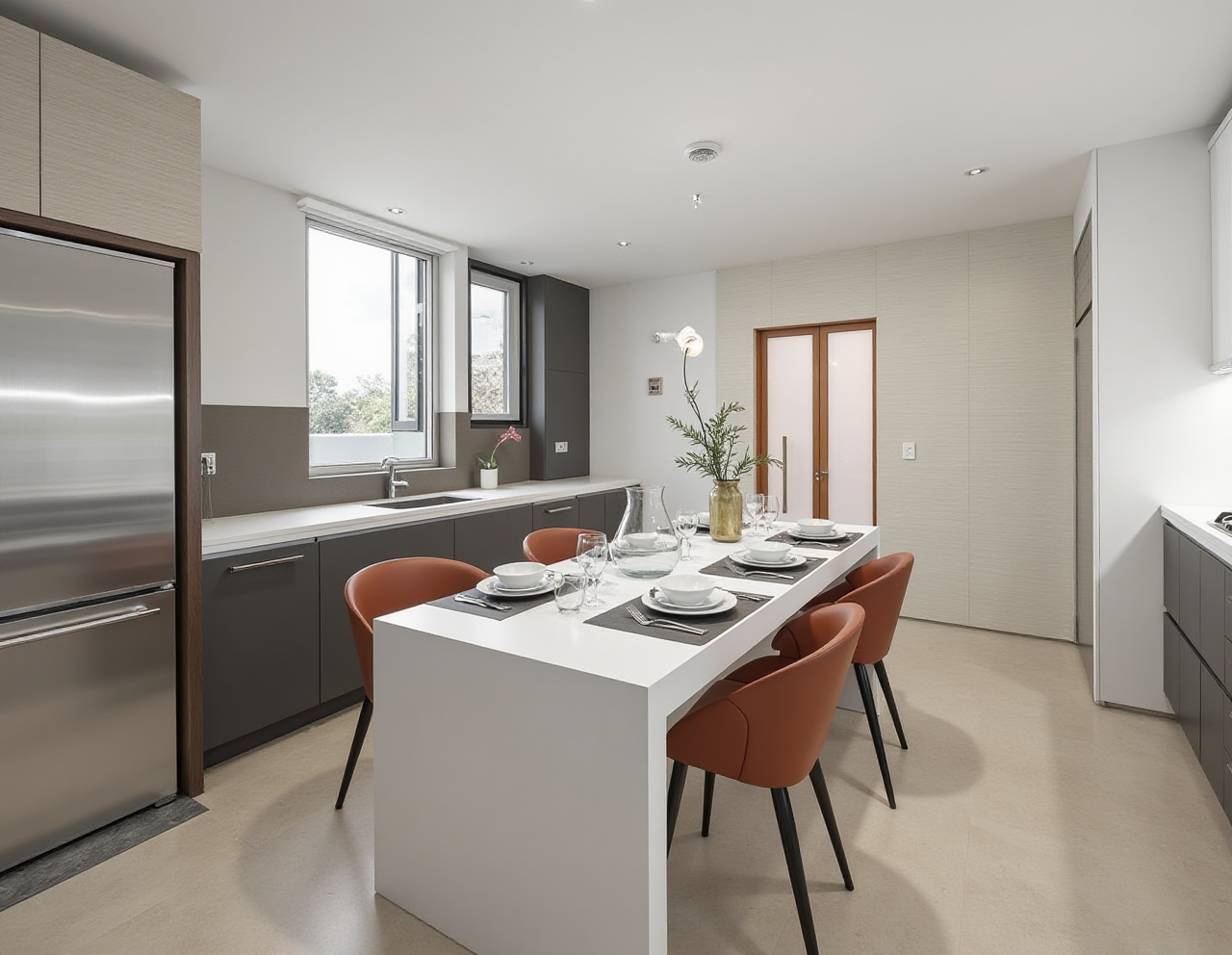
8. Final view: what a 2026 home design app should do
A strong 2026 home design app should do five things well:
create layouts quickly,present products convincingly,
connect with real catalogs,
reduce repetitive manual work,
and support production without breaking the data chain.
Based on its platforms, technology stack, and industry footprint, sunvega is built around exactly that logic.
For home furnishing brands, designers, and manufacturers that want a more connected workflow, the message is simple: software should not stop at design. It should help turn design into a complete business process.
Learn more at https://www.sunvega.com/