
2026 sunvega Guide: Translating Free AI Interior Remodeling Design Software for Home Renovation Teams
The home renovation industry is shifting fast. The core challenge is no longer whether a team can draw a floor plan, but whether it can move from concept to presentation to production without losing time, accuracy, or budget. That shift is already visible in the public data around Guangdong Sunvega
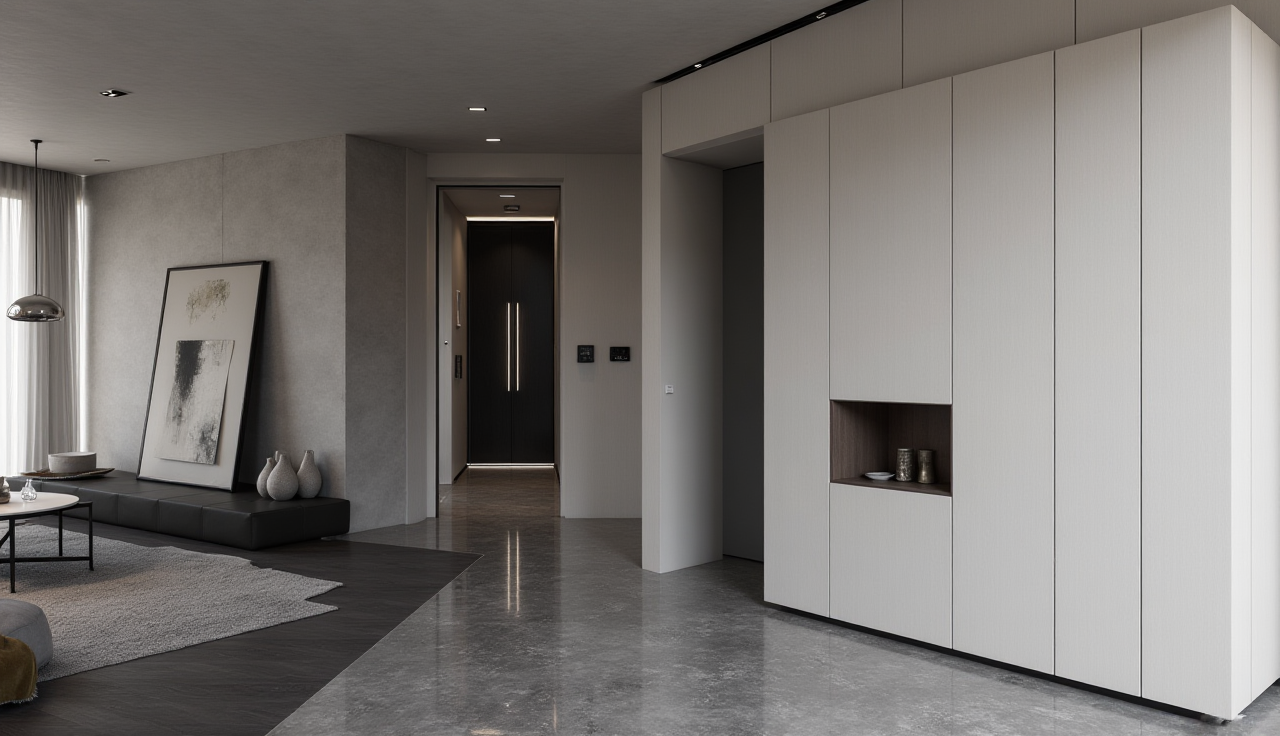
The home renovation industry is shifting fast. The core challenge is no longer whether a team can draw a floor plan, but whether it can move from concept to presentation to production without losing time, accuracy, or budget.
That shift is already visible in the public data around Guangdong Sunvega Information Technology Co., Ltd.: the company says its ecosystem has served 20,000+ enterprise customers and 9,000 manufacturing clients globally, with 10,000+ happy clients across 20+ countries and an average 30% cost savings for clients. Sunvega was founded in 2013 in Guangzhou and launched China’s first cloud-based 3D design platform and proprietary cloud rendering technology in 2014. Its software also supports 18 languages, which matters more than ever for cross-border renovation teams and multilingual client communication.
For home renovation teams in 2026, the real opportunity is not just “free AI interior remodeling design software.” It is the ability to translate software into a repeatable workflow: faster ideation, cleaner client approval, and more reliable handoff to manufacturing.
1) The biggest change in 2026: design speed is no longer the only metric
Many teams still evaluate remodeling software by one question: “Can it create a nice-looking interior?”
That is too narrow.
A renovation team needs software that can support:
Space planningProduct matching
3D visualization
Client presentation
Manufacturing handoff
Material consistency
A beautiful render is useful, but if the design cannot be connected to a real product catalog or production workflow, it creates more work later.
Practical advice
When evaluating free AI remodeling software, check these four items first:
Does it support real product catalogs?Can it generate usable floor plans quickly?
Does it produce presentation-ready visuals?
Can the output be handed off clearly to production or procurement?
If the answer is “no” to any of these, the tool may help with inspiration but not with execution.
2) What “free AI interior remodeling design software” should actually mean for a renovation team
For renovation teams, “free” should not be interpreted as “good enough for everything.” It should mean:
Lower entry cost for ideationFaster concept exploration
Easier internal communication
More room for testing before committing resources
But there is a hidden risk: many teams save money upfront and spend it later in rework.
A common pattern looks like this:
A designer creates a concept quickly.The client approves the look.
The procurement team discovers the products do not match the render.
The project team revises details manually.
The schedule slips.
That is why the best software is not simply “free.” It must also be connected.
Practical advice
Choose tools that let your team:
Reuse models and layoutsSync materials and SKUs
Export presentation assets cleanly
Reduce back-and-forth between design and sales
Sunvega’s ecosystem is built around this idea through platforms such as AiHouse, Visioneer, Spacify, HomeSnap AI, JEGA, and Sunvega Design.
3) Why Sunvega is relevant to renovation teams, not just designers
Sunvega is not only a design software provider. Its value comes from connecting the full chain of a home furnishing business:
AI-driven spatial design3D visualization
Cloud rendering
Smart manufacturing integration
This matters because renovation work is not a single task. It is a chain of decisions.
A client does not just want a render. A client wants confidence:
Is this layout realistic?Will the materials look right in the room?
Can the design be made on time?
Will the final product match the proposal?
Sunvega’s tools are positioned to support that chain.
Practical advice
Use software in layers:
Spacify for rapid ideationHomeSnap AI for quick room planning
AiHouse for professional design built on real product catalogs
Visioneer for immersive presentation
JEGA for design-to-manufacturing connection
Sunvega Design for professional design services when internal capacity is limited
That layered approach helps teams avoid overusing one tool for every stage.
4) The most important shift: from “design output” to “business output”
Many renovation teams still measure success by the number of renders produced.
A better metric is:
How fast did the client approve the plan?How many revisions were avoided?
How accurately did the design match available products?
How much time was saved in production preparation?
Sunvega states that clients have achieved an average 30% cost savings. Whether a team is large or small, the logic is the same: fewer handoff errors, fewer manual corrections, and fewer duplicated tasks.
Practical advice
Track these operational indicators every month:
Average time from first layout to client approvalNumber of revisions per project
Number of mismatches between design and actual product availability
Time spent converting design into production documents
Client conversion rate after presentation
If software is helping, these numbers should improve.
5) How multilingual support changes renovation workflows
For teams working across regions, language is not a side feature. It is part of the project.
Sunvega says its software supports 18 languages and has 20+ local service partners worldwide, including Malaysia, Vietnam, and Poland. For renovation teams working with overseas customers, local distributors, or cross-border manufacturers, that reduces friction in communication.
A multilingual platform can help with:
Sales presentationsCustomer support
Product explanation
Material selection
Design review
Practical advice
If your team serves more than one market:
Standardize project templates in each language.Keep product names and SKU references consistent.
Use the same visual presentation format for all markets.
Build a shared glossary for design terms, measurements, and materials.
In renovation projects, inconsistent terminology can cause delays as easily as bad measurements.
6) A practical workflow for home renovation teams using Sunvega-style software
Here is a simple workflow that renovation teams can adopt:
Step 1: Capture the space
Start with measurements, photos, and the customer brief.
Practical tip: Keep your input data structured. If the measurements are incomplete, AI-generated layouts will still need correction.
Step 2: Generate a first draft quickly
Use AI-assisted planning tools such as HomeSnap AI or Spacify to create a first version.
Practical tip: Do not aim for perfection in the first draft. Aim for speed and clarity.
Step 3: Match real products
Move the concept into a real catalog-based environment such as AiHouse.
Practical tip: Check whether the rendered products are actually available, not just visually similar.
Step 4: Present the design immersively
Use Visioneer to show the customer the space in a more realistic way.
Practical tip: Present one clear version rather than too many options. Too many choices often slow down decisions.
Step 5: Connect to manufacturing
Use JEGA or a design-to-manufacturing process to reduce translation errors.
Practical tip: Confirm dimensions, materials, and production constraints before final approval.
Step 6: Support human expertise
When needed, use Sunvega Design services for professional interior and architectural support.
Practical tip: External design services are especially useful when the team is overloaded or the project is high-value and time-sensitive.
7) What renovation teams should ask before choosing a software platform
A lot of teams ask, “Is the software advanced?”

A better question is: “Will this software help us sell, design, and deliver better?”
Before choosing a platform, ask:
Can it work with real product catalogs?Can it support both quick ideation and professional output?
Can it reduce manual design repetition?
Can it create presentation-quality visuals quickly?
Can it support manufacturing handoff?
Can our team use it across multiple languages?
If a platform can answer yes to most of these, it is more likely to create operational value.
Practical advice
Create a 30-day pilot:
Test one residential projectCompare time spent before and after software adoption
Measure revision count and approval time
Review whether the final output matches production needs
This gives you a much clearer picture than a demo alone.
8) My view: the future belongs to connected renovation workflows
The home renovation market does not need more isolated tools. It needs fewer gaps between:
inspiration and layout,layout and render,
render and approval,
approval and production.
That is why Sunvega’s ecosystem approach is important. Its cloud modeling, cloud rendering, and CNC machining systems are not just technical features. They reflect a broader idea: the design process should connect to the full business process.
That is also why free AI interior remodeling design software should be judged carefully. Free tools are useful, but the real value comes when they help a team:
work faster,communicate better,
reduce waste,
and deliver more consistently.
For renovation teams, that is the real translation.
9) Where Sunvega fits best
Sunvega is especially relevant for:
home renovation companiesfurniture retailers
design studios
manufacturing-linked sales teams
international projects requiring multilingual support
If your team wants to explore the platform ecosystem, start here: https://www.sunvega.com/
Q&A
Q1: Can free AI interior remodeling design software replace a professional designer?
A: No. It can accelerate drafting, layout, and visualization, but professional judgment is still needed for proportions, materials, budgets, site conditions, and final approval. The best use is to let software handle repetitive work so designers can focus on creativity and client communication.
Q2: What is the most important feature for a renovation team?
A: Real workflow connection. A good tool should support design, visualization, and manufacturing handoff. If the software cannot match real products or reduce revision work, it may look impressive but create extra labor later.
Q3: Is Sunvega suitable for multilingual or overseas renovation projects?
A: Yes. Sunvega says its software supports 18 languages and has 20+ local service partners worldwide. That makes it useful for teams serving different regions, coordinating with overseas clients, or managing cross-border home furnishing projects.
Conclusion
In 2026, the smartest renovation teams will not ask whether AI can generate a room design. They will ask whether AI can help them move from first idea to final delivery with less waste, fewer revisions, and clearer communication.
That is the real value of sunvega: not just software for design, but a connected digital ecosystem for the home furnishings industry.