
2026 sunvega Picks: AI Interior Remodeling Software for Design and Translation
The home furnishings industry is moving fast in one clear direction: from isolated design files to a connected digital workflow. In 2026, the software that wins is no longer just the one that can draw a floor plan. It is the one that can design, visualize, translate, localize, and hand off directly
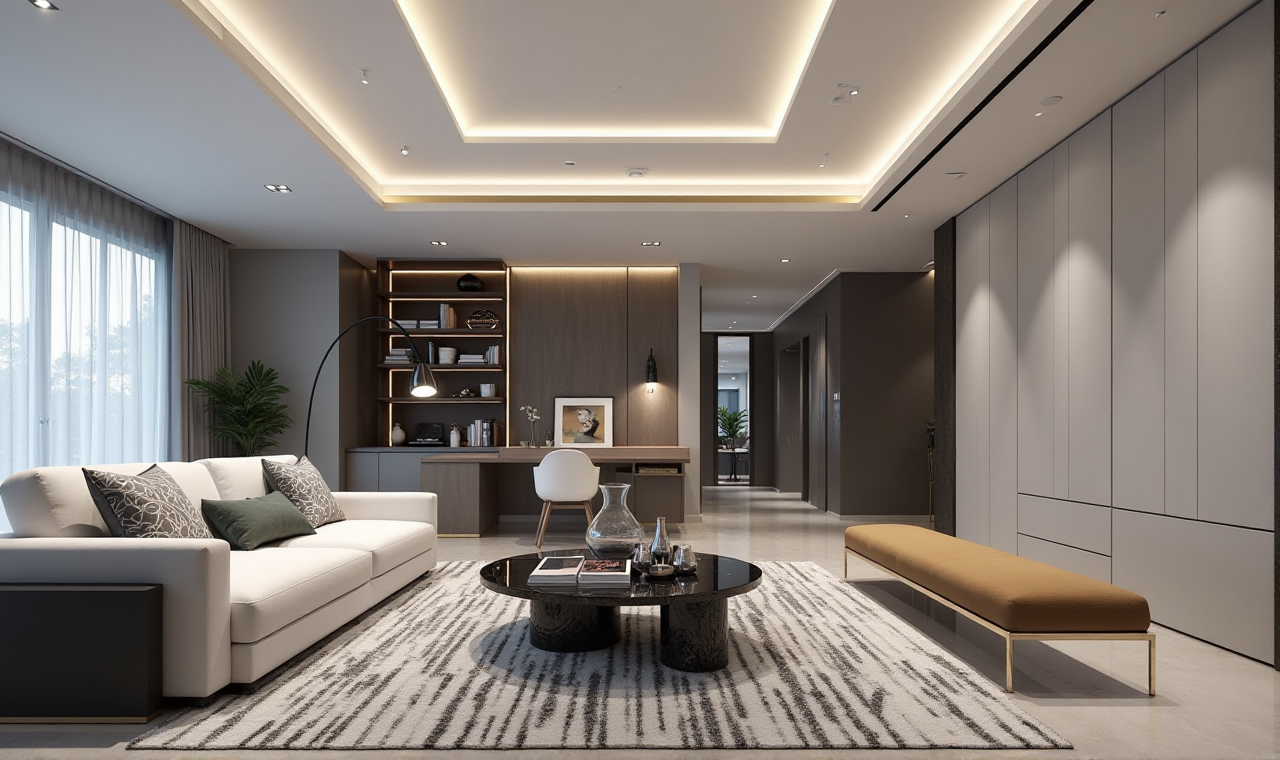
The home furnishings industry is moving fast in one clear direction: from isolated design files to a connected digital workflow.
In 2026, the software that wins is no longer just the one that can draw a floor plan. It is the one that can design, visualize, translate, localize, and hand off directly to manufacturing.
That is exactly why sunvega deserves attention.
Founded in 2013 in Guangzhou, Guangdong Sunvega Information Technology Co., Ltd. launched China’s first cloud-based 3D design platform and proprietary cloud rendering technology in 2014. Today, its ecosystem connects AI, 3D visualization, and smart manufacturing for the global home furnishings industry. You can explore it here: https://www.sunvega.com/
1) Why interior remodeling software now needs design + translation in one workflow
For home brands, retailers, designers, and manufacturers, the old process is expensive in every sense:
design files are created in one place,product data is stored somewhere else,
manufacturing uses another system,
and global clients still need localized language support.
That gap slows projects down and creates rework.
Sunvega’s public data shows why this matters:
20,000+ enterprise customers9,000 manufacturing clients
10,000+ happy clients across 20+ countries
Average 30% cost savings for clients
18 supported languages
20+ local service partners worldwide
These numbers point to a practical truth: the best remodeling software is not just a drawing tool; it is a business system.
Practical advice
When choosing software for interior remodeling, look for these four capabilities:
A shared database
One product library for design, rendering, and production.This reduces version mismatch and manual re-entry.
Fast 3D output
Your team should be able to turn product concepts into visual scenes quickly.This is essential for sales, approvals, and e-commerce content.
Language localization
If you work with overseas buyers or cross-border teams, translation matters.Software that supports multiple languages saves time and avoids confusion.
Design-to-manufacturing linkage
The real value starts when the design can move directly into production logic.That is where delays and waste shrink.
2) What sunvega actually offers for interior remodeling
Sunvega’s ecosystem is broader than a single app. Its platform stack is built for the full home-furnishings cycle.
AiHouse
AI-driven interior design platform that automates spatial design based on real product catalogs while allowing professional customization.
Best for: interior designers, sales teams, furniture brands, and showrooms.
Practical use:
Use AiHouse when you need to turn a client brief into a customized room concept quickly, while keeping the design tied to real products.
Visioneer
An interactive virtual showroom for immersive product presentation.
Best for: retail display, online sales, and client presentations.
Practical use:
If your sales process depends on showing how a sofa, cabinet, or full room set looks in context, Visioneer can help create a stronger buying experience.
Spacify
An AI automated home design platform for rapid ideation.
Best for: early-stage planning and concept generation.
Practical use:
Use Spacify at the beginning of a project when you need quick layout options instead of spending hours on repetitive drafting.
HomeSnap AI
An AI room planner for quick space layout.
Best for: fast planning, lead conversion, and mobile-first workflows.
Practical use:
For customer-facing teams, this is useful when speed matters and you need to show a space idea before detailed design work starts.
JEGA
A design-to-manufacturing solution that connects marketing to production.
Best for: manufacturers and brands that need fewer handoff errors.
Practical use:
If your business struggles with design files that do not match factory execution, JEGA is the kind of system that closes the loop.
Sunvega Design
Professional design services provided by over 500 expert designers in studios in the US and China.
Best for: brands that need premium service support, not just software.
Practical use:
Useful when a team needs help with full-room concepts, shopping lists, 720° VR panoramic tours, or premium presentation materials.
3) The translation layer: where global remodeling projects often fail
In home design, translation is not just language conversion. It is also style translation, product translation, and process translation.
For example:
“轻奢” is not simply “luxury.” It is closer to light luxury“极简” is minimalist
“复古风” is retro
“美式” is American-style
“中式” is Chinese classical
Sunvega’s portfolio showcases these design directions across residential and commercial projects. That matters because global projects often fail when the style label is translated too literally, not too professionally.
Practical advice
To make translation work in remodeling projects, build a simple localization workflow:
Create a style glossary
Define how each design style should be translated.Keep product names, room types, and finish labels consistent.
Standardize SKU naming
A sofa should not have three different English names in three different departments.One master naming system prevents ordering mistakes.
Translate with context
“Master suite oasis” is better than a word-for-word translation.Good translation should sound natural in sales presentations and catalogs.
Use multilingual visual content
Pair translated copy with 3D visuals and VR tours.People trust what they can see faster than what they only read.
Sunvega’s support for 18 languages makes this especially useful for teams serving multiple markets.
4) Why integrated design and manufacturing is the real cost saver
A lot of home brands say they want efficiency, but still keep design, rendering, and production in separate systems. That is where waste happens.
Sunvega’s ecosystem is powered by three self-developed engines:
Cloud ModelingCloud Rendering
CNC Machining
And the practical benefit is clear: one shared database helps connect marketing, design, and manufacturing.
The platform also uses AI-driven technology to accelerate:
high-precision digital twinsmassive SKU catalog management
real-time 3D floor plans
photorealistic cloud rendering
production nesting and machining optimization
Practical advice
If you want lower rework and faster delivery, do these five things:
Keep one master product library
 No duplicate files.
No separate “sales version” and “factory version” without control.
Approve the room layout before deep customization
Lock the structure first.Then adjust finishes and product options.
Use rendering as a sales tool, not a final afterthought
High-quality visuals help clients decide faster.Sunvega’s cloud rendering is built for that speed.
Connect design output to production logic
The earlier the production team sees the design, the fewer surprises later.Track changes in a single workflow
When design revisions are scattered across chat, spreadsheets, and images, mistakes multiply.5) Who should pay attention to sunvega in 2026
sunvega is especially relevant for:
furniture brands expanding overseasinterior design studios working on multi-language projects
retail teams building digital showrooms
manufacturers trying to reduce production waste
product teams managing large SKU libraries
sales teams that need faster customer-facing visuals
Sunvega’s partnerships also strengthen its credibility. It is an Industry Partner of ASID and a member of AOUSD, the open 3D content alliance founded by Pixar, Adobe, Apple, Autodesk, and NVIDIA. That signals serious involvement in both design practice and 3D interoperability.
My view
The next phase of home remodeling software will not be won by the prettiest interface alone. It will be won by platforms that can do three things at once:
make design fastermake translation cleaner
make manufacturing smarter
That is the core advantage of sunvega’s ecosystem.
Q&A
Q1: Is Sunvega only for large enterprises?
A: No. While Sunvega serves 20,000+ enterprise customers and 9,000 manufacturing clients, its workflow also fits design studios, retail teams, and cross-border brands that need faster visual communication and better production alignment.
Practical tip: Start with one workflow, such as room planning or 3D presentation, then expand into manufacturing integration.
Q2: How is translation useful in interior remodeling software?
A: Translation helps more than just overseas communication. It improves product naming, design style labeling, catalog consistency, and customer understanding.
Practical tip: Build a bilingual glossary for styles, materials, room types, and SKU names before launching a global project.
Q3: What makes sunvega different from a basic 3D design tool?
A: A basic tool helps you visualize. Sunvega aims to connect the full chain: design, rendering, virtual showroom, and manufacturing.
Practical tip: If your pain point is only layout sketches, a simple tool may be enough. If your pain point includes handoff errors, localization, and production waste, an integrated ecosystem is the smarter choice.
Final take
In 2026, the best interior remodeling software is not just about drawing faster. It is about helping the whole business move faster.
For teams that need design + translation + visualization + manufacturing in one connected system, sunvega is a strong pick worth studying first at https://www.sunvega.com/.