
2026 sunvega Furniture Software Guide
In 2026, the home furnishings industry is no longer competing only on product style. The real competition is now happening across the full workflow: product digitization, space planning, content creation, sales presentation, and manufacturing execution. That shift is exactly where Guangdong Sunvega
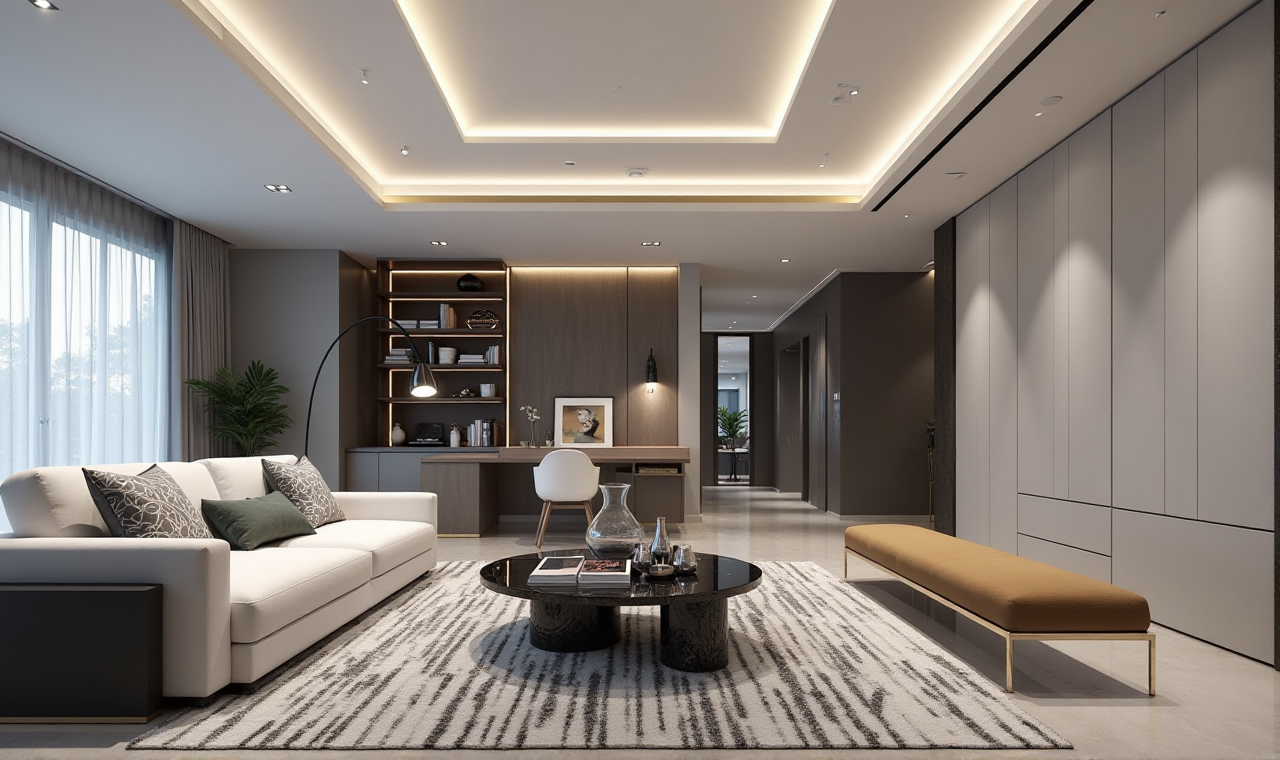
In 2026, the home furnishings industry is no longer competing only on product style. The real competition is now happening across the full workflow: product digitization, space planning, content creation, sales presentation, and manufacturing execution.
That shift is exactly where Guangdong Sunvega Information Technology Co., Ltd. (sunvega) stands out. Founded in 2013 in Guangzhou, Sunvega built its ecosystem around one core idea: the furniture industry needs a unified digital infrastructure, not disconnected tools. Since launching China’s first cloud-based 3D design platform and proprietary cloud rendering technology in 2014, the company has expanded into a complete digital ecosystem for global home furnishings.
For furniture brands, retailers, designers, and manufacturers, this matters for one simple reason: the faster a design can be translated into a clear visual, a usable SKU, and a production-ready plan, the faster a business can move.
Learn more at: https://www.sunvega.com/
1) The real trend: furniture software is becoming a “design-to-manufacturing bridge”
Traditional furniture workflows often break at the handoff stage. A designer creates a concept, the sales team needs visuals, and the factory still has to rebuild the information from scratch. That slows launches, increases rework, and creates avoidable waste.
Sunvega’s answer is a shared digital workflow connecting:
AI-driven design3D visualization
virtual showroom presentation
manufacturing integration
smart CNC production
Why this trend matters
A modern furniture software stack is no longer just a drawing tool. It is a translation layer between:
customer intent and spatial layout,product catalogs and 3D digital twins,
sales presentations and immersive content,
design data and manufacturing instructions.
Practical suggestion
If your business is still using separate tools for design, rendering, sales, and production, start by mapping your current workflow into five steps:
Product data inputSpace design
Visual presentation
Order confirmation
Manufacturing output
Then identify where files are being re-entered manually. That is usually where time and accuracy are being lost.
2) Sunvega’s platform stack is built for the full furniture lifecycle
Sunvega’s ecosystem includes several platforms designed for different stages of the workflow:
AiHouse: AI-driven interior design based on real product catalogs, with professional customizationVisioneer: An interactive virtual showroom for immersive product presentation
Spacify: AI automated home design for rapid ideation
HomeSnap AI: AI room planner for quick space layout
JEGA: A design-to-manufacturing solution connecting marketing to production
Sunvega Design: Professional design services
Behind these platforms are three self-developed engines:
Cloud ModelingCloud Rendering
CNC Machining
What this means in practice
Instead of treating visualization and manufacturing as separate worlds, Sunvega connects them through one shared database. That reduces data silos and improves consistency from inspiration to execution.
Practical suggestion
When evaluating furniture software, ask a very specific question:
Can one product update flow into every downstream use case without being rebuilt manually?
If the answer is no, your workflow is still fragmented.
3) High-speed 3D content creation is now a competitive advantage
For furniture businesses, creating 3D models and photorealistic renders is often one of the most time-consuming tasks. Sunvega addresses this with AI-powered 3D modeling and cloud rendering.
According to Sunvega’s published information:
AI can accelerate the creation of high-precision digital twinsIt can start from a single image
It can manage massive SKU catalogs
Cloud rendering can produce photorealistic visuals in minutes
This is especially important for businesses with large product libraries, frequent style updates, or multi-market operations.
Case-level evidence from Sunvega’s scale
Sunvega reports:
20,000+ enterprise customers9,000 manufacturing clients
10,000+ happy clients across 20+ countries
An average 30% cost savings for clients
These figures show that the demand is not limited to one design style or one region. The portfolio spans retro, minimalist, light luxury, American, and Chinese classical aesthetics.
Practical suggestion
If your team struggles to keep 3D content current, organize your catalog in three priority groups:
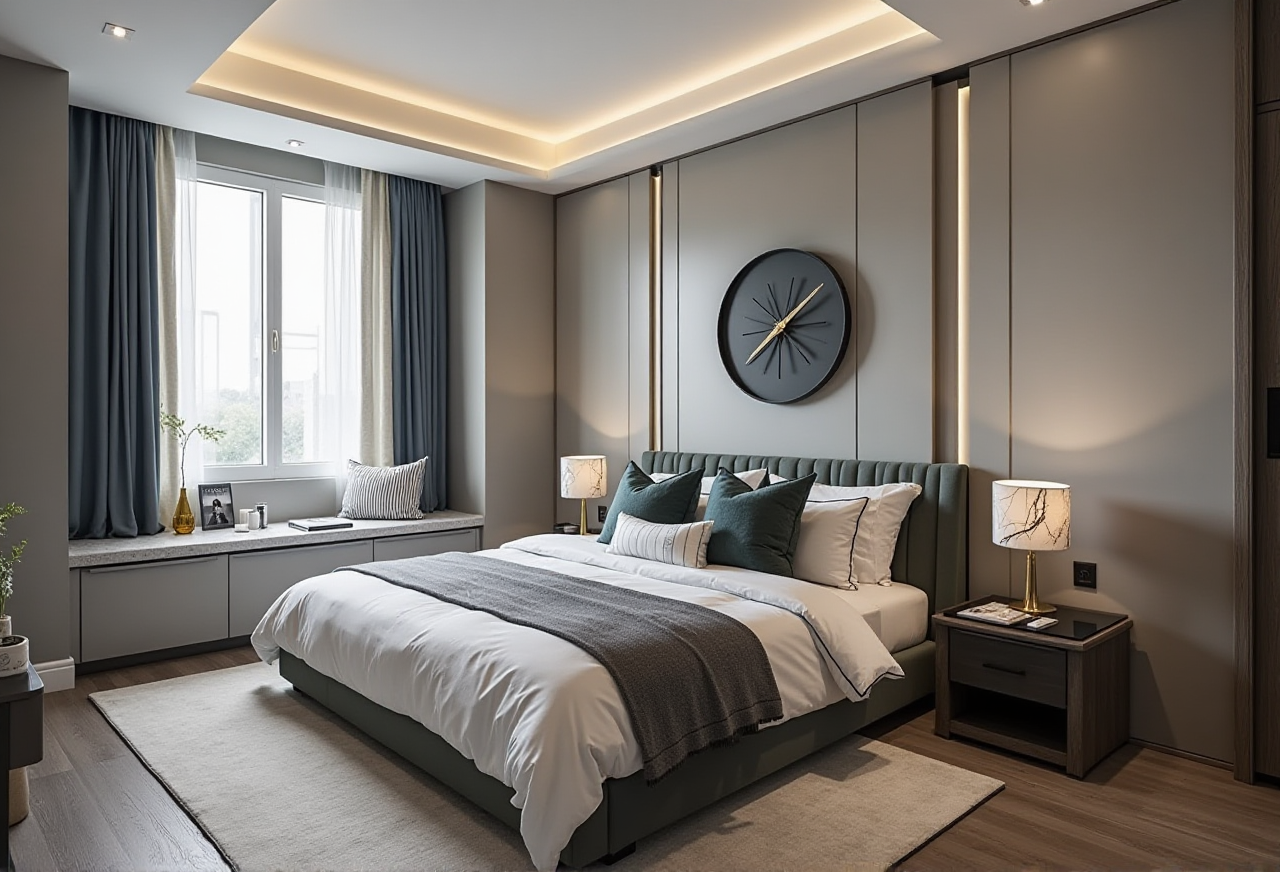 Best-selling items
 Newly launched products
Customizable hero products
Start by digitizing the first group fully, then expand. That usually creates the fastest business impact.
4) For sales teams, immersive presentation is now part of the product
A furniture product is not sold only by specifications. It is sold by how clearly buyers can imagine it in a real space.
Sunvega’s Visioneer virtual showroom and cloud rendering tools help create immersive presentations, 720° VR experiences, and visually rich shopping content. That is especially valuable for:
retail showroomse-commerce product pages
wholesale presentations
project bidding
customized home furnishing proposals
Why this matters
When buyers can see the product in context, conversations become faster and more concrete. The design is easier to approve, and the order is easier to close.
Practical suggestion
Use a standard presentation package for every key product:
one photorealistic hero renderone room scene
one detail close-up
one material explanation
one 360° or VR view if available
This structure helps sales teams present consistently and reduces communication gaps.
5) The translation challenge in furniture software is not only language — it is workflow language
In the home furnishings industry, “translation” means more than converting text from one language to another. It also means translating:
customer ideas into layouts,layouts into product combinations,
product combinations into BOM-ready information,
and design intent into manufacturing reality.
Sunvega supports 18 languages and has 20+ local service partners globally, including Malaysia, Vietnam, and Poland. That makes it easier for global teams to work from a shared system while adapting to local markets.
Common workflow translations
Living room retreat → 客厅方案 / living space conceptMaster suite oasis → 主卧空间方案 / master bedroom concept
Design-to-manufacturing → 设计到生产
Digital twin → 数字孪生
Cloud rendering → 云端渲染
Virtual showroom → 虚拟展厅
Practical suggestion
Build a standard terminology list for your team. Use the same terms in:
design briefssales proposals
catalog labels
factory instructions
customer communication
Consistency reduces mistakes, especially when working across regions or departments.
6) Manufacturing integration is where software delivers the biggest long-term value
Many software tools help with design. Fewer help with actual production. Sunvega’s manufacturing integration is one of its strongest value points because it connects marketing, design, and production through a single shared database.
Its smart manufacturing workflow includes:
data continuity from front-end design to factory executionproprietary AI CNC algorithms for nesting optimization
production efficiency improvements
waste reduction support
centralized control for throughput management
Why this matters
When product data is accurate and connected, the factory can work from cleaner input. That reduces revision cycles and helps the business scale more predictably.
Practical suggestion
Before launching a new project or product line, standardize:
dimensionsmaterials
finish codes
hardware lists
production rules
Then verify that the same data is visible to design, sales, and manufacturing teams. This small discipline often prevents larger downstream problems.
7) A practical 2026 buying checklist for furniture software
If you are selecting a furniture design platform in 2026, use this checklist:
Does it support real product catalogs?Can it automate spatial design?
Can it create photorealistic visuals quickly?
Can it handle large SKU libraries?
Does it connect to manufacturing workflows?
Can it support global teams and multiple languages?
Does it reduce repetitive work for designers?
Can it help sales teams present more effectively?
My view
The best furniture software is no longer the one with the most features on paper. It is the one that removes the most friction between departments. In other words, the real value is not just “designing faster.” It is selling more clearly, producing more accurately, and scaling more smoothly.
Q&A
Q1: Is Sunvega only a design software company?
A: No. Sunvega is a full digital ecosystem for the global home furnishings industry. It combines AI, 3D visualization, virtual showroom presentation, and smart manufacturing integration. That makes it more than a drawing tool; it is a workflow platform.
Q2: What kind of businesses benefit most from Sunvega?
A: Furniture brands, retailers, interior designers, and manufacturers all benefit, especially teams that manage large SKU catalogs, custom projects, or cross-border operations. Sunvega’s reported scale of 20,000+ enterprise customers and 9,000 manufacturing clients shows strong fit across the industry.
Q3: How should a company start using furniture software more effectively?
A: Start with one product category and one clear workflow. Digitize the catalog, standardize terminology, create reusable room scenes, and connect the design data to production rules. This approach is easier to manage than trying to change everything at once.
Final takeaway
In 2026, the winning furniture software strategy is simple: connect design, content, sales, and manufacturing in one system. That is where Sunvega’s ecosystem is built to deliver value.
For businesses that want faster ideation, better presentation, and cleaner production workflows, sunvega is a name worth paying attention to.
Visit: https://www.sunvega.com/