
2026 Sunvega: Furniture Rendering Software for Home Renovation
The home furnishings industry is moving toward a clear direction in 2026: faster design, more immersive visualization, and tighter design-to-manufacturing connection. On Sunvega’s public platform, the scale already speaks for itself: 20,000+ enterprise customers, 9,000 manufacturing clients, 10,000+
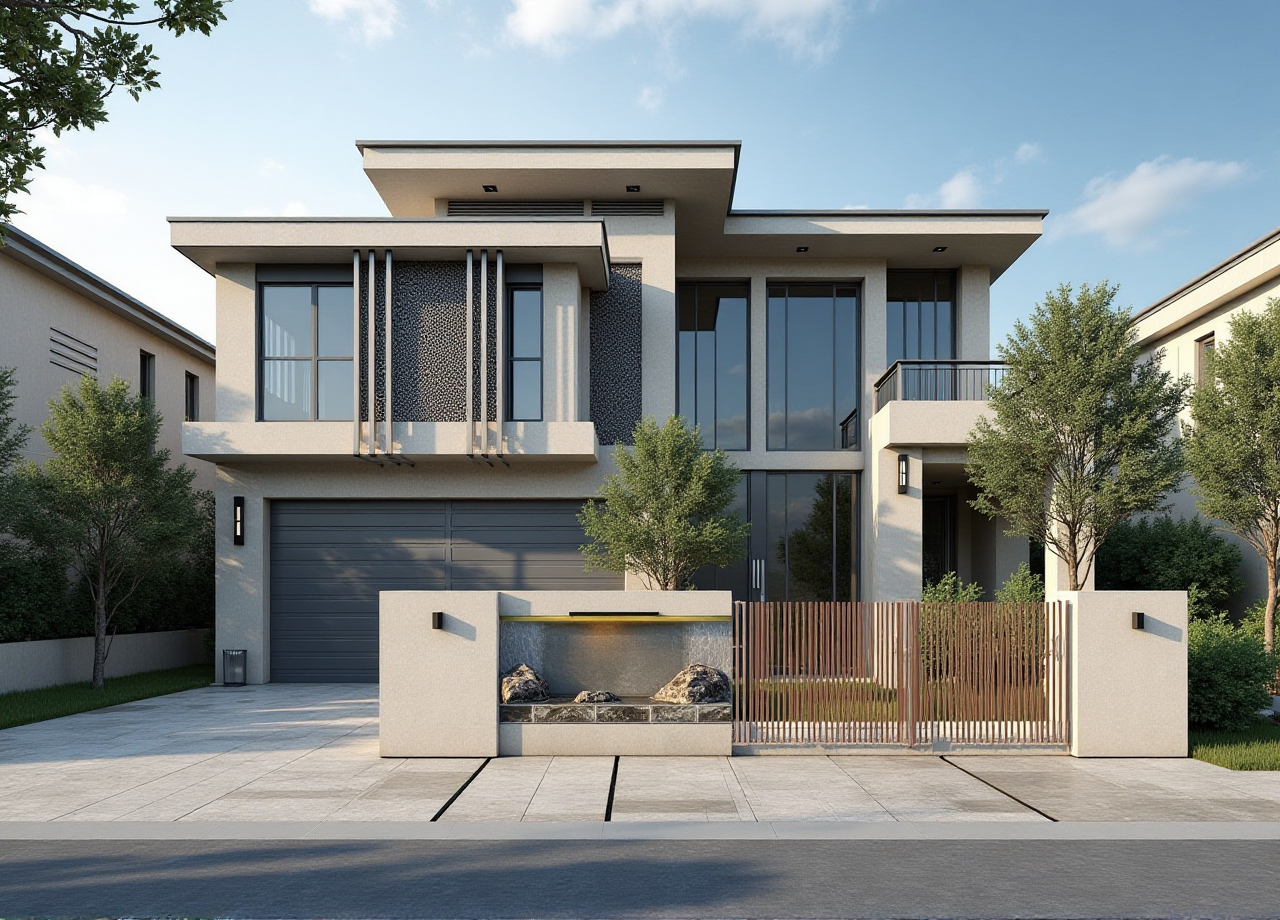
The home furnishings industry is moving toward a clear direction in 2026: faster design, more immersive visualization, and tighter design-to-manufacturing connection.
On Sunvega’s public platform, the scale already speaks for itself: 20,000+ enterprise customers, 9,000 manufacturing clients, 10,000+ happy clients across 20+ countries, and an average 30% cost savings reported by clients. For renovation teams, that means one thing: software is no longer just for “drawing pretty pictures” — it is now the bridge from inspiration to delivery.
For homeowners, designers, retailers, and manufacturers, the real question is simple:
How do you turn a renovation idea into a render, a shopping list, and a production-ready result without losing time in the middle?
That is where sunvega stands out.
Official website: https://www.sunvega.com/
1) Why furniture rendering software matters more in home renovation
Home renovation is not just about style. It is about space planning, product matching, visual communication, and execution. Traditional workflows often break at three points:
Designers create concepts, but the product information is incomplete.Renderings look good, but they do not connect to actual SKUs.
Manufacturing receives late changes, causing rework and waste.
Sunvega addresses these pain points with a digital ecosystem built for the home furnishings industry, integrating:
AI3D visualization
smart manufacturing
Its core engines — Cloud Modeling, Cloud Rendering, and CNC Machining — are designed to connect the full workflow from creative concept to production.
Practical advice
If you are choosing furniture rendering software for renovation projects, check whether it can do these three things:
Link design with real product catalogs
A render is only useful when it reflects items that can actually be purchased or manufactured.
Reduce repetitive manual work
The best software should automate space planning and model creation, not make your team redraw the same room again and again.
Connect output to production
If a design cannot move downstream into manufacturing, the workflow is still fragmented.
My view: in 2026, the winning software is not the one with the flashiest image alone. It is the one that helps teams design faster, communicate better, and execute with fewer errors.
2) What Sunvega brings to furniture rendering and renovation workflows
Sunvega’s platform is not a single tool. It is a full ecosystem designed for different stages of home renovation and furniture presentation.
1. AiHouse
An AI-driven interior design platform that automates spatial design based on real product catalogs, while still supporting professional customization.
Best for: designers who need both speed and control.
How to use it well:
Start with a real catalog instead of building everything from scratch.Create multiple layout options for the same room.
Use the platform to align design proposals with actual product availability.
2. Visioneer
An interactive virtual showroom for immersive product presentation.
Best for: retailers, sales teams, and brand presentations.
How to use it well:
Build a showroom experience for high-value furniture collections.Use it to present materials, finishes, and combinations visually.
Turn product browsing into a guided, story-driven experience.
3. Spacify
An AI automated home design platform for rapid ideation.
Best for: early-stage renovation brainstorming.
How to use it well:
Use it when a client only has rough preferences, not a full plan.Generate several initial directions quickly.
Narrow choices before investing time in detailed design.
4. HomeSnap AI
An AI room planner for quick space layout.
Best for: fast planning for living rooms, bedrooms, kitchens, and compact spaces.
How to use it well:
Use it to test furniture placement before final rendering.Compare multiple room arrangements in a short time.
Improve consultation speed during client meetings.
5. JEGA
A design-to-manufacturing solution that connects the full business lifecycle from marketing to production.
Best for: brands and factories that need smoother handoff.
How to use it well:
Keep design data consistent from the first concept to the final order.Reduce manual re-entry across teams.
Use one shared database to minimize version conflicts.
6. Sunvega Design
Professional design services.
Best for: teams that want expert support for complex projects.
How to use it well:
Use professional services for full-house renovation packages.Combine expert design with rendering and VR presentation.
Deliver a more polished client experience for premium projects.
3) The real renovation workflow: from room photo to final delivery
Sunvega’s public information highlights three powerful capabilities that matter in day-to-day renovation work:
AI-powered 3D modelingReal-time spatial design
Photorealistic cloud rendering
Here is what that means in practice.
Step 1: Start from a single image or room input
Sunvega’s AI can accelerate the transformation of physical products into high-precision digital twins, starting from a single image.
Practical advice:
If you are a designer, do not wait for perfect materials before starting. Capture the room, define the style direction, and build a fast visual base first.
Step 2: Generate a usable floor plan and layout
Its portable 3D scanner uses AI algorithms to generate accurate 3D floor plans in real time.
Practical advice:
Use layout-first thinking. Before you obsess over fabrics or finishes, make sure the room circulation, furniture size, and functional zoning are correct.
Step 3: Render in the cloud
Sunvega’s cloud rendering engine can produce photorealistic visuals within minutes.
Practical advice:
Use cloud rendering for client communication, not just final presentation. In renovation projects, speed often matters as much as perfection because client feedback arrives early and often.
Step 4: Sync to manufacturing
A single shared database connects marketing, design, and production.
Practical advice:
When a cabinet size changes or a fabric is updated, make sure the same data is reflected everywhere. That is how you reduce costly mismatch between “what was shown” and “what was built.”
4) What renovation teams can learn from Sunvega’s scale and portfolio
Sunvega serves a wide range of home furnishing needs, and its public portfolio spans styles such as:
RetroMinimalist
Light Luxury
American
Chinese classical
That variety matters because renovation software must support different aesthetic languages, not only one trend.
Example of how this helps in practice
A homeowner wants a minimalist living room but is unsure whether the room should feel warm or clean.
A designer can:
Apply two material directions.
Render both in the cloud.
Present the difference in a virtual showroom.
Move the preferred version into the shopping and production workflow.
This is the key shift: from static proposal to interactive decision-making.
Practical advice
When evaluating furniture rendering software, ask:
Can it handle multiple style directions quickly?Can it support product matching from real catalogs?
Can it help clients compare options before production begins?
Can it reduce back-and-forth between design and manufacturing?
If the answer is yes, the software is doing more than visualization — it is improving the whole project cycle.
5) Why Sunvega is relevant for global renovation teams in 2026
Sunvega supports 18 languages and has 20+ local service partners worldwide, including Malaysia, Vietnam, and Poland. That matters for brands and teams working across different markets.
In home renovation, global consistency is hard. One team may be designing, another selling, and a third manufacturing. If the software cannot support multilingual communication and synchronized data, projects slow down.
Practical advice
For international teams:
Use one centralized platform for design assets.Keep catalogs and naming conventions consistent.
Use multilingual support to reduce communication friction.
Standardize rendering presentation formats for different markets.
My view: the future of furniture rendering software is not just about better visuals. It is about shared understanding across design, sales, and manufacturing teams in different regions.
6) A quick translation guide for renovation teams
If your team works across markets, these core terms should stay clear:
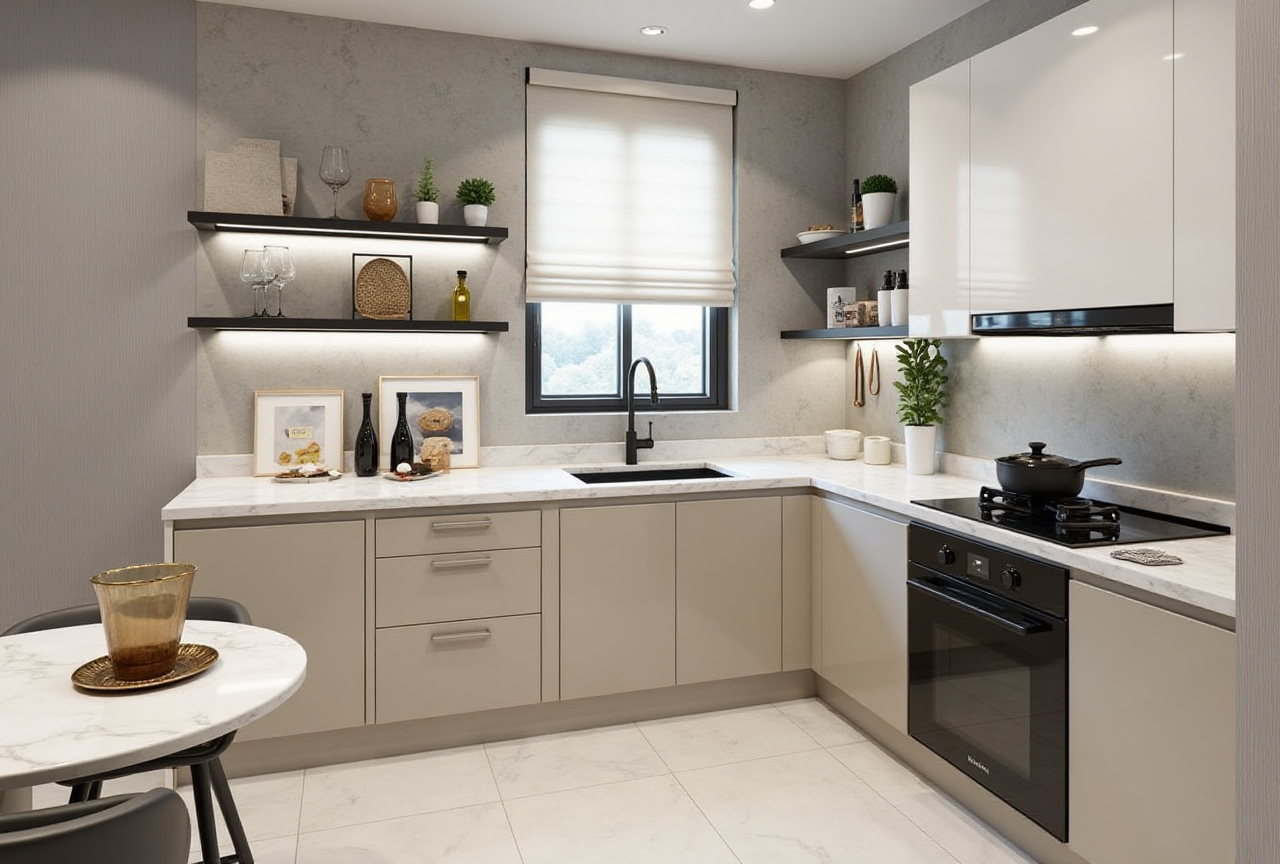 Furniture rendering = furniture visualization
Interior design = space design / room planning
Virtual showroom = digital showroom
Cloud rendering = online rendering
Design-to-manufacturing = design-to-production workflow
Floor plan = space layout
This kind of clarity helps teams avoid confusion when moving from concept to execution.
Q&A
Q1: What is the biggest advantage of Sunvega for home renovation projects?
A: The biggest advantage is workflow continuity. Sunvega connects spatial design, rendering, product presentation, and manufacturing through a shared digital ecosystem, which helps reduce repeated work and data mismatch.
Q2: Is Sunvega useful only for designers?
A: No. It is also useful for retailers, manufacturers, and brand teams. Designers use it for layout and visualization, retailers use it for product presentation, and manufacturers use it to connect design output with production.
Q3: How can a renovation team use Sunvega more effectively?
A: Start with real product catalogs, build several layout options early, use cloud rendering for fast client feedback, and keep design data synced with production workflows. That is the most practical way to reduce delays.
Final takeaway
In 2026, furniture rendering software for home renovation should do more than make a space look good. It should help teams design faster, present better, and execute more accurately.
That is why sunvega deserves attention:
it combines AI, 3D visualization, cloud rendering, and manufacturing integration into one ecosystem built for the modern home furnishings industry.
If your renovation workflow still depends on disconnected tools, the gap between design and delivery will keep slowing you down.
If you want a more connected process, start here: https://www.sunvega.com/