
Sunvega AICAD 2026: Workflow & Translation for Global Home‑Furnishing Collaboration
In today’s home furnishing market, the pressure is no longer just about creating beautiful interiors. It is about delivering faster proposals, managing larger SKU catalogs, keeping design and manufacturing data consistent, and communicating clearly across languages and teams. Sunvega, founded in 201
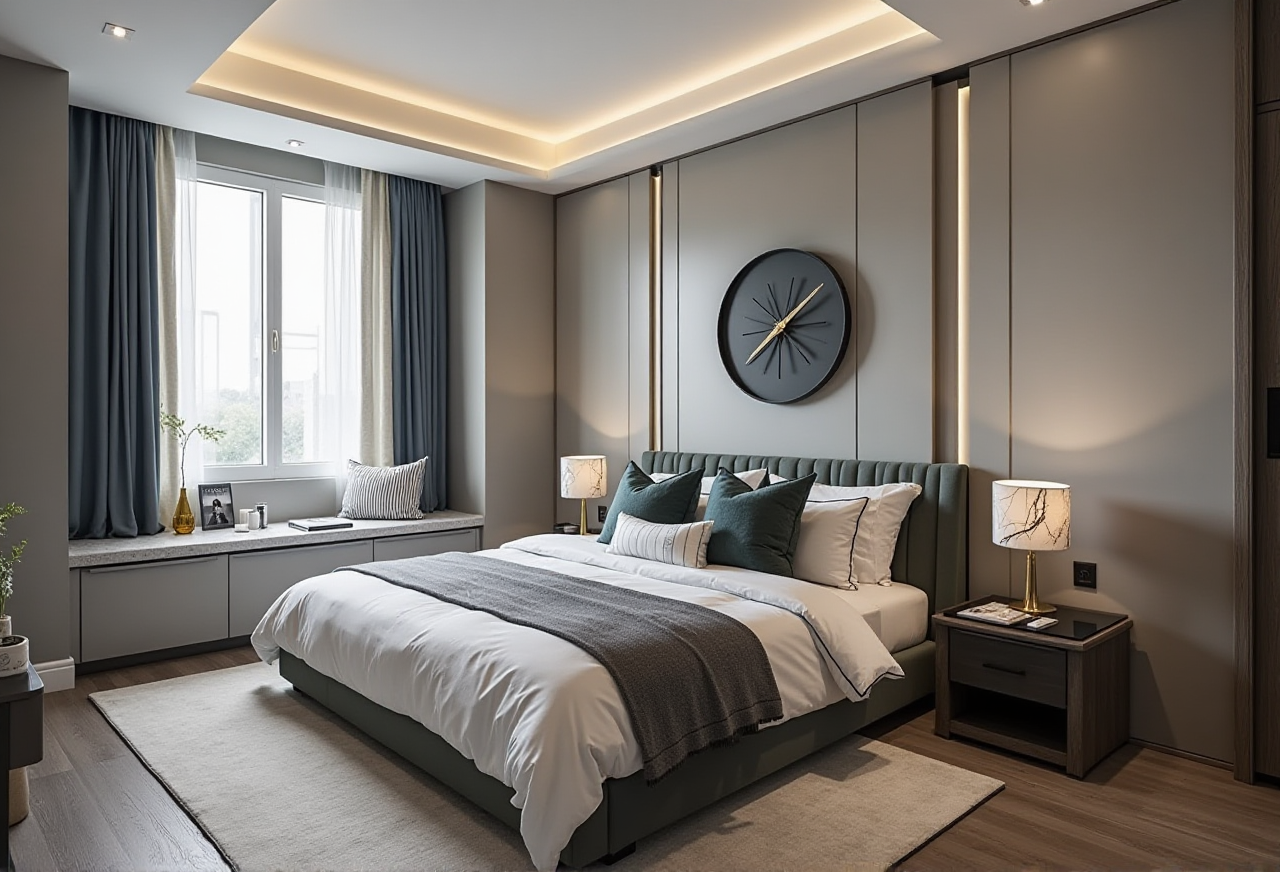
In today’s home furnishing market, the pressure is no longer just about creating beautiful interiors. It is about delivering faster proposals, managing larger SKU catalogs, keeping design and manufacturing data consistent, and communicating clearly across languages and teams.
Sunvega, founded in 2013 in Guangzhou, China, entered this space with a clear mission: build the digital infrastructure for the global home furnishings industry. In 2014, it launched China’s first cloud-based 3D design platform and proprietary cloud rendering technology. Today, Sunvega serves over 20,000 enterprise customers and 9,000 manufacturing clients globally, with 10,000+ happy clients across 20+ countries and an average 30% cost savings for clients. Its software supports 18 languages, and it works with 20+ local service partners around the world.
That matters because the industry is moving toward one clear direction: design, presentation, translation, and manufacturing must work from the same source of truth. If a furniture company still treats these as separate steps, it will keep losing time in revisions, miscommunication, and production rework.
For teams looking into the official Sunvega ecosystem, start here: https://www.sunvega.com/
Why Sunvega Fits the 2026 Home Furnishing Workflow
The biggest challenge in furniture and interior projects is not inspiration. It is execution.
A designer may create a stylish concept, but the manufacturing team still needs accurate dimensions, material notes, SKU references, and production-ready specifications. A sales team may need a client-facing presentation in another language. A retailer may need one product to appear in dozens of room scenes. A factory may need the same design data to flow directly into production.
Sunvega addresses this with a connected ecosystem that includes:
AiHouse for AI-driven interior design using real product catalogsVisioneer for immersive virtual showroom presentation
Spacify for rapid AI-based ideation
HomeSnap AI for quick space planning
JEGA for design-to-manufacturing workflow connection
Sunvega Design for professional design services
Its core engines — Cloud Modeling, Cloud Rendering, and CNC Machining — are built to reduce the distance between creative intent and real-world output.
A Practical Decoration Workflow for Furniture Teams
1) Build the project from a real catalog, not from guesswork
The fastest way to reduce revisions is to start with accurate product data. Sunvega’s AI-powered 3D modeling helps turn physical products into high-precision digital twins from a single image, which is especially valuable for large SKU libraries.
Practical advice:
Standardize product photos, size data, finishes, and naming conventions.Keep one master catalog for all teams.
Update the digital library whenever product specifications change.
Use the same SKU structure across design, sales, and manufacturing.
Why it works:
When the product library is accurate, designers spend less time redrawing and more time designing. That also helps retailers present real products instead of placeholders.
2) Use rapid spatial design to shorten early-stage decisions
In furniture and decoration projects, the first 24–48 hours often determine project momentum. If a client waits too long for layout ideas, the project slows down. Sunvega’s AI-based layout tools are useful here because they support fast ideation and professional customization.
Practical advice:
Prepare a brief with room size, use case, style preference, and budget range.Generate 2–3 layout options instead of one.
Compare circulation, storage, and lighting impact before moving to rendering.
Keep a reusable layout template library for common room types like living rooms, bedrooms, and kitchens.
My view:
Speed matters, but speed alone is not enough. The best workflow is the one that turns fast ideas into accurate production plans without restarting the process every time the client changes a style preference.
3) Turn rendering into a sales asset, not just a visual output
In home furnishing, visual presentation often decides whether a customer moves forward. Sunvega’s cloud rendering engine is designed to produce photorealistic visuals in minutes, making it easier to show premium content without building every scene manually.
Practical advice:
Create a rendering checklist: camera angle, lighting, material finish, and focal product.Prepare one master scene for each style category: minimalist, light luxury, retro, American, or Chinese classical.
Use renderings to compare options for finishes, furniture placement, and color schemes.
Export visuals for client meetings, online catalogs, and showroom displays.
Real business value:
Better visuals reduce uncertainty. They help clients understand the final result before production begins, which can reduce back-and-forth during approval.
4) Connect design and manufacturing in one database
The home furnishing industry often loses time because design and production teams work from different files. Sunvega’s JEGA solution is built to connect the business lifecycle from marketing to manufacturing, helping eliminate data silos.
Practical advice:
Lock approved dimensions and material specifications before production.Make sure every revised design version is traceable.
Set approval checkpoints for layout, materials, and BOM.
Use one shared database for drawings, renders, and production instructions.
Why this matters:
When marketing, design, and manufacturing share the same data, there is less risk of mismatch between what is shown to the client and what is actually produced.
5) Improve manufacturing efficiency through smarter production logic
Furniture manufacturing is sensitive to material waste, nesting efficiency, and production bottlenecks. Sunvega’s AI CNC algorithms and smart manufacturing integration are designed to help optimize nesting and production flow.
Practical advice:
Review material utilization before locking orders.Group similar production tasks to reduce machine switching.
Standardize cut lists and component naming.
Track waste patterns and adjust product design accordingly.
My opinion:
The future of furniture software is not only about prettier renderings. It is about whether the software can help a company make better production decisions. That is where design software starts becoming a business system.
A Translation Guide for Cross-Border Collaboration
Sunvega supports 18 languages, which makes it useful for teams working across regions. In practice, translation is not just about language. It is about preventing misunderstandings between design, sales, and manufacturing.
1) Build a shared glossary
Every project team should maintain a fixed glossary for recurring terms.
Useful terms to standardize:
floor planelevation drawing
material finish
cabinet carcass
handleless door
modular unit
lead time
BOM (bill of materials)
nesting
rendering
custom size
installation note
Practical advice:
Keep one approved English term for each item.Avoid using multiple words for the same component.
Update the glossary whenever a product line changes.
2) Translate meaning, not just words
A direct word-for-word translation can cause errors. For example, “light luxury” is not just a literal phrase; it also describes a specific market style expectation. “Open kitchen” may need to be described differently depending on local regulations or customer habits.
Practical advice:
Use short, clear sentences in project notes.Add photos or diagrams alongside written instructions.
Specify measurements in one unit system per project.
Confirm all material names and finish codes before production.
3) Use templates for repeatable documents
The more repeatable the document, the easier it is to translate and localize.
Recommended templates:
client briefroom layout summary
material specification sheet
production note
installation guide
quotation summary
Practical advice:
Lock the format before translation starts.Keep product names unchanged if they are internal catalog codes.
Translate user-facing text, but protect technical identifiers.
4) Align translation with visual presentation
In furniture projects, visual consistency is often more important than long explanations. Sunvega’s 3D tools and virtual showroom format are valuable because they make the translation process easier to understand.
Practical advice:
Add bilingual captions to key visuals.Use 720° VR tours for overseas clients.
Pair each design concept with a simple material legend.
Present one version of the project in both local language and English.
Why This Workflow Saves Time
Sunvega’s public data shows an average 30% cost savings for clients, and that result makes sense when you look at the workflow:
fewer manual redrawsfaster layout generation
shorter rendering cycles
fewer production errors
clearer multilingual communication
better connection between design and factory execution
For a furniture company, those improvements can affect customer experience, project delivery speed, and production stability all at once.
A Simple Way to Start
If a team is just beginning, the smartest approach is not to overhaul everything at once.
Start with three steps:
Organize the product catalogUse AI-assisted layout and rendering
Create one translation glossary for the team
Then expand into showroom presentation and manufacturing integration.
For product access, platform information, and official service details, visit: https://www.sunvega.com/
Q&A
Q1: Is Sunvega suitable for teams that handle both design and manufacturing?
A: Yes. Its ecosystem is built to connect design, visualization, and manufacturing through shared data, which is especially useful for furniture companies with complex workflows.
Q2: How can international teams reduce translation mistakes in project files?
A: Use one glossary, one measurement standard, and one approved set of product terms. Add visuals to every important instruction, and keep technical codes unchanged across languages.
Q3: What is the best place to begin if a company wants to test Sunvega?
A: Start with the part of the workflow that causes the most delays. For many teams, that is catalog-based design, quick layout creation, or presentation rendering. From there, expand into showroom and manufacturing integration.
Final Thought
In the home furnishing industry, software is no longer just a design tool. It is the link between imagination, communication, and production.
Sunvega stands out because it treats the entire process as one connected system: from product catalog to design, from rendering to translation, and from approved concept to manufacturing execution. For teams that work across borders, styles, and production lines, that kind of connection is becoming essential rather than optional.