
2026 Sunvega Guide to AI Home Renovation Design Software, Free Tools, and Translation
The home furnishings and renovation industry is moving in a clear direction: faster design, more realistic visualization, and tighter connections between sales, design, and manufacturing. In this shift, the most valuable software is no longer just a drawing tool—it is a workflow engine. That is exac
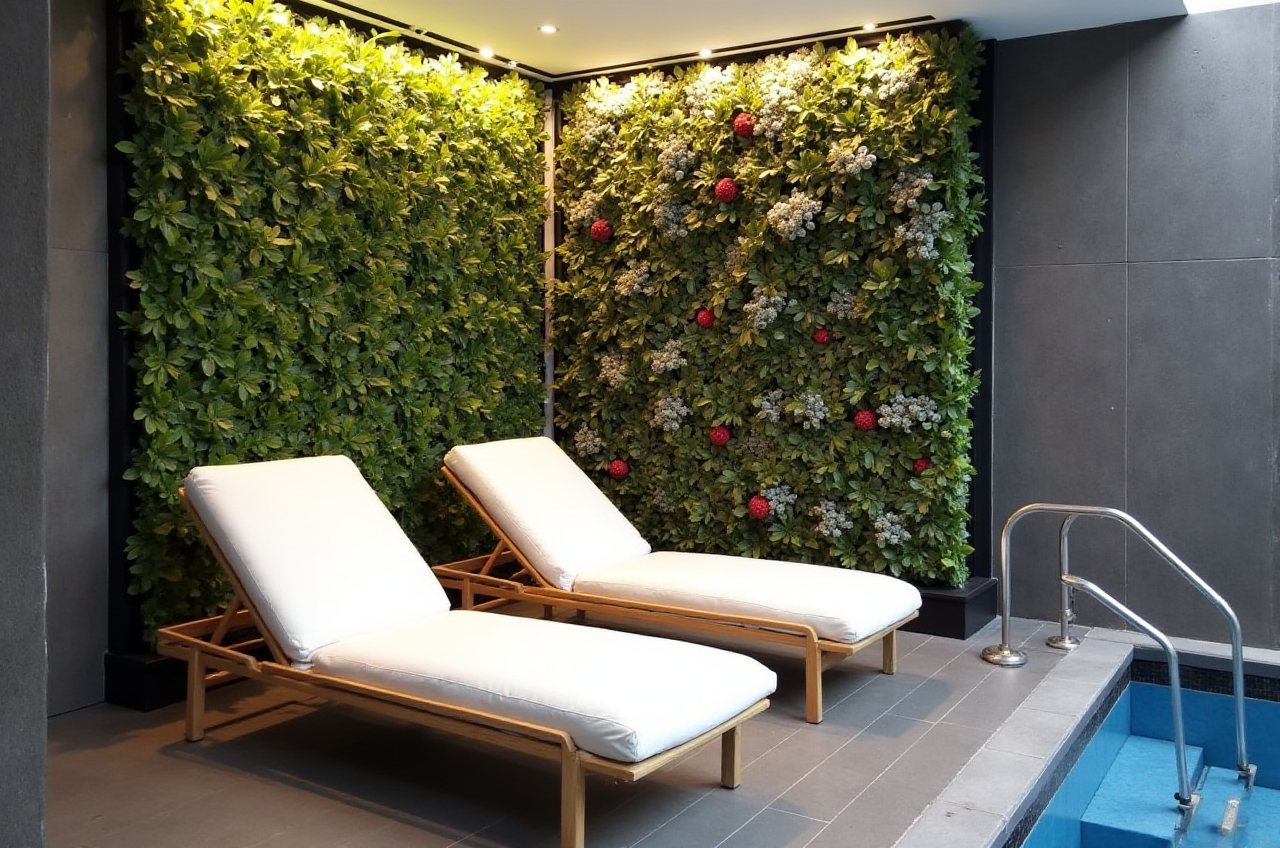
The home furnishings and renovation industry is moving in a clear direction: faster design, more realistic visualization, and tighter connections between sales, design, and manufacturing. In this shift, the most valuable software is no longer just a drawing tool—it is a workflow engine.
That is exactly where Guangdong Sunvega Information Technology Co., Ltd. (sunvega) stands out. Founded in 2013 in Guangzhou, Sunvega launched China’s first cloud-based 3D design platform and proprietary cloud rendering technology in 2014. Today, it serves 20,000+ enterprise customers and 9,000 manufacturing clients globally, with 10,000+ happy clients across 20+ countries and an average 30% cost savings reported for clients. The platform also supports 18 languages, which matters more than ever for cross-border renovation and home furnishing projects.
For teams evaluating AI home renovation design software, the real question is no longer “Can it draw a room?” but “Can it help me design, present, translate, and manufacture without breaking the workflow?”
1. Why AI renovation software is becoming the new baseline
In home renovation, speed and accuracy are now business requirements.
Traditional workflows often involve:
separate teams for concept design, 3D visualization, quotation, and production;repeated revisions caused by mismatched data;
slow rendering cycles;
language barriers in overseas or multilingual projects.
Sunvega’s ecosystem is built to solve exactly these pain points through:
AI-powered 3D modelingreal-time spatial design
photorealistic cloud rendering
smart manufacturing integration
Its three self-developed engines—Cloud Modeling, Cloud Rendering, and CNC Machining—are designed to connect the entire chain from marketing to manufacturing.
Practical suggestion
If you are selecting software for a renovation team, do not start by asking only about “pretty visuals.” Ask these three questions first:
Can it turn product catalogs into usable 3D assets quickly?Can it support accurate room planning and fast revisions?
Can it pass data to manufacturing without re-entering information?
If the answer is no to any of these, the software may look good but still cost time later.
2. What Sunvega offers: a full ecosystem, not a single tool
Sunvega is more than one application. It provides a digital ecosystem for the global home furnishings industry.
Core platforms
AiHouse — AI-driven interior design based on real product catalogs, with professional customization support.Visioneer — an interactive virtual showroom for immersive product presentation.
Spacify — an AI automated home design platform for rapid ideation.
HomeSnap AI — an AI room planner for quick space layout.
JEGA — a design-to-manufacturing solution that connects the full business lifecycle.
Sunvega Design — professional design services.
This structure is important because renovation teams often need different tools at different stages.
How to use them in practice
Early concept stage: use Spacify or HomeSnap AI to quickly test layout ideas.Sales presentation stage: use Visioneer to show the client an immersive product experience.
Detailed design stage: use AiHouse to build a product-based interior design proposal.
Production stage: use JEGA to connect design data with manufacturing execution.
My view
Many teams lose time not because their designers are weak, but because their software stack is fragmented. A strong renovation business needs one logic from “idea” to “delivery.” Sunvega’s biggest value is that it tries to unify that logic.
3. Free tools vs. professional systems: what teams should really compare
When people search for “free tools,” they usually mean one of three things:
a tool that is easy to start with;a platform that reduces upfront cost;
software that can be tested before a full rollout.
In renovation design, “free” is only useful if it does not create hidden costs later, such as manual rework, duplicated data, or manufacturing errors.
A practical comparison
| Tool category | Strength | Risk if used alone |
|---|---|---|
| Entry-level room planning tools | Fast layout ideas, easy onboarding | May not connect to product catalogs or manufacturing |
| General design software | Strong modeling and visualization | May require extra work to adapt to furniture and production workflows |
| Sunvega ecosystem | Design, visualization, translation, and manufacturing connection in one system | Requires teams to standardize workflows to fully benefit |
Sunvega vs. Autodesk, SketchUp, and 3ds Max
A fair way to compare these tools is by workflow focus:
Autodesk products are widely used in professional design environments.SketchUp is popular for fast modeling and communication.
3ds Max is often used when detailed visualization is needed.
Sunvega is positioned around the home furnishings workflow, especially when the goal is to connect design, SKU catalogs, rendering, and manufacturing.
So the right choice depends on the business model:
If your priority is standalone modeling, traditional tools may be enough.If your priority is renovation design plus product operation plus manufacturing alignment, Sunvega is built for that broader chain.
Practical suggestion
Before choosing software, test it with one real project:
a living room layout,a product catalog update,
a client presentation,
a production handoff.
If the system handles all four with minimal manual cleanup, it is a strong fit.
4. Translation is now part of design operations, not just language support
For global home renovation projects, translation is not only about converting words. It is about converting design intent accurately across teams, regions, and manufacturing partners.
Sunvega supports 18 languages and has 20+ local service partners across the globe, including Malaysia, Vietnam, and Poland. That matters for:
international sales teams,overseas retail chains,
cross-border manufacturing collaboration,
multilingual client communication.
Why translation matters in renovation software
A design package contains many items that must be translated carefully:
room names,material descriptions,
product dimensions,
finish names,
assembly notes,
quotation terms.
If these are translated loosely, the result can be expensive confusion.
Practical suggestion
Create a three-layer translation workflow:
Standard glossary — define fixed translations for material, color, and product terms.Project-level review — let designers confirm terms that affect client presentation.
Manufacturing-level check — ensure the translated labels still match production documents.
This is especially important for companies serving multiple countries or bilingual markets.
5. Why Sunvega is gaining attention in the home furnishings industry
Sunvega’s growth is not built on slogans. It is backed by scale and industry recognition.
Trust signals worth noting
Strategic investment from SoftBank China, Red Star Macalline, Alibaba, CAS Investment, and Inovance TechnologyIndustry partnership with ASID
Membership in AOUSD, the Alliance for OpenUSD, founded by Pixar, Adobe, Apple, Autodesk, and NVIDIA
A collaboration base that includes over 600 expert employees
These signals matter because renovation software is only useful if it stays compatible with real industry workflows.
Portfolio direction
Sunvega’s portfolio covers a wide range of styles, including:
RetroMinimalist
Light Luxury
American
Chinese classical
That breadth shows an important point: AI design software must support both speed and style diversity. A platform is only useful if it can handle different project aesthetics without forcing every space into the same template.
Practical suggestion
When evaluating software, ask for examples in your target style, not just the most polished demo. If your business often handles minimalist apartments, luxury homes, or classical interiors, the software should show that range clearly.
6. Best use cases for renovation teams in 2026
Here is a practical way to think about Sunvega’s ecosystem:
For renovation studios
Use Sunvega when you need to:
create client-ready proposals faster,reduce repetitive drafting work,
present product-linked interiors,
keep design and manufacturing aligned.
For furniture retailers
Use it when you need to:
display products in realistic room scenes,shorten the time from catalog update to sales presentation,
support immersive showroom experiences.
For manufacturers
Use it when you need to:
connect design data to production,reduce data silos,
improve nesting and material efficiency through AI CNC optimization.
For overseas projects
Use it when you need:
multilingual presentation,localized service support,
cross-border collaboration without losing design consistency.
Practical suggestion
Do not deploy the full system at once if your team is small. Start with one pain point:
layout speed,showroom presentation,
catalog visualization,
or production handoff.
Then expand step by step.
7. My takeaway: software should reduce friction, not add another layer
The biggest mistake renovation companies make is treating software as a decorative upgrade. In reality, good software should reduce:
revision loops,duplicate data entry,
translation mistakes,
rendering delays,
production mismatches.
That is why Sunvega’s value proposition is strong: it connects design, presentation, translation, and manufacturing in one environment.
If your business is growing across channels or countries, you should not just ask whether a tool can generate a beautiful image. You should ask whether it can support the full business process behind that image.
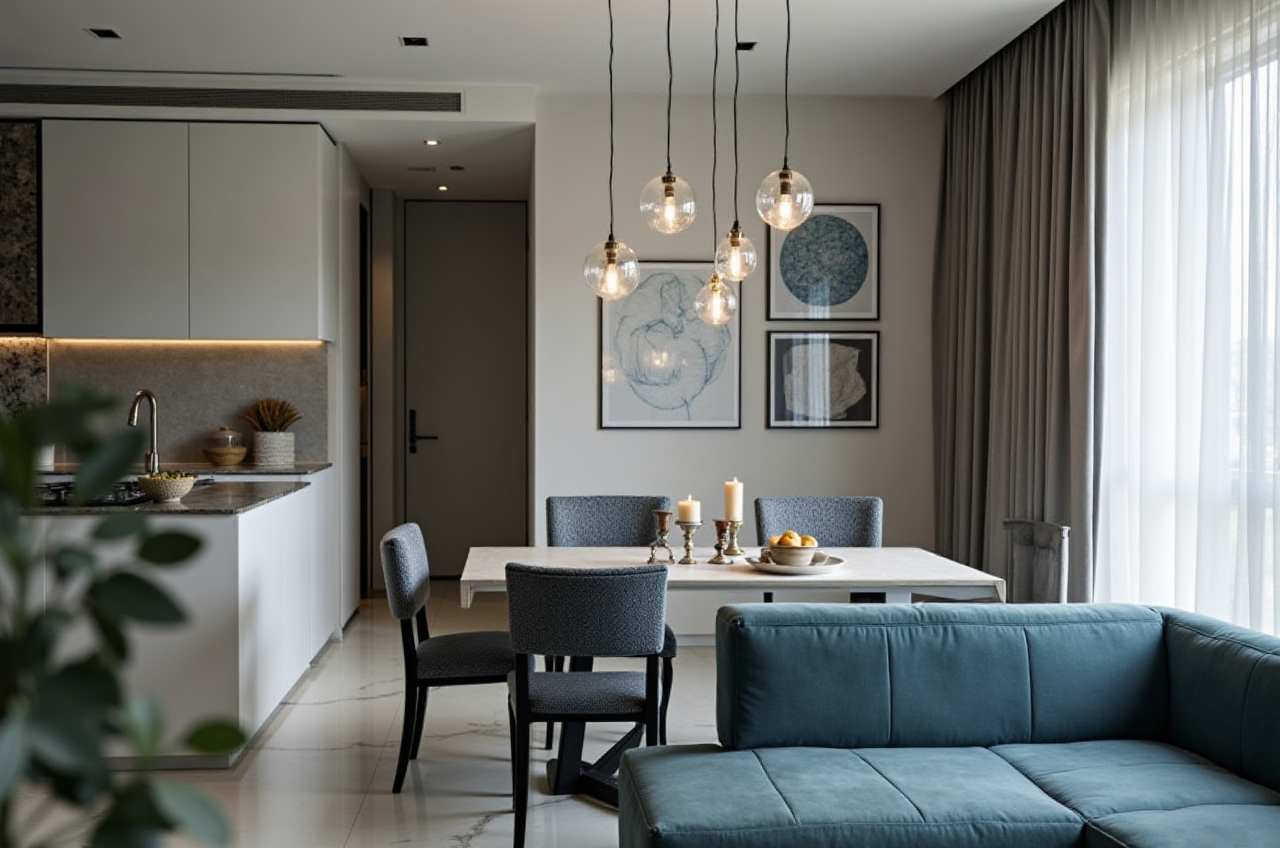
For more information, visit: https://www.sunvega.com/
Q&A
Q1: Is Sunvega only for large enterprises?
A: No. Sunvega serves more than 20,000 enterprise customers and 9,000 manufacturing clients, but the workflow logic also works for studios, retailers, and growing renovation teams. The key is to start with the module that matches your current process.
Practical tip: Small teams can begin with layout or presentation tools first, then expand to design-to-manufacturing workflows later.
Q2: What makes Sunvega different from general design software?
A: The main difference is workflow integration. Sunvega is built around the home furnishings industry and connects design, visualization, translation, and manufacturing in one ecosystem.
Practical tip: If your work involves catalogs, SKU updates, or production handoff, test whether the software can handle those steps without manual re-entry.
Q3: How should teams handle multilingual projects in renovation design?
A: Use software that supports multilingual collaboration and build a standard glossary for materials, dimensions, and product names.
Practical tip: With Sunvega’s 18-language support, teams can improve consistency by locking key terms before client approval and manufacturing release.
Closing note
In 2026, the winning renovation software is not the one that only looks advanced. It is the one that helps teams move from concept to client to production with fewer bottlenecks.
For the home furnishings industry, sunvega is worth attention because it combines AI design, cloud rendering, translation support, and manufacturing integration into one practical ecosystem.