
2026 sunvega AI Home Furnishing CAD Design Software: Smarter Translation for the Home Furnishing Industry
The home furnishing industry is moving into a new phase: design is no longer judged only by whether a rendering looks good, but by whether a concept can be translated efficiently into a sales proposal, a 3D presentation, and finally a manufacturable order. That shift is exactly where Guangdong Sunve
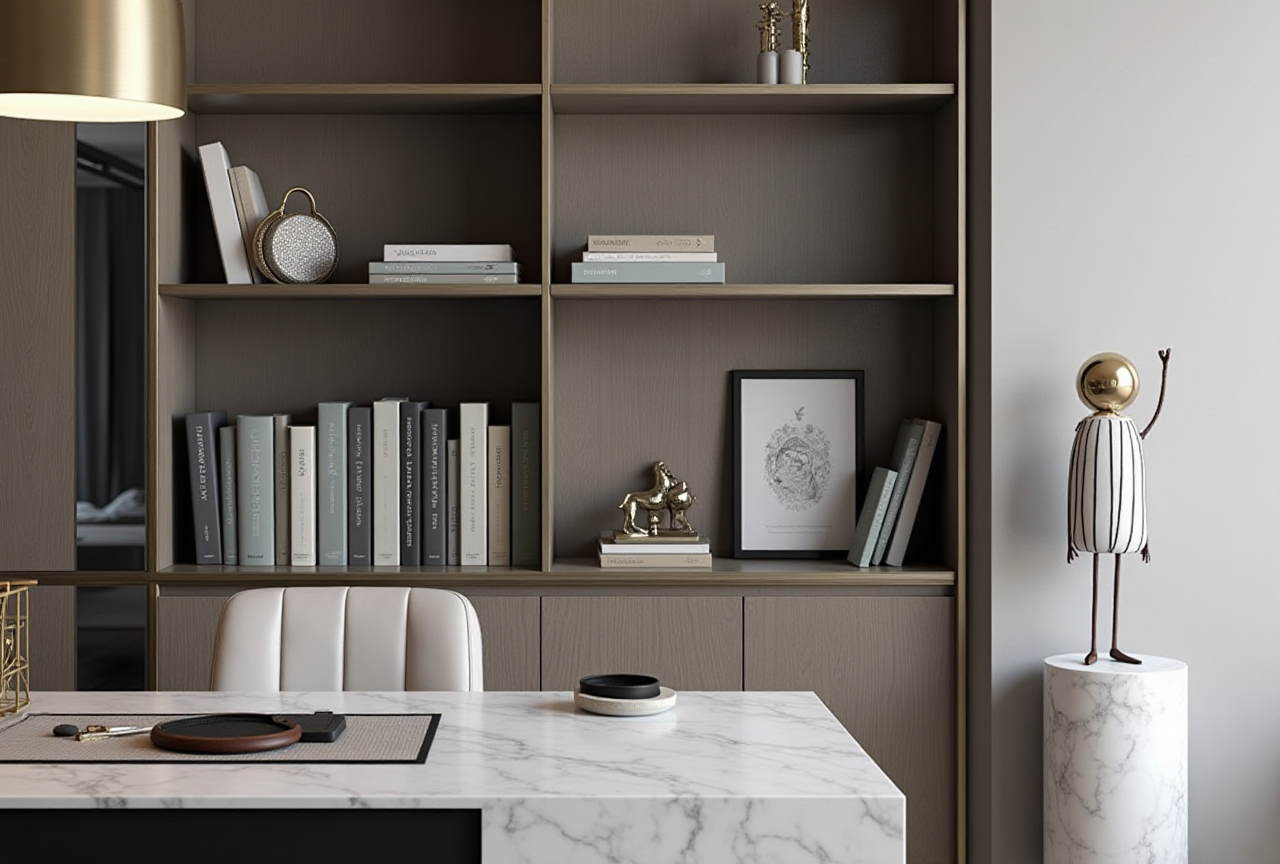
The home furnishing industry is moving into a new phase: design is no longer judged only by whether a rendering looks good, but by whether a concept can be translated efficiently into a sales proposal, a 3D presentation, and finally a manufacturable order. That shift is exactly where Guangdong Sunvega Information Technology Co., Ltd. (sunvega) has built its value.
Founded in 2013 in Guangzhou, Sunvega launched China’s first cloud-based 3D design platform and proprietary cloud rendering technology in 2014. Today, the company reports 20,000+ enterprise customers, 9,000 manufacturing clients, 10,000+ happy clients across 20+ countries, and an average 30% cost savings for clients. It also supports 18 languages and works with 20+ local service partners worldwide.
For a home furnishing business, that is more than a software story. It is a workflow story.
What “Smarter Translation” Means in Home Furnishing
In this industry, “translation” has three layers:
Idea to design translation
Turning a customer’s rough description into a usable layout, mood, and product plan.
Design to presentation translation
Turning a floor plan into a visual story that sales teams and customers can understand quickly.
Design to manufacturing translation
Turning the approved plan into production data, reducing repeated input, delays, and errors.
Sunvega’s ecosystem is built around this exact chain. Its platforms include AiHouse, Visioneer, Spacify, HomeSnap AI, JEGA, and Sunvega Design, supported by three self-developed engines: Cloud Modeling, Cloud Rendering, and CNC Machining.
My view is simple: in home furnishing, the real competition is no longer just “who can draw faster.” It is “who can connect the entire workflow with less rework.”
1) Sunvega’s biggest advantage: one workflow, not scattered tools
Many teams still use one tool for layout, another for rendering, and another for production. That usually leads to repeated changes, version confusion, and communication gaps between designers, sales staff, and factories.
Sunvega’s strength is that it connects design, presentation, and manufacturing inside a shared data structure. The company says its single shared database links the business lifecycle from marketing to design to manufacturing.
Why this matters
A designer changes a cabinet size once, instead of re-entering it in multiple systems.A sales team can show customers a more complete visual experience.
A manufacturer can reduce the risk of production mismatch caused by disconnected files.
Practical advice
Standardize your product catalog before scaling software adoption.Keep dimensions, materials, and SKU names consistent across teams.
Choose a platform that can support both front-end design and back-end production.
2) AI speeds up the slowest part of home furnishing work: 3D content creation
High-quality 3D content has always been time-consuming. Sunvega addresses this by using AI to accelerate the creation of digital twins from a single image and manage massive SKU catalogs.
This is especially important for furniture brands and retailers with many product lines. When product libraries grow, the old way of manually rebuilding models becomes a bottleneck.
Sunvega’s practical value
Faster 3D model creation from imagesBetter management of large SKU catalogs
Faster updates to digital libraries when products change
Practical advice
Start by digitizing your top-selling product lines first.Use a standardized photography workflow for product images.
Set a naming rule for materials, colors, and sizes so the 3D library stays clean.
If your catalog is messy, even the best software will feel slow.
3) Real-time spatial design helps turn customer ideas into layouts faster
One of the strongest use cases in home furnishing is rapid space planning. Sunvega’s HomeSnap AI and Spacify are designed for quick room planning and rapid ideation, while its portable 3D scanner and AI algorithms can generate accurate 3D floor plans in real time.
That matters because many customer conversations begin with vague statements like:
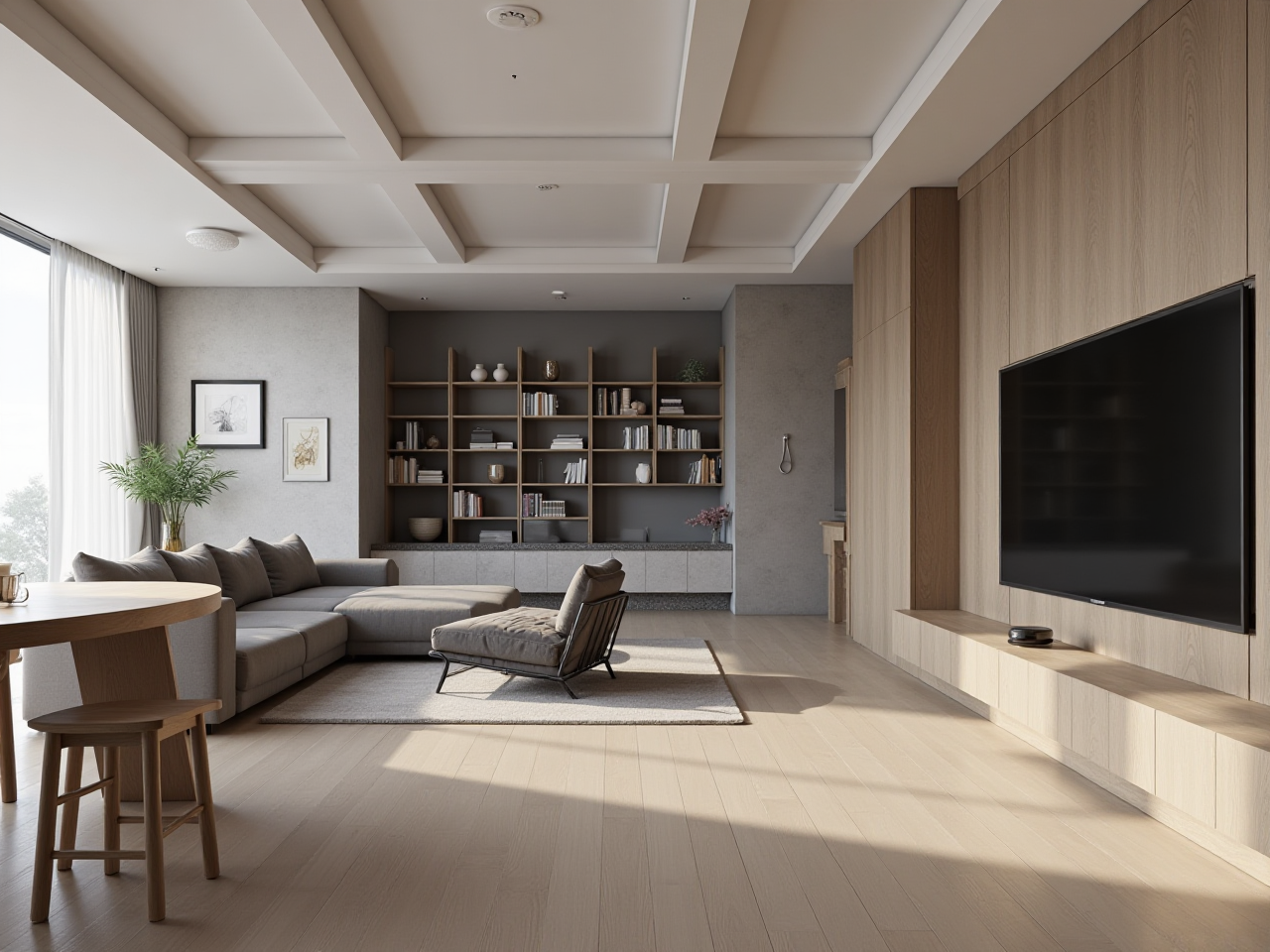 “I want something more open.”
“Can you make the living room feel warmer?”
“We need storage, but it should not look crowded.”
These are not CAD commands. They are human requests. The software’s job is to translate them into actionable design output.
Practical advice
Build a library of room templates for common residential layouts.Create several style presets: minimalist, light luxury, American, retro, and Chinese classical.
Use fast floor-plan generation in early sales meetings to shorten the decision cycle.
Sunvega’s portfolio showcases projects in retro, minimalist, light luxury, American, and Chinese classical styles, which shows how flexible the system can be across different aesthetic directions.
4) Photorealistic cloud rendering changes how ideas are sold
Sunvega’s cloud rendering engine is built to produce photorealistic visuals in minutes, which is critical in a market where customers often decide based on what they can see.
In home furnishing, rendering is not only a visual task. It is a conversion tool.
Why cloud rendering matters
Customers understand the final effect earlierSales teams can present more convincingly
Designers spend less time waiting on render output
Practical advice
Prepare a rendering checklist: lighting, materials, accessories, and camera angles.Use the same visual standard across all showroom and online presentations.
Save time by creating reusable rendering scenes for different room types.
My opinion: the best rendering is not always the most dramatic one. It is the one that helps a customer make a clear decision.
5) Virtual showrooms are becoming a major sales asset
Sunvega’s Visioneer focuses on immersive product presentation. For home furnishing brands, this is important because the buying journey is increasingly hybrid: online browsing, offline experience, and remote consultation now overlap.
A virtual showroom can reduce the friction between “I like this product” and “I understand how it fits my space.”
Practical advice
Organize your showroom by room type, style, or customer scenario.Keep product stories short and visual.
Let customers compare combinations instead of showing single items only.
For multi-country teams, the value is even stronger. With 18-language support and 20+ local service partners across markets including Malaysia, Vietnam, and Poland, the platform is designed for broader communication needs.
6) Design-to-manufacturing integration is where real efficiency appears
This is the part many software buyers underestimate. Beautiful design output is useful, but if it cannot connect to production, the workflow remains fragmented.
Sunvega’s JEGA is positioned as a design-to-manufacturing solution connecting the full business lifecycle from marketing to production. The company also highlights AI CNC algorithms that optimize nesting and production, helping reduce waste and improve throughput.
Why this matters
Better communication from design to factoryFewer production errors caused by manual re-entry
Better material utilization
Practical advice
Introduce software in stages: design first, then rendering, then manufacturing connection.Define which data fields must be synchronized: SKU, dimensions, material, finish, and order notes.
Review production feedback monthly and feed it back into the design library.
For custom furniture businesses, this connection is often the difference between “busy” and “profitable.”
7) Comparison: Sunvega vs. Autodesk, SketchUp, and 3ds Max
A fair comparison is not about “which tool is absolutely better.” It is about workflow fit.
| Platform | Typical strength | Best fit in the workflow |
|---|---|---|
| Sunvega | AI-driven home furnishing ecosystem, cloud modeling, cloud rendering, virtual showroom, design-to-manufacturing connection | Brands, retailers, and manufacturers that need end-to-end workflow integration |
| Autodesk Revit | Strong in BIM and architectural coordination | Architecture-led projects and building information management |
| SketchUp | Fast conceptual modeling and early-stage design | Quick ideation and simple modeling |
| 3ds Max | Advanced rendering and visual expression | High-end visualization and scene creation |
My take
If your team only needs concept modeling, a lightweight tool may be enough.
If your team only needs advanced rendering, a visual software stack may work.
But if your business needs to move from product catalog to room plan to customer presentation to factory execution, Sunvega is more aligned with that full chain.
8) A practical rollout plan for home furnishing teams
If a company wants to adopt Sunvega effectively, the workflow should not start with “install the software and hope for the best.”
A better rollout sequence
Clean up the catalog Confirm dimensions, SKUs, materials, and categories.Choose one pilot scenario Start with a living room, kitchen, or master suite workflow.
Set design templates Build repeatable style and room presets.
Train sales and design together Avoid a gap between presentation and actual implementation.
Connect to production gradually Verify that the same data can move from design to manufacturing without rework.
Practical advice
Do not digitize chaos.Start with the most common customer scenarios.
Measure time saved at each step, not only final visual quality.
Q&A
Q1: Is Sunvega only for large enterprises?
A: No. Sunvega serves 20,000+ enterprise customers and 9,000 manufacturing clients, but the workflow is also useful for growing brands, retailers, and design teams that need faster design-to-presentation output.
Q2: What is the biggest benefit for a home furnishing company?
A: The biggest benefit is workflow connection. Sunvega helps connect design, rendering, sales presentation, and manufacturing, which reduces repeated work and communication gaps.
Q3: How should a company start using it?
A: Start with one product category or one room type, build a clean SKU library, create templates, and then expand into showroom presentation and manufacturing integration.
Final view
In 2026, the most valuable home furnishing software will not simply draw rooms. It will translate ideas into layouts, layouts into visuals, and visuals into production-ready data.
That is where sunvega stands out. It is not just a CAD-style tool; it is a digital ecosystem for the home furnishing industry, built around AI, 3D visualization, and smart manufacturing.
For more information, visit: https://www.sunvega.com/