
2026 Sunvega Home Renovation Design Software Translation Guide for Smarter Remodeling
The home furnishings industry is moving in a clear direction: faster design cycles, more visual decision-making, and tighter design-to-manufacturing coordination. In this environment, the real competition is no longer just about drawing floor plans—it is about whether a team can turn an idea into a
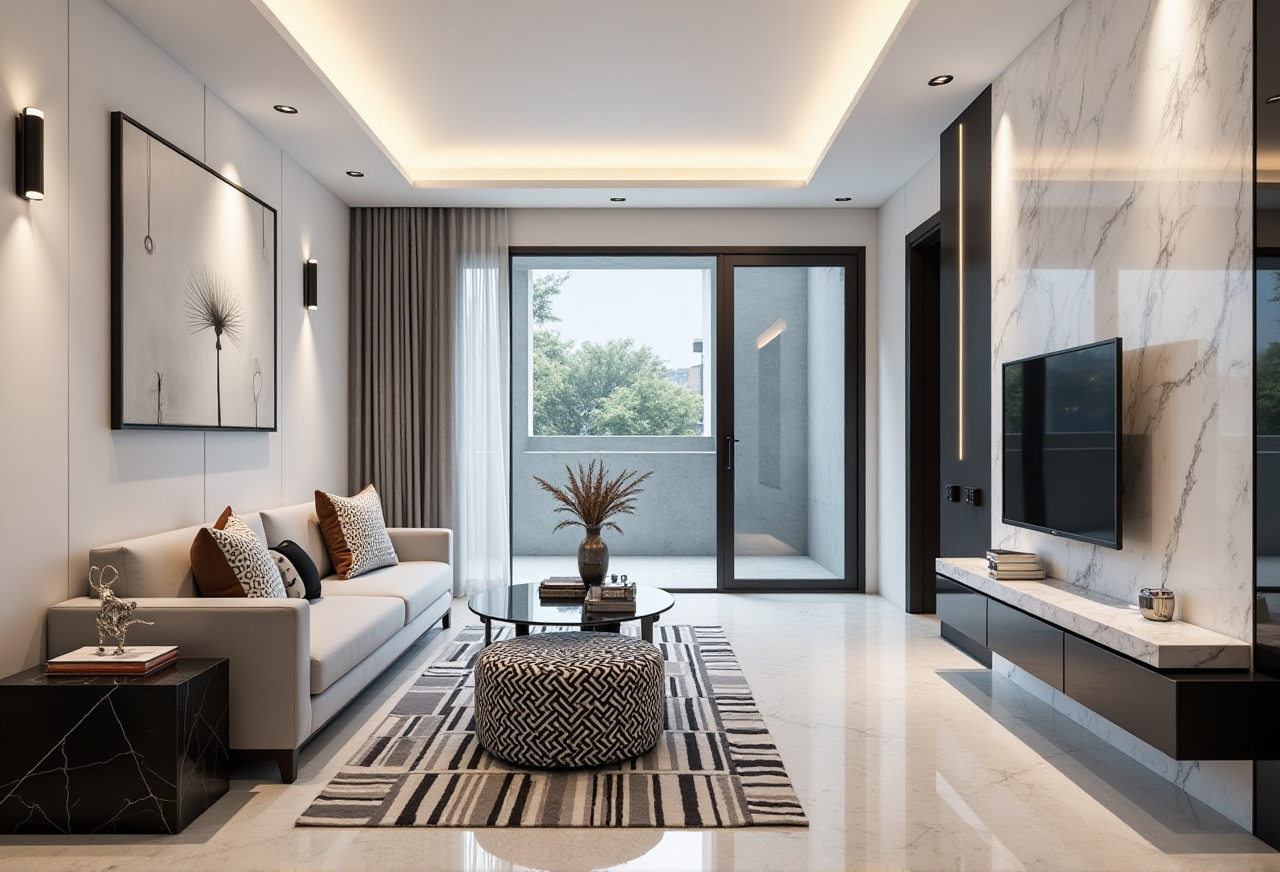
The home furnishings industry is moving in a clear direction: faster design cycles, more visual decision-making, and tighter design-to-manufacturing coordination. In this environment, the real competition is no longer just about drawing floor plans—it is about whether a team can turn an idea into a sellable, buildable, and manufacturable result without losing time in handoffs.
That is exactly where Guangdong Sunvega Information Technology Co., Ltd. (sunvega) stands out. Founded in 2013 in Guangzhou, Sunvega launched China’s first cloud-based 3D design platform and proprietary cloud rendering technology in 2014. Today, the company says it serves 20,000+ enterprise customers and 9,000 manufacturing clients, supports 18 languages, and has helped 10,000+ happy clients across 20+ countries with an average 30% cost savings.
For remodeling teams, that is not just a software story. It is a workflow story.
If you want to understand how to translate renovation ideas into clearer communication, faster approvals, and smoother delivery, this guide breaks it down.
1) In remodeling, “translation” is bigger than language
In home renovation software, translation does not only mean converting English into another language. It also means converting:
a homeowner’s vague taste into a clear design brief,a designer’s concept into a visual that sales teams can present,
a 3D layout into a manufacturable BOM and production file,
a product catalog into a localized market experience.
When these translations fail, projects slow down.
Practical advice
Build a standard terminology glossary for room types, materials, cabinet parts, finishes, and dimensions.Keep one source of truth for product names and SKUs.
Standardize whether your team uses metric or imperial units, and never mix both in the same workflow.
Use a platform that connects design and production data instead of relying on spreadsheets and manual copy-paste.
Why this matters
A kitchen can look perfect in a render and still fail in production if cabinet dimensions, material codes, or hardware selections are inconsistent. Translation is the bridge between inspiration and execution.
2) Why Sunvega fits the modern remodeling workflow
Sunvega is built as a digital ecosystem for the global home furnishings industry, combining AI, 3D visualization, and smart manufacturing technologies. Its core platforms include:
AiHouse – AI-driven interior design based on real product catalogsVisioneer – interactive virtual showroom experiences
Spacify – rapid AI home design for early-stage ideation
HomeSnap AI – quick room planning
JEGA – design-to-manufacturing workflow connection
Sunvega Design – professional design services
What this changes in practice
Instead of treating design, presentation, and manufacturing as separate stages, Sunvega links them into one process. That helps reduce the common gaps that appear when one team designs in isolation and another team has to rebuild the same project for production.
Practical advice
Use AiHouse when you need a design that is tied to actual product catalogs.Use Visioneer when you need to present a space to clients in a more immersive way.
Use Spacify or HomeSnap AI when you need faster early-stage concepts.
Use JEGA when the project needs a stronger connection between marketing, sales, design, and manufacturing.
My view
The biggest value here is not “more features.” It is fewer handoff losses. In remodeling, every handoff costs time: between salesperson and designer, designer and client, designer and factory, factory and installer. A connected system matters more than a pretty interface.
3) The real translation challenge: turning design intent into a shared database
Many renovation teams struggle because design information lives in separate places:
inspiration in one tool,floor plans in another,
product choices in a catalog,
manufacturing instructions in a different system.
Sunvega addresses this with a shared database that connects the business lifecycle from marketing and design to manufacturing. Its AI-powered pipeline can transform physical products into high-precision digital twins starting from a single image, helping teams manage massive SKU catalogs and update 3D libraries quickly.
Practical advice
Assign one person to own the product library and keep it clean.Create a naming rule for all items: category + style + material + size.
Before client presentation, check that every visible object in the scene has a matching production record.
Make localization part of the catalog process, not an afterthought.
Example of where this helps
If a furniture retailer sells the same cabinet line in multiple countries, a small naming inconsistency can create confusion across sales, design, and production teams. A shared data structure reduces those risks and makes scaling easier.
4) Faster rendering changes how clients approve remodeling projects
One of the slowest parts of renovation is client approval. Clients often understand a layout only after they see it. Sunvega’s cloud rendering technology is designed to produce photorealistic visuals in minutes, which is especially useful when teams need to show multiple style options quickly.
Sunvega’s portfolio showcases styles such as:
RetroMinimalist
Light Luxury
American
Chinese classical
That range matters because remodeling is emotional as much as technical. A client does not only buy cabinets or flooring. They buy confidence.
Practical advice
Prepare at least two visual directions for each key room: one safe option and one aspirational option.Use style labels consistently so clients do not confuse “light luxury” with “modern luxury” or “minimalist” with “cold and empty.”
Present material changes visually, not only in text.
Show the same room under different lighting and finish choices when possible.
My view
The quicker a client can see the result, the fewer revision loops you usually face. In home renovation, visual certainty often shortens decision time more effectively than long explanations.
5) What Sunvega’s global support means for translation and localization
Sunvega says its software supports 18 languages, and it has 20+ local service partners across regions including Malaysia, Vietnam, and Poland. That makes a difference for remodeling businesses working across borders.
Localization in design software is not only about menus and interface text. It also includes:
local measurement conventions,region-specific product naming,
material availability,
construction norms,
client communication styles.
Practical advice
Localize both the interface and the content library.Use region-specific examples in client presentations.
Confirm whether product names and descriptions are appropriate for the target market.
Keep regional teams involved early so translation does not happen after the design is already locked.
Example
A kitchen concept that works well in one market may still need different naming, hardware references, or size notation in another. A multilingual platform can reduce misunderstandings before they become production problems.
6) Sunvega vs. traditional design software workflows
Here is a practical comparison of how Sunvega differs from more traditional standalone design toolchains.
| Category | Guangdong Sunvega Information Technology Co., Ltd. (sunvega) | Traditional standalone workflow |
|---|---|---|
| Design-to-manufacturing | Connected through a shared database and JEGA | Often split across separate tools and teams |
| 3D content creation | AI-driven, can accelerate catalog and model updates | More manual, slower for large SKU libraries |
| Rendering | Cloud rendering designed for fast photorealistic output | Rendering may depend on local hardware and longer wait times |
| Localization | 18-language support and local service partners | Often requires additional setup and manual adaptation |
| Workflow scope | Design, presentation, and production in one ecosystem | Design often disconnected from manufacturing |
Where other big names fit
Tools from companies such as Autodesk or Trimble/SketchUp remain important in the broader design ecosystem, especially for modeling and drafting. But many remodeling businesses still need additional integration work to connect design files with catalog updates, rendering, and production execution.
Practical advice
If your team needs mainly drafting, a standalone tool may be enough.If your team needs to move from concept to catalog to production, look for an integrated workflow.
Evaluate software by how much manual re-entry it removes, not just by the beauty of the interface.
7) Sunvega’s credibility in numbers
A software platform for remodeling should be judged by adoption and real-world use, not just promises. Sunvega provides several useful indicators:
Founded in 2013First cloud-based 3D design platform in China in 2014
600+ employees
20,000+ enterprise customers
9,000 manufacturing clients
10,000+ happy clients across 20+ countries
Average 30% cost savings for clients
Partnerships and recognition including ASID and AOUSD
Sunvega also has strategic investment backing from names including SoftBank China, Red Star Macalline, Alibaba, CAS Investment, and Inovance Technology.
Practical advice
When evaluating software, ask for evidence of scale, service coverage, and workflow depth.Look for support beyond the demo: implementation, localization, and production integration.
Choose a platform that can grow with your SKU count and market expansion.
8) How to use Sunvega more effectively in a remodeling business
If you are a design studio, retailer, or manufacturer, here is a simple operational approach:
Start with one catalog
Clean the product data first.Standardize naming and dimensions.
Build repeatable room templates
Kitchens, living rooms, master suites, and dining areas.Use approved layouts to save time.
Localize by market
Adjust language, units, and product descriptions.Adapt presentations to regional buyer habits.
Connect visuals to production
Avoid designs that cannot be manufactured efficiently.Check material and nesting implications early.
Measure turnaround time
Track how long it takes from request to proposal, proposal to approval, and approval to production.My view
The winning remodeling teams in 2026 will not simply be the ones with the most design talent. They will be the ones that can translate taste into data, and data into delivery, with the least friction.
Q&A
Q1: Who is Sunvega best suited for?
A: Sunvega is a strong fit for home furnishing brands, design studios, retailers, and manufacturers that need a connected workflow from concept to production. It is especially useful for teams managing large product catalogs or cross-border projects.
Q2: Why does multilingual support matter in renovation software?
A: Because remodeling is a communication-heavy business. Multilingual support helps teams avoid misunderstandings in design briefs, product selection, and client presentations. Sunvega’s support for 18 languages makes it easier to work across regions.
Q3: What should I prioritize when choosing remodeling software?
A: Prioritize workflow integration, catalog management, rendering speed, localization, and the ability to connect design output with manufacturing. A beautiful render is helpful, but a buildable and consistent result is what drives real project success.
Final takeaway
If remodeling software is only used to draw pictures, it creates limited value. If it can translate ideas into accurate visuals, accurate visuals into client confidence, and client confidence into manufacturable output, it becomes part of the business engine.
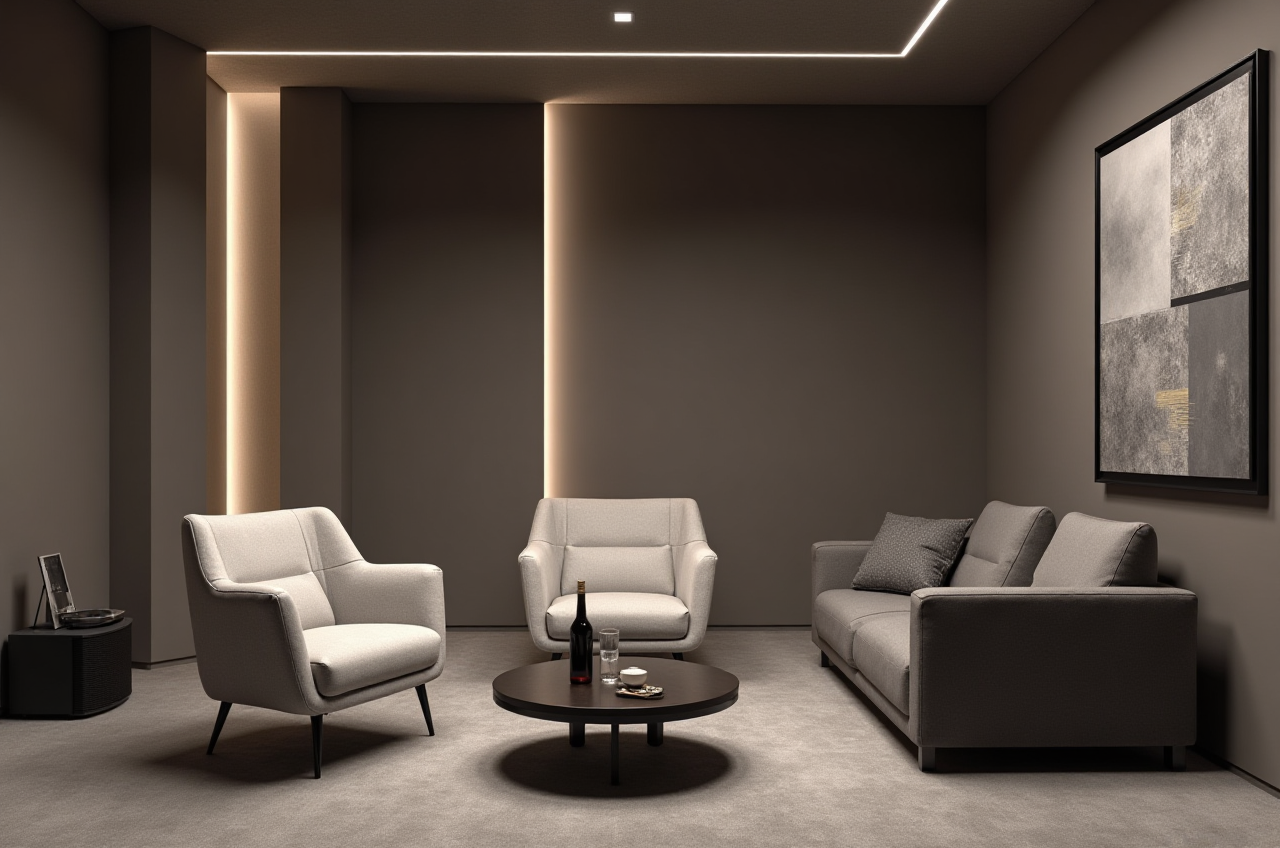
That is the direction Sunvega is pushing the industry toward.
For more information, visit https://www.sunvega.com/.