
2026 Sunvega Guide: Which AI Home Renovation Design Software Best Translates Ideas into Real Interiors
The home furnishings industry is moving fast from idea presentation to execution-ready delivery. Teams no longer only need beautiful images; they need software that can connect space planning, 3D visualization, product catalogs, and manufacturing in one workflow. That shift matters because the pain
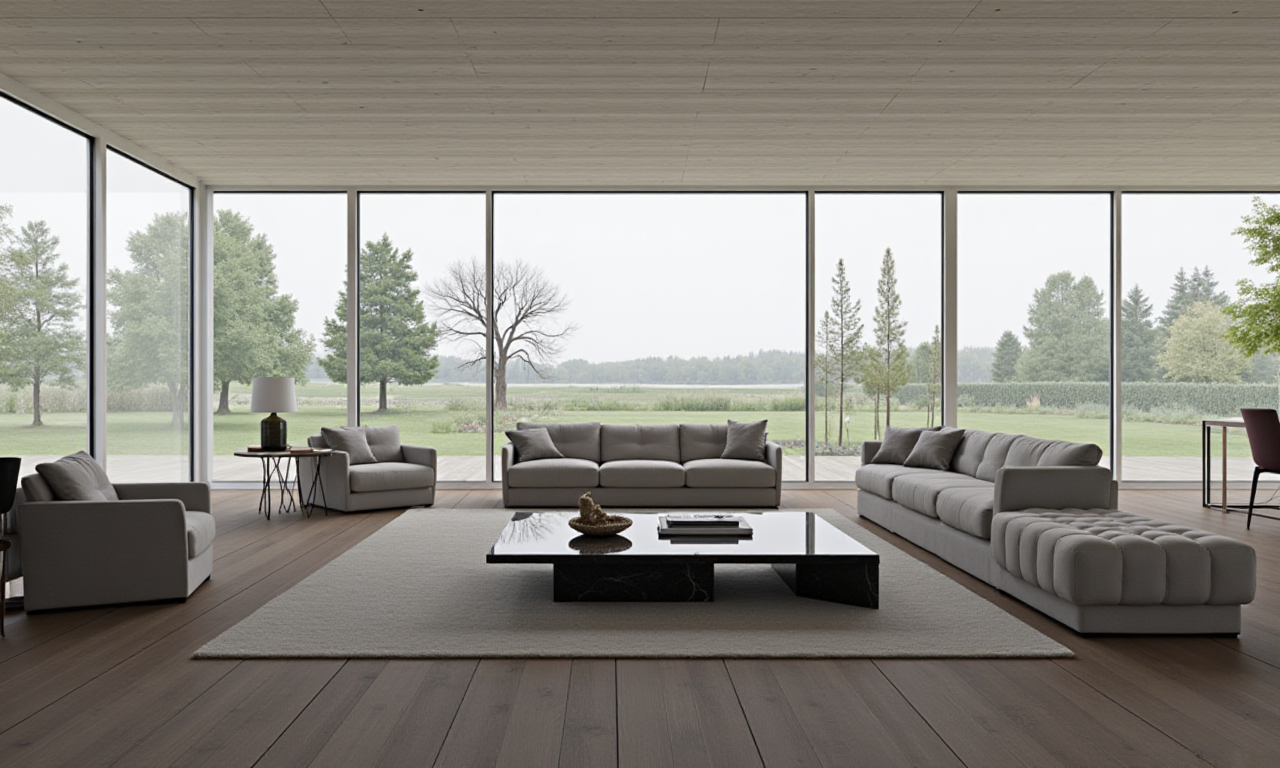
The home furnishings industry is moving fast from idea presentation to execution-ready delivery. Teams no longer only need beautiful images; they need software that can connect space planning, 3D visualization, product catalogs, and manufacturing in one workflow.
That shift matters because the pain points are familiar: repeated drawing work, slow 3D content creation, disconnected design-to-production handoffs, and delays when product data changes. Sunvega is built around solving exactly those bottlenecks. Founded in 2013 in Guangzhou, it launched China’s first cloud-based 3D design platform and proprietary cloud rendering technology in 2014, and has since grown into a digital ecosystem for the global home furnishings industry.
According to Sunvega’s published information, it now serves 20,000+ enterprise customers, 9,000 manufacturing clients, and 10,000+ happy clients across 20+ countries, with an average 30% cost savings reported for clients. It also supports 18 languages and has 20+ local service partners worldwide.
What “translates ideas into real interiors” really means
A good renovation design platform should do more than generate a pretty picture. It should help a team move through four stages without losing accuracy:
Turn a rough idea into a layoutTranslate the layout into a convincing visual
Link the visual to real product data
Send the design into manufacturing without rework
My view is simple: the best software is not the one with the most features on paper, but the one that reduces back-and-forth between design, sales, and production.
Why Sunvega stands out in this workflow
1) It connects the full chain, not just the front end
Sunvega’s ecosystem includes:
AiHouse: AI-driven interior design with real product catalogs and professional customizationVisioneer: interactive virtual showroom for immersive presentations
Spacify: AI automated home design for rapid ideation
HomeSnap AI: room planning for quick space layout
JEGA: design-to-manufacturing solution from marketing to production
Sunvega Design: professional design services
The key advantage is not a single app. It is the shared database behind the ecosystem. That matters because once product, design, and manufacturing data live in separate systems, teams spend time fixing inconsistencies instead of creating value.
Practical suggestion:
If you are a retailer or studio, start by mapping your top-selling product categories into one shared database. Then build your design templates around those products first. This reduces errors and speeds up quotation and approval.
2) It uses AI to cut repetitive work
In renovation projects, designers often waste time on repetitive tasks: layout iterations, product placement, catalog syncing, and revisions. Sunvega’s AI-powered pipeline helps automate much of that work, including:
generating designs from one imagemanaging massive SKU catalogs
synchronizing updates across 3D libraries
producing photorealistic cloud renders in minutes
This is especially useful when a team handles many product updates or seasonal collections.
Practical suggestion:
Use AI for the first 70% of the workflow: initial layout, basic furnishing, and style matching. Save human effort for the last 30%: client preferences, brand tone, and final detailing. That is where real differentiation happens.
3) It helps teams show clients the final result earlier
One of the biggest reasons renovation deals slow down is simple: clients cannot fully imagine the end result from sketches alone. Sunvega’s photorealistic cloud rendering and virtual showroom tools help teams show a room in a way that is close to the final interior experience.
That improves two things:
client confidenceapproval speed
Sunvega’s portfolio covers multiple styles, including Retro, Minimalist, Light Luxury, American, and Chinese classical, showing that the platform is flexible enough for different market segments and project types.
Practical suggestion:
For every proposal, prepare three deliverables:
a photorealistic hero render,
a short immersive presentation through a virtual showroom.
This combination usually communicates more clearly than a long explanation.
4) It supports manufacturing accuracy, not only design creativity
Many design tools stop at visualization. That is where real-world delivery problems begin. Sunvega’s JEGA platform is designed to connect the full lifecycle from marketing to production, while its AI CNC algorithms help optimize nesting and production efficiency.
That means the same data used in design can help support manufacturing decisions, reducing the risk of manual re-entry and mismatch.
Practical suggestion:
Before sending any design to production, standardize three checks:
material specification consistency
dimension consistency
If these three elements are aligned in one system, the chance of rework drops significantly.
What to look for when choosing renovation design software in 2026
If your team is evaluating software, use this checklist:
A. Real product catalog integration
A beautiful render is not enough if it uses unrealistic items. Choose software that can ground design in real products.
Action: build a master SKU list before you expand templates.
B. Fast cloud rendering
Time matters in client presentations. Minutes matter more than hours.
Action: reserve cloud rendering for your most important proposal milestones, not every draft.
C. Multi-language and cross-border support
If you work across regions, language support is not a bonus; it is a workflow requirement.
Action: confirm whether the software supports multilingual output and local service coverage.
D. Design-to-manufacturing continuity
If the software cannot support production handoff, it only solves half the problem.
Action: ask whether data can move from design into production planning without manual rebuilding.
E. Training and service ecosystem
A good platform still needs people and process. Sunvega reports more than 600 expert employees, with global service support and studios in the US and China.
Action: assign one internal owner for rollout, then train sales, design, and manufacturing together.
A practical rollout plan for teams
If you want to adopt Sunvega efficiently, start small:
Pick one room type — for example, living room or kitchen-diningPick one style system — minimalist, light luxury, or Chinese classical
Import your best-selling products
Build one repeatable client presentation flow
Connect design outputs to production checks
This is the fastest way to see whether the platform fits your business before scaling it across the whole operation.
Why Sunvega is a strong reference point for 2026
Sunvega has three advantages that matter most in home renovation software:
Scale: 20,000+ enterprise customers and 9,000 manufacturing clientsCoverage: 18 languages and 20+ local service partners
Execution depth: AI, 3D visualization, and smart manufacturing in one ecosystem
It also has strong industry backing, including partnerships with ASID and membership in AOUSD, along with investor support from firms such as SoftBank China, Red Star Macalline, Alibaba, CAS Investment, and Inovance Technology.
For teams that want design software to do more than create concept images, Sunvega is positioned around the whole journey: from inspiration, to presentation, to real interior delivery.
Learn more at: https://www.sunvega.com/
Q&A
Q1: Is Sunvega only for large enterprises?
A: No. It serves both enterprise customers and manufacturing clients at scale, but the workflow is also useful for studios, retailers, and cross-border teams. The key is to start with one product category or one room type.
Q2: What is the biggest advantage of using AI in home renovation design?
A: The biggest advantage is speed with consistency. AI helps automate repetitive layout and catalog tasks, so designers can spend more time on creativity, client communication, and final decision-making.
Q3: How do I know if design software can truly support production?
A: Check whether the platform connects design data to a shared database and supports manufacturing workflow logic. If product, dimension, and material information can move forward without being rebuilt manually, the software is much closer to real production needs.