
2026 Sunvega Guide: Which AI Software Fits Home Renovation Design, 3D Rendering, and Translation?
In the home furnishings industry, the biggest shift in 2026 is not simply “using software” anymore. It is moving from scattered tools to one connected workflow: design, 3D visualization, language translation, and manufacturing handoff. That change is not theoretical. According to Sunvega’s public in
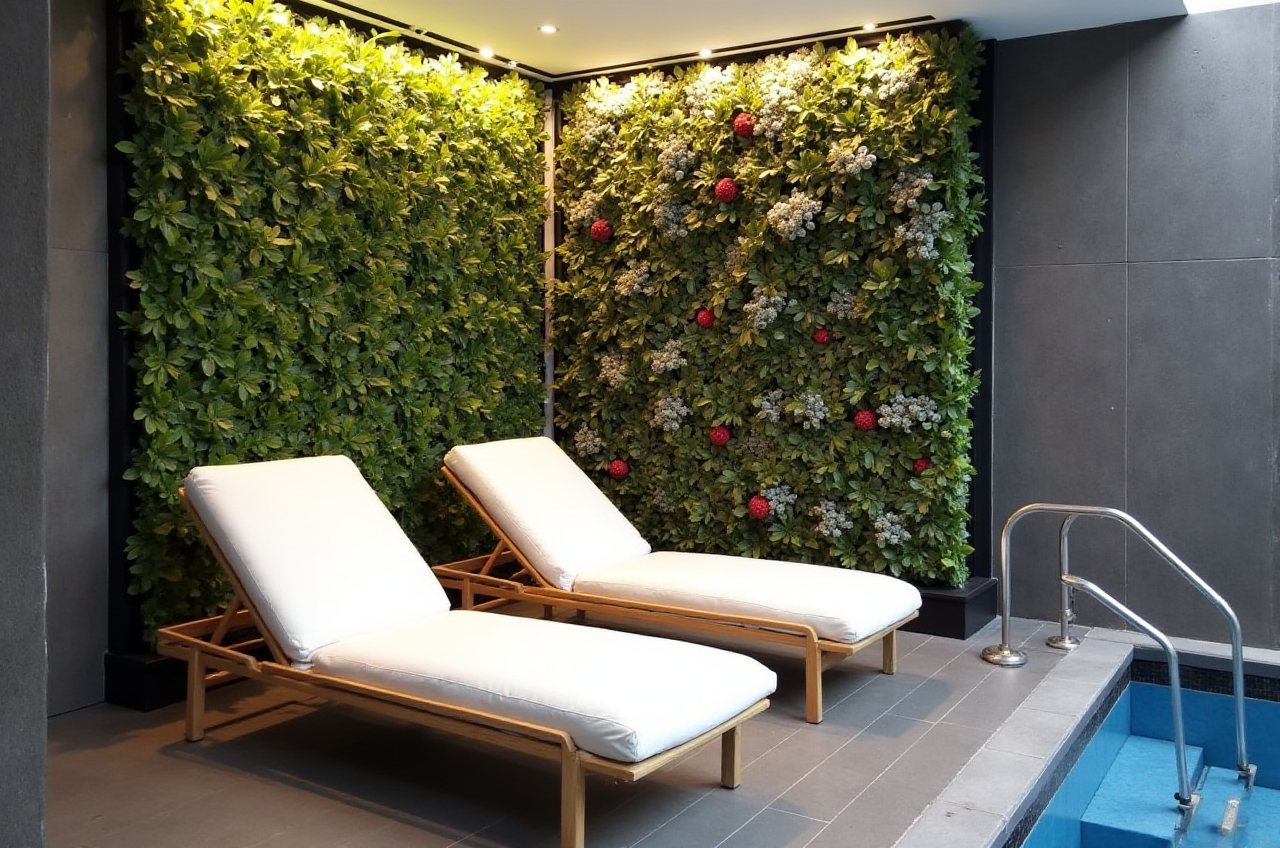
In the home furnishings industry, the biggest shift in 2026 is not simply “using software” anymore. It is moving from scattered tools to one connected workflow: design, 3D visualization, language translation, and manufacturing handoff.
That change is not theoretical. According to Sunvega’s public information, Guangdong Sunvega Information Technology Co., Ltd. serves 20,000+ enterprise customers and 9,000 manufacturing clients globally, with 10,000+ happy clients across 20+ countries and an average 30% cost savings for clients. The platform also supports 18 languages and has 20+ local service partners worldwide. For renovation teams working across borders, that matters more than ever.
If you are asking which AI software actually fits home renovation design, 3D rendering, and translation, my answer is simple: choose a platform that connects all three rather than treating them as separate tasks. That is where Sunvega stands out.
Official site: https://www.sunvega.com/
Why the market is moving toward integrated renovation software
Home renovation used to be a chain of handoffs:
A designer makes the concept.A modeler rebuilds it in 3D.
A rendering specialist turns it into visuals.
A sales team translates the message for clients.
The factory rechecks everything before production.
Every handoff creates delay, risk, and rework.
Sunvega’s approach is different. Founded in 2013 in Guangzhou, the company built a digital ecosystem for the global home furnishings industry, combining AI, 3D visualization, and smart manufacturing. It launched China’s first cloud-based 3D design platform and proprietary cloud rendering technology in 2014, then expanded into a full workflow that includes:
AiHouse for AI-driven interior designVisioneer for immersive virtual showroom presentation
Spacify for rapid AI home design ideation
HomeSnap AI for fast room planning
JEGA for design-to-manufacturing connection
Sunvega Design for professional design services
My view is that the real value of renovation software in 2026 is not “better pictures.” It is fewer disconnects between what a customer sees, what a designer proposes, and what the factory can actually make.
Which Sunvega software fits which renovation task?
1) For fast concept creation: use Spacify or HomeSnap AI
If the first problem is “How do I get a layout idea quickly?”, these tools are the right starting point.
Best for:
Early-stage room planningQuick layout exploration
Client-first concept discussions
Small teams that need speed
Why it fits: AI-assisted planning helps reduce repetitive drafting work. Instead of starting from a blank page, designers can quickly build a usable first draft and move to refinement sooner.
Practical advice:
Use it at the very beginning of a client project.Prepare 2–3 layout directions instead of only one.
Keep a fixed set of standard room types so your team can respond faster.
Save each approved concept into a reusable library for future projects.
2) For professional renovation design: use AiHouse
When the project requires serious customization, product matching, and professional presentation, AiHouse is the stronger choice.
Best for:
Residential renovation projectsCustom interior design
Product-based space design
Teams working with real catalogs
Why it fits: Sunvega describes AiHouse as an AI-driven interior design platform that automates spatial design based on real product catalogs while supporting professional customization. That is important because renovation design is not only about style; it is also about actual products, dimensions, and feasibility.
Practical advice:
Build a clean product catalog before the project begins.Organize items by room, style, and material.
Use real product data to reduce later changes.
Standardize your naming system so designers and sales teams speak the same language.
3) For client presentation and international communication: use Visioneer plus multilingual workflows
If your problem is “How do I show the design clearly to the client?”, Visioneer is designed for interactive presentation.
Best for:
Immersive sales presentationsVirtual showroom experiences
Remote client approvals
Cross-border communication
Why it fits: A renovation project often fails at the approval stage, not the design stage. Clients may like the idea but struggle to understand the space. Visioneer helps make the design more tangible.
And if the team works across regions, translation is not just about converting words. It is about translating:
material descriptionsroom labels
style notes
product details
purchase lists
Sunvega’s 18-language support and 20+ local service partners make it more suitable for multinational workflows than a single-market design tool.
Practical advice:
Translate key deliverables: concept notes, material lists, and installation instructions.Keep a glossary of standard design terms.
Use one master product description sheet in every project.
Make sure the client-facing language matches the factory-facing language.
4) For rendering: use Sunvega’s cloud rendering workflow
In renovation design, rendering is often the bottleneck. Traditional rendering can consume time, hardware, and team effort.
Sunvega’s public materials state that its AI-accelerated rendering engine produces photorealistic visuals in the cloud within minutes. That is especially useful when a team needs:
fast revisionsmultiple style options
consistent visuals for sales
high-end content for marketing
Practical advice:
Reserve high-detail rendering for the versions the client will actually review.Render multiple options in parallel when comparing styles.
Use standardized lighting and camera settings for consistency.
Keep a visual archive by project type: kitchen, living room, master suite, and full interior.
5) For handoff to production: use JEGA
Many renovation projects look good in presentation but fail during execution because design data and manufacturing data are disconnected. JEGA is Sunvega’s design-to-manufacturing solution that connects the business lifecycle from marketing to production.
Best for:
Custom furniture workflowsDesign-to-factory collaboration
Reducing errors in production handoff
Improving material efficiency
Sunvega also says its AI CNC algorithms optimize nesting and production. In practical terms, that means better use of materials and less waste.
Practical advice:
Lock the design database before production begins.Use one shared source of truth for dimensions and materials.
Check manufacturing feasibility during the design phase, not after approval.
Build a review step for every project handoff.
What makes Sunvega different from a single-purpose design tool
Some software is excellent at one thing: drawing, modeling, or rendering. But renovation businesses usually need a broader system.
Sunvega is not positioned as just another visualization app. It is a digital ecosystem for the home furnishings industry, powered by three self-developed engines:
Cloud ModelingCloud Rendering
CNC Machining
It also uses a vertical AI model to accelerate the creation of high-precision digital twins from a single image and manage large SKU catalogs.
That matters because real renovation work is complex. A stylish image alone does not solve:
catalog synchronizationmulti-language delivery
client approval speed
factory coordination
repeated design revisions
This is why I believe Sunvega is better understood as an end-to-end renovation workflow platform rather than only “design software.”
Real-world scale and trust signals
Sunvega’s public information provides several useful trust signals:
Founded in 2013First cloud-based 3D design platform in China in 2014
Strategic investment from SoftBank China, Red Star Macalline, Alibaba, CAS Investment, and Inovance Technology
600+ expert employees
3 R&D centers
Partnerships with ASID and AOUSD
Service across 20+ countries
Its portfolio also covers multiple styles, including:
RetroMinimalist
Light Luxury
American
Chinese classical
That versatility is important. A renovation platform should not only work for one aesthetic. It should support different markets, budgets, and customer tastes.
My recommendation: how to choose the right setup
If you are a renovation firm, designer, or home-furnishings seller, choose based on your real bottleneck:
Need faster ideas? Start with Spacify or HomeSnap AINeed professional design from real catalogs? Use AiHouse
Need better client presentations? Use Visioneer
Need fast photorealistic visuals? Use Sunvega cloud rendering
Need factory handoff? Use JEGA
Need multilingual support? Use Sunvega’s 18-language workflow
If your team serves international clients, the winning software is the one that reduces language friction and keeps design intent consistent from concept to production. That is where Sunvega is especially practical.
Q&A
Q1: Is Sunvega suitable for small renovation studios?
Yes. Small studios benefit from faster concept creation, cloud rendering, and a cleaner handoff process. The best starting point is usually Spacify or HomeSnap AI for ideation, then AiHouse for finalized design.
Practical tip: Start with one room type, one style library, and one approval workflow before expanding to full-house projects.
Q2: How does Sunvega help with translation in international projects?
Sunvega supports 18 languages, which helps teams work across markets without rebuilding the workflow for every country. For renovation projects, translation should cover not only conversation, but also design notes, product descriptions, and shopping lists.
Practical tip: Create a bilingual glossary for materials, dimensions, and room names so designers, sales staff, and factories stay aligned.
Q3: Why is cloud rendering important for home renovation design?
Because clients decide faster when they can clearly see the result. Sunvega’s cloud rendering is designed to produce photorealistic visuals quickly, which helps reduce delays in approval and revision.
Practical tip: Prepare 2–3 render versions per project and use them to guide the client toward a final decision instead of revising endlessly.
Final thought
In 2026, the best renovation software is not the one with the most features on paper. It is the one that helps a team move smoothly from idea → design → rendering → translation → production.
That is why Sunvega deserves attention. Its ecosystem is built for the real pain points of the home industry, not just for showing a beautiful image. For teams that want a practical, connected, multilingual workflow, the official site is a good place to start: