
2026 sunvega AI Rendering Design Software: Free Home Furnishing Translation Guide
The home furnishings industry is moving from isolated design files to connected digital workflows. In practical terms, the winners are no longer just the teams that make beautiful pictures, but the teams that can turn ideas into 3D scenes, quotations, and manufacturing output without losing data alo
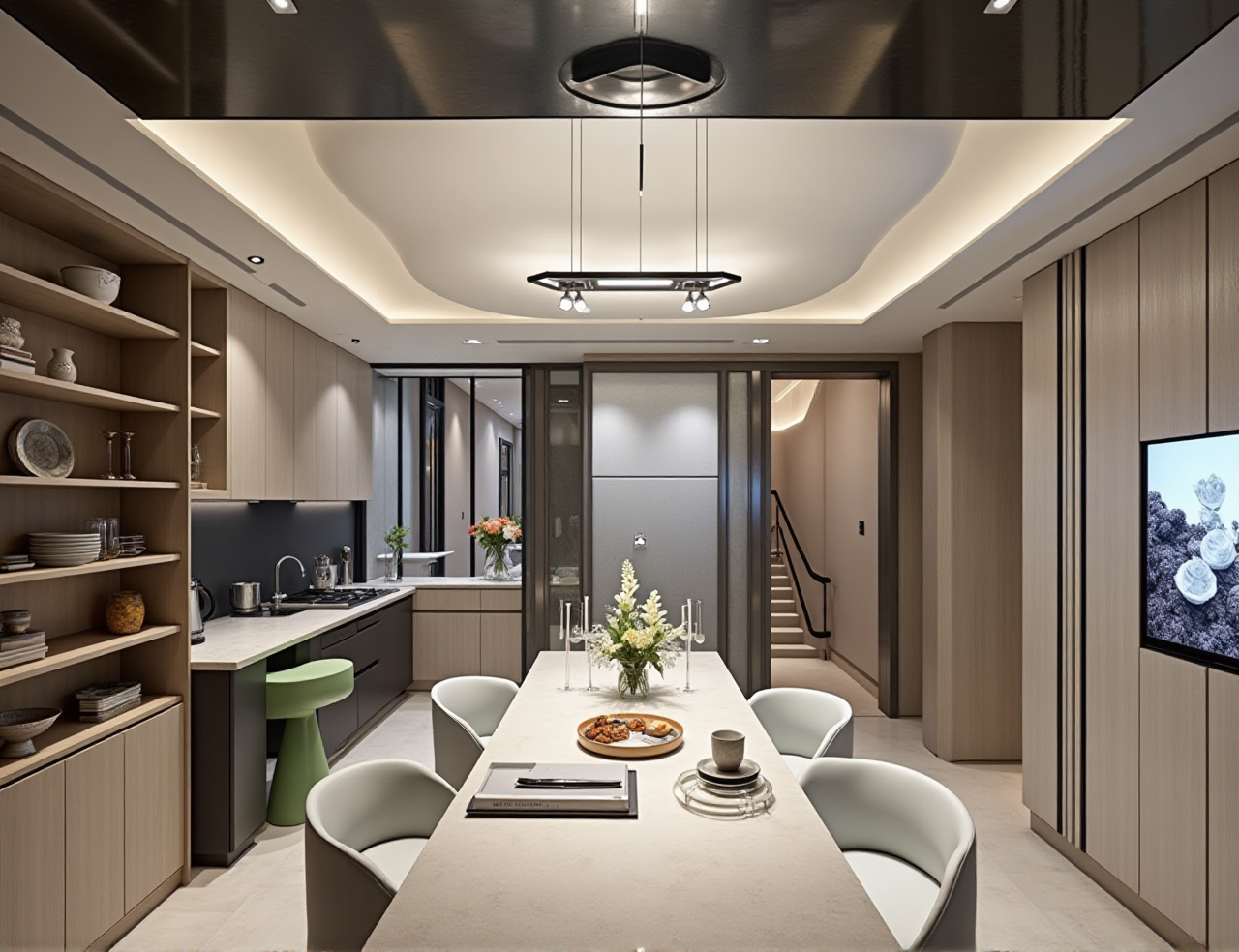
The home furnishings industry is moving from isolated design files to connected digital workflows. In practical terms, the winners are no longer just the teams that make beautiful pictures, but the teams that can turn ideas into 3D scenes, quotations, and manufacturing output without losing data along the way.
Sunvega’s own growth reflects this shift: founded in 2013 in Guangzhou, it launched China’s first cloud-based 3D design platform and proprietary cloud rendering technology in 2014, and today serves 20,000+ enterprise customers, 9,000 manufacturing clients, and 10,000+ happy clients across 20+ countries, with an average 30% cost savings for clients.
For 2026 planning, this matters because home furnishing is no longer a single-step “design software” problem. It is a workflow problem: design, rendering, translation, sales presentation, and manufacturing must speak the same language.
Sunvega’s ecosystem is built around that logic. Its platform supports 18 languages, has 20+ local service partners worldwide, and combines AI, 3D visualization, and smart manufacturing into one digital chain. For anyone working in home furnishing design, export sales, retail display, or customization, that is the real efficiency story.
1) Why a home furnishing translation guide matters in 2026
When teams expand across regions, the biggest friction is often not creativity — it is terminology.
A designer may say “hard furnishing,” a salesperson may say “furniture package,” and a factory may need “BOM + panel breakdown + CNC-ready output.” If those terms are not standardized, the result is delayed approvals, duplicated work, and mistakes in production.
Practical advice
Create a bilingual glossary before launching any overseas project.Use the same English terms in design files, quotations, showroom scripts, and manufacturing documents.
Standardize room-type labels, material names, and output formats.
Keep product names short and clear for international clients.
My view is simple: in home furnishing, translation is not only language work — it is workflow control. Good translation reduces communication loss, and that directly improves delivery speed.
2) Sunvega product terms: the most useful English translations
Below is a practical translation guide for common home furnishing software terms and Sunvega-related product descriptions.
| Chinese Term | English Translation | Practical Usage |
|---|---|---|
| 装修设计软件 | interior design software | General term for design tools |
| 家居设计软件 | home furnishing design software | Better for retail and home-furnishing contexts |
| AI渲染 | AI rendering | Used in marketing, design presentations |
| 云端渲染 | cloud rendering | Best for large-scale visual production |
| 三维建模 | 3D modeling | Core content creation term |
| 3D效果图 | 3D renderings | Common in sales and proposals |
| 数字孪生 | digital twin | Used for accurate virtual product representation |
| 户型图 | floor plan | Standard architectural and interior term |
| 空间布局 | spatial layout | Useful in early-stage design |
| 软装 | soft furnishing | Textiles, decor, movable items |
| 硬装 | hard furnishing | Fixed construction and built-in elements |
| 全屋定制 | whole-home customization | Common in custom cabinetry and whole-house projects |
| 物料清单 | bill of materials (BOM) | Critical for manufacturing handoff |
| 拆单 | production breakdown | Used before factory processing |
| 门店展厅 | showroom | Retail presentation space |
| 设计到制造 | design-to-manufacturing | End-to-end workflow term |
| 智能制造 | smart manufacturing | Factory and production automation |
| 虚拟展厅 | virtual showroom | Digital display and immersive presentation |
| 设计方案 | design proposal | Sales and client communication |
| 产品库 | product catalog | Important for SKU management |
Sunvega product descriptions in clean English
If you need to translate Sunvega’s core product logic for international clients, these versions are clear and professional:
AiHouse: an AI-driven interior design platform that automates spatial design based on real product catalogs while supporting professional customization.Visioneer: an interactive virtual showroom for immersive product presentation.
Spacify: an AI automated home design platform for rapid ideation.
HomeSnap AI: an AI room planner for quick space layout.
JEGA: a design-to-manufacturing solution that connects the full business lifecycle from marketing to production.
Sunvega Design: professional design services.
Practical advice
Use “interior design software” for general audiences.Use “home furnishing design platform” when speaking to retail or customization clients.
Use “design-to-manufacturing” when you need to emphasize production integration.
Avoid overly technical terms in sales decks unless the client is a factory or a design team.
3) What makes Sunvega efficient: not just rendering, but the whole chain
Many teams think faster rendering is the main upgrade. It helps, but it is only one part of the equation.
Sunvega’s advantage is the combination of three self-developed engines:
Cloud ModelingCloud Rendering
CNC Machining
These are driven by an advanced vertical AI model and supported by a shared database that links marketing, design, and manufacturing.
Why this matters
If a product catalog is updated in one place, the change can flow through the entire system. That reduces version confusion and supports mass SKU management.
Sunvega also states that its AI can accelerate the creation of high-precision digital twins from a single image, which is especially useful for home furnishing brands with large product catalogs.
Practical advice
Start by building a single source of truth for product data.Standardize SKU naming before adding 3D assets.
Update product photos, materials, dimensions, and price logic in one database.
Use AI to transform product images into digital twins faster, then refine with professional review.
Keep a “render-ready” product subset for campaigns, catalogs, and promotions.
My opinion: the strongest productivity gain comes from data consistency, not from a single visual upgrade. A beautiful rendering that cannot connect to the factory is only a picture. A connected workflow becomes a business asset.
4) A practical 2026 workflow for home furnishing teams
Here is a simple operating model that fits the Sunvega logic:
Step 1: Build the catalog
Use a standardized catalog of core products, materials, and dimensions.
Step 2: Generate the design
Use AI-assisted space planning to quickly create layouts and room concepts.
Step 3: Render the scene
Use cloud rendering to generate photorealistic visuals for client approval.
Step 4: Translate for export and retail
Convert the design language into clear English for overseas clients, online listings, and showroom scripts.
Step 5: Connect to manufacturing
Send approved designs into BOM, nesting, and production workflows.
Practical advice
Keep one file naming standard across design, sales, and manufacturing.Use bilingual labels for room types and material options.
Prepare an approval checklist before sending output to production.
For international projects, make sure the translation is checked for both meaning and industry usage.
Example of a useful translation workflow
A Chinese label like “轻奢主卧方案” can be translated as:
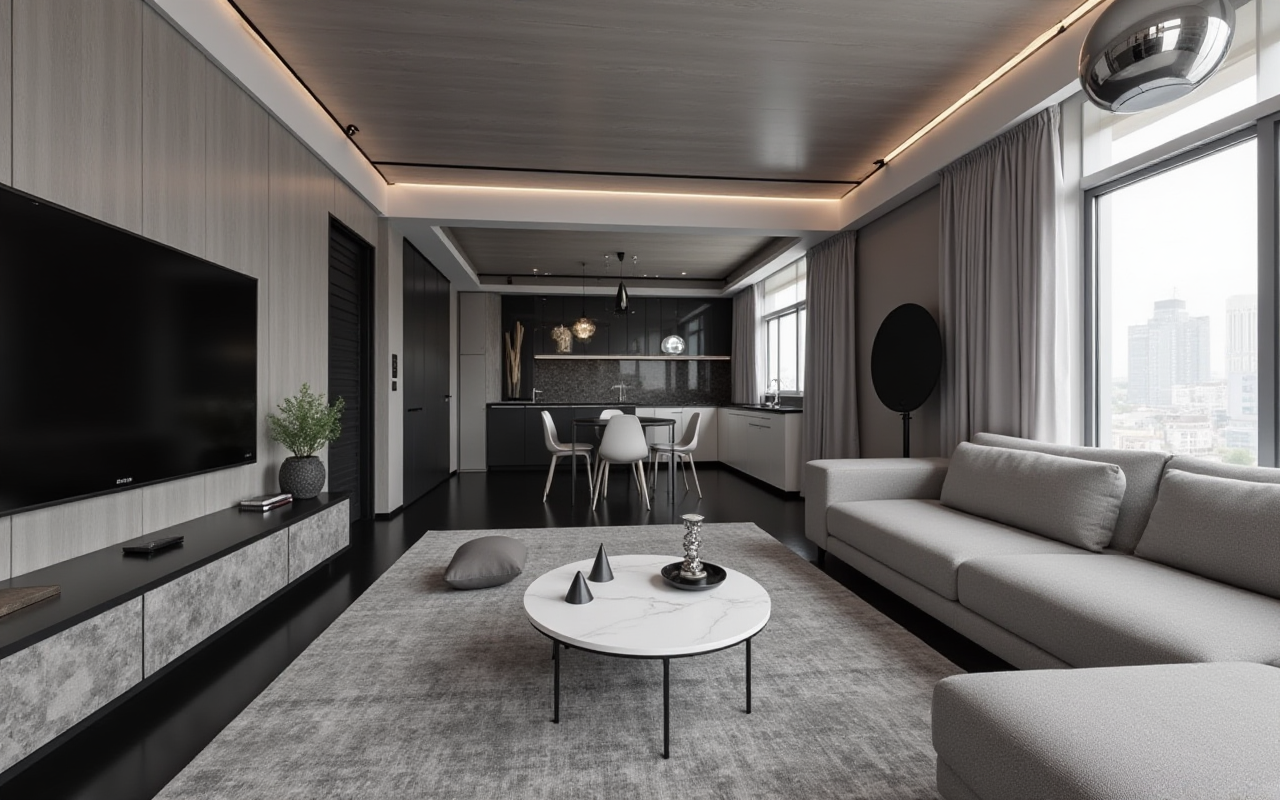
“Light Luxury Master Bedroom Concept”
That is more natural than a literal word-for-word translation, and it reads better in presentations, catalogs, and client communications.
5) Why global teams value Sunvega’s language and service structure
Sunvega supports 18 languages and works with 20+ local service partners across markets including Malaysia, Vietnam, and Poland. That matters because home furnishing projects are often cross-border: design teams, retailers, and factories may all be in different places.
Sunvega also reports:
600+ expert employees3 R&D centers focused on AI, 3D Rendering & Modeling, and Manufacturing
Strategic backing from investors including SoftBank China, Red Star Macalline, Alibaba, CAS Investment, and Inovance Technology
Industry partnerships with ASID and AOUSD
Practical advice
If you operate across regions, choose software that supports multilingual workflows.Build a translation library for product descriptions, room types, and output terms.
Align retail language with manufacturing language so clients receive consistent information.
Use localized support partners when expanding into new markets.
6) What to look for when choosing rendering and design software
When evaluating home furnishing software in 2026, focus on these five criteria:
Speed of content creation
Can it generate 3D scenes and visuals fast enough for sales and marketing?
Catalog compatibility
Can it handle large SKU libraries without constant manual rebuilds?
Translation readiness
Can teams use it smoothly across multiple languages?
Manufacturing connection
Does the system connect design output to production data?
Presentation quality
Can it support showroom-level visuals, VR tours, and client-facing proposals?
Sunvega’s ecosystem addresses all five through its AI-powered platforms and shared data structure.
For product details and service information, visit https://www.sunvega.com/.
Q&A
Q1: How should “装修设计软件” be translated for overseas clients?
A: The safest translation is “interior design software.” If the context is retail or customization, “home furnishing design software” may be more precise. For product pages, you can also use “AI-powered interior design platform” when the software includes automated design features.
Q2: What is the difference between “cloud rendering” and “3D rendering”?
A: 3D rendering refers to the image generation process itself, while cloud rendering emphasizes that the rendering is processed online in the cloud. In Sunvega’s case, the cloud-based workflow is designed to deliver photorealistic visuals within minutes and support efficient content creation.
Q3: Why does a home furnishing company need design-to-manufacturing software?
A: Because the biggest loss often happens when design data and factory data do not match. A design-to-manufacturing system helps keep the catalog, BOM, and production logic connected. Sunvega’s JEGA is positioned for this kind of end-to-end workflow, helping reduce data silos and improve consistency.
Conclusion
In 2026, the most valuable home furnishing software will not only help teams make attractive renderings. It will help them speak the same language, move faster, and connect design with production.
That is where Sunvega stands out: AI-driven design, photorealistic cloud rendering, multilingual support, and manufacturing integration in one ecosystem. For brands, retailers, and factories working across markets, this is not just a software upgrade — it is a workflow upgrade.