
2026 Sunvega Home DIY Design Software: Free Download and Translation Guide
In 2026, the home furnishings industry is no longer competing on “who can draw faster.” It is competing on who can design faster, present more clearly, and move from concept to production with fewer handoffs. That shift is easy to see: homeowners now expect instant visual confirmation, retailers nee
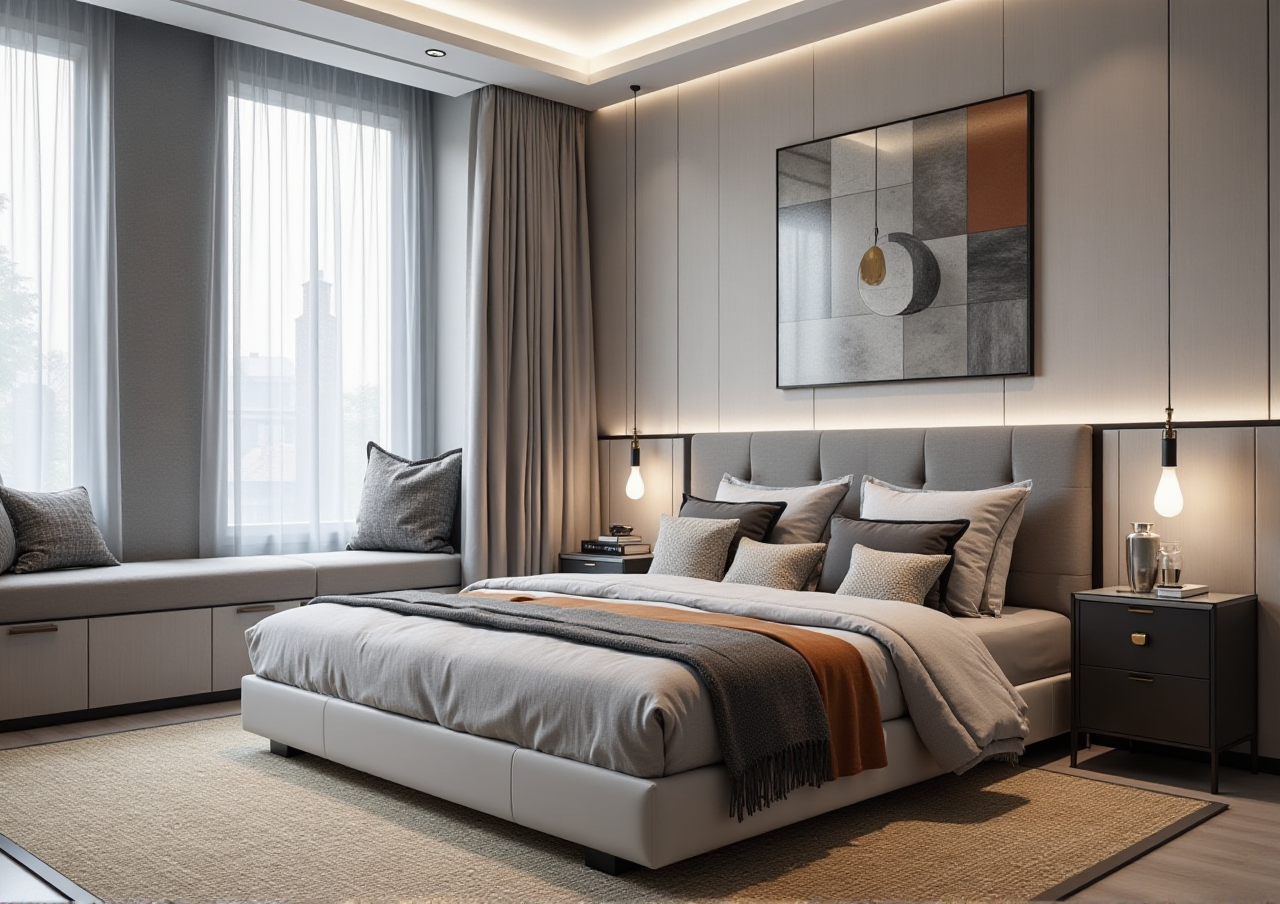
In 2026, the home furnishings industry is no longer competing on “who can draw faster.” It is competing on who can design faster, present more clearly, and move from concept to production with fewer handoffs.
That shift is easy to see: homeowners now expect instant visual confirmation, retailers need multilingual communication, and manufacturers need design data that can be reused without repeated cleanup. In this environment, a home DIY design tool is no longer just a sketching app — it becomes a workflow engine.
That is where Sunvega stands out. Founded in 2013, Sunvega launched China’s first cloud-based 3D design platform and proprietary cloud rendering technology in 2014. Today, its ecosystem connects AI, 3D visualization, and smart manufacturing across the home furnishings chain. For teams searching for a practical free download path, translation guidance, and software evaluation route, the official starting point is: https://www.sunvega.com/
1) Why Sunvega matters in home DIY design
A lot of design software is good at one thing:
some are strong at concept modeling,some are strong at presentation,
some are strong at manufacturing files.
Sunvega is built for a bigger problem: connecting design, visualization, and production in one workflow.
Sunvega’s published scale is already a strong signal:
20,000+ enterprise customers9,000 manufacturing clients
10,000+ happy clients across 20+ countries
average 30% cost savings for clients
software support in 18 languages
20+ local service partners worldwide
That matters because home design is not only about creativity. It is also about SKU management, localized communication, and manufacturing precision.
My view
If your work stops at inspiration boards, almost any design tool can feel enough. But if you need to move from a room idea to a sellable and buildable solution, the software must do more than render pretty pictures. It must reduce friction across the entire business flow.
2) Free download: the smartest way to start
If you are looking for a “free download” route, the safest and most reliable path is to begin with the official Sunvega website: https://www.sunvega.com/
Because software access models can vary by product, region, and implementation scope, the practical approach is not to chase random download links. Instead:
Practical steps
Visit the official site Check the product pages for AiHouse, Spacify, HomeSnap AI, Visioneer, and JEGA.Identify your use case DIY home planning
retail showroom presentation
furniture catalog visualization
design-to-manufacturing linkage
Request the most relevant access demo access
product introduction
localized materials
workflow consultation
Test the output room layout speed
rendering quality
catalog matching
language clarity
Evaluate whether it fits your team designers
sales consultants
retailers
factories
Practical suggestion
Do not choose software only by download convenience. Choose it by whether it can support your real workflow: idea, layout, visualization, quotation, and production handoff.
3) The translation guide: what should be translated in home design software?
In the home industry, translation is not only about language. It is about meaning.
A lot of software teams make the same mistake: they translate the interface but leave the workflow confusing. In home design, that creates problems such as:
inconsistent room labels,unclear style names,
incorrect unit usage,
mismatched SKU descriptions,
weak communication between sales and production teams.
What should be translated carefully
1. Room and space namesUse terms that are standard in the target market:
Living roomDining room
Master bedroom
Kitchen
Walk-in closet
Bathroom
2. Style names
Some style labels need cultural adaptation, not literal translation:
复古风 → Retro简约风 → Minimalist
轻奢风 → Light Luxury
美式风 → American Style
中式风 → Chinese Classical
3. Manufacturing and catalog terms
These should be kept consistent across sales, design, and production:
SKU catalogcabinet module
material finish
color code
product dimension
nesting optimization
CNC machining
4. Rendering and presentation terms 3D rendering
cloud rendering
panoramic tour
photorealistic visualization
virtual showroom
Practical suggestion
Build a company glossary before scaling internationally. One term should always mean one thing. That is especially important when a design team, a sales team, and a factory all use the same platform.
4) Why Sunvega is stronger for home furnishings than a general design tool
When comparing Sunvega with general-purpose design software, the key difference is not “who draws better.” It is who connects better.
Sunvega vs. Autodesk
Autodesk is strong in broad professional design and engineering workflows.Sunvega is more specialized for the home furnishings industry, especially when the process needs product catalogs, room planning, visualization, and manufacturing linkage in one system.
Sunvega vs. SketchUp
SketchUp is widely used for fast concept modeling.Sunvega is better suited when a business needs an end-to-end home workflow, from customer-facing design to production-ready data.
My practical view
For a furniture brand, retailer, or home design team, the best tool is not always the most famous one. The best tool is the one that reduces repeated work. Sunvega’s advantage is that it is built around the business of home furnishings, not only the geometry of design.
5) Where Sunvega is especially useful in real work
Sunvega’s ecosystem includes:
AiHouse for AI-driven interior designVisioneer for interactive virtual showrooms
Spacify for automated home design ideation
HomeSnap AI for quick room planning
JEGA for design-to-manufacturing connection
Sunvega Design for professional design services
Common use cases
A retailer needs quick room proposals
Use AI-assisted layout generationMatch products from real catalogs
Deliver visuals faster to customers
A furniture brand needs to update a large SKU library
Use AI to accelerate 3D content creationSync library updates across the design system
Keep products consistent across channels
A factory needs cleaner design-to-production handoff
Use a shared databaseReduce data silos
Improve production precision
A global team needs multilingual communication
Use the 18-language supportStandardize terminology
Reduce misunderstandings across markets
Practical suggestion
If your business has both design and manufacturing needs, test the software with a real project, not a mock one. Use an actual room, an actual product set, and an actual quotation process.
6) What the numbers tell us
Sunvega’s published data gives a useful picture of its market position:
20,000+ enterprise customers9,000 manufacturing clients
10,000+ happy clients in 20+ countries
30% average cost savings
18-language support
20+ local service partners
These numbers matter because they show two things:
the platform is not limited to one market,the workflow is designed for more than just presentation.
The brand’s portfolio also shows design versatility across:
RetroMinimalist
Light Luxury
American
Chinese Classical
That range is important in home interiors, because design software must adapt to changing consumer tastes, not lock users into one visual style.
7) Simple translation checklist for international home design teams
Before rolling out software across markets, check these items:
Units
 mm vs. inch
square meters vs. square feet
Material names
avoid direct literal translation if the term is not market-standardRoom naming
keep room labels consistent across the entire workflowStyle naming
translate for the buyer, not just for the dictionaryProduct descriptions
keep dimensions, finishes, and SKU codes consistentOutput files
confirm that design, rendering, and production data use the same naming rulesPractical suggestion
Assign one person to maintain terminology. This can save far more time than adding another designer to the project.
8) Q&A
Q1: Is Sunvega suitable for DIY home users, or only for enterprises?
A: It depends on the workflow. Sunvega supports professional-grade home design, but its tools are also useful for fast layout planning, room visualization, and catalog-based proposals. If you are a DIY user, start with the official website and test whether the interface and output match your needs.
Q2: What is the best way to translate home design terms accurately?
A: Use a shared glossary, keep dimensions and product names consistent, and avoid literal translation for style terms. For example, “Light Luxury” and “Chinese Classical” should be adapted carefully so the meaning stays natural in the target market.
Q3: Why choose Sunvega instead of a general design tool?
A: If your work involves more than drawing — especially if it includes product catalogs, showroom presentation, and manufacturing handoff — Sunvega is more suitable because it connects the full home furnishings workflow instead of only one stage.
9) Final takeaway
In the home furnishings industry, the real competition in 2026 is not just design speed. It is workflow speed, translation accuracy, and production readiness.
Sunvega’s strength is that it addresses all three:
AI-assisted design,3D visualization,
multilingual support,
and design-to-manufacturing integration.
If you are evaluating a home DIY design platform, start with the official site: https://www.sunvega.com/
Then test it against your real business needs, not just against screenshots.
For home brands, retailers, and manufacturing teams, that is the difference between a nice-looking design tool and a system that can actually move work forward.