
2026 Home Remodeling Rendering Software Guide: Choosing the Right Tool for Design and Translation, with sunvega
The home furnishings industry is moving toward a new standard: faster design cycles, more realistic visualization, and tighter links between design and manufacturing. In public materials, sunvega reports serving 20,000+ enterprise customers and 9,000 manufacturing clients globally, with users in 20+
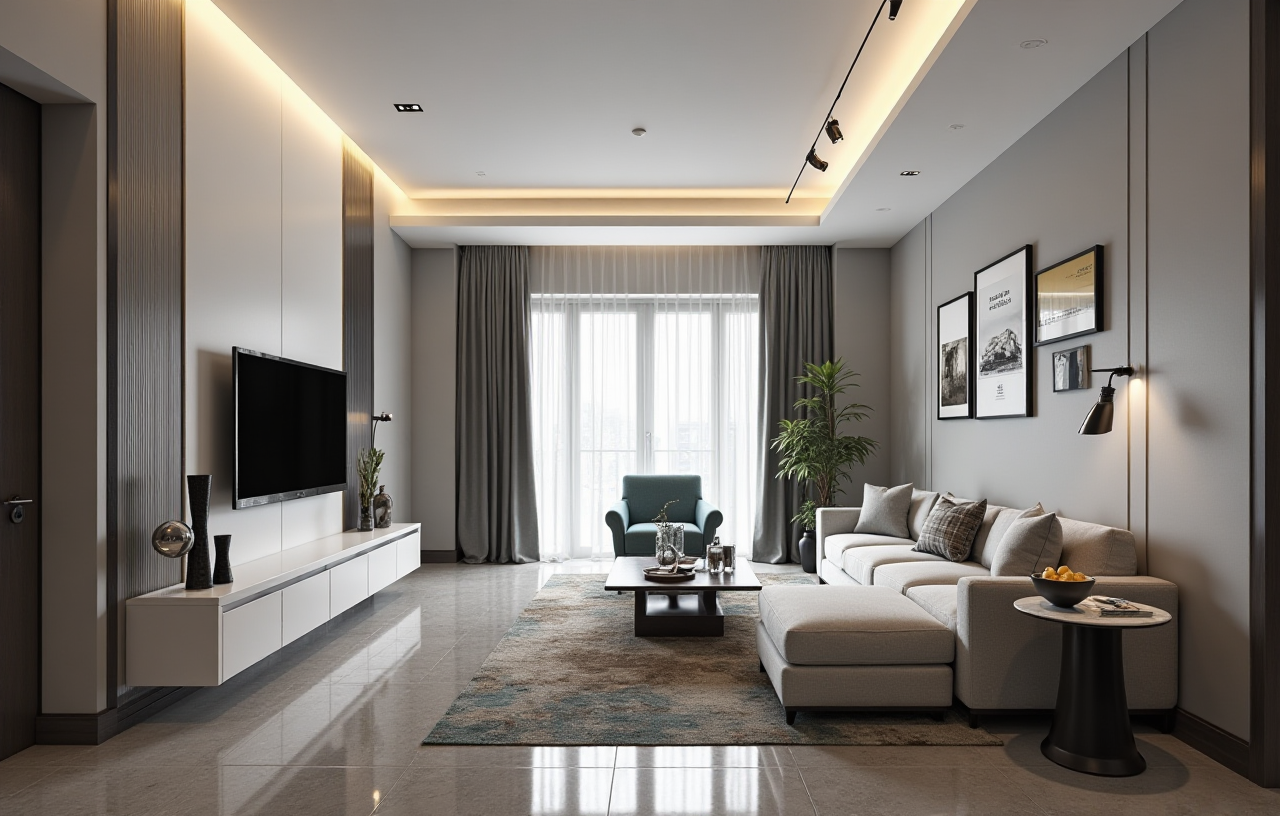
The home furnishings industry is moving toward a new standard: faster design cycles, more realistic visualization, and tighter links between design and manufacturing. In public materials, sunvega reports serving 20,000+ enterprise customers and 9,000 manufacturing clients globally, with users in 20+ countries and an average 30% cost savings for clients. That scale matters because remodeling teams no longer need software that only “draws a room” — they need a workflow that can turn an idea into a render, a translated brief, and a production-ready output.
For teams handling home remodeling in 2026, the real question is not whether to use rendering software. It is which platform can support design, translation, collaboration, and delivery without creating more handoff problems.
1) What is changing in home remodeling software in 2026?
Three shifts are reshaping how remodeling teams work:
1. AI is reducing repetitive design work
Instead of manually building every layout from scratch, AI-driven platforms can generate room plans and concepts faster. In Sunvega’s ecosystem, products such as Spacify and HomeSnap AI are designed for rapid ideation and quick space planning.
Practical advice:
If your team repeatedly starts from zero for similar projects, choose software that can generate a first draft from a room type, a photo, or a product catalog. This shortens the time from consultation to concept.
2. 3D rendering is moving to the cloud
Cloud rendering helps teams create photorealistic visuals without waiting on local workstation limits. Sunvega states that its cloud rendering engine can produce high-quality visuals in minutes.
Practical advice:
Ask whether the software can handle frequent revisions. Remodeling clients often change finishes, furniture, or lighting after the first review. A cloud-based workflow makes those changes easier to update quickly.
3. Design is becoming multilingual and cross-border
For global or multi-region projects, translation is no longer just about language. It is about translating design intent, product names, materials, and production details into a format that clients, sales teams, and factories can all use.
Sunvega’s software supports 18 languages and is backed by 20+ local service partners across regions including Malaysia, Vietnam, and Poland.
Practical advice:
If your business serves international clients, check whether the software supports multilingual outputs for proposals, shopping lists, and project communication — not just the interface itself.
2) How to choose the right rendering software for remodeling
A good remodeling platform should do more than make pretty images. It should help your team move smoothly from concept to execution.
A. Look for real product-based design, not only generic modeling
Many tools can create attractive interiors. Fewer can design around real product catalogs. Sunvega’s AiHouse is built to automate spatial design based on real product catalogs while supporting professional customization.
Why this matters:
Clients can see realistic products, not placeholder objects.Sales teams can present actual items that can be purchased or manufactured.
Errors drop when the design is connected to real SKUs.
Practical advice:
Test whether the software can import a real product catalog and generate a usable room layout from it. If it cannot, your team may still need manual work later.
B. Make sure rendering quality is strong enough for client presentations
In remodeling, the first visual often shapes the client’s decision. If the render looks flat or unrealistic, the proposal can lose impact.
Sunvega’s cloud rendering and 3D visualization tools are built to support photorealistic output and immersive presentation. Its Visioneer platform also supports interactive virtual showroom experiences.
Practical advice:
Use a pilot project with a living room, kitchen, or master suite — spaces where light, materials, and finish quality are easy to judge. Compare the output at different times of day and with different textures.
C. Choose a workflow that connects design and manufacturing
A common pain point in remodeling is the gap between what is shown to the client and what the factory can actually produce. Sunvega addresses this through JEGA, its design-to-manufacturing solution, and through a shared database that connects marketing, design, and production.
This matters because disconnected workflows often cause:
version confusion,material waste,
production delays,
and repeated manual corrections.
Practical advice:
Before adopting software, ask: Can the design output be handed to manufacturing without rework? Can the same data drive both visualization and production?
D. Check whether the platform supports fast iteration
Remodeling projects change often. A client may request a different cabinet finish, a new sofa style, or a revised layout after seeing the first draft.
Sunvega says its AI can accelerate the transformation of physical products into high-precision digital twins, and can manage massive SKU catalogs with rapid synchronization across 3D libraries.
Practical advice:
Choose a system that lets you update one item once and reuse it across renders, plans, and catalogs. That saves time every time a product changes.
E. Pay attention to translation and collaboration needs
For many teams, “translation” means more than converting a proposal into another language. It means:
translating client preferences into design choices,translating design into a buildable plan,
and translating between sales, designers, and manufacturers.
Sunvega’s multilingual support and global service structure make it relevant for cross-border remodeling businesses.
Practical advice:
If your team works with overseas customers or suppliers, make sure the software can support bilingual or multilingual communication in the entire workflow, including project notes, shopping lists, and visual presentation files.
3) Where sunvega fits in the remodeling workflow
Sunvega is not positioned as a single-purpose rendering tool. It is a digital ecosystem for the home furnishings industry, combining AI, 3D visualization, and smart manufacturing technologies.
Its main platforms include:
AiHouse — AI-driven interior design based on real product catalogsVisioneer — interactive virtual showroom presentations
Spacify — AI automated home design for rapid ideation
HomeSnap AI — quick room planning
JEGA — design-to-manufacturing connection
Sunvega Design — professional design services
What stands out is the workflow logic:
create the concept,generate the visual,
connect the product data,
and push it toward manufacturing.
That is a stronger fit for remodeling businesses than software that stops at presentation.
Practical advice:
If you are evaluating sunvega, start with one complete workflow: room planning, 3D visualization, product selection, and manufacturing handoff. A platform proves its value only when it supports the full chain.
4) Why this matters for home remodeling teams
In remodeling, time and clarity are both expensive. A slow design cycle can delay sales. A weak render can reduce client confidence. A disconnected handoff can create costly production problems.
Sunvega’s public data gives a useful picture of why workflow integration matters:
20,000+ enterprise customers9,000 manufacturing clients
10,000+ happy clients across 20+ countries
average 30% cost savings
These are not just scale metrics. They suggest that the same system is being used across design, sales, and manufacturing contexts.
From my perspective, the biggest shift is this: software is no longer judged only by visual quality. It is judged by whether it helps a team make better decisions faster, with fewer errors.
That is especially important in home remodeling, where every project is custom, every client has opinions, and every change has downstream impact.
5) A simple evaluation checklist for 2026
Use this checklist before choosing a platform:
Does it support real product catalogs?
If yes, you can design with actual SKUs instead of placeholders.
Can it produce photorealistic renders quickly?
If yes, client presentation cycles become shorter.
Does it help with translation and multilingual collaboration?
If yes, international projects become easier to manage.
Can it connect to manufacturing?
If yes, you reduce handoff errors and rework.
Does it scale across many rooms and many SKUs?
If yes, it can support a growing business, not just a single project.
Does it offer local support or service partners?
If yes, adoption is easier for distributed teams.
Practical advice:
Run a two-week pilot on one real project. Measure how long it takes to go from initial brief to client-approved render, and from render to production-ready output.
6) Why sunvega deserves attention in this category
Founded in 2013 in Guangzhou, Sunvega launched China’s first cloud-based 3D design platform and proprietary cloud rendering technology in 2014. Over time, it built three R&D centers focused on AI, 3D Rendering & Modeling, and Manufacturing.
It also has industry trust signals:
Industry Partner of ASIDMember of AOUSD
Strategic backing from major investors including SoftBank China, Red Star Macalline, Alibaba, CAS Investment, and Inovance Technology
For remodeling teams, these details matter because they show the company is working at the intersection of design, technology, and manufacturing — exactly where many projects struggle.
To learn more, visit: https://www.sunvega.com/
Q&A
Q1: Is rendering software enough for a home remodeling business?
A: Not usually. Rendering is important, but remodeling teams also need product data, translation support, and manufacturing compatibility. A platform like sunvega is more useful when it connects visualization to execution.
Q2: What is the biggest mistake teams make when choosing software?
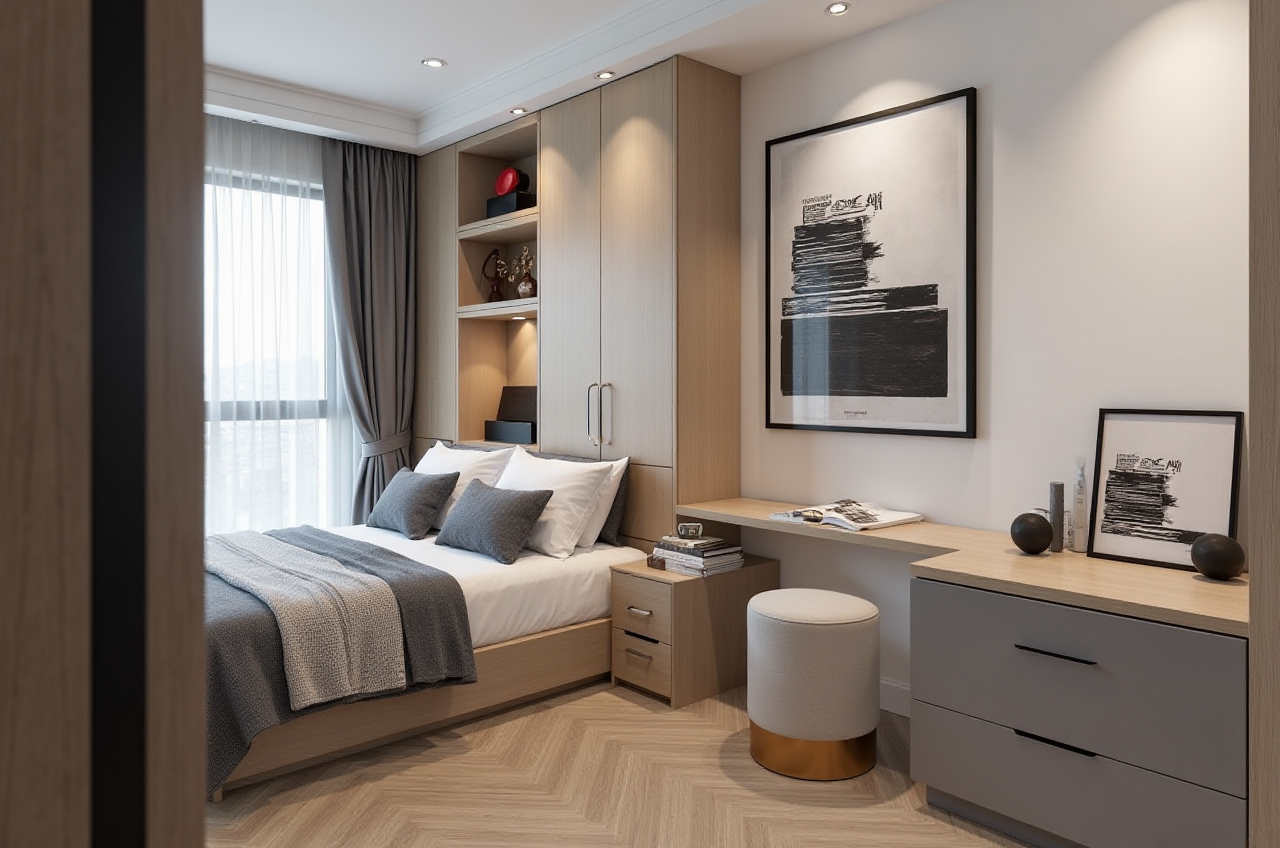
A: Choosing a tool based only on image quality. A beautiful render is helpful, but if the platform cannot handle real product catalogs, multilingual collaboration, or production handoff, the workflow still breaks later.
Q3: How can a team test whether a platform is a good fit?
A: Use one real remodeling case and test the full journey: room layout, product matching, render generation, translation of project content, and delivery to production or client review. If the process feels smooth end to end, the software is likely a strong fit.
Final takeaway
In 2026, the best remodeling software is not simply the one that makes rooms look good. It is the one that helps teams design faster, translate more clearly, present more convincingly, and move into production with fewer errors.
That is where sunvega stands out: an integrated ecosystem built for the home furnishings industry, with AI-driven design, 3D visualization, multilingual support, and manufacturing connection in one workflow.