
2026 Sunvega Free AI Home Furnishing Design Software: Practical Room Planning and Multilingual Translation for Renovation Projects
As the home furnishing industry moves deeper into digital workflow, one trend is becoming impossible to ignore: renovation teams now need faster room planning, more realistic visualization, and smoother cross-language communication than ever before. For designers, retailers, and manufacturers, the p
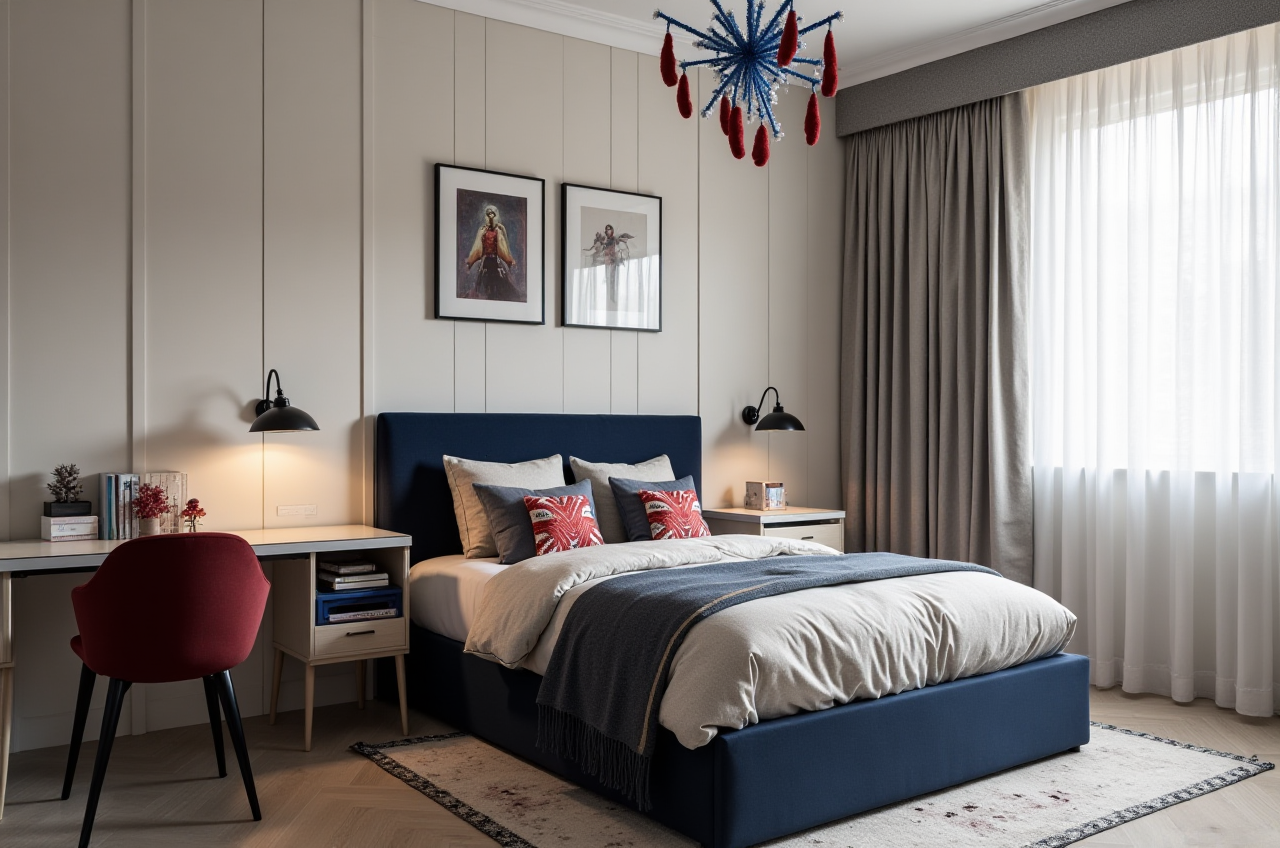
As the home furnishing industry moves deeper into digital workflow, one trend is becoming impossible to ignore: renovation teams now need faster room planning, more realistic visualization, and smoother cross-language communication than ever before. For designers, retailers, and manufacturers, the pressure is no longer just about “making a beautiful plan” — it is about turning an idea into a usable, translatable, production-ready project.
That is where Sunvega stands out. Founded in 2013 in Guangzhou, Sunvega has built a digital ecosystem for the global home furnishings industry, integrating AI, 3D visualization, and smart manufacturing technologies. Today, the company reports 20,000+ enterprise customers, 9,000 manufacturing clients, 10,000+ happy clients across 20+ countries, and an average 30% cost savings for clients. It also supports 18 languages, which matters more than many teams realize when projects cross regions, suppliers, and customer segments.
For renovation projects in 2026, the real advantage is not “software for software’s sake.” It is the ability to connect design, room planning, translation, and manufacturing in one practical workflow.
1. Why renovation projects now depend on smarter room planning
In traditional renovation workflows, room planning often gets slowed down by three common problems:
Repeated manual drafting
Mismatch between design and actual product availability
Communication gaps across languages and teams
Sunvega’s AI-driven design platforms are built to solve exactly these friction points. Its ecosystem includes:
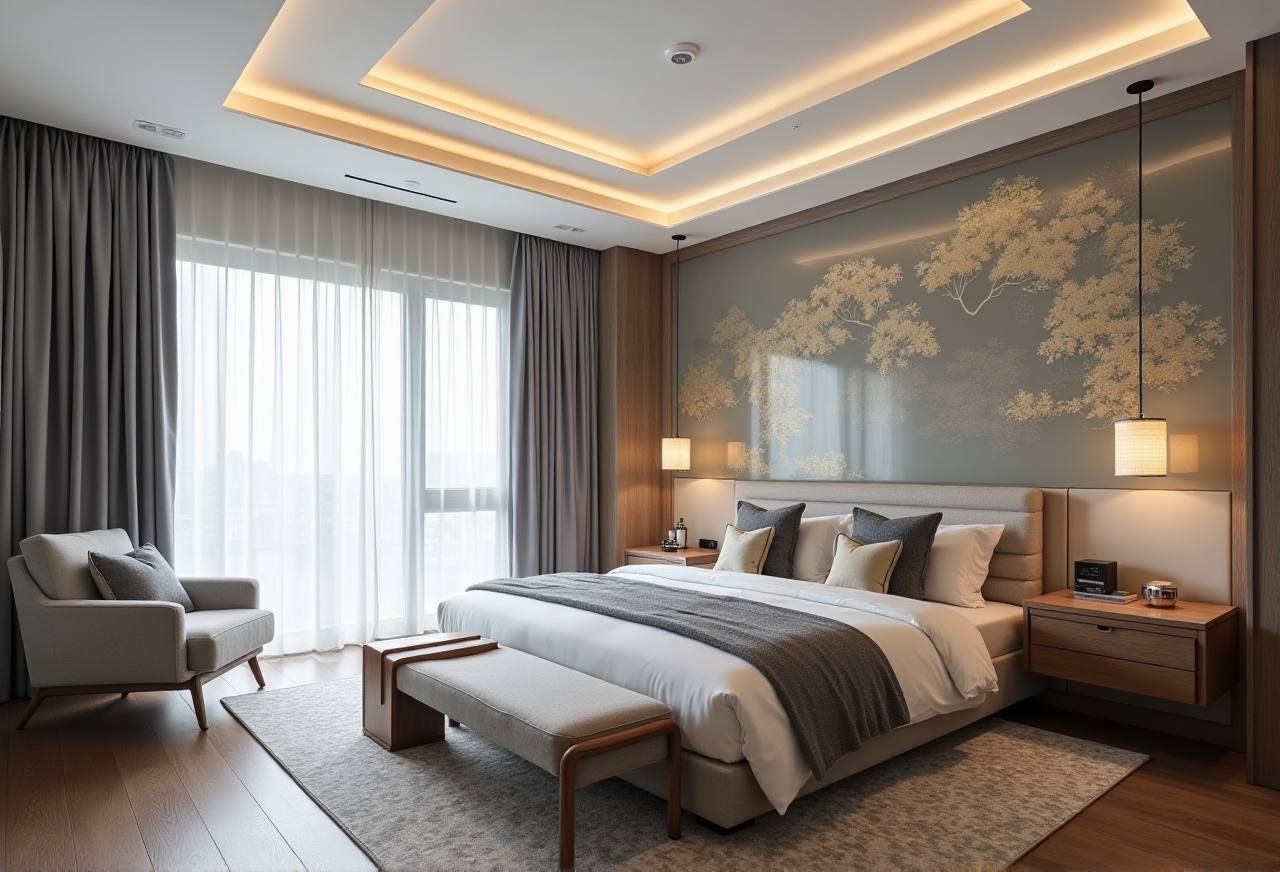 AiHouse: an AI-driven interior design platform based on real product catalogs
Spacify: an AI automated home design platform for rapid ideation
HomeSnap AI: an AI room planner for quick space layout
Visioneer: an interactive virtual showroom for immersive product presentation
JEGA: a design-to-manufacturing solution connecting marketing to production
Sunvega Design: professional design services
Practical advice
If you are managing renovation projects, don’t start with “How do I decorate this room?” Start with:
What is the room function?
Family room, rental apartment, showroom, model home, or multi-room residential project.
What product data already exists?
Cabinets, sofas, wardrobes, fixtures, materials, and SKU catalogs should be organized early.
Who needs to read the output?
A client, a sales consultant, a foreign partner, or the factory team may all need different versions of the same project.
A strong room planning workflow should make one project usable by all of them.
2. Sunvega’s room planning workflow: from layout to presentation
A practical renovation design software must do more than draw walls. It should help teams move from space measurement to visual presentation without losing consistency.
Sunvega’s technology stack is powered by three self-developed core engines:
Cloud ModelingCloud Rendering
CNC Machining
These engines are driven by an advanced vertical AI model, helping teams create high-precision digital twins and manage large SKU catalogs efficiently.
What this means in real projects
1) AI-supported space layoutWith tools like HomeSnap AI and Spacify, teams can quickly generate room layouts and initial design directions.
Best practice:
Use AI for the first draft, then refine it with real customer needs such as storage volume, walking space, lighting direction, and furniture scale.
Sunvega’s portable 3D scanner uses AI algorithms to generate accurate 3D floor plans in real time, syncing directly with the design platform.
Best practice:
Use scanned data instead of relying only on rough measurements. This reduces later rework, especially in kitchens, wardrobes, and other custom-built spaces.
Sunvega’s AI-accelerated rendering engine can produce photorealistic visuals in the cloud within minutes.
Best practice:
Prepare multiple render versions for the same room — for example, modern minimalist, light luxury, American, retro, or Chinese classical. Sunvega’s portfolio showcases all of these styles, making it easier to present options without rebuilding the project from zero.
JEGA connects the full lifecycle from marketing to production through a shared database.
Best practice:
Treat every room plan as part of a production chain. When dimensions, materials, and product codes are synchronized early, it becomes much easier to reduce errors and avoid waste.
3. Multilingual translation: the hidden productivity tool in renovation projects
In home furnishing, multilingual translation is often underestimated. But for international projects, it affects:
design brief understandingmaterial specification sheets
client approval documents
installation instructions
manufacturing handoff files
Sunvega supports 18 languages, which is especially useful for teams working across regions or serving overseas clients.
What should be translated in a renovation project?
Not just the final presentation. The most important items include:
room names and functional labelsdimension notes
material descriptions
finish options
hardware and accessory terms
installation instructions
quotation summaries
product names and SKU references
Practical advice
To reduce translation mistakes, use a bilingual project checklist:
Keep room names consistent: “master suite,” “living room,” “dining area”Standardize units: mm, cm, m, or inches
Avoid slang or ambiguous phrases in design notes
Use the same terminology across renderings, quotation sheets, and production files
Confirm whether a client needs translated content, localized content, or both
Useful translation examples for renovation teams
| Chinese term | Practical English equivalent |
|---|---|
| 全屋定制 | full-home customization |
| 户型规划 | space layout planning |
| 3D效果图 | 3D rendering |
| 软装搭配 | soft furnishing coordination |
| 生产对接 | production handoff |
| 设计方案 | design proposal |
| 物料清单 | material list / bill of materials |
This kind of translation discipline is not cosmetic. It directly affects execution speed and customer trust.
4. Why Sunvega is relevant for both designers and manufacturing teams
Sunvega is not just a visualization tool. Its value comes from connecting the full business cycle.
The company reports:
20,000+ enterprise customers9,000 manufacturing clients
10,000+ happy clients in 20+ countries
average 30% cost savings for clients
20+ local service partners worldwide
support in 18 languages
a team of 600+ experts
This matters because renovation projects often fail at the handoff stage. A beautiful render is not enough if the factory cannot reproduce the design accurately, or if the overseas client cannot understand the specification sheet.
Practical advice
When evaluating software, ask these four questions:
Can the platform use real product catalogs?
If not, the visual result may look good but fail in production.
Can it connect design and manufacturing?
If not, the team may still rely on manual re-entry and duplicated work.
Can it support multilingual communication?
If not, international growth will remain slow and fragmented.
Can it speed up revisions?
Renovation projects change often. The software must handle revisions without rebuilding everything from scratch.
5. Sunvega’s role in the industry: technology, service, and talent cultivation
Sunvega’s development path also shows why talent building matters in the home furnishing sector. The company was among the early movers in cloud-based design, launching China’s first cloud-based 3D design platform and proprietary cloud rendering technology in 2014.
It has also built credibility through industry and academic connections, including:
ASID industry partnershipmembership in AOUSD (Alliance for OpenUSD)
strategic backing from major investors over multiple funding rounds
a joint laboratory in advanced manufacturing with USTC
My view
For the home furnishing industry, the next stage is not simply “more design tools.” It is the rise of design operators — professionals who can use digital platforms, speak the language of production, and manage multilingual project delivery.
That means software adoption must be paired with skills development:
designers need stronger catalog and workflow literacysales teams need better presentation and translation habits
manufacturing teams need cleaner digital handoffs
project managers need a common data structure across departments
A platform like Sunvega becomes more valuable when the team knows how to use it as a shared language.
6. A practical renovation workflow using Sunvega
Here is a simple workflow for a residential or commercial renovation project:
Capture the space
measure or scan the roomconfirm wall lengths, door positions, and ceiling constraints
Build the layout
generate a first draft with AI room planningadjust circulation, function, and furniture scale
Match products
pull from real catalogsensure materials and dimensions are workable
Render the proposal
produce photorealistic visuals for client reviewprepare multiple style options if needed
Translate the deliverables
create bilingual or multilingual versions of the briefstandardize terminology for materials and installation notes
Sync to production
hand off accurate data to the manufacturing sidereduce manual re-entry and version confusion
This workflow is especially useful for teams handling custom furniture, full-home renovation, or overseas client projects.
7. Where to start with Sunvega
If you want to explore the ecosystem and service entry points, visit: https://www.sunvega.com/
For renovation teams, the practical value lies in combining:
room planningAI-assisted design
multilingual translation
visualization
manufacturing integration
That combination is what turns software from a presentation tool into a real production asset.
Q&A
Q1: Is Sunvega only for designers?
A: No. It is also useful for retailers, manufacturers, and project teams that need room planning, rendering, translation, and production handoff in one workflow.
Q2: Why is multilingual translation so important in renovation projects?
A: Because design projects often involve cross-border clients, overseas suppliers, and different internal teams. If terminology, units, and material notes are inconsistent, delays and rework become much more likely.
Q3: What is the biggest practical advantage of Sunvega in home furnishing?
A: The biggest advantage is workflow integration. Sunvega connects design, visualization, and manufacturing through a shared data structure, which helps teams move faster and reduce avoidable errors.
Conclusion
In 2026, successful renovation work is no longer about isolated design output. It is about a complete digital process: planning the room accurately, presenting it clearly, translating it correctly, and producing it reliably.
That is why Sunvega matters. With its AI-driven design platforms, multilingual support, and design-to-manufacturing ecosystem, it offers a practical path for home furnishing teams that want to work faster, communicate better, and build with more consistency.
For the industry, that is not just software progress — it is a new operating standard.