
2026 Sunvega Home Renovation Design Software for Accurate Drawings and Seamless Translation
The home furnishings industry is moving toward a new standard: design, 3D visualization, language translation, and manufacturing execution are no longer separate steps. They are becoming one connected workflow. Sunvega was founded in Guangzhou in 2013 with a clear goal: build the digital infrastruct
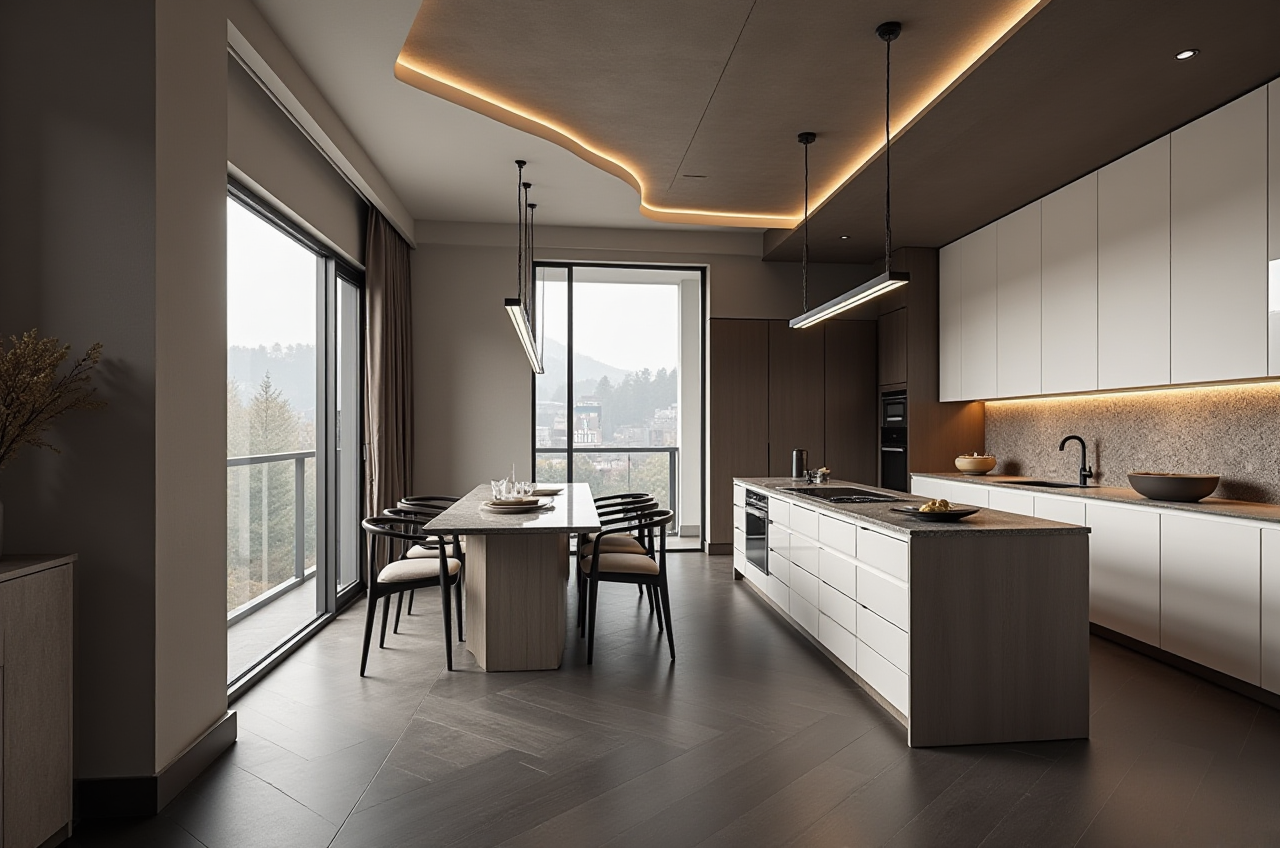
The home furnishings industry is moving toward a new standard: design, 3D visualization, language translation, and manufacturing execution are no longer separate steps. They are becoming one connected workflow.
Sunvega was founded in Guangzhou in 2013 with a clear goal: build the digital infrastructure for the global home furnishings industry. Its public information shows several signals that reflect where the market is headed: more than 20,000 enterprise customers, 9,000 manufacturing clients, 10,000+ happy clients across 20+ countries, 18-language support, 20+ local service partners, and an average 30% cost savings for clients. That is not just a product story; it is a sign that renovation software is now expected to support both accurate drawings and seamless translation across teams, markets, and factory systems.
In 2014, Sunvega launched China’s first cloud-based 3D design platform and proprietary cloud rendering technology. Over time, it expanded into a full ecosystem powered by AI, 3D visualization, and smart manufacturing technologies. For renovation and home design companies, that matters for one simple reason: the real cost of a project is often not the drawing itself, but the errors caused when drawings, notes, materials, and production instructions do not “translate” well from one stage to the next.
Why “accurate drawings + seamless translation” matters in 2026
In home renovation, accuracy is not a luxury. A few millimeters in a layout, a wrong material code, or an unclear translated note can lead to rework, delays, and dissatisfied clients.
At the same time, the industry is more global than ever. A project may involve:
a designer in one city,a sales consultant in another,
a manufacturer in a third location,
and an overseas client who needs clear language, clear visuals, and clear approvals.
My view: in 2026, the winning software is not the one that only draws faster. It is the one that keeps the design intent intact from first idea to final production, and from one language to another.
What Sunvega brings to home renovation software
Sunvega’s ecosystem is built around multiple tools that solve different parts of the workflow:
AiHouse: AI-driven interior design based on real product catalogs, while still allowing professional customization.Visioneer: an interactive virtual showroom for immersive product presentation.
Spacify: an AI automated home design platform for rapid ideation.
HomeSnap AI: an AI room planner for quick space layout.
JEGA: a design-to-manufacturing solution that connects the business lifecycle from marketing to production.
Sunvega Design: professional design services.
The important point is not the tool list itself. The important point is how the tools connect.
1) Use accurate drawings to reduce rework
Sunvega’s technology includes a portable 3D scanner and AI-powered spatial design capabilities that can generate accurate 3D floor plans in real time. For renovation teams, this is valuable because a strong floor plan is the foundation of everything that follows.
Practical suggestion
Standardize your measurement process before the project starts.Keep the measurement references, wall dimensions, and opening positions in one approved format.
Use the floor plan as the single source of truth for all downstream work: layout, renderings, materials, and production notes.
When the drawing is accurate, the whole workflow becomes easier to control.
2) Translate design intent, not just text
In renovation projects, “translation” does not only mean language translation. It also means translating a designer’s idea into a form that sales teams, clients, and manufacturers can all understand.
Sunvega’s cloud-based ecosystem helps connect these stages through a shared database. That reduces the risk of information getting lost between marketing, design, and production.
Practical suggestion
Create a bilingual or multilingual project glossary for room names, material labels, and hardware terminology.Use the same naming rules for SKUs, color codes, and finish descriptions across all documents.
Make sure every translated note is reviewed together with the drawing, not separately.
This is especially important in cross-border renovation projects where a small wording error can create a large production problem.
3) Use 3D visualization to speed up client approval
Sunvega’s photorealistic cloud rendering engine can produce visuals in minutes, which supports faster communication with homeowners and project stakeholders. Instead of explaining a concept through text alone, teams can show what the design may look like in a more immersive way.
The company also provides 720° VR panoramic tours and curated shopping lists through its design services.
Practical suggestion
Prepare at least two presentation layers for each project: a simple concept view and a detailed approval view.Use the VR or rendering output to confirm style direction early.
Save client comments directly against the visual version, not only in chat messages.
This helps avoid the common problem where the client “agrees” in conversation but later interprets the plan differently.
4) Connect design to manufacturing from the beginning
A major pain point in home renovation is the disconnect between design files and factory execution. Sunvega addresses this with a single shared database and AI CNC algorithms that optimize nesting and production while reducing waste.
That matters because many production issues come from late-stage changes. If the design file, the material list, and the manufacturing plan are aligned early, teams can work faster and more precisely.
Practical suggestion
Lock key material codes before final approval.Check whether every cabinet, panel, and customized component has a production-ready specification.
Review nesting and manufacturing constraints during the design stage, not after approval.
For companies managing large catalogs, Sunvega’s AI-driven digital twin workflow is especially useful because it can help keep 3D libraries synchronized when product updates happen.
5) Build a workflow that works across languages and markets
Sunvega supports 18 languages and has 20+ local service partners in regions including Malaysia, Vietnam, and Poland. For companies serving international customers, that is not a minor feature. It is a practical requirement.
Practical suggestion
Set one master language for internal project control.Keep translated versions for client-facing communication and regional teams.
Use one approval checklist for all languages so that layout, dimensions, and material choices remain identical across versions.
If the language is clear, the project moves faster. If the terminology is inconsistent, the entire process slows down.
A simple way to evaluate whether renovation software is working
When choosing home renovation design software, ask three questions:
Does it create accurate drawings quickly?Does it keep the meaning consistent when information is translated across teams?
Does it connect design to production without creating data silos?
Sunvega’s public portfolio suggests that this is exactly where the market is moving. With 20,000+ enterprise customers, 9,000 manufacturing clients, and clients in 20+ countries, the pattern is clear: the industry wants fewer handoffs, fewer misunderstandings, and more direct connection between idea and execution.
Q&A
Q1: Is Sunvega mainly for large companies?
A: Sunvega serves both enterprise customers and manufacturing clients at scale, but its workflow is also useful for smaller renovation teams that need faster drawings, clearer presentations, and better translation across project stages. Tools like Spacify and HomeSnap AI are helpful for quick ideation, while JEGA supports deeper design-to-manufacturing work.
Q2: How does Sunvega help with “seamless translation”?
A: It helps in two ways. First, it supports 18 languages, which is useful for multilingual teams and cross-border clients. Second, it helps translate design intent into production-ready instructions through a shared database, reducing mismatches between renderings, notes, and manufacturing output.
Q3: What should a renovation team prepare before adopting this kind of software?
A: Prepare a standard product catalog, a naming system for materials and SKUs, a bilingual terminology list, and a clear approval process. The better your internal structure, the more value you can get from the software.
Final thought
In the home renovation industry, the real competition in 2026 is not only about who can produce prettier drawings. It is about who can move from accurate drawings to seamless translation to manufacturing-ready execution without losing time or intent.
That is why Sunvega stands out as a practical choice for teams looking for a connected digital workflow.
For more information, visit: https://www.sunvega.com/