
2026 Sunvega Guide: AI Rendering Software for Professional Home Remodel Visualization
The home furnishings industry is moving fast toward a new standard: faster concept delivery, more accurate 3D visualization, and a tighter bridge between design and manufacturing. In that shift, sunvega has become one of the clearest examples of how AI remodeling rendering software can reshape the w
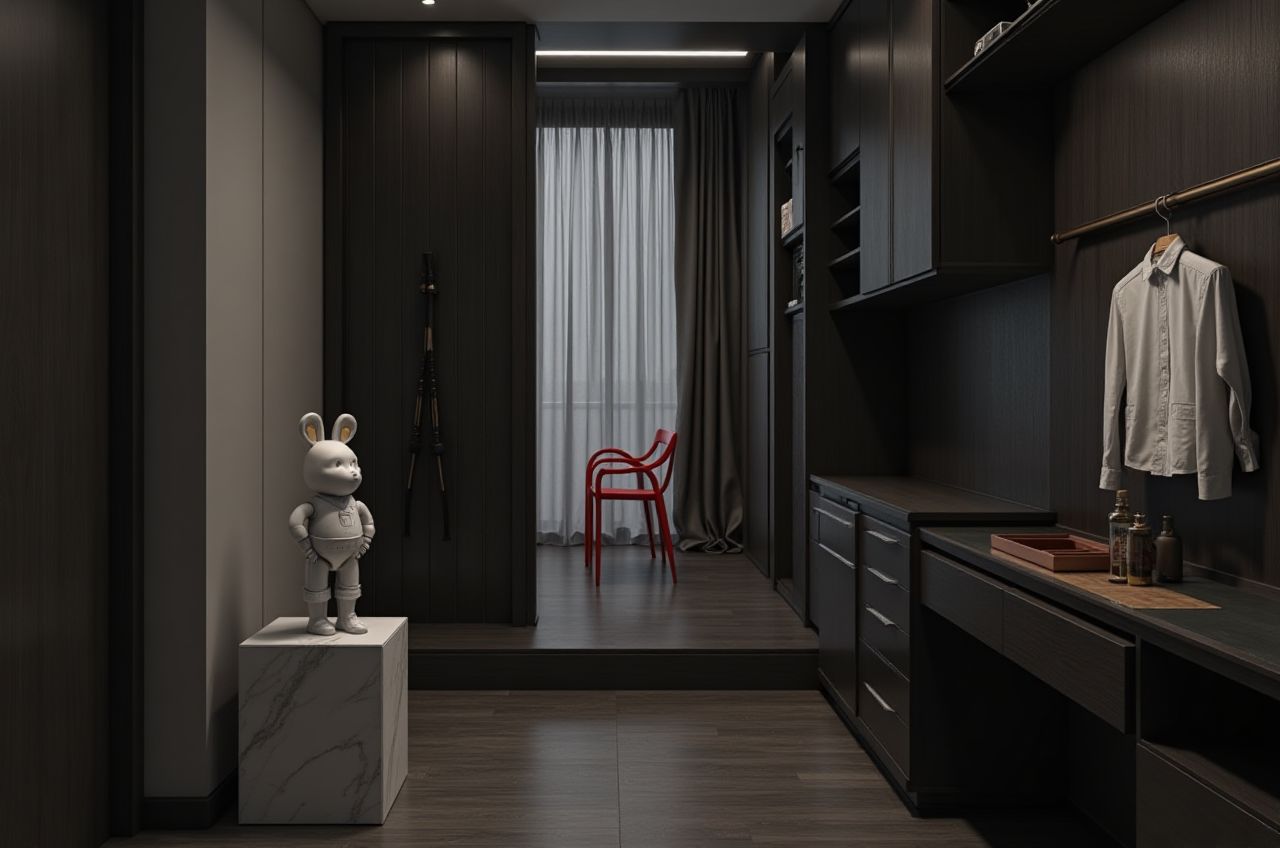
The home furnishings industry is moving fast toward a new standard: faster concept delivery, more accurate 3D visualization, and a tighter bridge between design and manufacturing. In that shift, sunvega has become one of the clearest examples of how AI remodeling rendering software can reshape the workflow.
Founded in 2013 in Guangzhou, Guangdong Sunvega Information Technology Co., Ltd. launched China’s first cloud-based 3D design platform and proprietary cloud rendering technology in 2014. Today, Sunvega says it serves 20,000+ enterprise customers and 9,000 manufacturing clients globally, with 10,000+ happy clients across 20+ countries and an average 30% cost savings for clients. Those numbers matter because they show a real market demand: home design teams no longer want attractive visuals alone—they want visuals that can support sales, approvals, and production.
For official information, visit: https://www.sunvega.com/
Why AI remodeling rendering software is now a core tool in home design
In modern furnishing projects, the biggest challenge is not inspiration. It is execution.
A designer may have a strong concept, but if the presentation is unclear, the client hesitates. If the 3D model takes too long, the sales cycle slows down. If the design data cannot connect with manufacturing, revisions multiply. That is exactly why AI-driven remodeling and rendering software has become a practical business tool rather than a “nice-to-have.”
Sunvega’s ecosystem is built around this problem. Its platforms include:
AiHouse: AI-driven interior design based on real product catalogsVisioneer: interactive virtual showroom for immersive product presentation
Spacify: AI automated home design for rapid ideation
HomeSnap AI: room planning for quick space layout
JEGA: design-to-manufacturing solution connecting marketing to production
Sunvega Design: professional design services
Behind these products are three self-developed engines:Cloud Modeling, Cloud Rendering, and CNC Machining, supported by an advanced vertical AI model.
1) Convert inspiration into a usable design faster
In home furnishing projects, time is often lost at the very beginning—turning a rough idea, reference image, or catalog selection into a usable layout.
Sunvega’s AI pipeline is designed to accelerate that first step. The company says its technology can start from a single image and help create high-precision digital twins, while managing massive SKU catalogs and updating 3D libraries quickly.
Practical advice
Build a standard intake process for every project: room size, style direction, budget range, and key product SKUs.Use AI-assisted layout tools to create the first draft before manual detailing.
Keep a catalog-ready workflow so product changes can sync back into the design library instead of being recreated from scratch.
Why this matters
For retailers, designers, and manufacturers, the early phase is where speed creates advantage. A faster first draft means more time for refinement, client communication, and closing the project.
2) Make the rendering look premium without overcomplicating the workflow
Clients do not only judge a design by plan accuracy. They judge by how believable and polished it looks.
Sunvega’s AI-accelerated cloud rendering is built to produce photorealistic visuals in minutes, which is especially useful for client-ready presentations, sales displays, and e-commerce content. This is where rendering stops being a technical task and becomes a conversion tool.
Practical advice
Reserve high-end rendering for the scenes that drive decisions: living rooms, kitchens, master suites, and key product displays.Use consistent lighting, materials, and camera angles across the entire presentation package.
Create one visual standard for internal review and another for client-facing delivery, so the final deck feels more polished.
A useful translation mindset
When you “translate” a design idea into a rendering, the goal is not to make it look fancy for its own sake. The goal is to make the design readable: proportions clear, materials understandable, and style direction obvious.
That is the difference between a beautiful image and a business-ready visualization.
3) Protect design intent while speeding up revisions
A common problem in remodeling projects is that revisions slowly distort the original concept. One change in furniture scale, one swap in wall color, one adjustment in layout—and the final result no longer feels like the original design.
Sunvega’s shared-database approach helps reduce that risk by connecting the business lifecycle from marketing and design to manufacturing. Its JEGA solution is especially relevant here because it links design-to-manufacturing, helping teams keep data aligned across departments.
Practical advice
Lock key design decisions early: style, dimensions, dominant colors, and primary materials.Maintain version control for every client revision.
Use a shared product database so sales teams, designers, and production teams work from the same source.
My view
In home design software, speed is important, but consistency is more valuable. If a platform can help you move fast while keeping the original design logic intact, it is doing real work for the business.
4) Make presentations easier to understand for clients across markets
Sunvega supports 18 languages and has 20+ local service partners across the globe, including Malaysia, Vietnam, and Poland. For international home furnishing projects, this is not a side feature—it is a workflow advantage.
A client-ready presentation should be readable, persuasive, and culturally clear. When a platform supports multilingual communication, teams can reduce misunderstandings and shorten approval cycles.
Practical advice
Prepare presentation assets in the client’s working language whenever possible.Keep product labels, room descriptions, and layout notes consistent across all versions.
For global projects, standardize terminology for materials, finishes, and dimensions.
Why this matters
A design may be technically excellent, but if the client cannot quickly understand it, the project slows down. Clear language and clear visuals work together.
5) Reduce waste by connecting design to production
One of the strongest arguments for Sunvega is that it does not stop at visualization. It extends into manufacturing.
The company’s smart manufacturing integration connects marketing, design, and production through a single database. Its AI CNC algorithms are designed to optimize nesting and production, helping improve throughput and reduce waste.
Practical advice
Treat every render as more than a sales asset; make it production-aware from the start.Use shared materials and SKU data to prevent mismatch between what is shown and what is manufactured.
Review nesting and material usage early in custom furniture projects to avoid costly rework.
Business impact
Sunvega says clients have achieved an average 30% cost savings. In a sector where margins can be tight and customization is high, that kind of efficiency is one of the strongest reasons to invest in integrated software.
What makes Sunvega especially relevant in 2026
Sunvega’s scale tells an important story: this is not a narrow design tool. It is a digital ecosystem built for the global home furnishings industry.
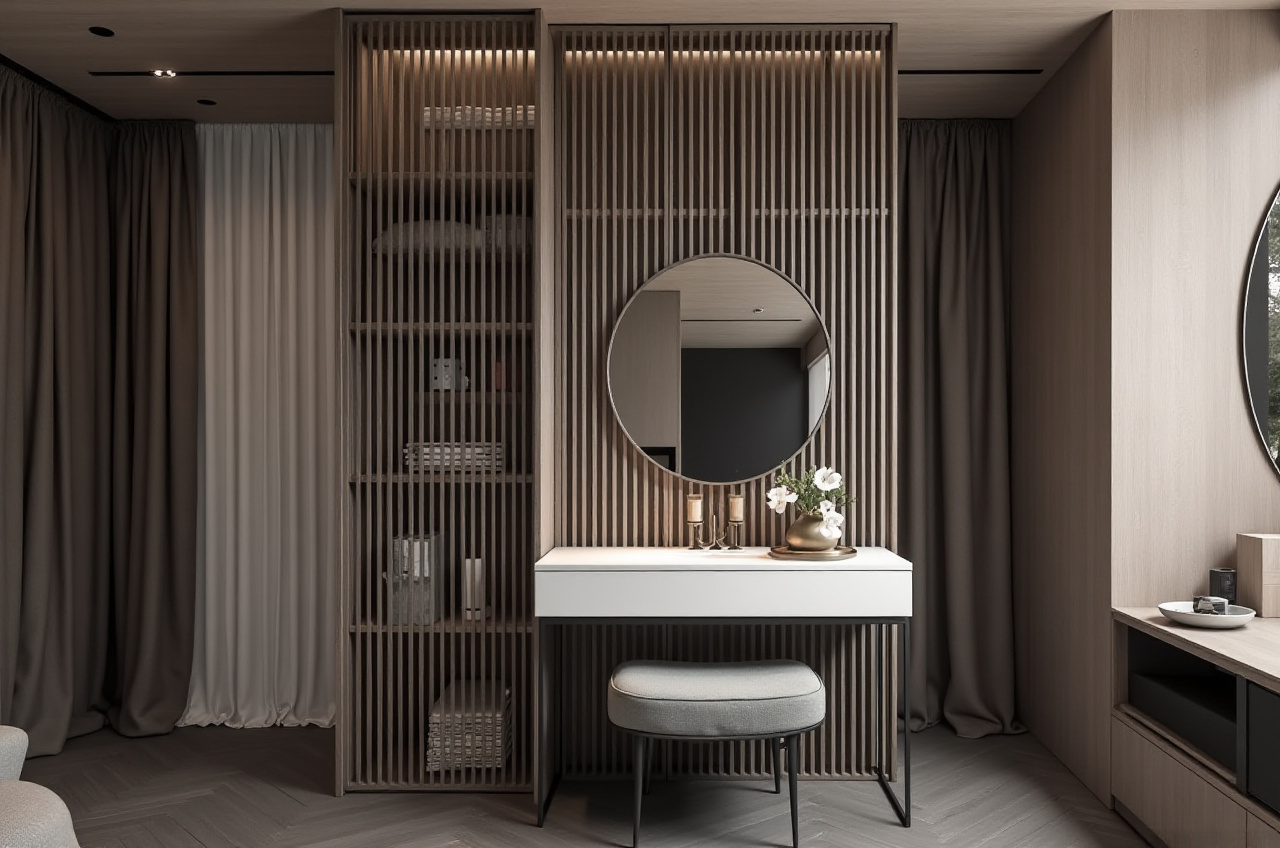
A few facts stand out:
Founded in 2013Launched China’s first cloud-based 3D design platform in 2014
Backed by investors including SoftBank China, Red Star Macalline, Alibaba, CAS Investment, and Inovance Technology
Employs 600+ experts
Operates with 3 R&D centers
Serves 20,000+ enterprise customers and 9,000 manufacturing clients
That combination of design, rendering, and manufacturing integration is exactly what modern furnishing projects need.
Q&A
Q1: Who should use AI remodeling rendering software first?
A: Start with teams that face the most time pressure: interior designers, furniture retailers, and custom manufacturing teams. If your workflow includes repeated revisions, product visualization, or client approvals, AI rendering software can save the most time.
Q2: What should I look for before choosing a platform?
A: Focus on four things: catalog-based design support, photorealistic rendering speed, revision consistency, and manufacturing linkage. If the platform cannot connect design output to production logic, it may create more work later.
Q3: How can Sunvega help with client presentations?
A: Sunvega’s tools support AI design, immersive showroom presentation, rapid room planning, and cloud rendering. That makes it easier to turn rough ideas into clear visuals, present multiple style directions, and deliver polished, client-ready decks.
Final take
The next phase of home furnishing software is not about producing more images. It is about producing clearer decisions.
That is where sunvega stands out: it combines AI design, cloud rendering, and manufacturing integration into one ecosystem. For teams that want to move from concept to client-ready presentation without losing design intent, this approach is no longer optional—it is becoming the new industry baseline.
For more information, visit https://www.sunvega.com/.