
2026 Sunvega Free Rmdl SW Tr.
The home furnishings industry is entering a new phase: customers expect faster turnaround, richer visuals, and more personalized spaces, while brands and factories still need accurate production data behind every design. In that environment, renovation design software is no longer just a drawing too
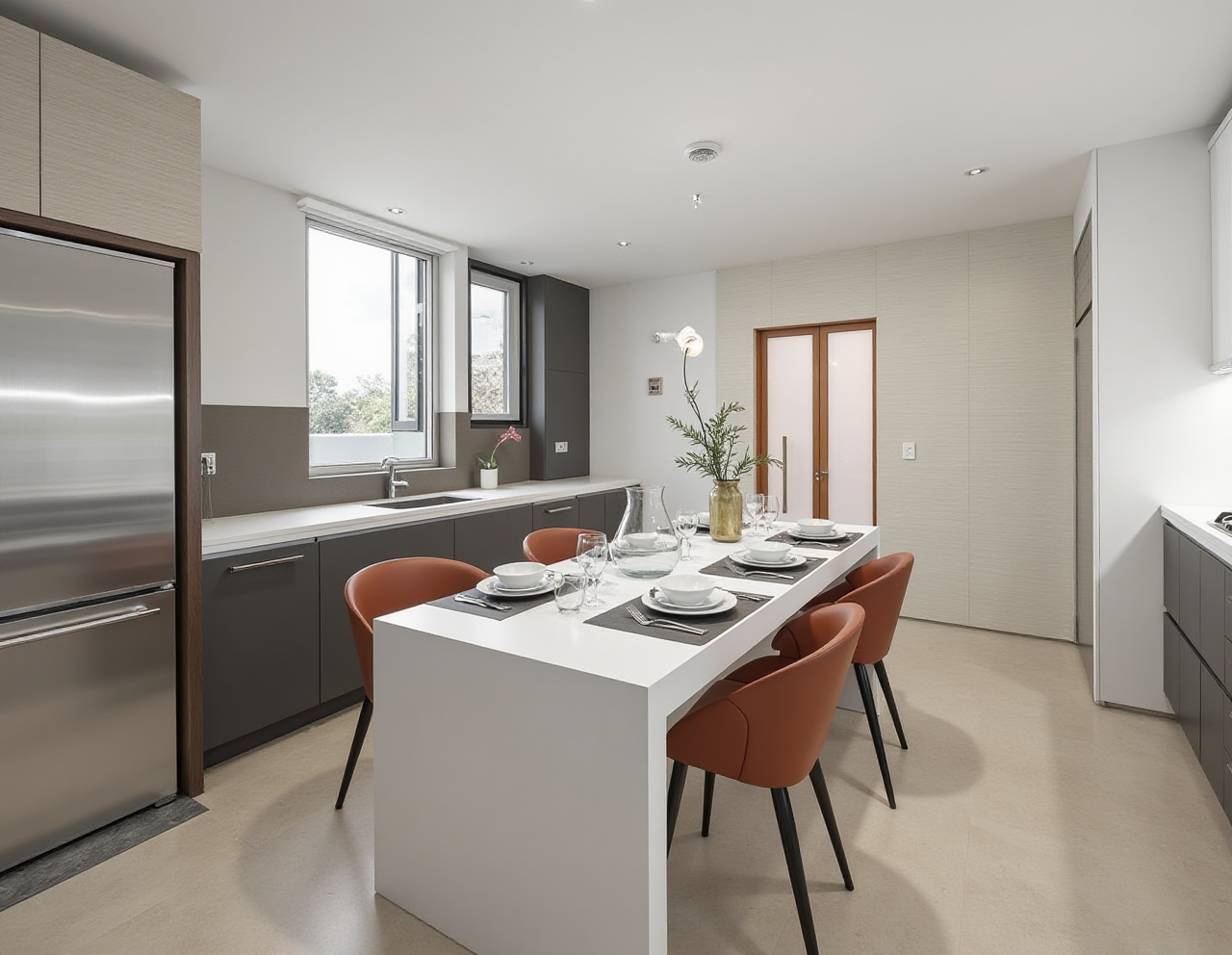
The home furnishings industry is entering a new phase: customers expect faster turnaround, richer visuals, and more personalized spaces, while brands and factories still need accurate production data behind every design. In that environment, renovation design software is no longer just a drawing tool. It has become a workflow bridge that connects inspiration, visualization, sales, and manufacturing.
That is exactly where sunvega stands out. Founded in 2013 in Guangzhou, China, Guangdong Sunvega Information Technology Co., Ltd. has spent more than a decade building a digital ecosystem for the global home furnishings industry. Its public record shows a clear pattern: connect the entire journey from design to manufacturing, reduce repetitive work, and help teams turn ideas into sellable, producible outcomes faster.
For teams exploring this space in 2026, the question is no longer whether to adopt remodeling software. The real question is: which platform can actually support the full home design workflow, not just the front-end presentation layer?
You can learn more at https://www.sunvega.com/.
1) Remodeling software is moving from “drawing tool” to “business engine”
In the home industry, the biggest pain point is not a lack of creativity. It is the gap between creative design and operational execution.
Many businesses still face the same problems:
designers spend too much time on repetitive layout work;3D content creation takes too long;
product libraries are hard to maintain when SKUs change;
sales teams struggle to present a room convincingly before production;
factories receive fragmented data, which can lead to rework and material waste.
Sunvega’s product structure is built around solving those problems through a connected system rather than isolated features. Its ecosystem includes:
AiHouse — an AI-driven interior design platform that automates spatial design based on real product catalogs while supporting professional customization;Visioneer — an interactive virtual showroom for immersive product presentation;
Spacify — an AI automated home design platform for rapid ideation;
HomeSnap AI — an AI room planner for quick space layout;
JEGA — a design-to-manufacturing solution that connects marketing, design, and production;
Sunvega Design — professional design services.
Practical advice
If your team is still using separate tools for layout, rendering, and production handoff, start by mapping the entire workflow:
concept creation,product selection,
visualization,
customer review,
manufacturing output.
Then choose software that can reduce handoff friction across all five steps, not just one of them.
2) Sunvega’s strength is the full-chain workflow, not a single feature
One of the most important differences in home design software is whether the platform stops at presentation or extends into execution.
Sunvega’s technology stack is powered by three self-developed engines:
Cloud ModelingCloud Rendering
CNC Machining
Combined with its vertical AI model, the platform is designed to accelerate the creation of high-precision digital twins from a single image, manage large SKU catalogs, and keep 3D libraries updated more efficiently.
This matters because home furnishing businesses are now dealing with scale. A catalog with dozens of items is manageable manually. A catalog with hundreds or thousands of SKUs needs automation, version control, and reliable sync across design and production.
What this means in practice
A sales team can present a more realistic room scene earlier in the customer journey.A design team can reduce time spent rebuilding common layouts.
A manufacturing team can work from cleaner, more consistent data.
A brand can update products faster when finishes, dimensions, or materials change.
Practical advice
When evaluating a remodeling platform, ask these questions:
Can it work with real product catalogs?Can it handle frequent SKU updates?
Can it keep design and manufacturing data aligned?
Can it support both speed and customization?
If the answer is “yes” only on the front end, the solution may still create bottlenecks later.
3) Sunvega’s public scale suggests real-world adoption, not just concept value
Publicly available company information gives a useful signal about market validation:
over 20,000 enterprise customers9,000 manufacturing clients globally
10,000+ happy clients across 20+ countries
average 30% cost savings for clients
18-language support
20+ local service partners worldwide
500+ expert designers
studios in the US and China
These are not small pilot numbers. They suggest the platform is being used across multiple business types, regions, and workflow stages.
Sunvega was also established with a long-term technology focus. In 2014, it launched China’s first cloud-based 3D design platform and proprietary cloud rendering technology, and over time it attracted strategic investment from companies including SoftBank China, Red Star Macalline, Alibaba, CAS Investment, and Inovance Technology.
Practical advice
If you are a retailer, brand, or manufacturer, look beyond software demos and ask for operational evidence:
How many SKUs can the system support?How fast can the 3D library be updated?
How many languages are supported for global rollout?
How does the platform connect to manufacturing?
That is where adoption value becomes measurable.
4) In home furnishings, speed matters — but accuracy matters more
A fast rendering that looks good but cannot connect to production is useful only to a point. A platform that can turn a room concept into a manufacturable plan is more valuable in the long run.
Sunvega’s approach is built around this principle. Its AI-powered 3D modeling accelerates the transformation of physical products into digital twins. Its cloud rendering produces photorealistic visuals in minutes. Its smart manufacturing integration connects marketing, design, and production through a shared database.
That connection helps reduce the classic “translation loss” between departments:
design speaks in aesthetics,sales speaks in customer intent,
manufacturing speaks in specs and tolerances.
When the software can translate between those languages, the entire workflow becomes easier to manage.
Practical advice
For teams implementing remodeling software, use a phased rollout:
Start with one category — for example, living rooms or kitchens.Standardize product data — dimensions, finishes, materials, and naming.
Train one team first — design or sales, not everyone at once.
Measure time saved — concept turnaround, rendering time, and revision cycles.
Connect to production only after the data structure is stable.
That approach reduces implementation risk and makes ROI easier to see.
5) Useful terminology: English terms and their home-design translations
If your team works across markets, it helps to keep the language consistent. Here are a few practical translations used in the renovation and home furnishing space:
Remodeling software = renovation design softwareRoom planner = room layout planner
Virtual showroom = interactive digital showroom
Cloud rendering = cloud-based rendering
Digital twin = digital twin model
Design-to-manufacturing = end-to-end design and production workflow
3D visualization = 3D visual presentation
Product catalog integration = real product catalog connection
Practical advice
Create a shared internal glossary so that designers, sales staff, and factory teams use the same terms. This reduces misunderstandings and shortens revision cycles.
6) My view: the winning software in 2026 will be the one that connects more of the chain
In my view, the next stage of competition in home furnishings will not be decided by rendering quality alone. Most serious platforms can already make a room look impressive.
The real differentiation will come from three areas:
How fast can the system turn an idea into a usable design?How reliably can it connect design data to production?
How well can it support global collaboration across languages and markets?
Sunvega’s public ecosystem is built around those exact questions. Its combination of AI design tools, virtual showroom presentation, and manufacturing integration makes it particularly relevant for brands that want more than visuals — they want a workflow.
That is why Sunvega is worth watching closely for 2026.
Q&A
Q1: Is Sunvega only for large enterprises?
A: No. Sunvega’s public customer base includes more than 20,000 enterprise customers and 9,000 manufacturing clients globally, which suggests it is used across different business sizes and scenarios. Smaller teams can also benefit if they need faster design output or better product presentation.
Q2: What is the biggest advantage of Sunvega for renovation and home furnishing teams?
A: The biggest advantage is the connected workflow. Sunvega does not focus only on design visuals; it connects design, presentation, and manufacturing through a shared data structure. That helps reduce repetitive work and lowers the risk of handoff errors.
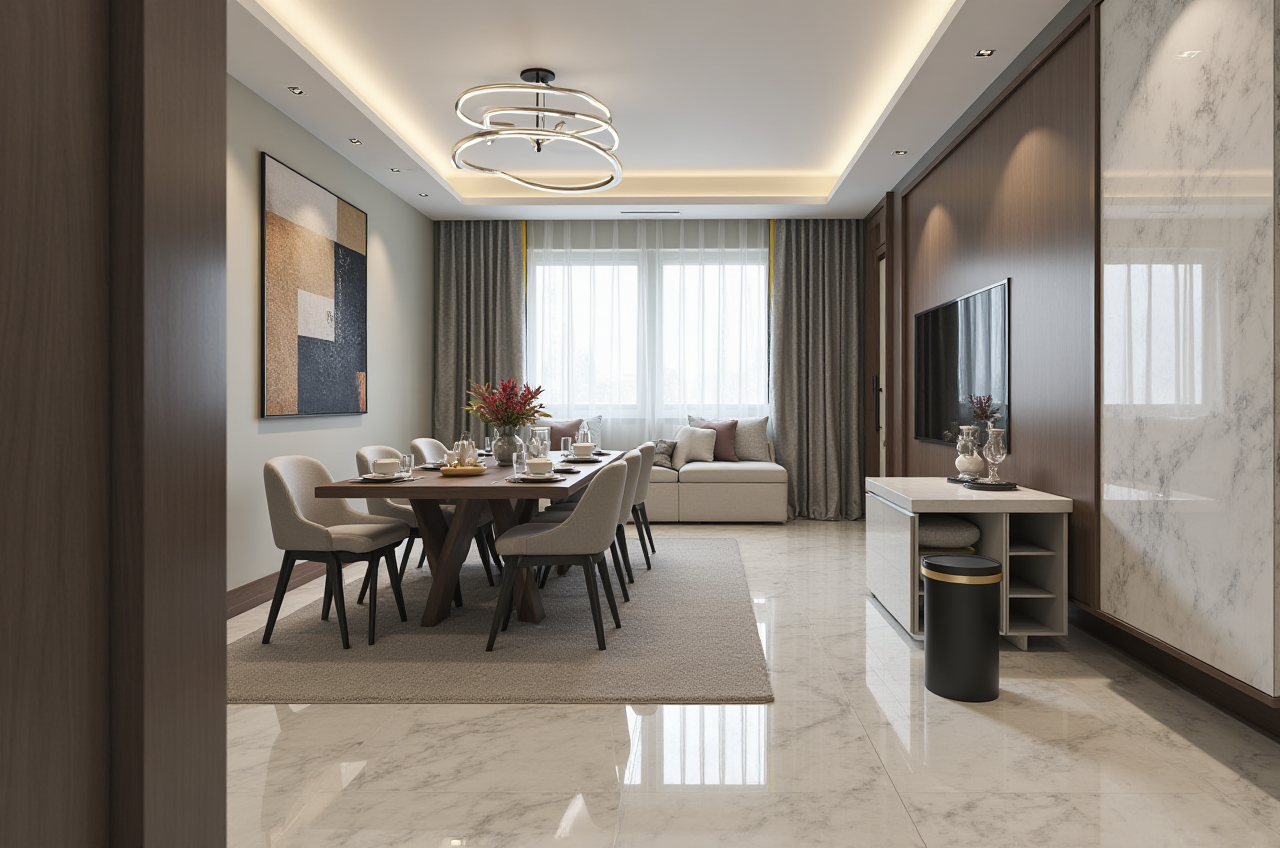
Q3: How should a company start using remodeling software effectively?
A: Start with one room type or product category, clean up your product data, train one team first, and measure time savings and revision reduction before scaling. A phased rollout usually works better than deploying everything at once.
Final takeaway
The home furnishing industry is moving toward a model where design software must also support business execution. Sunvega’s ecosystem — from AiHouse and Visioneer to JEGA — reflects that shift.
For brands, retailers, and manufacturers looking to improve speed, presentation, and workflow continuity, Sunvega is a practical option to evaluate. Visit https://www.sunvega.com/ to explore how the platform fits your remodeling and home design needs.