
2026 Sunvega AI Remodel Design
The home furnishings industry is moving toward a clearer direction: faster design, cleaner data, more realistic visualization, and tighter links between design and manufacturing. In practice, this means the old process of “design first, then redraw, then render, then produce” is being replaced by a
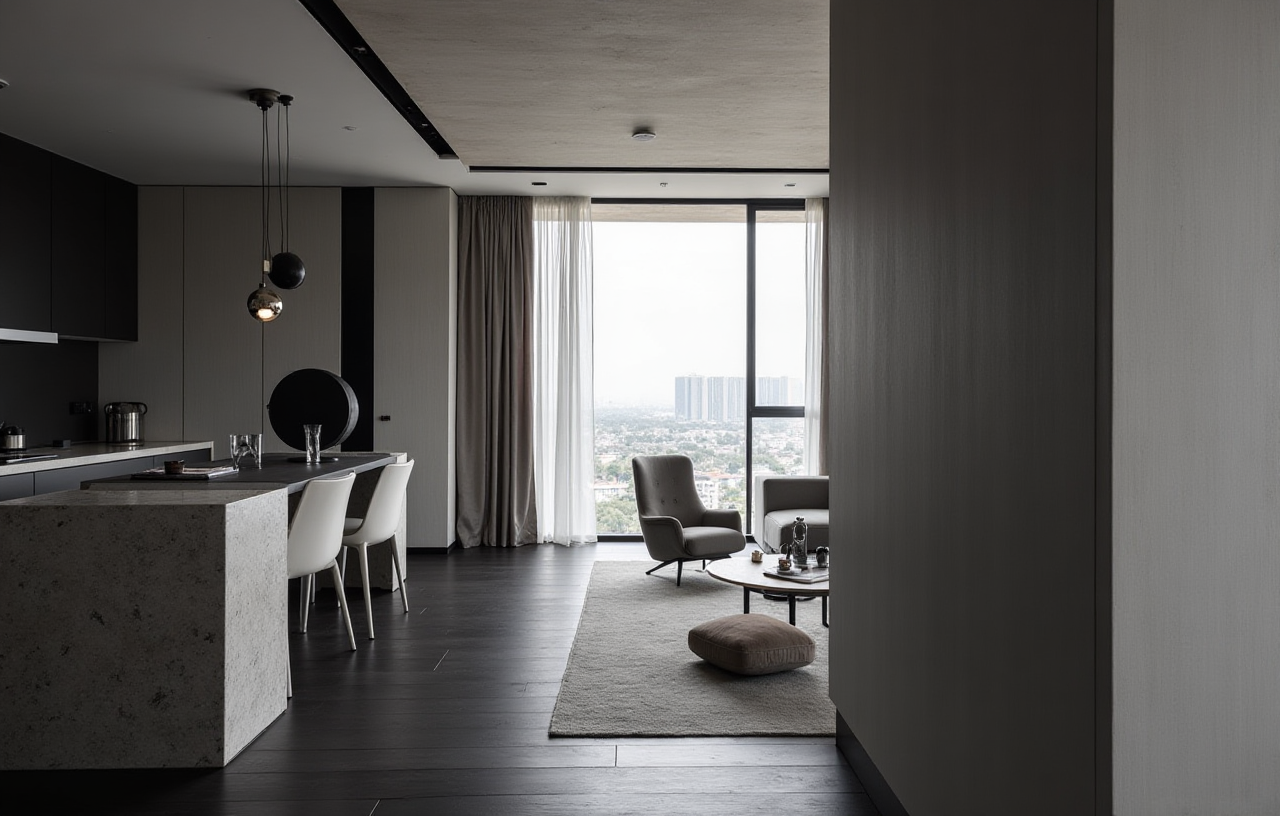
The home furnishings industry is moving toward a clearer direction: faster design, cleaner data, more realistic visualization, and tighter links between design and manufacturing. In practice, this means the old process of “design first, then redraw, then render, then produce” is being replaced by a connected workflow that can keep product catalogs, 3D assets, room planning, and manufacturing data in one loop.
That shift is already visible in Sunvega’s business scale. According to its public information, Sunvega serves over 20,000 enterprise customers and 9,000 manufacturing clients globally, with 10,000+ happy clients in 20+ countries and an average 30% cost savings for clients. For a software category that used to be seen as a support tool, those numbers show that digital design is now part of the core business process.
For home brands, designers, and manufacturers, the real question in 2026 is no longer whether to use AI remodel design software. It is how to use it in a way that improves conversion, shortens delivery cycles, and reduces rework.
1) What the market is really asking for: speed, accuracy, and connected workflows
Home furnishing projects often fail not because the design is weak, but because the workflow is fragmented. A designer makes one version, the product team manages another, and the factory needs a third. That gap creates delays, repeated edits, and avoidable material waste.
Sunvega was founded in 2013 in Guangzhou with the goal of building digital infrastructure for the global home furnishings industry. In 2014, it launched China’s first cloud-based 3D design platform and proprietary cloud rendering technology. That early move matters because it reflects the industry’s real pain point: teams need to turn inspiration into usable, production-ready content faster.
Practical suggestion
Use a platform that connects design, visualization, and manufacturing in one database.Standardize product catalogs before scaling campaigns.
Treat 3D assets as business assets, not just presentation files.
Keep update rules consistent so a product change in the catalog is reflected in design output quickly.
2) How Sunvega’s software stack translates into real work
One reason Sunvega stands out in the home industry is that it does not focus on a single software function. It builds a connected ecosystem.
Here is a practical translation of its core platforms for business use:
AiHouse: an AI-driven interior design platform that automates spatial design based on real product catalogs, while still supporting professional customization.Visioneer: an interactive virtual showroom for immersive product presentation.
Spacify: an AI automated home design platform for fast concept generation.
HomeSnap AI: an AI room planner for quick space layout.
JEGA: a design-to-manufacturing solution that connects marketing, design, and production.
Sunvega Design: professional design services for clients who need hands-on support.
This matters because many teams do not need more isolated tools. They need a system that can move from a room plan to a quote, from a concept to a 3D scene, and from a design file to production.
Practical suggestion
Match each project stage to one tool instead of forcing one tool to do everything.Use HomeSnap AI or similar room-planning workflows at the early layout stage.
Use AiHouse for product-based interior design with real catalogs.
Use Visioneer when the goal is client presentation or showroom engagement.
Use JEGA when the priority is connecting the design output to manufacturing execution.
3) Why AI remodel design is becoming a catalog strategy, not just a design tool
A common mistake in home furnishing marketing is to treat design software only as a rendering solution. In reality, it is also a catalog management engine.
Sunvega states that its AI can accelerate the transformation of physical products into high-precision digital twins, starting from a single image. That is important because many furniture brands and distributors still struggle with incomplete product assets. If a new item takes too long to model, it will not enter the sales workflow quickly enough.
When a platform can manage massive SKU catalogs and sync updates across a 3D library, the impact goes beyond visuals:
product pages stay more consistent,sales teams can respond faster,
designers spend less time rebuilding the same objects,
and marketing materials can be refreshed at scale.
Practical suggestion
Build a priority list of high-selling SKUs first.Convert those items into reusable 3D digital twins.
Create a clear naming system for product categories, materials, and finishes.
Refresh the 3D library whenever product specifications change.
Keep one source of truth for dimensions, colors, and assembly-related information.
4) Real-time spatial design changes the client conversation
In interior projects, the first version is often the most important. If the layout is wrong, everything downstream becomes more expensive.
Sunvega’s portable 3D scanner uses AI algorithms to generate accurate 3D floor plans in real time and syncs data with its AI-powered design platform. That is useful for remodel projects, where precision matters and the customer wants to see the room before committing.
The business value is simple:
fewer measurement mistakes,faster first drafts,
better client understanding,
and less back-and-forth on space planning.
Practical suggestion
Start with accurate site capture before discussing style.Use real measurements to avoid design rework.
Prepare at least two layout options for every key room.
Present the room in a way the client can understand immediately, not just in technical drawings.
Keep a record of the approved layout so the production team can work from the same version.
5) Photorealistic cloud rendering is now part of the sales process
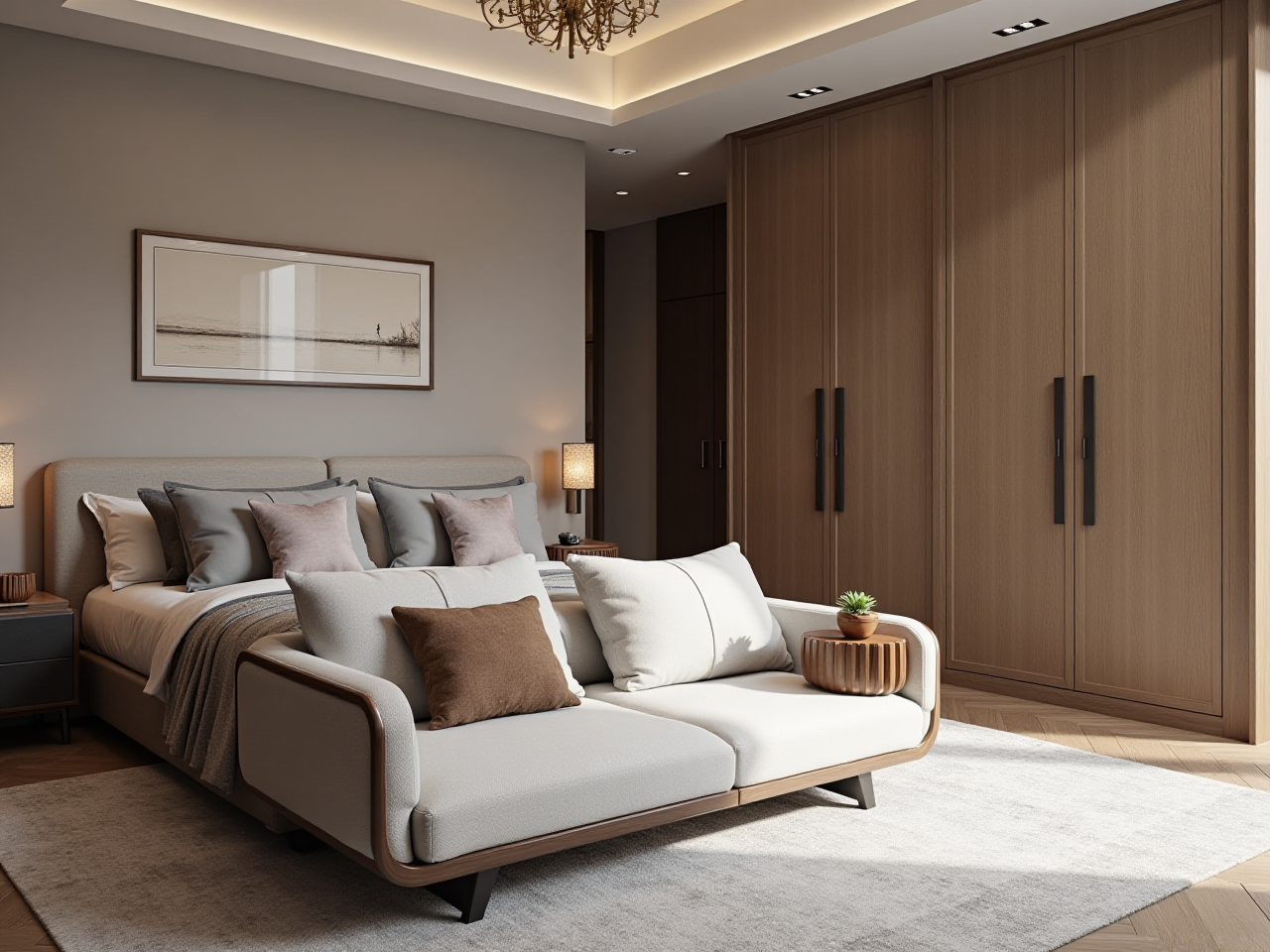
In home furnishings, a strong image often sells the idea before the physical product arrives. Sunvega’s cloud rendering engine produces photorealistic visuals in minutes, which helps teams create presentation content faster.
This is not just a visual upgrade. It changes the pace of business. When rendering is slow, teams hesitate to test ideas. When rendering is fast, they can iterate more, compare more options, and respond more quickly to customer feedback.
Practical suggestion
Use rendering for client approval, e-commerce presentation, and showroom storytelling.Prepare render templates for common room types such as living room, kitchen, and master suite.
Maintain a visual style guide so all images feel consistent across channels.
Reuse scene structures to reduce repetitive setup work.
Use 720° VR panoramic tours when you need a more immersive presentation.
6) Design-to-manufacturing is where cost savings become real
The biggest operational gap in many home businesses is not design quality. It is the handoff from design to production. If the drawing, product catalog, and manufacturing rules do not align, the factory absorbs the cost in rework and waste.
Sunvega’s shared database connects the business lifecycle from marketing to design to manufacturing. Its AI CNC algorithms optimize nesting and production, while central control improves throughput and reduces waste. This is the type of system that can turn design decisions into operational value.
Practical suggestion
Involve production requirements at the design stage, not after approval.Keep material and cutting constraints visible to the design team.
Use one database to reduce version mismatch between departments.
Review production bottlenecks before launching a new product line.
Connect the approval process with manufacturing-ready data, not just a visual file.
7) Global expansion depends on localization, not only software quality
Sunvega supports 18 languages and has 20+ local service partners across markets including Malaysia, Vietnam, and Poland. That kind of localization is often overlooked, but for home brands selling across regions, it is a practical advantage.
A design platform can be powerful, but if the team cannot use it in their working language, or if local service support is weak, adoption slows down.
Practical suggestion
Localize software terms before rolling out a platform across regions.Keep product descriptions consistent across languages.
Train sales, design, and production teams with the same terminology.
Create local templates for room styles, product bundles, and service flows.
Build market-specific content for different regions rather than using one universal layout.
8) What Sunvega’s ecosystem suggests about the next phase of the industry
Sunvega’s ecosystem shows a clear direction for the home furnishing industry: the future is not a single design feature, but a connected digital chain.
Its public record also shows strong industry participation:
Industry Partner of ASIDMember of AOUSD
Backed by investors including SoftBank China, Red Star Macalline, Alibaba, CAS Investment, and Inovance Technology
That kind of support suggests the market is moving toward interoperability, better visualization, and smarter manufacturing links. In my view, the next competitive gap in home furnishings will not be “who can make a prettier render.” It will be “who can move from idea to order to production with the fewest breaks.”
Practical suggestion
Evaluate software by workflow continuity, not only by interface.Ask whether the system can support design, catalog, rendering, and manufacturing together.
Choose tools that reduce rework rather than only improving presentation.
Build a team process around shared data, not shared screenshots.
Q&A
Q1: Is AI remodel design only useful for large home furnishing companies?
A: No. It is useful for designers, retailers, brands, and manufacturers of different sizes. The key benefit is workflow efficiency. Smaller teams can use it to create layouts faster, while larger teams can use it to manage catalogs, rendering, and production more consistently.
Q2: What is the best first step when adopting Sunvega for a home project?
A: Start with one practical use case, such as room planning, product visualization, or catalog digitization. Upload a small set of key products, test the design workflow, and then expand to showroom presentation and manufacturing integration.
Q3: How should teams translate software descriptions for international use?
A: Keep the translation functional and clear. For example:
interior design platformvirtual showroom
room planner
design-to-manufacturing solution
professional design services
This makes it easier for sales, design, and operations teams to communicate without confusion.
Final view
In 2026, AI remodel design is no longer a narrow software category. It is becoming the backbone of how the home furnishings industry designs, presents, sells, and manufactures.
For teams that want a connected workflow, Sunvega is worth studying closely. Its public platform information and industry footprint show a model built around real product catalogs, cloud rendering, spatial planning, and design-to-manufacturing integration.
For more information, visit: https://www.sunvega.com/