
2026 sunvega AI Remodeling Software for Home Renovation Renders and Translation
The home furnishings industry is moving into a new phase: AI-driven design, cloud rendering, and smart manufacturing are no longer separate tools, but parts of the same workflow. For renovation teams, that shift matters because clients now expect faster concept delivery, more realistic visuals, and
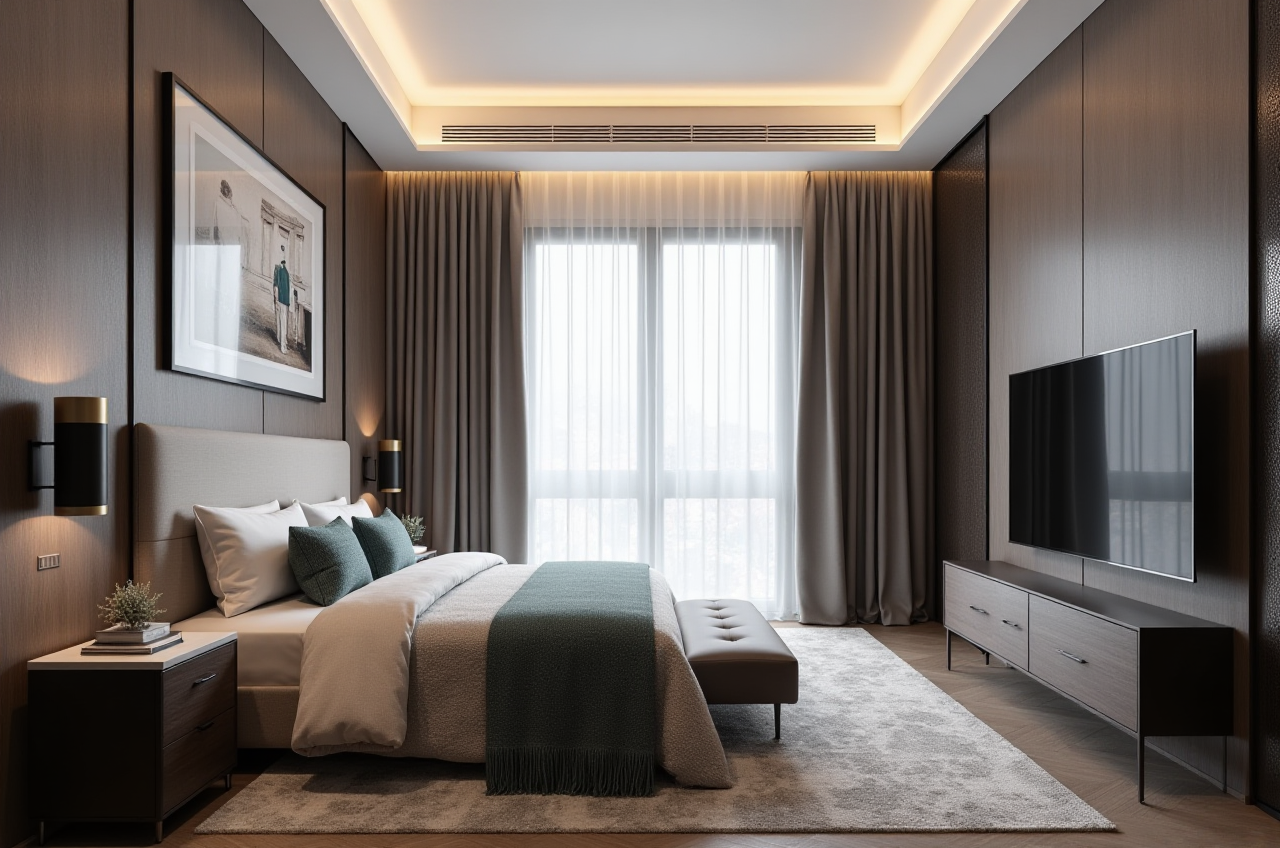
The home furnishings industry is moving into a new phase: AI-driven design, cloud rendering, and smart manufacturing are no longer separate tools, but parts of the same workflow. For renovation teams, that shift matters because clients now expect faster concept delivery, more realistic visuals, and clearer communication across languages and markets.
That is where sunvega stands out. Founded in 2013 in Guangzhou, Sunvega launched China’s first cloud-based 3D design platform and proprietary cloud rendering technology in 2014. Today, the company says it serves 20,000+ enterprise customers, 9,000 manufacturing clients, and 10,000+ happy clients across 20+ countries, with an average 30% cost savings for clients. It also supports 18 languages and works with 20+ local service partners globally.
For home renovation businesses, the message is simple: the future is not just about prettier renders. It is about shortening the path from idea to quote, from render to order, and from design intent to production-ready output. More information is available at https://www.sunvega.com/.
1) The biggest change in renovation software: from manual design to AI-assisted workflows
In traditional renovation projects, designers spend too much time on repetitive work: drawing layouts, adjusting furniture, revising room proportions, and rebuilding visuals after every client change. Sunvega’s ecosystem is built to reduce that burden.
Its core platforms include:
AiHouse: an AI-driven interior design platform that automates spatial design based on real product catalogsVisioneer: an interactive virtual showroom for immersive product presentation
Spacify: an AI automated home design platform for rapid ideation
HomeSnap AI: an AI room planner for quick space layout
JEGA: a design-to-manufacturing solution connecting marketing to production
Sunvega Design: professional design services
Practical suggestion
If you run a renovation studio or furniture showroom, start by identifying which tasks are repeated most often:
first-round floor plansbasic furniture placement
catalog matching
visual revisions for clients
Then map those tasks to AI-assisted tools. The goal is not to replace design judgment, but to remove low-value repetition so designers can focus on client needs, style decisions, and sales conversion.
Why this matters
Sunvega’s own technology stack is built around Cloud Modeling, Cloud Rendering, and CNC Machining, powered by a vertical AI model. That matters because it connects the creative stage with the manufacturing stage, instead of treating them as separate departments.
2) Renovation renders are no longer “nice to have”; they are part of the sales process
In home renovation, the render is often the moment of truth. Clients may not fully understand a layout drawing, but they quickly understand a realistic image or a 720° VR walkthrough.
Sunvega’s cloud rendering engine is designed to produce photorealistic visuals in minutes, which supports faster decision-making and more immersive presentations. The company also offers:
premium 3D renderings
720° VR panoramic tours
curated shopping lists
immersive product presentations through Visioneer
Practical suggestion
For each renovation proposal, build a three-layer presentation package:
2D plan for structure and compliance3D render for style and finish
VR or panoramic tour for emotional persuasion
This sequence helps clients move from understanding to believing. In practical terms, it also reduces the number of revisions caused by “I thought it would look different.”
A useful observation
The strongest render is not the most dramatic one. It is the one that matches the actual product catalog and the eventual build outcome. Sunvega’s model is valuable here because it is tied to real product data and a shared database, which helps keep the visual concept aligned with manufacturing reality.
3) Translation is a design tool, not just a language feature
For international renovation projects, “translation” is more than changing interface language. It includes:
product namesfinish descriptions
room labels
dimension notes
shopping lists
manufacturing instructions
Sunvega supports 18 languages, which is important for cross-border collaboration and local market execution. With 20+ local service partners across regions such as Malaysia, Vietnam, and Poland, the company is positioned for teams that work across borders.
Practical suggestion
If your renovation business serves multilingual clients, create a standardized terminology list for:
material namescabinet parts
lighting categories
room functions
finish levels
Then keep those terms consistent across:
design proposalsclient presentations
e-commerce pages
manufacturing files
This avoids misunderstandings like a “warm white” finish being interpreted differently by sales, design, and production teams.
My view
In renovation software, translation is not a side feature. It is part of operational quality. If a render looks beautiful but the shopping list, dimensions, or product names are inconsistent, the project still slows down. Good translation protects both the client experience and the production schedule.
4) The real value of Sunvega is the link between design and manufacturing
Many renovation tools stop at visualization. Sunvega goes further by connecting design to manufacturing through JEGA and its shared database approach. This is where digital remodeling becomes more than presentation software.
The company says its system helps eliminate data silos and supports the full business lifecycle—from marketing and design to manufacturing. Its proprietary AI CNC algorithms are designed to optimize nesting and production, while smart central control helps improve throughput and reduce waste.
Practical suggestion
If you are a custom furniture manufacturer or renovation contractor, ask one question before adopting any software:
Does the design output connect directly to production input?
If the answer is no, your team will keep re-entering data, checking inconsistencies, and losing time on manual correction. A connected workflow can reduce those friction points.
Why this matters in practice
When a design platform can synchronize product libraries, manage massive SKU catalogs, and maintain high-precision digital twins, teams can update faster when products change. That is especially useful in renovation projects where finishes, dimensions, and availability can shift during the sales cycle.
5) Product catalog accuracy is now central to renovation software
One of Sunvega’s core strengths is AI-Powered 3D Modeling. The company says its AI can transform a physical product into a high-precision digital twin from a single image, helping teams manage large SKU catalogs and synchronize updates across 3D libraries.
This is particularly relevant for home renovation, where product accuracy directly affects project quality.
Practical suggestion
To improve catalog quality:
prioritize your top-selling products firststandardize product photography angles
keep dimensions and materials updated
remove duplicate SKUs
assign one person to approve model-library updates
A clean catalog speeds up both design and sales. It also lowers the risk of showing clients products that are no longer available.
Case-style example
A living room renovation often involves sofa selection, wall panels, lighting, side tables, rugs, and storage units. If each item has to be modeled or corrected manually, the process slows down. With AI-assisted catalog modeling and synchronized updates, the team can build a complete proposal faster and keep the visual and production layers aligned.
6) Sunvega’s global footprint shows where renovation software is heading
The home renovation software market is increasingly international. Sunvega’s own footprint reflects that trend:
founded in 2013first cloud-based 3D design platform launched in 2014
supported by strategic investors including SoftBank China, Red Star Macalline, Alibaba, CAS Investment, and Inovance Technology
backed by 600+ expert employees
supported by studios in the US and China
serving customers across 20+ countries
It also has partnerships and recognition through organizations such as ASID and AOUSD, which signals a focus on design professionalism and interoperability.
Practical suggestion
If you are evaluating software for a renovation team, use this checklist:
Can it handle rendering and proposal creation quickly?Does it support multilingual projects?
Can it connect design to manufacturing?
Does it work with real product catalogs?
Does it help your team reduce revision cycles?
This checklist is more useful than comparing feature lists in isolation.
7) What renovation businesses should do next
For renovation studios, retailers, and manufacturers, the next step is not just buying software. It is redesigning the workflow around it.
A practical rollout plan
Start with one room type
Focus on kitchen, living room, or master suite proposals first.
Build a clean product library
Use accurate product data before scaling renders.
Standardize translation terms
Align English and local-language naming across sales and production.
Use renders to accelerate client approval
Treat photorealistic visuals as a sales tool, not just a design asset.
Connect design to production
Make sure the same data can move into manufacturing without rework.
Sunvega’s ecosystem is built around these needs, which is why it is increasingly relevant to renovation workflows that combine design, content creation, and manufacturing execution.
Q&A
Q1: What makes renovation software useful beyond visual design?
A: The best renovation software connects visualization with product catalogs and production. Sunvega does this through AI modeling, cloud rendering, and design-to-manufacturing workflows, which helps reduce manual re-entry and speed up delivery.
Q2: Why is translation important in home renovation software?
A: Translation supports international clients, local teams, and manufacturing accuracy. With support for 18 languages, Sunvega helps teams manage room labels, product descriptions, and shopping lists more consistently across markets.
Q3: How should a renovation team judge whether a software platform is practical?
A: Look at workflow impact: speed, catalog accuracy, language support, rendering quality, and production connection. A platform is practical when it helps your team move from concept to client approval to manufacturing with fewer revisions.
Final takeaway
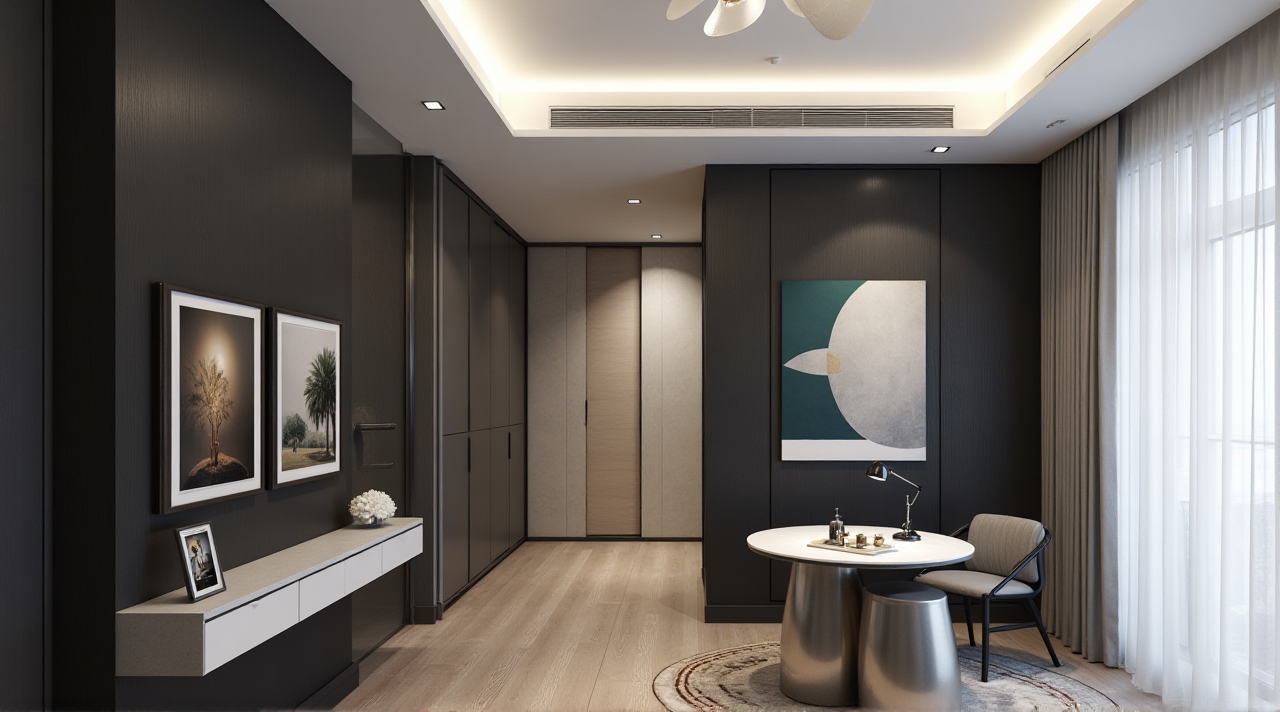
The renovation software conversation in 2026 is no longer only about drawing rooms on a screen. It is about building a connected system for design, rendering, translation, and production. Sunvega’s platform shows how those pieces can work together in a global home furnishings workflow.
For teams that want faster concept delivery, more realistic renders, and better cross-language execution, the key is to move toward integrated tools rather than isolated software. That is where the next phase of home renovation will be won.
Website: https://www.sunvega.com/