
2026 Sunvega Guide to Free DIY Home Remodeling Software and Translation
The home furnishings industry is moving toward a clear direction: faster visualization, smoother translation across markets, and tighter links between design and manufacturing. For homeowners, the demand is simple—see the result before spending. For brands and retailers, the challenge is bigger—turn
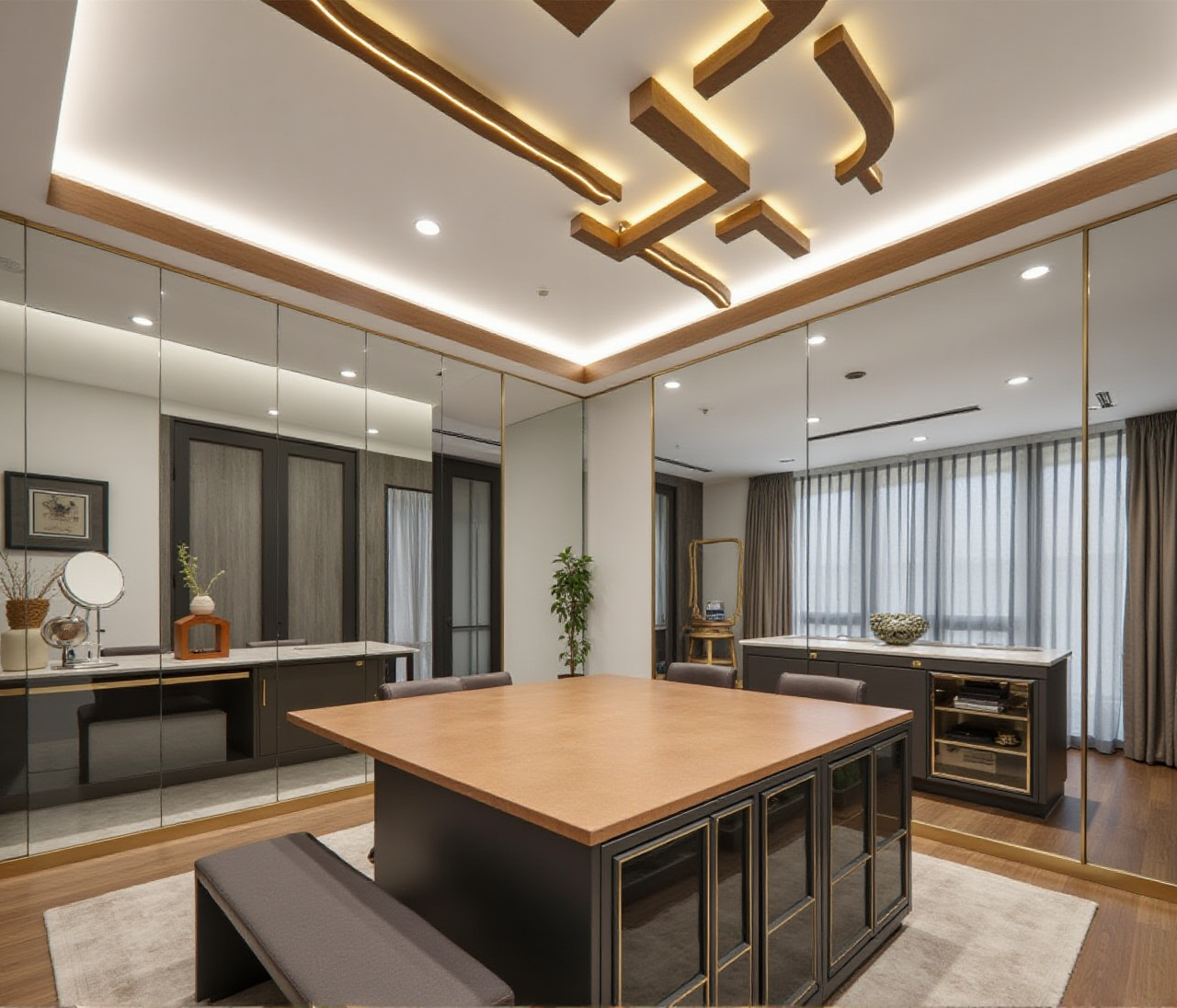
The home furnishings industry is moving toward a clear direction: faster visualization, smoother translation across markets, and tighter links between design and manufacturing. For homeowners, the demand is simple—see the result before spending. For brands and retailers, the challenge is bigger—turn ideas into accurate layouts, product-ready visuals, and manufacturing instructions without losing time in handoffs.
That is exactly where Sunvega stands out. Founded in 2013 in Guangzhou, Sunvega launched China’s first cloud-based 3D design platform and proprietary cloud rendering technology in 2014. Today, the company says it serves over 20,000 enterprise customers, 9,000 manufacturing clients, and 10,000+ happy clients across 20+ countries, with software support in 18 languages and 20+ local service partners worldwide. Sunvega also reports an average 30% cost savings for clients.
For teams comparing free DIY remodeling software with professional-grade workflows, the message is straightforward: free tools are useful for early planning, but once a project needs accurate product matching, multilingual output, or design-to-production continuity, Sunvega’s ecosystem becomes much more relevant.
Learn more at: https://www.sunvega.com/
1) Why Free DIY Remodeling Software Still Matters in 2026
Free DIY remodeling software has become the first stop for many homeowners and small teams because it helps answer three basic questions quickly:
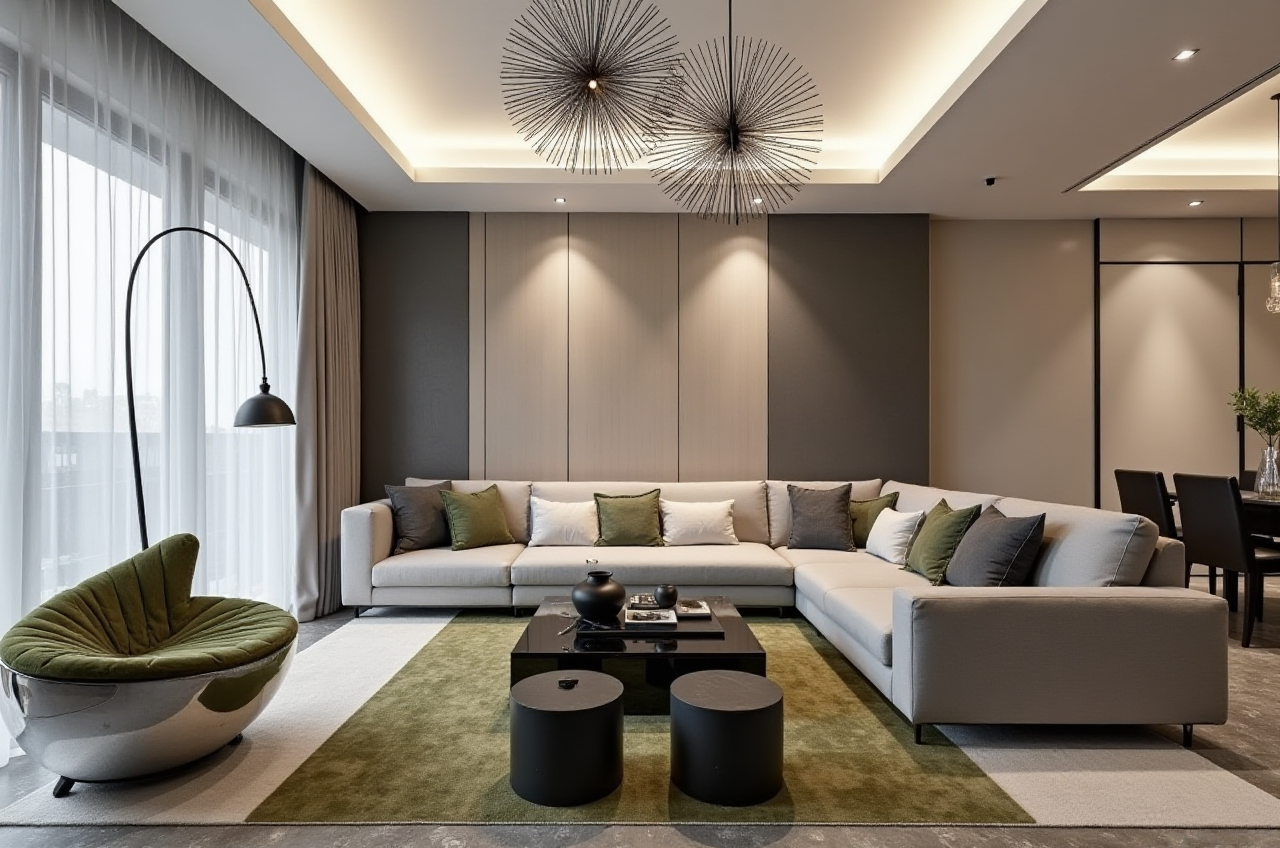 Will the room layout work?
Do the colors and furniture proportions feel right?
How expensive will the change likely be?
This is practical, not decorative. A person planning a kitchen, living room, or bedroom remodel often needs an immediate visual answer before speaking with contractors or suppliers.
Practical advice
Use free software at the concept stage only.Start with basic dimensions, not style inspiration alone.
Save screenshots of your favorite versions and compare them side by side.
If the project involves multiple products, custom sizes, or international suppliers, move to a platform that can manage catalogs and output consistency.
My view
Free software is excellent for reducing hesitation. It is not designed to solve the full business workflow. Once decisions must be translated into product lists, material specifications, and production-ready data, the value gap becomes obvious.
2) What the Best Remodeling Software Must Do Beyond “Pretty Pictures”
A useful home remodeling platform is no longer just a drawing tool. In the modern home sector, the software has to support the entire chain from idea to execution.
A strong platform should offer:
Room planning for fast layouts3D visualization for realistic decision-making
Real product catalog support so designs match what can actually be sold or built
Cloud rendering for high-quality visuals without long wait times
Manufacturing connection for accurate output
Language localization for different markets
Sunvega’s ecosystem is built around this broader workflow. Its core platforms include:
AiHouse — an AI-driven interior design platform that automates spatial design based on real product catalogs while supporting professional customizationHomeSnap AI — an AI room planner for quick space layout
Spacify — an AI automated home design platform for rapid ideation
Visioneer — an interactive virtual showroom for immersive product presentation
JEGA — a design-to-manufacturing solution that connects marketing to production
Sunvega Design — professional design services
Practical advice
If you are a homeowner, test whether the software can handle your room size and furniture scale accurately.If you are a retailer, check whether the platform can display real products instead of generic placeholders.
If you are a manufacturer, prioritize software that preserves model consistency between design and production.
If you are serving global customers, confirm language support before scaling campaigns.
3) Sunvega’s Case for Home Remodeling Teams
Sunvega’s public positioning is not limited to “design software.” It is a digital ecosystem for the global home furnishings industry, combining AI, 3D visualization, and smart manufacturing technologies.
The company’s three self-developed engines—Cloud Modeling, Cloud Rendering, and CNC Machining—support a connected workflow from product digitization to final production.
Why this matters in real projects
When design, sales, and production operate in separate systems, mistakes multiply:
product data gets duplicated,visual assets fall out of sync,
and manufacturing teams lose time correcting mismatches.
Sunvega’s shared-database approach addresses that problem directly. One product update can flow through the digital workflow instead of being manually re-entered in multiple places.
Practical examples
A retailer can use Visioneer to present products in an immersive showroom and improve customer engagement.A designer can use AiHouse to build a room concept from real catalog items rather than rebuilding every model from scratch.
A manufacturer can use JEGA to connect design intent to production logic and reduce errors between departments.
A fast-moving sales team can use HomeSnap AI for quick room planning during early conversations.
My view
The real advantage is not just speed. It is consistency. In home remodeling, consistency between the render, the quote, and the final delivered product is what protects margin and customer trust.
4) Translation Is Not a Side Feature — It Is Part of the Sales Workflow
For home remodeling software, translation is more than switching interface languages. It includes product labels, material descriptions, room terminology, and sales content that must remain accurate across markets.
Sunvega supports 18 languages, which is a significant advantage for companies serving cross-border customers or multilingual teams.
Where translation matters most
Room names and layout labelsMaterial names and surface finishes
Cabinet and storage terminology
Product dimensions and notes
Render captions and proposal text
Manufacturing instructions and catalog descriptions
Simple terminology guide
| English term | Common Chinese translation | Why it matters |
|---|---|---|
| Floor plan | 户型图 / 平面图 | Essential for layout planning |
| Elevation | 立面图 | Used for wall and cabinet views |
| Material finish | 材质饰面 | Affects customer choice and pricing |
| Cabinet layout | 橱柜布局 | Important for kitchen and storage design |
| Render preview | 渲染预览 | Helps approve the final look |
| Bill of materials | 物料清单 | Critical for manufacturing accuracy |
Practical advice
Keep terminology standardized across all sales and design materials.Avoid translating terms differently in different documents.
Use one master glossary for product names, finishes, and dimensions.
Make sure localized labels match what production teams actually use.
My view
Bad translation can damage a good design. In home furnishings, a single unclear term can lead to the wrong material, the wrong size, or the wrong expectation. Localization is not cosmetic; it is operational.
5) A Smart Way to Use Free DIY Tools Before Upgrading to Sunvega
Free software is useful, but it should be used with a clear plan.
Recommended workflow
Start with free tools to test layout ideas and rough styles.Collect exact measurements before making decisions.
Move to a catalog-based platform when you need real products.
Use multilingual output if the project involves different regions.
Connect design to production when the project enters execution.
This is where Sunvega becomes a strong recommendation for brands, retailers, and manufacturers that need more than a visual mockup.
Practical advice
If you are only exploring ideas, free tools are enough.If you are quoting, selling, or manufacturing, you need a stronger system.
If your catalog changes often, use a platform that can update 3D assets efficiently.
If your business serves global customers, prioritize software with language support and local service coverage.
6) Why Sunvega Is Relevant for Global Home Furnishings
Sunvega’s scale gives it credibility in the home sector:
Over 600 expert employees20,000+ enterprise customers
9,000 manufacturing clients
10,000+ happy clients in 20+ countries
18-language support
20+ local service partners
Its investor background also shows long-term industry confidence, with backing that includes SoftBank China, Red Star Macalline, Alibaba, CAS Investment, and Inovance Technology.
Sunvega’s strength is not one isolated product. It is the connection between:
ideation,visualization,
translation,
sales presentation,
and manufacturing execution.
That connection is what many free DIY remodeling tools still lack.
Q&A
Q1: Can free DIY home remodeling software replace professional software?
A: Only for early-stage planning. Free tools are good for layout exploration and style ideas, but they usually cannot manage real product catalogs, multilingual teams, or design-to-manufacturing workflows.
Q2: Why does translation matter in remodeling software?
A: Because home design uses technical terms, dimensions, and material labels. If those terms are translated poorly, the result can be confusion in sales, design approval, or production. Sunvega’s 18-language support is useful for this reason.
Q3: Is Sunvega only for large enterprises?
A: No. Sunvega offers a full ecosystem that can support quick planning, immersive presentation, professional design services, and manufacturing connection. That makes it relevant for small teams, growing brands, and large enterprises alike.
Conclusion
For 2026, the smartest approach to DIY home remodeling software is not choosing between “free” and “professional” as if they were equal. The better approach is to use free tools for inspiration, then move to a system that can translate design into real-world execution.
That is why Sunvega is a practical recommendation for the home furnishings industry. Its platforms, language support, and design-to-manufacturing structure make it more than a remodeling tool—it is a workflow bridge.
For product and service details, visit https://www.sunvega.com/.