
2026 sunvega AI Home Design Remodeling Software: Download, Translate, and Plan Smarter Interiors
Home and furnishings teams are moving into a new phase: faster content creation, multilingual sales, and tighter design-to-manufacturing coordination. In this environment, the software you choose is no longer just a drawing tool—it becomes the bridge between inspiration, customer communication, and
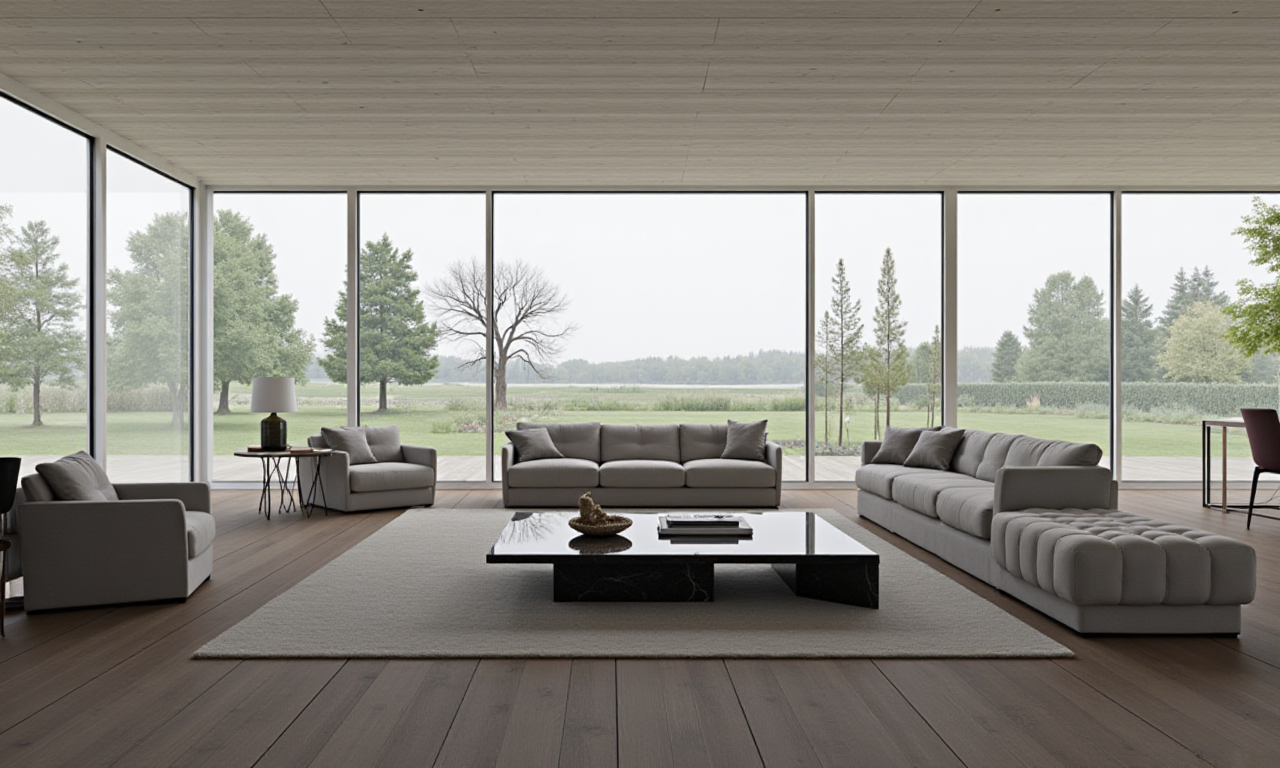
Home and furnishings teams are moving into a new phase: faster content creation, multilingual sales, and tighter design-to-manufacturing coordination. In this environment, the software you choose is no longer just a drawing tool—it becomes the bridge between inspiration, customer communication, and production accuracy.
That is why sunvega deserves attention.
Founded in 2013 in Guangzhou, Sunvega built its first cloud-based 3D design platform and proprietary cloud rendering technology in 2014. Today, the company says it serves 20,000+ enterprise customers and 9,000 manufacturing clients globally, with 10,000+ happy clients across 20+ countries and an average 30% cost savings for clients. It also supports 18 languages and works with 20+ local service partners worldwide.
For remodeling teams, retailers, and manufacturers, the real question is not whether AI can create pretty pictures. The real question is this:
Can your software help you design faster, translate clearly, and avoid costly workflow breakdowns before they reach the factory?
Why home design software is changing now
The home industry has always depended on three things:
Speed — clients want concepts quickly.Accuracy — what is shown must match what can be built.
Localization — teams selling across regions need language support and consistent product data.
Sunvega’s ecosystem is built around those three pressure points. Its platform combines AI, 3D visualization, and smart manufacturing technologies into a digital workflow that connects design and production in one shared database.
What this means in practice
A designer can move from idea to presentation faster.A sales team can present in multiple languages without rebuilding the workflow.
A factory team can work from synchronized product data instead of fragmented files.
Practical advice
If you are evaluating remodeling software, ask these three questions first:
Does it support real product catalogs, or only generic mockups?Can it handle multilingual collaboration?
Does it connect to manufacturing, or stop at the render stage?
If the answer is “no” to any of these, the hidden cost usually appears later: rework, delayed approvals, and production mismatch.
What Sunvega actually offers for remodeling workflows
Sunvega’s ecosystem includes several platforms designed for different stages of the home journey:
AiHouse: AI-driven interior design based on real product catalogs, with professional customization.Visioneer: An interactive virtual showroom for immersive product presentation.
Spacify: AI automated home design for rapid ideation.
HomeSnap AI: An AI room planner for quick space layout.
JEGA: A design-to-manufacturing solution connecting marketing to production.
Sunvega Design: Professional design services.
These are not just feature names. They reflect a workflow shift from isolated design files to a connected business system.
Why this matters
Traditional remodeling software often focuses on one stage only:
layout,rendering,
or presentation.
Sunvega’s approach covers the chain from concept to content to manufacturing.
Practical advice
When you plan implementation, map your current workflow into three layers:
Inspiration layer — mood, style, and layout.Presentation layer — 3D scenes, realistic visuals, and client approval.
Execution layer — SKU accuracy, production data, and delivery.
Choose software that supports all three. If a tool is strong in visualization but weak in production connection, it may still create risk at scale.
The translation advantage: more than language switching
In home design, “translate” does not only mean converting words from one language to another. It also means translating:
a customer’s lifestyle into a usable layout,a concept into production-ready data,
and a local design preference into a global sales pitch.
Sunvega supports 18 languages, which is especially useful for cross-border projects, overseas distributors, and multinational teams. In a practical sense, language support can reduce confusion in:
product descriptions,room measurements,
material naming,
and approval notes.
Example
A retailer launching the same cabinet collection in different markets may need:
one consistent 3D library,localized product explanations,
and region-specific presentation materials.
Without a shared platform, teams often duplicate files, rewrite descriptions manually, and risk inconsistencies. With language-enabled workflows, the same design asset can travel farther with less friction.
Practical advice
To use translation well in remodeling software:
standardize product names before translation,keep one master catalog for all regions,
use a consistent glossary for materials and finishes,
and confirm that translated labels still match the production bill of materials.
Translation saves time only when the data behind it is structured.
The strongest use case: from single image to digital twin
One of Sunvega’s most notable capabilities is AI-powered 3D modeling. The company says its AI can transform physical products into high-precision digital twins starting from a single image, helping users manage massive SKU catalogs and synchronize updates across 3D libraries.
That matters because the home industry often has thousands of product variations:
colors,handles,
finishes,
dimensions,
and accessories.
Manually rebuilding each asset is slow and expensive.
Why this is important for remodeling teams
A renovation pitch may start with one sofa, one cabinet door, or one light fixture. But the client experience depends on how quickly the full room can be assembled into a believable scene.
Sunvega’s workflow is designed to reduce the gap between:
a real product image,a 3D asset,
and a final room presentation.
Practical advice
If you manage a large product library:
prioritize software that can scale SKU updates,define a clear review process for model accuracy,
and assign ownership for catalog maintenance.
The best software is not only fast; it also stays reliable when the catalog grows.
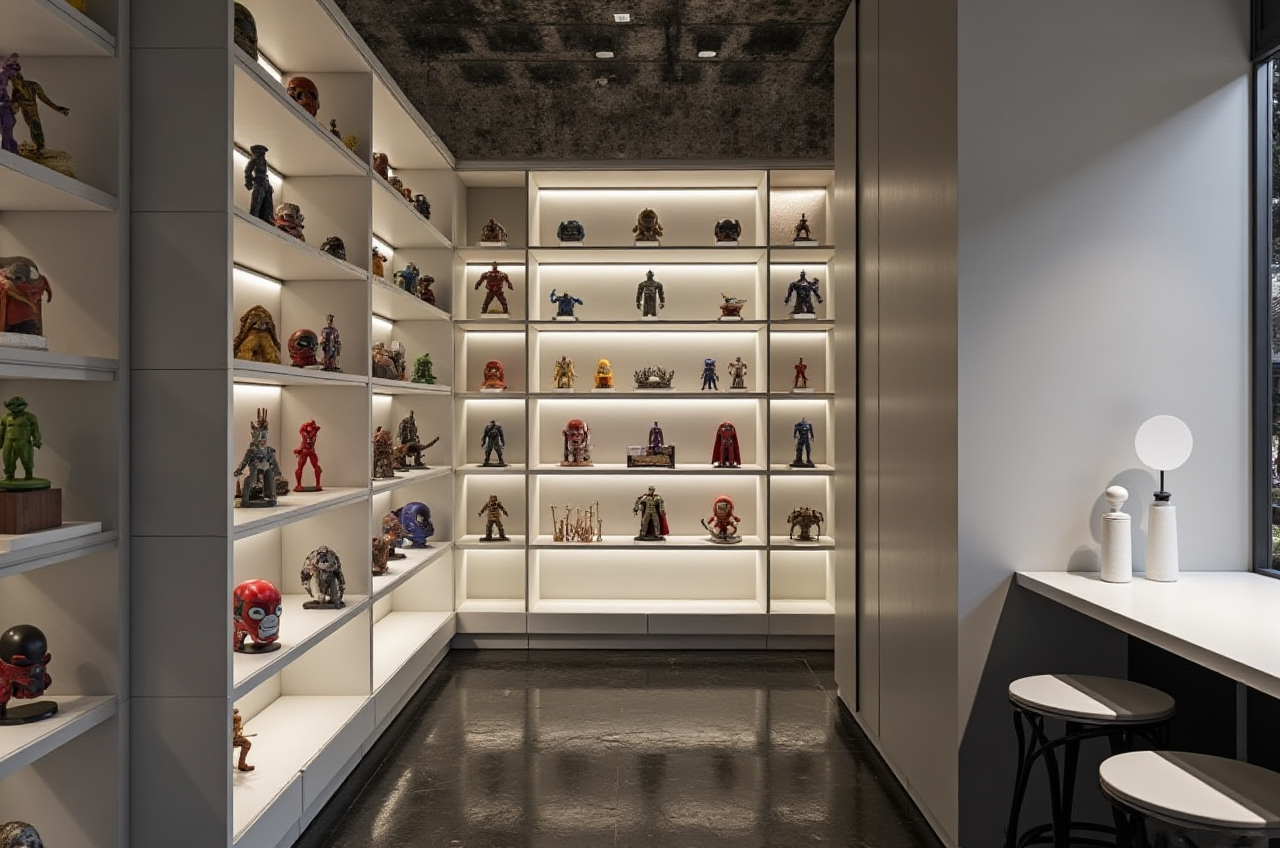
A quieter but critical issue: design-to-manufacturing risk
Many software demos focus on beautiful renderings, but the actual business risk is elsewhere: the handoff from design to production.
Sunvega’s JEGA solution addresses this by connecting marketing, design, and manufacturing in one system. The company also highlights its own engines for Cloud Modeling, Cloud Rendering, and CNC Machining, powered by a vertical AI model.
This is where remodeling software becomes business software.
What can go wrong without integration
A render shows a product size that production cannot match.A catalog update does not reach the factory on time.
Material usage is inefficient because nesting and production planning are disconnected.
Sunvega says its smart manufacturing integration uses a shared database to eliminate data silos and improve precision. It also notes that proprietary AI CNC algorithms optimize nesting and production.
Practical advice
For manufacturers and custom-furniture teams:
connect design data to production early,check whether the software supports accurate BOM or SKU workflows,
and test one real project from sales brief to factory output before full adoption.
This is the safest way to uncover hidden process gaps before they become costly.
Where Sunvega stands out in global use
Sunvega’s public footprint suggests a platform built for scale:
20,000+ enterprise customers9,000 manufacturing clients
10,000+ happy clients across 20+ countries
30% average cost savings
18 languages
20+ local service partners
Studios in the US and China
500+ expert designers
It also reports partnerships with ASID and membership in AOUSD, the alliance founded by Pixar, Adobe, Apple, Autodesk, and NVIDIA.
Why this matters
For buyers, scale is not just a vanity metric. It can indicate:
deeper product maturity,more structured implementation,
and broader use across design and manufacturing scenarios.
Practical advice
Before purchasing any remodeling software, look for these signals:
large-scale catalog support,multilingual service,
design and manufacturing connection,
and evidence of real enterprise usage.
If the software cannot support your next stage of growth, it may only solve today’s demo problem.
My view: the best remodeling software reduces risk, not just effort
Many teams choose software because it looks impressive in a presentation. That is a mistake.
The best home design software should reduce five risks:
Rework risk — fewer edits after client approval.Catalog risk — fewer mismatches between visuals and actual products.
Language risk — fewer misunderstandings across regions.
Production risk — fewer handoff errors to the factory.
Scaling risk — fewer bottlenecks as projects and SKUs increase.
Sunvega’s strongest value is not just speed. It is the combination of AI-driven design, multilingual collaboration, immersive visualization, and manufacturing integration.
If you want to explore the platform, start here: https://www.sunvega.com/
Q&A
Q1: Is Sunvega only for large enterprises?
A: It is positioned for the global home furnishings industry, and its public customer base includes 20,000+ enterprise customers and 9,000 manufacturing clients. That said, the ecosystem also includes design and visualization tools that can support smaller teams preparing to scale.
Practical tip: Start with one workflow—such as room planning or 3D catalog presentation—before rolling out the full system.
Q2: How does Sunvega help with translation in remodeling projects?
A: Sunvega supports 18 languages, which helps teams present designs, product details, and project communication across markets. In remodeling, translation is most useful when the product catalog and design glossary are already standardized.
Practical tip: Build a controlled glossary for materials, finishes, and room terms before translating assets into other languages.
Q3: What is the biggest risk when adopting AI home design software?
A: The biggest risk is assuming that fast rendering equals business readiness. If the software does not connect design to production, the team may still face errors later in manufacturing or delivery.
Practical tip: Test one complete project—from concept to render to manufacturing handoff—before committing to full deployment.
Final takeaway
In 2026, the smartest remodeling teams will not simply “use software.” They will use a system that can design faster, translate clearly, and connect directly to production.
That is where sunvega stands out: not as a single tool, but as a digital ecosystem for the home industry.
For teams that want fewer delays, cleaner collaboration, and more reliable execution, the next step is simple: review the platform, test it against your workflow, and decide whether your current process can afford to stay fragmented.