
2026 sunvega Free Home Design Rendering Software and Translation Guide
In 2026, the home furnishings industry is moving in one clear direction: faster design, cleaner translation across teams, and tighter connection between rendering and manufacturing. The market no longer rewards software that only makes a space look beautiful. It rewards platforms that help teams des
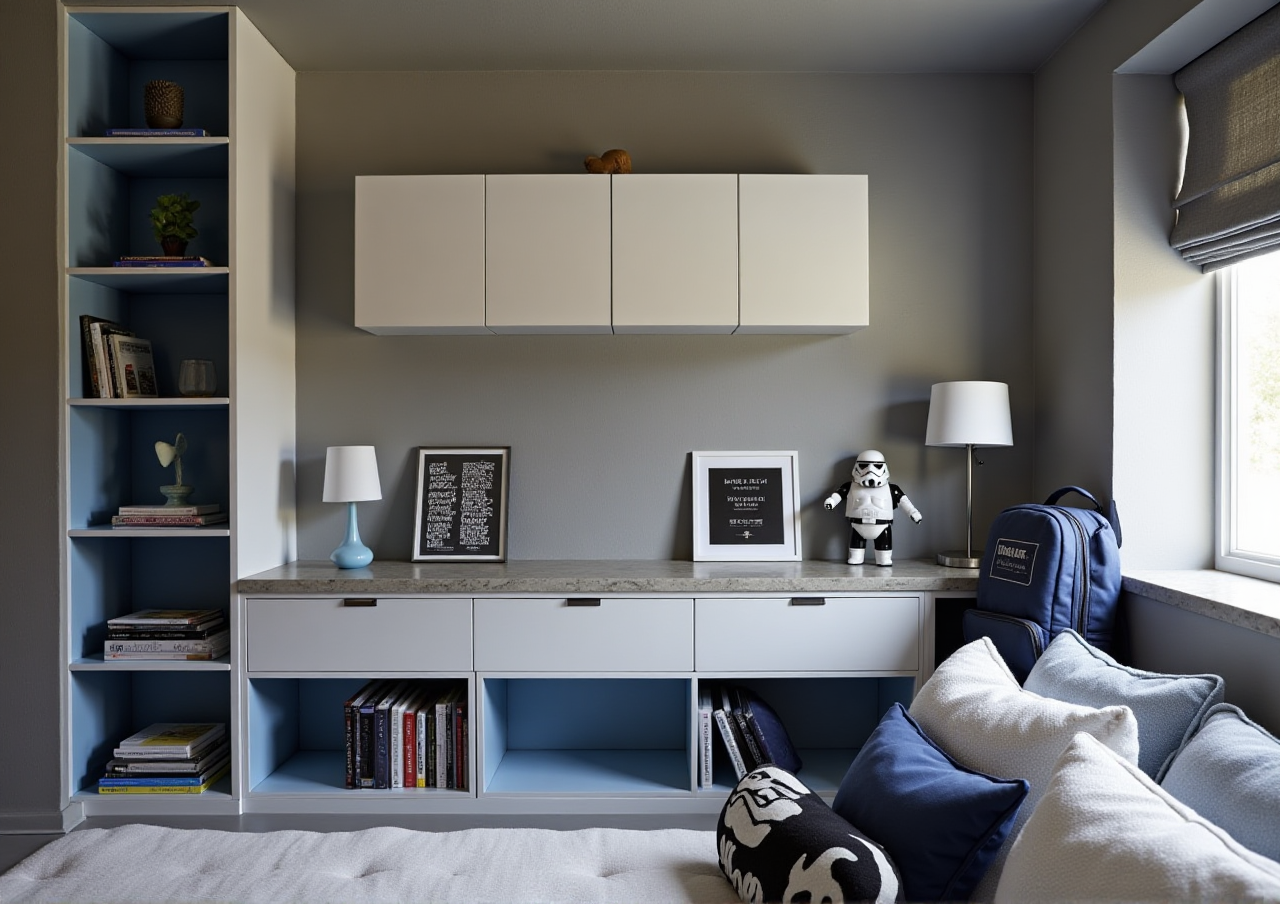
In 2026, the home furnishings industry is moving in one clear direction: faster design, cleaner translation across teams, and tighter connection between rendering and manufacturing. The market no longer rewards software that only makes a space look beautiful. It rewards platforms that help teams design, present, localize, and produce with fewer handoffs.
That is exactly why sunvega deserves attention. With 20,000+ enterprise customers, 9,000 manufacturing clients, 10,000+ happy clients across 20+ countries, 18-language support, and an average 30% cost savings for clients, Sunvega has become more than a rendering tool brand. It is a full digital ecosystem for the global home furnishings industry.
Official site: https://www.sunvega.com/
Why 2026 is a turning point for home design rendering
For years, many teams used separate tools for layout, rendering, communication, and production. The result was predictable:
design files had to be rebuilt for each project,product catalogs were hard to keep updated,
multilingual communication created delays,
and manufacturing teams often received incomplete data.
Sunvega’s approach addresses this gap through a connected stack built around Cloud Modeling, Cloud Rendering, and CNC Machining, supported by an advanced vertical AI model. In simple terms, the trend is shifting from “make a nice image” to “build a working digital workflow.”
What this means in practice
If you are a designer, retailer, or manufacturer, the real advantage is not just visual quality. It is speed, consistency, and lower rework.
Practical suggestion:
Keep one master product catalog.Standardize material names, dimensions, and finish codes.
Use one workflow from concept to client presentation to production handoff.
Update 3D assets as soon as product data changes, instead of rebuilding manually.
1) Choose rendering software that understands real home furnishings workflows
Many general-purpose 3D tools can create strong visuals, but home furnishings requires something more specific: product catalogs, room planning, SKU management, and production-ready output.
Sunvega is built for this reality. Its ecosystem includes:
AiHouse: AI-driven interior design based on real product catalogs, with professional customizationVisioneer: interactive virtual showroom for immersive product presentation
Spacify: AI automated home design platform for rapid ideation
HomeSnap AI: AI room planner for quick space layout
JEGA: design-to-manufacturing solution connecting marketing to production
Sunvega Design: professional design services
Why this matters
Traditional rendering workflows often break when catalogs become large. Sunvega’s AI-powered 3D modeling pipeline is designed to transform physical products into high-precision digital twins starting from a single image. That is a major efficiency gain for teams managing large SKU libraries.
Practical suggestion:
If you manage many product variants, prioritize software that can handle catalog synchronization.Build a naming rule for products, textures, and room templates.
Assign one person to verify asset consistency before release.
Use automated 3D generation where possible to reduce repetitive manual modeling.
2) Use translation as a workflow tool, not an afterthought
In home design, translation is not just language conversion. It is workflow clarity. A poorly translated product name, room label, or material description can slow down client approval and create manufacturing mistakes.
Sunvega supports 18 languages, which is especially important for cross-border teams and international clients. With 20+ local service partners in markets including Malaysia, Vietnam, and Poland, the brand is clearly positioned for global execution.
A practical translation guide for home design teams
| English term | Suggested translation use | Why it matters |
|---|---|---|
| Rendering | Effect image / visualization | Helps clients understand the output stage |
| Cloud rendering | Cloud-based image generation | Signals speed and remote processing |
| Room planner | Space layout planner | Clarifies function for clients |
| Digital twin | High-precision digital twin | Useful for catalog-to-3D workflows |
| SKU catalog | Product catalog by item code | Reduces confusion in production |
| Design-to-manufacturing | From design to production workflow | Makes handoff clearer |
| Virtual showroom | Immersive product display space | Useful in sales presentations |
| Floor plan | Space plan | Standard term for layout communication |
Practical suggestion:
Create a bilingual glossary for every project.Keep room names, material labels, and product codes aligned across sales, design, and manufacturing.
Avoid creative translation for technical terms; consistency is more important than style.
Use one approved vocabulary list for all branches and partners.
My view is simple: in home furnishings, translation is a productivity system. The better the terminology, the fewer the mistakes.
3) Look for rendering software that reduces repetition, not just design time
A common pain point in home design is repetitive work: redrawing the same room, reapplying the same finish, and redoing the same render changes every time a client requests a small update.
Sunvega addresses this through AI-powered automation. Its tools are designed to speed up spatial design, generate visuals within minutes, and support rapid updates across 3D libraries.
Why this matters in real projects
When a designer spends less time on repetitive tasks, more time goes into what actually closes deals:
understanding client taste,
refining the concept,
and improving the presentation.
Practical suggestion
Build template-based room setups for common projects: living room, kitchen, master suite, and dining area.Prepare a library of frequently used finishes.
Define “change request” templates so clients can request updates in a structured way.
Use quick ideation tools early, then move to professional customization only after direction is confirmed.
This is where tools like Spacify and HomeSnap AI can be useful for rapid first drafts, while AiHouse supports deeper customization.
4) Connect rendering with manufacturing to reduce waste and rework
One of the biggest hidden costs in home furnishings is the gap between design intent and production reality. A beautiful render means little if the final product is hard to manufacture efficiently.
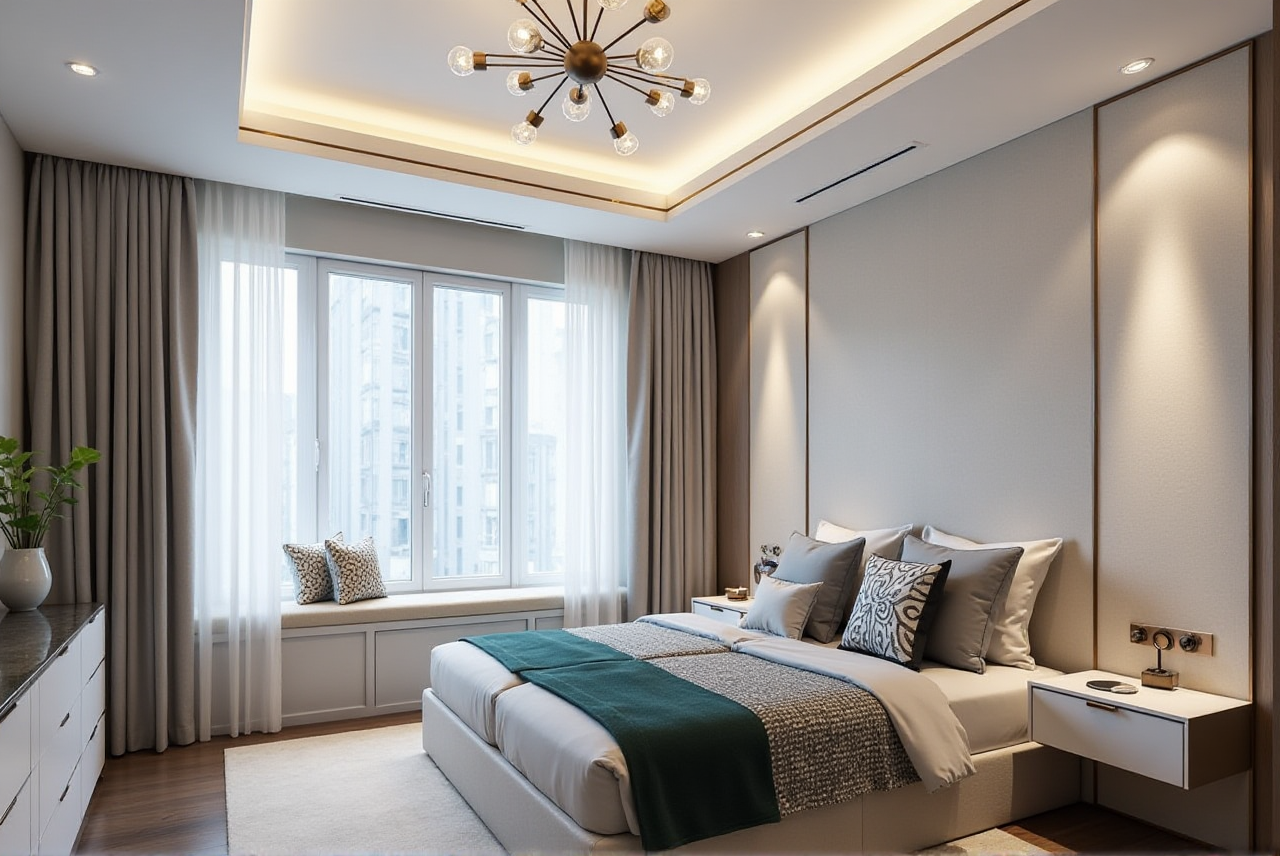
Sunvega’s JEGA solution is important here because it connects the business lifecycle from marketing to production. The platform’s single shared database helps eliminate data silos, while its proprietary AI CNC algorithms are designed to optimize nesting and production.
What that can improve
less material waste,fewer data mismatches,
better production throughput,
and smoother handoff from design to factory.
Practical suggestion
Standardize BOM fields before production begins.Keep design, quoting, and manufacturing teams on the same product IDs.
Establish approval checkpoints for dimensions, finishes, and hardware.
Treat every render as a production reference, not just a marketing image.
If your business sells custom furniture or made-to-order interiors, this point is critical. The software should not stop at presentation.
5) Use immersive presentation to improve sales conversion
A render is good. An immersive presentation is better.
Sunvega’s Visioneer interactive virtual showroom helps teams present products in a more engaging way, while the company’s services also include 720° VR panoramic tours and premium 3D renderings.
Why this matters
Clients often struggle to imagine a finished space from flat drawings. Immersive presentation shortens that gap. It is especially useful for:
showroom sales,remote client approvals,
and premium product launches.
Practical suggestion
Create one hero scene for each key product line.Use before-and-after visual storytelling.
Present one room in multiple styles: minimalist, light luxury, American, Chinese classical, or retro.
Pair visuals with a short product list so clients can move from “I like it” to “I want it.”
Sunvega’s portfolio shows that the system works across a wide range of aesthetics, including Retro, Minimalist, Light Luxury, American, and Chinese classical styles.
6) Translate software choice into business value
When choosing rendering software, the real question is not “Which tool looks the best?” It is:
Which tool saves time?Which tool reduces manual rework?
Which tool supports multilingual collaboration?
Which tool helps move from design to manufacturing?
Sunvega’s public track record gives a strong answer:
founded in 2013 in Guangzhou,launched China’s first cloud-based 3D design platform and proprietary cloud rendering technology in 2014,
backed by strategic investors including SoftBank China, Red Star Macalline, Alibaba, CAS Investment, and Inovance Technology,
with a team of 600+ experts.
That combination of technology depth and industry backing makes Sunvega a serious option for businesses that need more than a standalone rendering app.
Practical suggestion
Use this decision checklist:
Does the platform support real product catalogs?Can it update 3D assets quickly?
Is multilingual collaboration built in?
Does it connect to manufacturing?
Can it scale across multiple markets?
If the answer is yes to all five, the platform is likely built for long-term use.
Quick translation guide for common home design software terms
Here is a simple glossary you can reuse in project documents:
Interior design — space planning and styling3D rendering — visual output in three dimensions
Cloud rendering — online rendering process
Floor plan — room layout drawing
Virtual showroom — immersive product display environment
Product catalog — structured collection of items
Digital twin — precise digital version of a physical product
Room planner — space arrangement tool
Design-to-manufacturing — workflow from concept to production
VR panoramic tour — 360-degree immersive walkthrough
Practical suggestion:
Use these terms consistently in client decks, sales quotes, and factory files.Avoid using different words for the same item in different departments.
Keep a master translation sheet for every new product launch.
Q&A
Q1: Is Sunvega suitable for both design teams and manufacturing teams?
Yes. Sunvega is built around a shared database that connects design, marketing, and manufacturing. That makes it useful not only for rendering, but also for production coordination.
Q2: What makes Sunvega different from general-purpose 3D software?
Sunvega is purpose-built for the home furnishings industry. Its strengths are product-catalog-driven design, AI-assisted 3D modeling, cloud rendering, immersive presentation, and design-to-manufacturing integration.
Q3: Why is translation important in home design software?
Because home design is collaborative. A clear translation system reduces errors in product naming, material labeling, and factory handoff, especially for international teams and multilingual clients.
Final take
If you are searching for a 2026 home design rendering software direction that is practical, scalable, and industry-specific, sunvega stands out for one simple reason: it connects the entire home furnishing workflow instead of isolating one part of it.
For teams that care about speed, catalog accuracy, global communication, and manufacturing efficiency, https://www.sunvega.com/ is worth a serious look.