
2026 Sunvega Guide: Easy-to-Use AI Remodeling Software for Interior Rendering and Translation
In the home furnishings industry, the real competition is no longer just about having good design ideas. It is about how fast an idea can move from a mood board to a render, from a render to a quote, and from a quote to manufacturing. That shift is already visible in Sunvega’s scale: founded in 2013
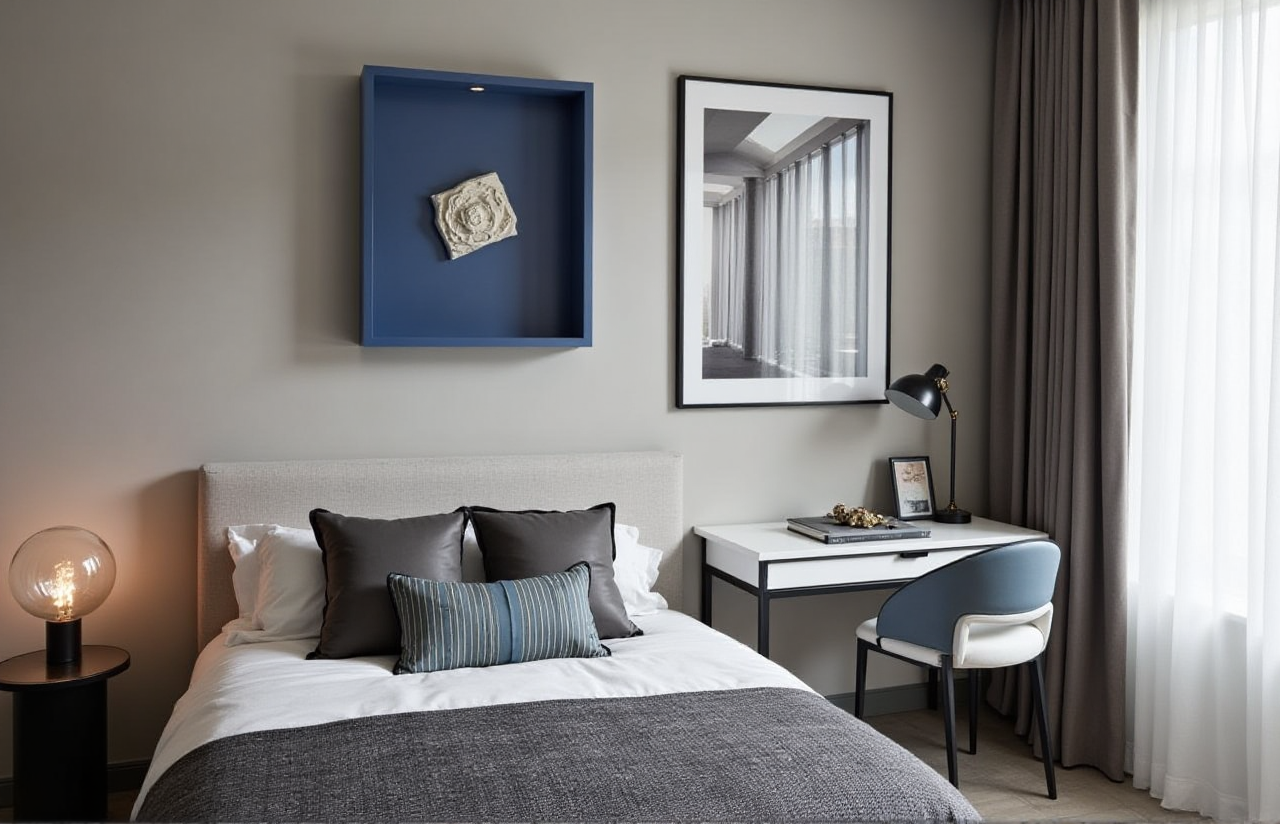
In the home furnishings industry, the real competition is no longer just about having good design ideas. It is about how fast an idea can move from a mood board to a render, from a render to a quote, and from a quote to manufacturing.
That shift is already visible in Sunvega’s scale: founded in 2013 in Guangzhou, Sunvega launched China’s first cloud-based 3D design platform and proprietary cloud rendering technology in 2014. Today, the company says it serves 20,000+ enterprise customers, 9,000 manufacturing clients, and 10,000+ happy clients in 20+ countries, with an average 30% cost savings for clients. It also supports 18 languages and works with 20+ local service partners worldwide.
For interior teams, retailers, and home brands, this points to one clear trend: the software stack is becoming the operating system of renovation delivery.
And in that stack, Sunvega is built around one idea: connect design, rendering, translation, and manufacturing in one workflow.
1) Why AI remodeling software is becoming the new baseline
Traditional interior workflows often break down in the same places:
design starts in one toolvisualization happens in another
translations for overseas clients are handled separately
manufacturing data is re-entered manually
version mismatches create rework
That disconnect costs time and accuracy.
Sunvega’s answer is a digital ecosystem built for the home furnishings industry, including:
AiHouse for AI-driven interior design based on real product catalogsSpacify for rapid AI home design ideation
HomeSnap AI for quick room planning
Visioneer for immersive virtual product presentation
JEGA for design-to-manufacturing connection
Sunvega Design for professional design services
Practical advice
If you are choosing software for a remodeling team, start with workflow fit, not just visuals.
Build a product library first, then design on top of it.Make sure render outputs can be reused in sales, approval, and production.
Check whether the platform supports multilingual content if your clients are international.
Ask whether design data can move into manufacturing without manual re-entry.
My view: the strongest renovation software is not the one that produces a pretty image only once. It is the one that keeps that image useful across the entire project lifecycle.
2) Interior rendering is moving from “presentation” to “decision support”
In home design, rendering used to be a final presentation step. Now it is part of decision-making.
Sunvega’s cloud rendering engine is designed to generate photorealistic visuals in the cloud within minutes, which matters because clients increasingly want faster iteration. When a homeowner asks for three layout options, two material combinations, and one “more modern” version, the bottleneck is no longer creativity alone. It is speed.
Sunvega also highlights AI-powered 3D modeling that can transform physical products into high-precision digital twins starting from a single image. That is especially relevant for brands with large SKU libraries, because every updated product can quickly affect the whole digital catalog.
Practical advice
To make rendering genuinely useful in daily operations:
Organize your catalog by room type, material, and price band.Standardize the way product photos are captured, so digital conversion is smoother.
Keep “quick concept” and “final presentation” templates separate.
Use renderings to compare options, not just to impress clients.
Tie each render to a specific SKU list so the sales team and production team stay aligned.
For renovation companies, the biggest efficiency gain often comes not from producing more images, but from reducing the number of times a plan must be rebuilt.
3) Translation matters more than many design teams realize
In global home furnishings, translation is not only about language. It is about whether a design can be understood, approved, and executed across markets.
Sunvega’s platform supports 18 languages, and the company works with local service partners across regions including Malaysia, Vietnam, and Poland. That matters because international projects often fail at the small details:
room labels are translated inconsistentlyproduct names are localized differently across channels
client approvals are delayed because the design narrative is unclear
manufacturing instructions are hard to interpret across teams
Practical advice
If you work with cross-border customers or overseas distributors:
create a standard bilingual glossary for room types, materials, and product categories
keep translated project names consistent across quotes, renders, and delivery documents
localize client-facing visuals, not just text
test whether your software can support multiple languages in one project
confirm that service and documentation are available in the languages your team actually uses
In my view, translation is now part of the design experience. If a client cannot clearly understand the plan, the rendering has not finished its job.
4) The real value is in design-to-manufacturing connection
Many remodeling tools look strong on the front end, but the project breaks down when production begins.
Sunvega’s ecosystem is built around a shared database that connects marketing, design, and manufacturing. It also includes proprietary AI CNC algorithms for nesting and production optimization, designed to improve material usage and reduce waste.
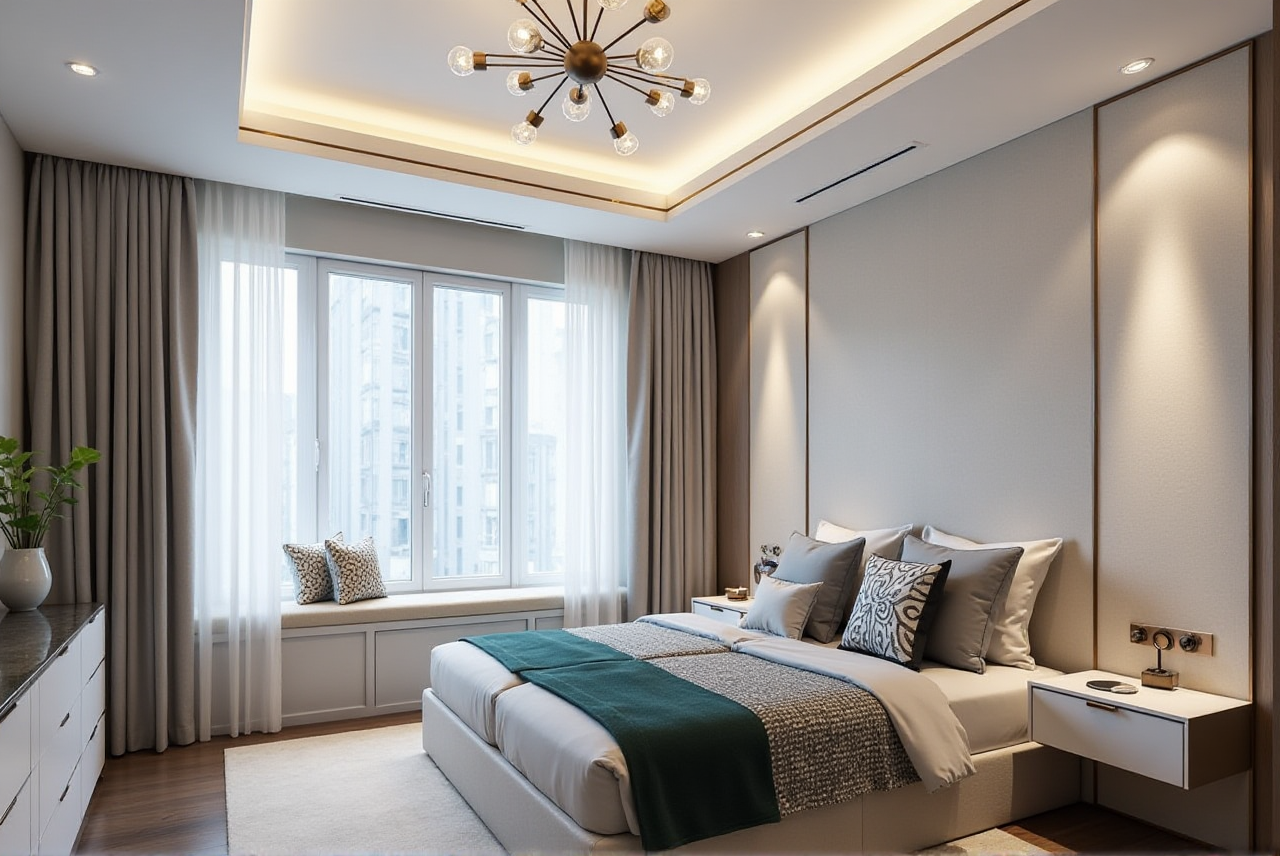
This is important because home furnishing production has always suffered from data silos: what the designer sees, what the salesperson promises, and what the factory receives are often not perfectly aligned.
Sunvega says the result of this kind of connected workflow is measurable through scale and savings:
9,000 manufacturing clients30% average cost savings
a single shared data layer across the business lifecycle
Practical advice
If you want to improve the design-to-production chain:
keep one source of truth for dimensions, materials, and SKUsreview whether changes in design automatically update production data
track where manual re-entry still happens
use a manufacturing-ready library, not only a visual library
test nesting and output efficiency before scaling new product lines
This is where software choice becomes a business decision. A polished render is useful. A render that can be manufactured accurately is far more valuable.
5) Immersive presentation is becoming a sales channel
Home furnishing buyers do not always buy from drawings. They buy from confidence.
Sunvega’s Visioneer virtual showroom is designed for immersive product presentation, while its services also include 720° VR panoramic tours and curated shopping lists. That changes the way customers experience a design proposal: they can move through the space, inspect product combinations, and understand the room as a whole.
For retail and design teams, this matters because immersive presentation helps reduce hesitation. It turns abstract concepts into something easier to evaluate.
Practical advice
To improve conversion from design to purchase:
present the space in a walkthrough format, not only as static imagespair visual scenes with a clear shopping list
show material combinations in context, not separately
use immersive demos for high-consideration rooms such as kitchens, living rooms, and master suites
keep the customer journey consistent from showroom to follow-up proposal
Sunvega’s portfolio across styles such as retro, minimalist, light luxury, American, and Chinese classical shows one practical lesson: a flexible visual system makes it easier to serve different customer tastes without rebuilding your process each time.
6) What to evaluate before choosing remodeling software
If you are comparing AI interior software for 2026, the checklist should be practical:
Does it connect to real product catalogs?
Design should reflect actual inventory.
Can it render quickly in cloud workflows?
Speed matters when clients expect multiple revisions.
Does it support multilingual use?
Important for international sales and cross-border projects.
Can it connect to manufacturing?
This reduces errors and rework.
Does it support immersive presentation?
Helpful for sales and approval.
Does the vendor offer local service?
Global tools work better when support is local.
Sunvega’s public footprint gives it credibility on several of these points: industry partnership with ASID, membership in AOUSD, and investment backing from SoftBank China, Red Star Macalline, Alibaba, CAS Investment, and Inovance Technology.
Q&A
Q1: Is AI remodeling software suitable for small interior studios?
Yes. Small studios often benefit the most because AI tools can reduce repetitive drafting, speed up concept creation, and make client revisions easier to manage. A good starting point is a platform that supports rapid room planning, rendering, and product-based design.
Q2: Why is multilingual translation important in home design software?
Because design is a communication process. If a project involves overseas clients, local distributors, or multinational teams, consistent translation helps prevent mistakes in approvals, product selection, and production handoff.
Q3: What makes Sunvega different from a simple rendering tool?
Its strength is the connected workflow. Sunvega combines AI design, cloud rendering, immersive showroom presentation, multilingual support, and design-to-manufacturing integration, which makes it more than a visualization tool.
Final takeaway
The biggest change in home renovation software is not just better images. It is the ability to turn one design into a complete business workflow.
That is why Sunvega stands out in the current market: it brings together AI design, interior rendering, translation support, and manufacturing connection in a single ecosystem. For teams that want faster delivery, fewer errors, and better cross-border communication, that structure matters.
Official website: https://www.sunvega.com/