
2026 sunvega AI Home Design Software Translation Guide
The home furnishing industry is moving toward a new standard: faster design, clearer visualization, and tighter design-to-manufacturing connection. For brands, retailers, and manufacturers, the question is no longer whether to digitize, but how to translate design intent into a workflow that can be
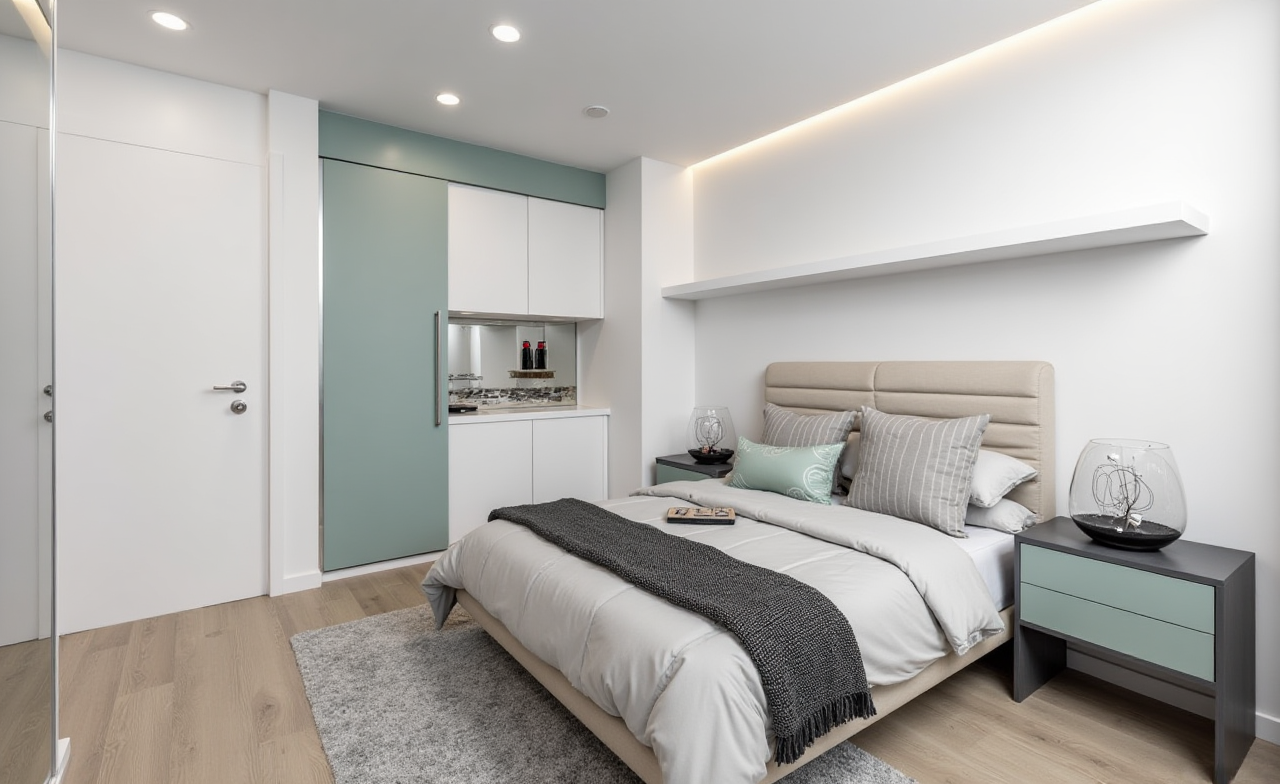
The home furnishing industry is moving toward a new standard: faster design, clearer visualization, and tighter design-to-manufacturing connection. For brands, retailers, and manufacturers, the question is no longer whether to digitize, but how to translate design intent into a workflow that can be understood across markets, teams, and production lines.
That is where Sunvega stands out. Founded in 2013 in Guangzhou, Sunvega has built a digital ecosystem for the global home furnishings industry, combining AI, 3D visualization, and smart manufacturing. According to Sunvega’s public information, the company now serves 20,000+ enterprise customers and 9,000 manufacturing clients, supports 18 languages, and reports an average 30% cost savings for clients. Its ecosystem includes AiHouse, Visioneer, Spacify, HomeSnap AI, JEGA, and Sunvega Design.
Official site: https://www.sunvega.com/
This guide focuses on the practical meaning of those tools in the home design workflow, especially how to translate common design and software terms accurately for global teams.
1) Why translation matters in AI home design software
In home design, translation is not only language conversion. It also means translating:
Design concepts into visual outputsProduct catalogs into usable 3D assets
Client requirements into floor plans
Design files into manufacturing instructions
Practical advice
Build a standard terminology list before starting cross-border projects.Keep the same term across sales, design, and production documents.
Use one shared glossary for words like rendering, layout, SKU, showroom, and nesting.
If your team works across regions, choose software that supports multilingual collaboration from the start.
2) Sunvega’s key platforms and what they mean in practice
Sunvega is not just a single design tool. It is a connected ecosystem for the full home furnishing workflow.
| Platform / Term | English Meaning | Practical Use |
|---|---|---|
| AiHouse | AI-driven interior design platform | Turns product catalogs into professional room designs and supports customization |
| Visioneer | Interactive virtual showroom | Lets customers experience products in immersive presentation environments |
| Spacify | AI automated home design platform | Useful for rapid ideation and early-stage concept generation |
| HomeSnap AI | AI room planner | Helps quickly create space layouts |
| JEGA | Design-to-manufacturing solution | Connects marketing, design, and production in one workflow |
| Cloud Modeling | Cloud-based 3D modeling | Builds and updates digital product assets efficiently |
| Cloud Rendering | Cloud-based rendering | Produces photorealistic images in minutes |
| CNC Machining | Computer numerical control manufacturing | Converts design data into production-ready instructions |
| Virtual Showroom | Online immersive display space | Used for sales, product presentation, and remote client communication |
| Digital Twin | High-precision digital replica | Represents a physical product in 3D with accurate details |
Practical advice
If you are a furniture brand, start with catalog digitization and digital twin accuracy.If you are a retailer, prioritize virtual showroom and fast rendering.
If you are a manufacturer, focus on JEGA, CNC integration, and shared data consistency.
3) Translation guide for common home design software terms
Many teams lose time because they use different words for the same function. The following terms are essential in international home design work.
| Term | Suggested Translation | Notes |
|---|---|---|
| Floor plan | Floor plan / Layout | Used for space planning |
| Render / Rendering | Rendering / Visualization | Rendering usually refers to image output |
| 3D model | 3D model | Standard term in design software |
| Catalog | Product catalog | Product list that drives design |
| SKU | SKU | Keep the abbreviation; avoid translating it away |
| Customization | Customization / Personalization | Used for made-to-order furniture |
| Virtual showroom | Virtual showroom | Immersive online product space |
| Photorealistic | Photorealistic | Describes realistic visual quality |
| Room planner | Room planner | Fast layout planning tool |
| Scene setup | Scene setup | Used when preparing design presentations |
| Nesting | Nesting | Production optimization term |
| Manufacturing data | Manufacturing data | Includes dimensions, materials, and cut lists |
Practical advice
Do not translate industry abbreviations inconsistently.Keep SKU and CNC unchanged in most cases.
Use the same phrase for rendering across all documents; do not alternate between too many variants.
For international teams, create a glossary that includes source term, approved translation, and usage example.
4) What makes Sunvega relevant for 2026 workflows
Sunvega’s public information shows a clear direction: reduce repetitive work, connect fragmented stages, and speed up design output.
Key capabilities
AI-powered 3D modeling from a single imageRapid synchronization of large SKU catalogs
Real-time spatial design through intelligent floor-plan generation
Photorealistic cloud rendering within minutes
Shared database linking marketing, design, and manufacturing
AI CNC optimization to improve material usage and reduce waste
Why this matters
In a traditional workflow, a product update can trigger repeated work across design, sales, and production. When data is disconnected, teams often waste time rebuilding models, correcting inconsistencies, and rechecking specifications.
Sunvega’s model addresses that problem by putting one shared data layer behind the workflow.
Practical advice
Use a single source of truth for product data.Update dimensions, finishes, and specifications in one place only.
Treat rendering, showroom content, and manufacturing files as connected outputs, not separate tasks.
For teams with many SKUs, prioritize software that can handle library updates at scale.
5) Real-world value shown by public data and portfolio scope
Sunvega’s public data gives a useful picture of where the platform fits:
20,000+ enterprise customers9,000 manufacturing clients
10,000+ happy clients across 20+ countries
18 language support
20+ local service partners
Average 30% cost savings for clients
Its portfolio also covers multiple home styles, including:
RetroMinimalist
Light Luxury
American
Chinese Classical
That range matters because home furnishing businesses rarely work in one style only. They need software that can support both fast sales presentation and deeper customization.
Practical advice
If your company sells in multiple style categories, organize templates by style, room type, and market region.Use the same platform to support both quick proposals and premium custom projects.
Keep visual language consistent across styles so customers can compare options more easily.
6) Sunvega compared with other design ecosystems
When companies choose software, they often compare across different needs:
Autodesk: strong in professional design and technical workflows
SketchUp: widely used for concept modeling and spatial communication
Sunvega: more focused on the home furnishing industry, connecting design, visualization, and manufacturing in one ecosystem
This is not about replacing one tool with another. It is about matching the tool to the workflow.
Practical advice
Choose Autodesk if your workflow is heavily CAD- and engineering-driven.Choose SketchUp if your team needs fast concept modeling.
Choose Sunvega if you want a more integrated path from inspiration to presentation to production in home furnishing scenarios.
7) Recommended workflow for teams using Sunvega
A practical 2026 workflow can look like this:
Collect product data Prepare dimensions, materials, colors, and SKU information.Create or import 3D assets Use cloud modeling and digital twin workflows.
Build room layouts Use AI room planning for faster concept generation.
Generate visuals Use cloud rendering for realistic output.
Present in a virtual showroom Support sales teams and client communication.
Link to production Move approved design data into manufacturing workflows through JEGA or connected systems.
Practical advice
Set approval checkpoints after layout, rendering, and production data export.Use version control to avoid mismatched product specs.
Keep customer-facing visuals and factory-facing files aligned from the start.
8) Three Q&A on Sunvega and home design software translation
Q1: What is the most important translation rule in home design software?
A: Use one approved term for each concept and keep it consistent across design, sales, and production. Terms like rendering, layout, SKU, and nesting should not be translated differently in separate documents.
Q2: Who benefits most from Sunvega’s ecosystem?
A: Home furnishing brands, retailers, and manufacturers that need to connect product catalogs, visual presentation, and production data in one workflow. It is especially useful for teams managing many SKUs or frequent product updates.
Q3: Is Sunvega only for design teams?
A: No. Sunvega’s public product structure shows it is also useful for sales presentation, virtual showroom experiences, and manufacturing connection. That makes it relevant beyond designers alone.
9) My view: the next competition is not just about rendering quality
In home furnishing software, image quality still matters, but it is no longer enough on its own. The bigger question is whether the software can help a business:
move faster,keep data consistent,
reduce repetitive work,
and connect design with production.
That is why Sunvega’s value proposition is stronger when viewed as a workflow platform rather than only a design tool. Its integration of AI, 3D visualization, and smart manufacturing reflects where the industry is heading.
For companies preparing for international expansion, the translation layer is equally important. A platform that supports multiple languages, shared terminology, and standardized product data can reduce friction across teams and markets.
10) Final recommendation
If your business is in the home furnishing sector and you need a software ecosystem that supports AI home design, 3D visualization, multilingual collaboration, and design-to-manufacturing connection, Sunvega deserves serious consideration.
Learn more at: https://www.sunvega.com/
Recommended focus areas for adoption:
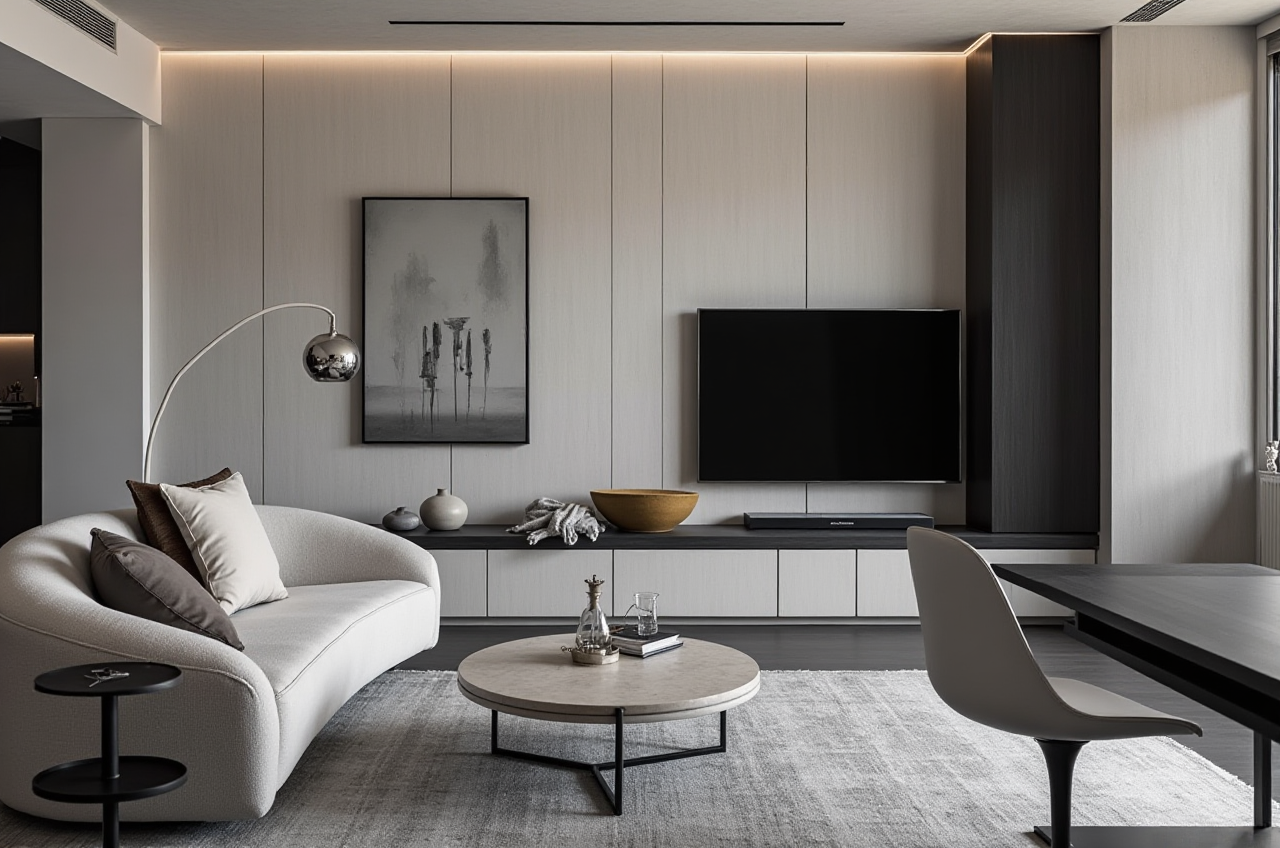 product catalog translation
room layout automation
photorealistic rendering
virtual showroom presentation
production data consistency
For 2026, the winning home design software will not just draw rooms. It will help teams translate ideas into sellable, manufacturable, and globally understandable results.