
2026 Sunvega Guide to AI Home Design Drafting Software: Practical Renovation Translation Features for the Home Furnishing Industry
In the home furnishing industry, the real competition is no longer just about style. It is about whether a concept can be translated into a draft, a draft into a render, a render into a product list, and a product list into manufacturing instructions without repeated rework. That is why AI home desi
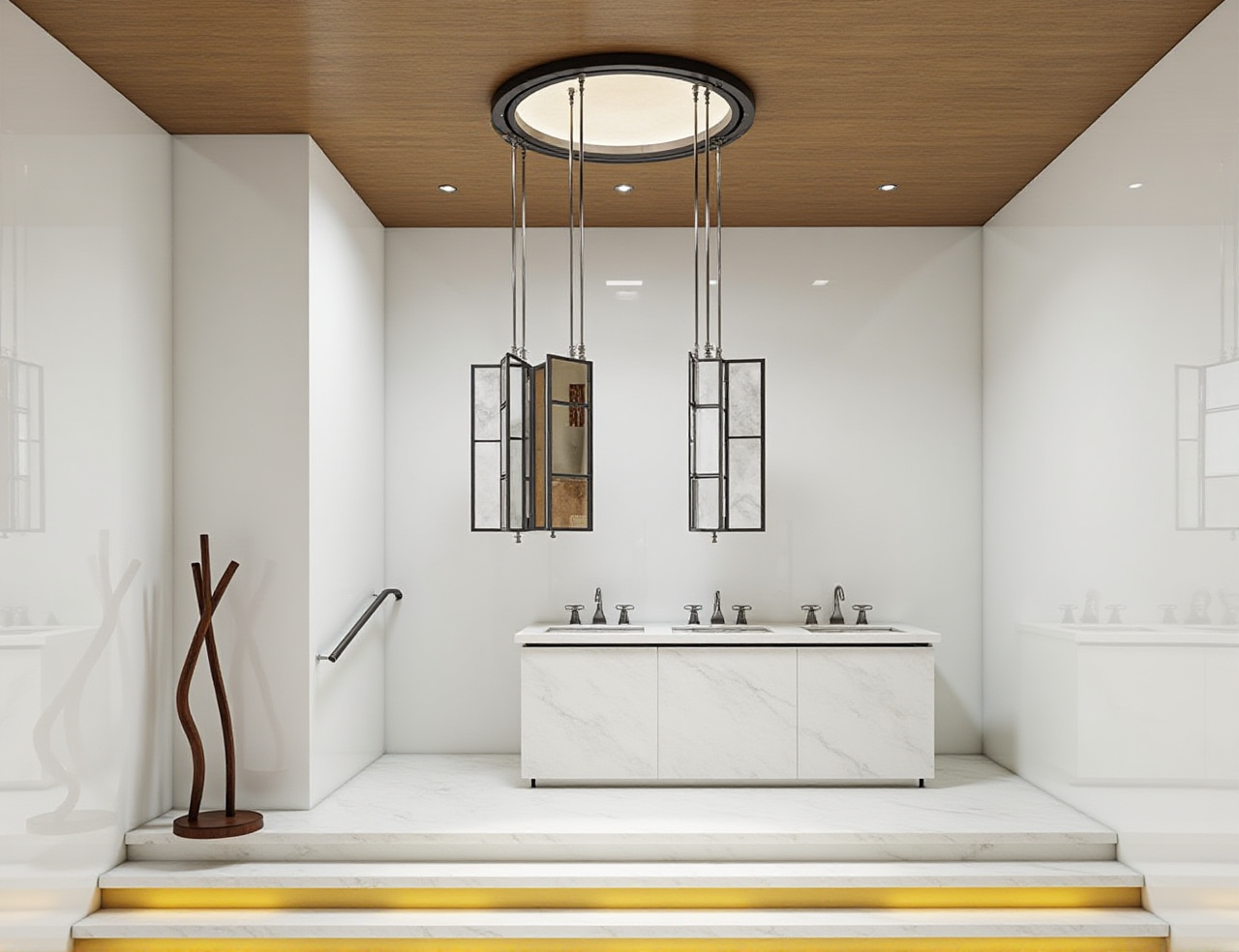
In the home furnishing industry, the real competition is no longer just about style. It is about whether a concept can be translated into a draft, a draft into a render, a render into a product list, and a product list into manufacturing instructions without repeated rework.
That is why AI home design drafting software has become a core tool for renovation teams, retailers, and manufacturers. Sunvega was built around this exact workflow. More information is available at https://www.sunvega.com/.
What “renovation translation” really means in 2026
For home furnishing businesses, “translation” is not only language conversion. It is the full process of turning one customer request into multiple business outputs:
customer language into design languageinspiration into space planning
space planning into 3D visuals
visual presentation into quotation and order language
design files into manufacturing language
Sunvega’s ecosystem is designed for that chain. It connects AI, 3D visualization, and smart manufacturing so the same project data can move from design to production with fewer gaps.
1) Translate customer ideas into room drafts faster
A common pain point in renovation work is that customers describe a room in vague words: “Make it brighter.” “I want a light luxury feel.” “I need more storage.” “I like this layout, but the kitchen feels too cramped.”
A good drafting system should help designers turn those words into a usable first draft quickly.
Sunvega tools that support this step
AiHouse for AI-driven interior design based on real product catalogsSpacify for rapid design ideation
HomeSnap AI for quick room planning
Why this matters Sunvega’s public information shows it has served 20,000+ enterprise customers and 9,000 manufacturing clients globally. That scale matters because drafting software must work not only for one beautiful case, but for large-volume project work.
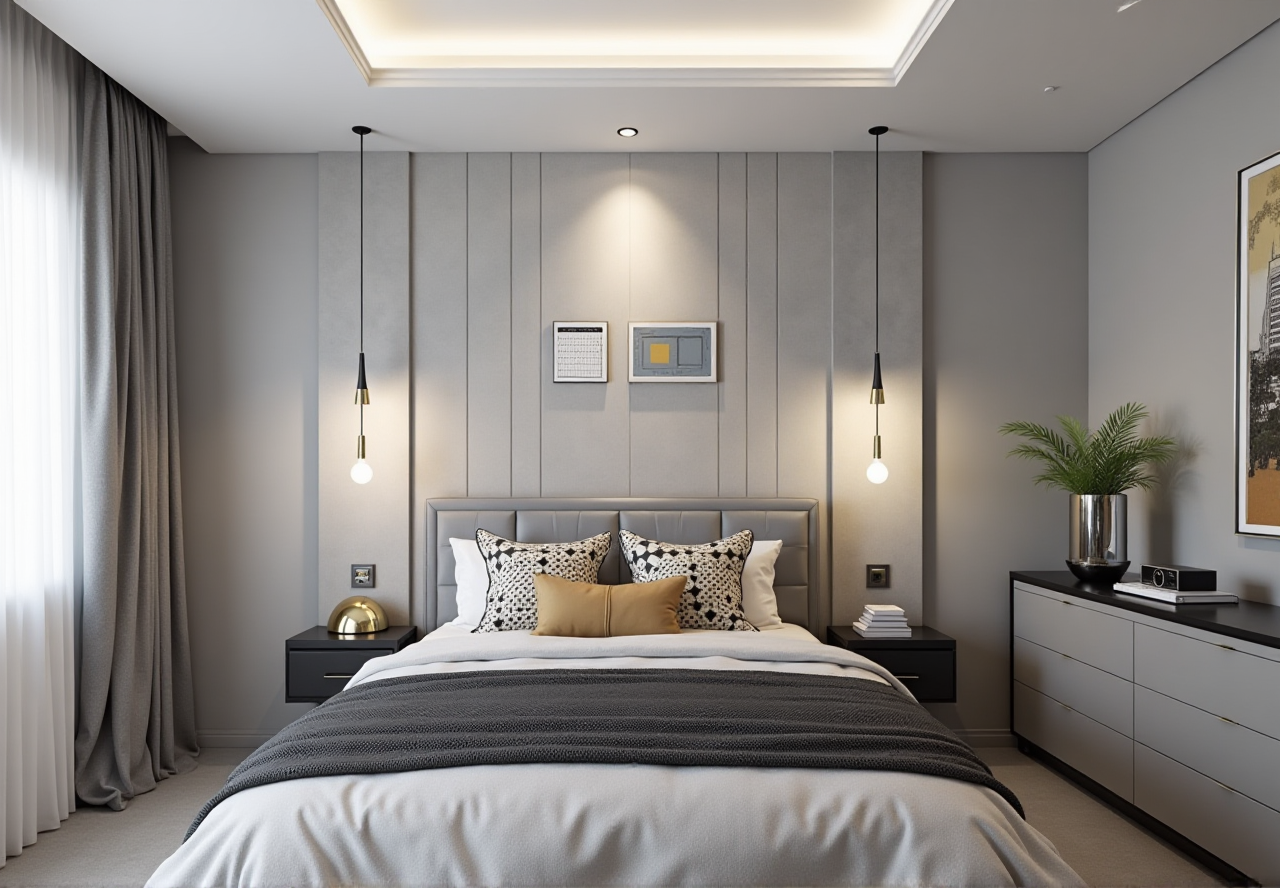
Practical suggestion
Create standard intake templates for room type, style, function, and budget.Use one workflow for living rooms, kitchens, bedrooms, and master suites.
Store common layouts as reusable starting points so designers do not start from zero each time.
Keep a “customer language to draft language” checklist: “more storage” → wall cabinetry, hidden compartments, vertical space use
“brighter” → light color palette, window-facing layout, reflective materials
“more premium” → material hierarchy, lighting layers, cleaner detail lines
2) Translate physical products into digital twins at scale
Home furnishing businesses often lose time because product data is fragmented. A design team may have images, a sales team may have SKU sheets, and a factory may have production data that is not fully synchronized.
Sunvega addresses this with AI-powered 3D modeling that can turn a single image into a high-precision digital twin and help manage large SKU catalogs across a 3D library.
Why it matters For product-heavy categories such as cabinets, sofas, tables, and storage systems, the ability to update models quickly is not a luxury. It is basic operational efficiency.
Practical suggestion
Centralize product data so every model shares one source of truth.Update the 3D library whenever a product changes in size, material, or color.
Assign one person to check whether the visual model and the physical product still match.
Prioritize frequently sold SKUs first, then expand to the full catalog.
My view Many teams invest in attractive renders, but the real value comes from consistency. If the same cabinet looks right in the render, the quotation, and the final product file, the whole workflow becomes easier to trust.
3) Translate drafts into persuasive visual presentations
In renovation sales, customers often decide based on what they can see. A rough layout may be technically correct, but a photorealistic visual can make the design easier to approve.
Sunvega’s Cloud Rendering engine is built to produce photorealistic visuals in the cloud within minutes, and its Visioneer platform supports immersive virtual showroom presentations.
Why this matters Sunvega’s public materials show that it has worked across many design styles, including:
RetroMinimalist
Light Luxury
American
Chinese classical
That kind of variety matters because the same software must present very different aesthetics without losing accuracy.
Practical suggestion
Use one approved lighting standard for client-facing renders.Prepare 2–3 render variations per project, not too many.
Pair every render with a shopping list or material list so the customer sees the next step clearly.
Use 720° VR or virtual showroom content when the project is for remote clients or cross-city communication.
User dialogue style example
Customer: “Can I see the room before construction starts?”
Designer: “Yes. We can show a photorealistic draft and walk you through materials, layout, and product choices before production begins.”
That kind of communication shortens decision cycles and reduces later changes.
4) Translate design files into manufacturing-ready output
The biggest cost in home furnishing projects often appears when design and manufacturing are disconnected. A beautiful plan can still create waste if the factory cannot interpret it correctly.
This is where Sunvega’s JEGA solution becomes important. It connects the business lifecycle from marketing and design to manufacturing, supported by shared data and AI CNC optimization.
Why this matters Sunvega says its ecosystem uses a single shared database to eliminate data silos and improve precision across the workflow. It also highlights smart manufacturing integration, including nesting optimization and production control.
Practical suggestion
Make sure BOM, dimensions, materials, and edge details are locked before production.Use one shared file structure for designers and factory teams.
Review nesting and cutting plans early to reduce material waste.
Create a formal handoff checklist: dimensions checked
material confirmed
hardware confirmed
finish confirmed
delivery timeline confirmed
My view In home furnishing, speed is useful, but accuracy is what protects margin. A design-to-manufacturing system that reduces rework is often more valuable than one that only creates attractive visuals.
5) Translate projects for global and local markets at the same time
Home furnishing is increasingly cross-border. A retailer may serve local homeowners, overseas buyers, and multilingual teams at the same time. Software that only works in one language or one market slows everything down.
Sunvega supports 18 languages and has 20+ local service partners globally, including Malaysia, Vietnam, and Poland. It also operates with studios in the US and China.
Why this matters A global workflow is not only about translation of words. It is about translation of standards:
measurement unitslayout habits
material preferences
communication style
project approval expectations
Practical suggestion
Standardize design notes in a bilingual format for cross-border projects.Use a fixed glossary for product names, materials, and room labels.
Keep localized templates for different market needs.
Train sales and design teams to avoid ambiguous phrasing in project handoffs.
Why Sunvega is worth attention
Sunvega’s public profile shows a long development path:
Founded in 2013 in GuangzhouLaunched China’s first cloud-based 3D design platform and proprietary cloud rendering technology in 2014
Backed by investors including SoftBank China, Red Star Macalline, Alibaba, CAS Investment, and Inovance Technology
Built three R&D centers focused on AI, 3D Rendering & Modeling, and Manufacturing
Employs 600+ experts
Serves 10,000+ happy clients across 20+ countries
Reports an average 30% cost savings for clients
It is also an Industry Partner of ASID and a member of AOUSD, which reflects its connection to the broader design and 3D content ecosystem.
Three Q&A from the field
Q1: What is the fastest way to use AI drafting software in a renovation project?
A: Start with one room, one style, and one product category. Build a reusable template for layout, materials, and render settings. Then expand to the full project after the first draft is approved.
Q2: How can a designer reduce repeated revision work?
A: Use shared project data across drafting, rendering, quotation, and manufacturing. When everyone works from the same database, the team spends less time correcting mismatched information.
Q3: Is AI drafting only useful for visual presentation?
A: No. Its bigger value is workflow translation: from customer request to draft, from draft to render, and from render to production-ready output. That is where time and cost savings usually appear.
Final thought
For the home furnishing industry, the next stage of software is not just drawing faster. It is helping every project move cleanly through the full chain of renovation translation.
Sunvega’s value is that it connects those steps in one ecosystem: design, visualization, multilingual collaboration, and manufacturing. For teams that want to reduce rework and improve consistency, that is a practical direction to evaluate.
Learn more at https://www.sunvega.com/.