
2026 Sunvega: 3D Remodel Suite
The home furnishings industry is moving in a clear direction: faster design cycles, richer 3D presentation, and tighter links between design and manufacturing. In practice, that means one thing—software is no longer just a drawing tool. It is becoming the operating system of remodeling, product disp
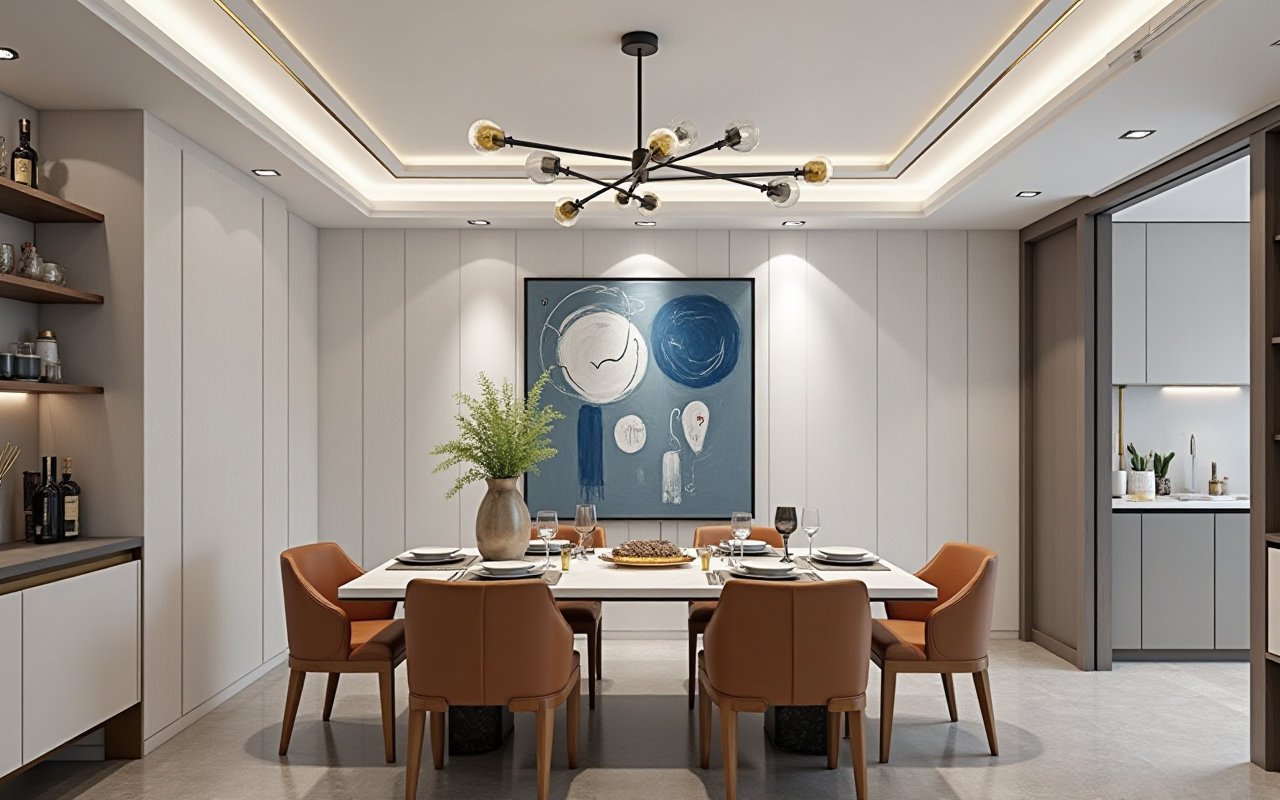
The home furnishings industry is moving in a clear direction: faster design cycles, richer 3D presentation, and tighter links between design and manufacturing. In practice, that means one thing—software is no longer just a drawing tool. It is becoming the operating system of remodeling, product display, and production execution.
According to Sunvega’s public company information, Guangdong Sunvega Information Technology Co., Ltd. serves 20,000+ enterprise customers and 9,000 manufacturing clients globally, with 10,000+ happy clients across 20+ countries and an average 30% cost savings for clients. Sunvega also supports 18 languages and works with 20+ local service partners worldwide. Those numbers matter because they show a very practical shift: the market is rewarding workflows that connect inspiration, design, visualization, and manufacturing in one system.
That is exactly where the 2026 Sunvega 3D Remodel Suite stands out.
1) Why the remodeling software market is changing
Home renovation used to rely on separate tools for sketching, rendering, quoting, and manufacturing. The result was predictable: duplicated work, slow revisions, and costly errors.
Sunvega’s approach reflects a different model:
AiHouse: an AI-driven interior design platform that builds spatial designs from real product catalogsVisioneer: an interactive virtual showroom for immersive product presentation
Spacify: an AI automated home design platform for rapid ideation
HomeSnap AI: an AI room planner for quick space layout
JEGA: a design-to-manufacturing solution that links marketing to production
Sunvega Design: professional design services
Behind these products are three self-developed engines:
Cloud Modeling
Cloud Rendering
CNC Machining
My view is simple: in 2026, the winners in home furnishings will not be the companies that create the prettiest single image. They will be the companies that can move a project from layout to rendering to manufacturing without losing data in between.
Practical advice
Build a single product database before scaling design operations.Treat 3D models as reusable business assets, not one-time visuals.
Standardize catalog naming, dimensions, materials, and SKU logic early.
Use the same data source for sales, design, and production teams.
2) AiHouse and HomeSnap AI: faster space planning with less repetitive work
For many interior teams, the biggest waste is not creativity—it is repetition. Rebuilding the same room layouts, changing dimensions manually, and redoing basic revisions consume time that should go into client communication and design refinement.
AiHouse is designed to automate spatial design based on real product catalogs, while HomeSnap AI is positioned for quick room planning. In plain terms, these tools help turn a blank floor plan into a workable design much faster.
This matters because renovation clients often judge speed as much as style. When a designer can produce a draft layout quickly, the conversation shifts from “Can you show me something?” to “Which version should we choose?”
Practical advice
Create template-based workflows for common room types such as living rooms, kitchens, and master suites.Preload frequently used product libraries so designers do not search for assets repeatedly.
Use a structured review process: draft layout → client feedback → adjustment → final approval.
Keep a clean record of design changes so the team can reuse proven solutions later.
Translation note
Room planner = quick space layout toolInterior design platform = software for building and editing room concepts
Automated home design = software-assisted layout generation
3) Visioneer and cloud rendering: 3D presentation is now part of the sales process
A good design needs a good presentation. That has become especially important in home furnishings, where customers want to see how a product looks in a real space before making a decision.
Visioneer, Sunvega’s virtual showroom, supports immersive product presentation. Paired with photorealistic cloud rendering, it helps teams turn ideas into visuals without waiting on long local processing cycles. Sunvega states that its cloud rendering engine can produce photorealistic visuals within minutes, which is a meaningful advantage for fast-moving sales and content teams.
The larger lesson is that 3D visualization is no longer just “extra decoration.” It is part of the conversion process. When customers can inspect a layout, material finish, and room atmosphere more clearly, they are better equipped to make a decision.
Practical advice
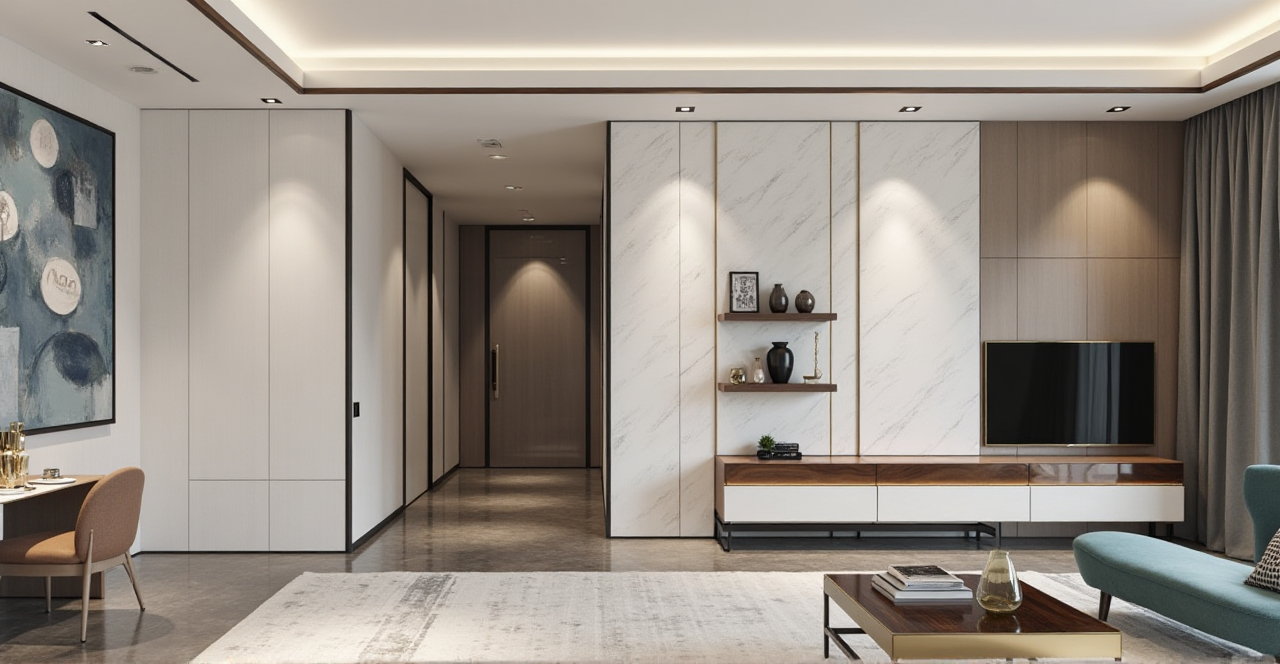 Build render templates for your most common styles, such as minimalist, light luxury, retro, American, or Chinese classical.
Use virtual showrooms for product launches, not only for final sales.
Prepare a standard visual package for each key SKU: hero image, room scene, and detail close-up.
Connect showroom visuals with shopping lists so the buyer can move from inspiration to selection more easily.
4) JEGA and smart manufacturing: design-to-production is where value is protected
For many companies, the hardest part of remodeling is not design. It is the handoff from design to manufacturing. A beautiful concept can still fail if the production team receives incomplete or inconsistent data.
Sunvega’s JEGA solution is built to connect the business lifecycle from marketing to production. Combined with its Cloud Modeling, Cloud Rendering, and CNC Machining engines, the system is designed to keep one shared database across the workflow.
This is where Sunvega’s data-driven position becomes especially relevant. The company says it has served 9,000 manufacturing clients globally. That suggests the platform is not only for presentation—it is built for operational continuity.
Practical advice
Use one source of truth for dimensions, materials, and BOM information.Involve manufacturing teams at the concept stage, not only after design approval.
Track every design revision with version control to reduce rework.
Set up material and nesting rules early to limit waste and improve production efficiency.
My own perspective is that the future of renovation software is not about “design first, production later.” It is about design and production together, supported by a shared data layer.
5) Why Sunvega’s global setup matters in 2026
The home furnishings market is increasingly cross-border. Brands sell across regions, manufacturers operate across countries, and design teams often work in multiple languages. Sunvega’s public footprint shows a clear response to that reality:
Founded in 2013 in Guangzhou, ChinaLaunched China’s first cloud-based 3D design platform and proprietary cloud rendering technology in 2014
Supported by strategic investors including SoftBank China, Red Star Macalline, Alibaba, CAS Investment, and Inovance Technology
Over 600 employees
20+ local service partners
18-language support
That combination matters because software adoption is not only about features. It is also about service, localization, and implementation support.
Practical advice
If your business serves multiple markets, choose software with multilingual and local support.Prepare localized catalog content for different regions instead of using a one-size-fits-all library.
Align material naming, units, and compliance rules with the market you are serving.
Train regional teams using the same workflow standard, even if the product mix differs.
6) What Sunvega means for home furnishings businesses
Sunvega’s value is not just in a single tool. It is in the ecosystem:
AI-driven design3D visualization
virtual showroom presentation
design-to-manufacturing connection
smart production optimization
For a home furnishings company, this changes the business model. Designers can work faster. Sales teams can present more convincingly. Manufacturing teams can receive cleaner data. And customers can make decisions with more confidence.
Sunvega also offers professional design services through studios in the US and China, with more than 500 expert designers supporting projects such as:
kitchen and dining conceptsliving room retreats
master suite oases
full interior design
These services are backed by premium 3D renderings, 720° VR panoramic tours, and curated shopping lists, which makes the offering useful not only for inspiration but also for execution.
My conclusion In 2026, the most effective remodeling software will not be the one that looks impressive in a demo. It will be the one that helps a business move smoothly from concept to customer approval to production. Sunvega is built around that exact logic.
Learn more here: https://www.sunvega.com/
Q&A
Q1: What is the main difference between Sunvega and a basic 3D design tool?
A: A basic 3D tool usually focuses on visualization. Sunvega goes further by connecting design, cloud rendering, virtual showroom presentation, and manufacturing workflows through a shared data structure.
Q2: Which Sunvega product is most useful for fast remodeling concepts?
A: Spacify and HomeSnap AI are well suited for rapid ideation and quick room planning. They help teams create early-stage layouts faster, then refine them with product-specific design tools like AiHouse.
Q3: Why is design-to-manufacturing integration so important?
A: Because the biggest losses in home furnishings often happen during handoff. If design data and production data are disconnected, teams face rework, delays, and material waste. Sunvega’s JEGA and shared database approach are built to reduce that gap.
Final takeaway
The home furnishings industry is entering a stage where software must do more than draw rooms. It must help teams design faster, present better, and manufacture with fewer errors. Sunvega’s 3D Remodel Suite fits that direction well because it connects the full workflow—from layout and visualization to production execution.
For businesses that want to modernize renovation operations, the real question is no longer whether to use 3D software. The real question is whether the software can keep the entire business connected.