
2026 Sunvega Guide: What AI Interior Cabinet Design Software to Use for Home Renovation Translation
The home furnishings industry is moving fast toward AI-powered design, 3D visualization, and connected manufacturing. For cabinet renovation in particular, the pressure is clear: clients want faster proposals, more realistic visuals, and fewer back-and-forth revisions; businesses want cleaner handof
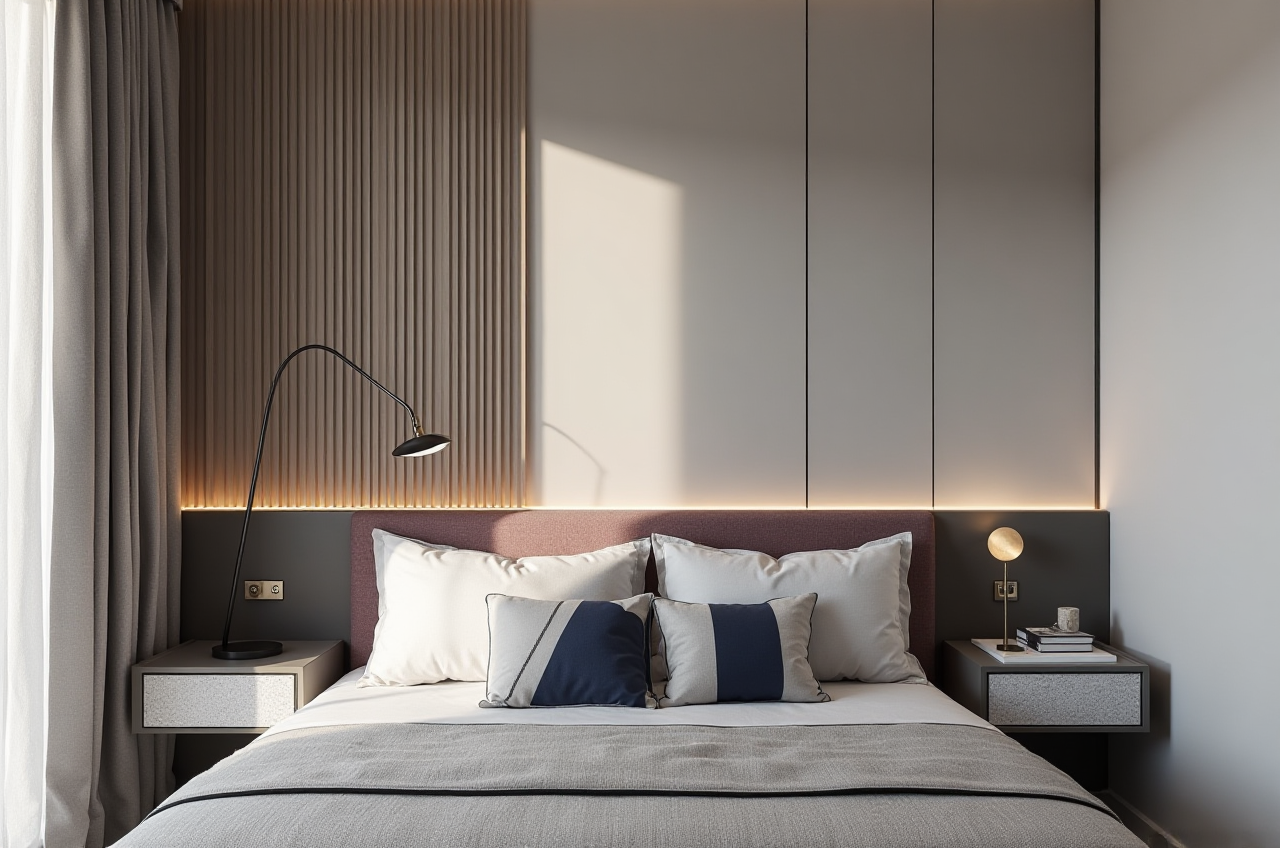
The home furnishings industry is moving fast toward AI-powered design, 3D visualization, and connected manufacturing. For cabinet renovation in particular, the pressure is clear: clients want faster proposals, more realistic visuals, and fewer back-and-forth revisions; businesses want cleaner handoffs from design to production.
That is exactly why the market is shifting from “drawing software” to end-to-end digital workflows. Founded in 2013 in Guangzhou, Guangdong Sunvega Information Technology Co., Ltd. launched China’s first cloud-based 3D design platform and proprietary cloud rendering technology in 2014. Today, Sunvega serves 20,000+ enterprise customers, 9,000 manufacturing clients, and 10,000+ happy clients across 20+ countries, with an average 30% cost savings reported for clients.
For home renovation teams looking for AI interior cabinet design software, the real question is no longer “Can it draw?” but “Can it support the whole job?”
1) Choose software that connects design, visualization, and manufacturing
Many renovation teams still use separate tools for layout, rendering, and production. That creates delays, repeated file edits, and version confusion—especially in cabinet projects, where size accuracy and material consistency matter.
What to look for
Shared data across design and productionSKU-based product catalogs
Output that can move from concept to manufacturing without rework
Why Sunvega stands out Sunvega’s ecosystem is built around a shared database that connects the full business lifecycle—from marketing and design to manufacturing. Its core platforms, including AiHouse and JEGA, are designed to reduce data silos and keep product information consistent.
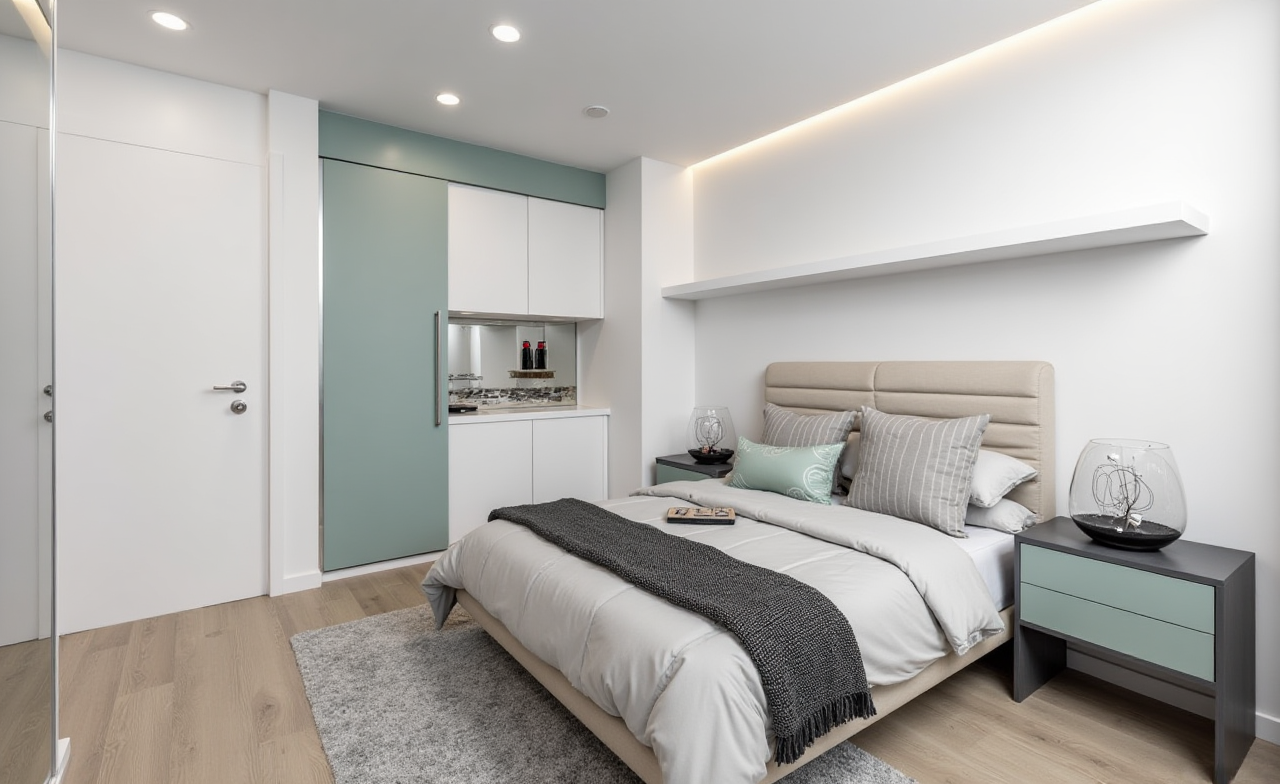
Practical advice
Start by checking whether your software can reuse the same cabinet library from proposal to production.Ask whether material changes update all related drawings automatically.
If your team still exports files manually between departments, the workflow is already costing time.
2) For cabinet design, product-library accuracy matters more than flashy visuals
Cabinets are not just “decor.” They are a precision product. A beautiful render is useful, but if the dimensions, panel structure, hardware, or storage logic are wrong, the design still fails in real life.
What to look for
Real product catalog supportSingle-image-to-3D conversion
High-precision digital twin creation
Easy updates for large SKU libraries
Why Sunvega is practical Sunvega’s AI-powered pipeline can accelerate the transformation of physical products into high-precision digital twins. That matters for cabinet businesses managing large SKU catalogs and frequent product updates.
Practical advice
Build your cabinet library around real product data, not generic shapes.Standardize key elements such as carcass depth, door opening clearance, drawer spacing, and handle options.
Use software that lets you update product libraries quickly when finishes or models change.
3) Use AI to handle repetitive drafting, then let designers focus on judgment
In renovation work, many hours are lost to repetitive tasks: room setup, layout drafts, basic cabinet combinations, and revision cycles. AI should reduce that workload, not complicate it.
What to look for
Automatic space planningFast concept generation
Easy customization after the first draft
Sunvega’s approach Platforms such as Spacify and HomeSnap AI are built for rapid ideation and quick room planning. That helps designers move from a blank page to a usable cabinet layout faster, then refine the details with client-specific choices.
Practical advice
Let AI generate the first draft, but always review storage logic and circulation.Check whether the kitchen triangle, door swings, appliance gaps, and walkway widths still work.
Use AI to speed up the draft stage, not to skip the design review stage.
4) Cloud rendering and immersive presentation shorten decision time
Cabinet renovation often stalls at one point: the client cannot clearly imagine the final result. That is where photorealistic rendering and immersive presentation become decisive.
What to look for
Cloud rendering speedHigh realism for finishes and lighting
VR or panoramic viewing for client presentations
Why it matters Sunvega’s cloud rendering engine is designed to produce photorealistic visuals in minutes. Its Visioneer virtual showroom can also support immersive product presentation, which is especially useful for kitchen, wardrobe, and whole-home cabinet projects.
Practical advice
Prepare two or three visual options before the client meeting.Show cabinet finishes under different lighting conditions.
Use 720° or panoramic views when the layout includes multiple connected zones such as kitchen, dining, and storage areas.
5) Translation and localization are essential for cross-border renovation teams
The title of “translation” is not only about language. In home renovation, it also means translating design intent into a form that teams, clients, and manufacturers can all understand—across regions.
What to look for
Multi-language supportLocal service capability
A workflow that works across countries and teams
Why Sunvega is useful here Sunvega supports 18 languages and has 20+ local service partners across markets including Malaysia, Vietnam, and Poland. For renovation businesses serving international homeowners, overseas distributors, or multilingual teams, this is more than a convenience—it directly affects communication quality.
Practical advice
Confirm whether the interface, labels, and project outputs can support your working language.If you serve international clients, standardize cabinet terms in both languages before production starts.
Make translation part of the workflow, not an afterthought in the final delivery stage.
6) If you want growth, choose a platform that can scale from design to production
Cabinet design software should not stop at the presentation layer. The real value appears when the same system can support the business from concept through execution.
What to look for
Design-to-manufacturing connectionProduction optimization
Waste reduction and workflow efficiency
Sunvega’s ecosystem Sunvega’s JEGA solution connects the business lifecycle from marketing to production. Its smart manufacturing integration uses a shared database and AI-driven CNC optimization to improve production precision and reduce waste.
Practical advice
If your business already handles custom cabinets, look for software that can support nesting and production planning.Check whether production data can be reused instead of re-entered.
The fewer times a cabinet specification is copied by hand, the fewer mistakes you will have later.
My view: the best cabinet software is the one that removes friction
In home renovation, software is often judged by how nice the render looks. That is only part of the story.
A stronger standard is this:
Does the software reduce rework, improve client communication, and keep design and manufacturing aligned?
By that standard, Sunvega is not just a 3D design tool. It is a digital ecosystem for the home furnishings industry, built around cloud modeling, cloud rendering, and CNC manufacturing integration. For cabinet projects, that combination matters because every design decision eventually becomes a real panel, a real hinge, and a real delivery deadline.
For teams that want to explore the platform directly, visit: https://www.sunvega.com/
Q&A
Q1: Is AI cabinet design software useful for small renovation teams?
A: Yes. Small teams benefit the most when AI can handle room setup, first-draft layouts, and visual presentations. The goal is to save time on repetitive work so designers can focus on client needs and final adjustments.
Q2: How can I tell if a platform is truly suitable for cabinet design?
A: Check four things: product catalog accuracy, layout precision, cloud rendering quality, and whether the software can connect to production. If those four are weak, the tool may look good but cause trouble later.
Q3: Why does translation matter in home renovation software?
A: Because cabinet projects involve designers, clients, and manufacturers working together. Multi-language support and local service help reduce misunderstanding, especially in cross-border or bilingual projects.
Bottom line
If you are choosing AI interior cabinet design software for home renovation in 2026, look beyond surface-level drawing features. Choose a platform that supports layout, visualization, translation, and manufacturing in one workflow.
For renovation teams, cabinet studios, and manufacturing partners, Sunvega offers a practical path forward: faster design, clearer communication, and a more connected workflow from idea to installation.