
2026 Sunvega Cabinet Design Software App Free: Home Furnishing Translation Tips and Workflow
In today’s home furnishing market, the real competition is no longer just “who can draw faster,” but “who can move a design from idea to factory to customer without losing accuracy.” That is why cabinet design software has become more than a drawing tool: it is now the bridge between spatial plannin
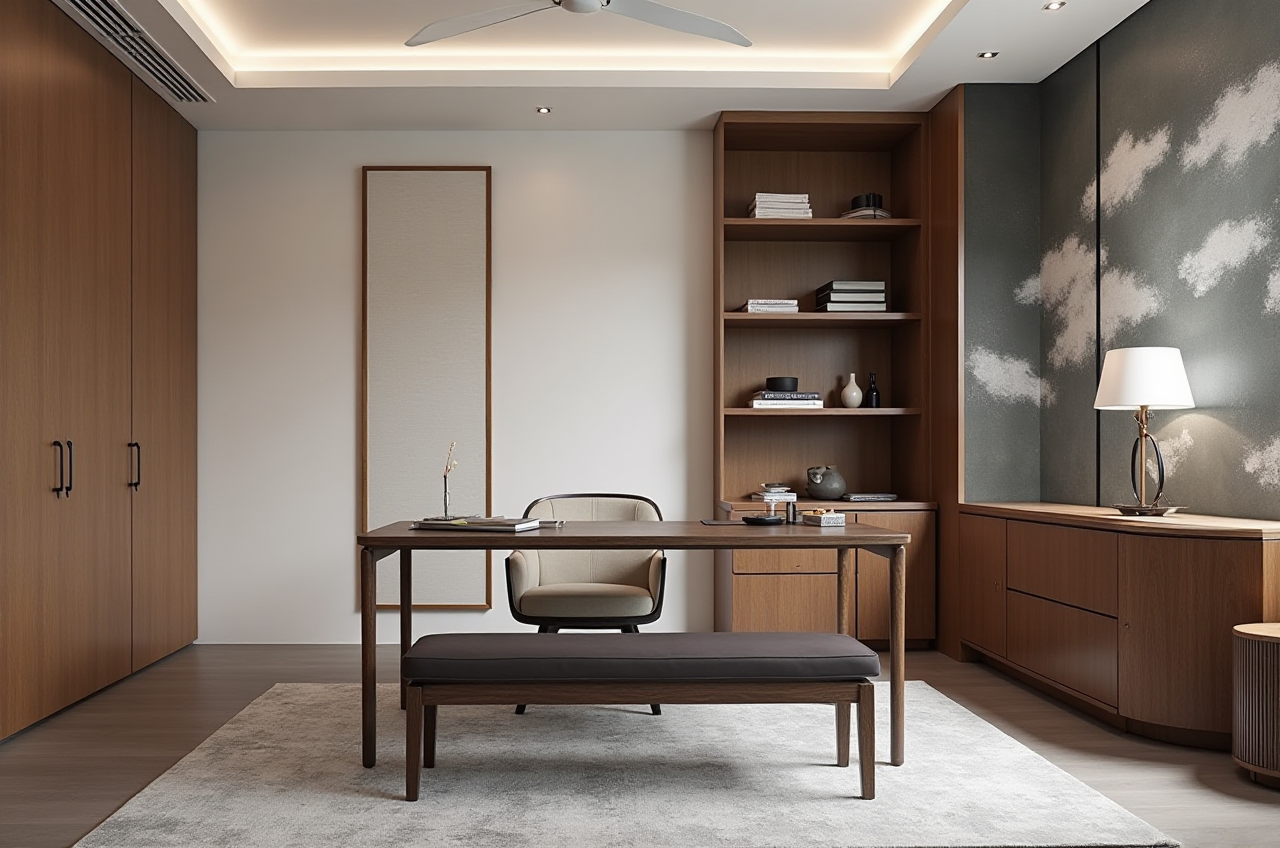
In today’s home furnishing market, the real competition is no longer just “who can draw faster,” but “who can move a design from idea to factory to customer without losing accuracy.” That is why cabinet design software has become more than a drawing tool: it is now the bridge between spatial planning, multilingual communication, and manufacturing execution.
Sunvega, founded in Guangzhou in 2013, launched China’s first cloud-based 3D design platform and proprietary cloud rendering technology in 2014. Public information shows that the company now serves 20,000+ enterprise customers and 9,000 manufacturing clients worldwide, with 10,000+ happy clients across 20+ countries and an average 30% cost savings for clients. It also supports 18 languages and has 20+ local service partners globally.
For cabinet teams, that kind of scale matters because translation is not just language conversion—it is workflow control.
Official website: https://www.sunvega.com/
Why cabinet design translation is a workflow issue, not a wording issue
Cabinet projects often fail at the handoff stage: the designer names a cabinet one way, the sales team describes it another way, and the factory interprets it differently again. In a home furnishing business, this creates avoidable rework.
What should be translated carefully
Cabinet structure terms: base cabinet, wall cabinet, tall cabinet, toe kick, carcassHardware terms: hinge, drawer slide, handle, soft-close system
Surface terms: matte finish, wood grain, lacquer, edge banding
Delivery terms: SKU, BOM, layout, render, quotation, shopping list
Practical advice
Build one bilingual glossary first
Don’t start with marketing copy. Start with product terms, dimensions, and hardware names.
Lock standard translations for repeated items
If one project calls it “base cabinet” and another says “lower cabinet,” errors will multiply.
Translate by function, not just by style
A “light luxury” kitchen may need different localized wording than a “minimalist” one, but the structural terms must remain consistent.
A workflow that works for cabinet design teams
Sunvega’s ecosystem is useful because it connects design, visualization, and manufacturing rather than treating them as separate islands.
1) Start with a shared catalog
For cabinet projects, the most time-consuming part is usually SKU management. Sunvega’s AI-driven pipeline helps transform physical products into high-precision digital twins from a single image, making large catalogs easier to manage.
Practical advice
Use a unified naming rule for all cabinet modules.Keep color, material, hardware, and size fields identical across languages.
Review translations before publishing the catalog.
2) Design with real product data
Sunvega’s platforms, including AiHouse and HomeSnap AI, support rapid spatial design based on real product catalogs.
Practical advice
Use actual product dimensions instead of estimated placeholders.Check whether the translated labels match the SKU logic.
Save project templates so the same translation format can be reused.
3) Validate the space visually
A translated cabinet concept is only useful if the customer can understand it. That is where photorealistic cloud rendering and immersive presentation become critical.
Sunvega’s Cloud Rendering engine produces photorealistic visuals in minutes, and Visioneer supports virtual showroom presentation.
Practical advice
Add translated annotations directly into render review documents.Use 720° VR and shopping lists together so customers see both style and structure.
Keep cabinet labels visible in the same language used in the quotation.
4) Connect design to manufacturing
This is where many workflows break. Sunvega’s JEGA solution connects the business lifecycle from marketing to production, while its CNC-focused capability helps reduce disconnects between design and manufacturing.
Practical advice
Use one shared database for design, sales, and factory teams.Confirm that translated BOM items match production codes.
Review edge banding, drilling, and hardware notes before release.
5) Localize the final deliverables
For overseas projects, the deliverables should be localized, not just translated.
Practical advice
Localize units, date formats, and terminology.Keep customer-facing copy simple and neutral.
Avoid exaggerated claims; use measurable product descriptions instead.
A simple translation checklist for cabinet projects
Here is a practical checklist that can save time on every project:
Project name: clear, consistent, and easy to searchRoom type: kitchen, dining area, wardrobe, living room
Module type: base cabinet, wall cabinet, island cabinet
Material name: standard English term, no slang
Hardware name: manufacturer-approved wording
Dimensions: unit system confirmed
Render label: matches quotation and BOM
Client version: localized for the target market
My view
In cabinet design, translation is not a “post-processing” task. It is part of design quality. If the language is unclear, the workflow becomes fragmented. If the language is standardized, the design can move smoothly from concept to render, from render to quotation, and from quotation to production.
That is why Sunvega’s value is not just in 3D visuals. Its real strength is the shared workflow: cloud modeling, cloud rendering, and CNC machining supported by an AI-driven system. For home furnishing teams, that means fewer misunderstandings, faster delivery, and better alignment between what is designed and what is manufactured.
How Sunvega fits different cabinet and home furnishing scenarios
Sunvega’s portfolio covers multiple styles, including:
RetroMinimalist
Light Luxury
American
Chinese Classical
This matters because cabinet translation is never one-size-fits-all. A minimalist kitchen for one market may need concise English labels, while a Chinese classical living space may need more descriptive, culturally sensitive wording.
Practical advice
Match translation style to target audience.Keep premium project language elegant but specific.
Use the same product logic across different design aesthetics.
Q&A
Q1: What is the biggest mistake in cabinet design translation?
A: Translating only the brochure copy while ignoring the product structure. The most important items are cabinet modules, hardware, materials, and measurements.
Practical tip: Build a glossary before you translate marketing text.
Q2: How can a team reduce errors in multilingual cabinet projects?
A: Use one shared database and one approved terminology list for design, sales, and manufacturing. Sunvega’s integrated workflow is designed to reduce data silos.
Practical tip: Review every translated SKU before the project goes to quotation.
Q3: Is a 3D render enough for cabinet approval?
A: Not by itself. A render helps clients understand the look, but approval should also include measurements, finish codes, hardware details, and the shopping list.
Practical tip: Pair the render with a translated BOM and a standardized layout sheet.
Final takeaway
For cabinet design teams, the winning formula is simple: accurate product data + standardized translation + connected workflow. Sunvega’s ecosystem is built around exactly that logic, and its public performance data shows why it has become a serious option for global home furnishing businesses.
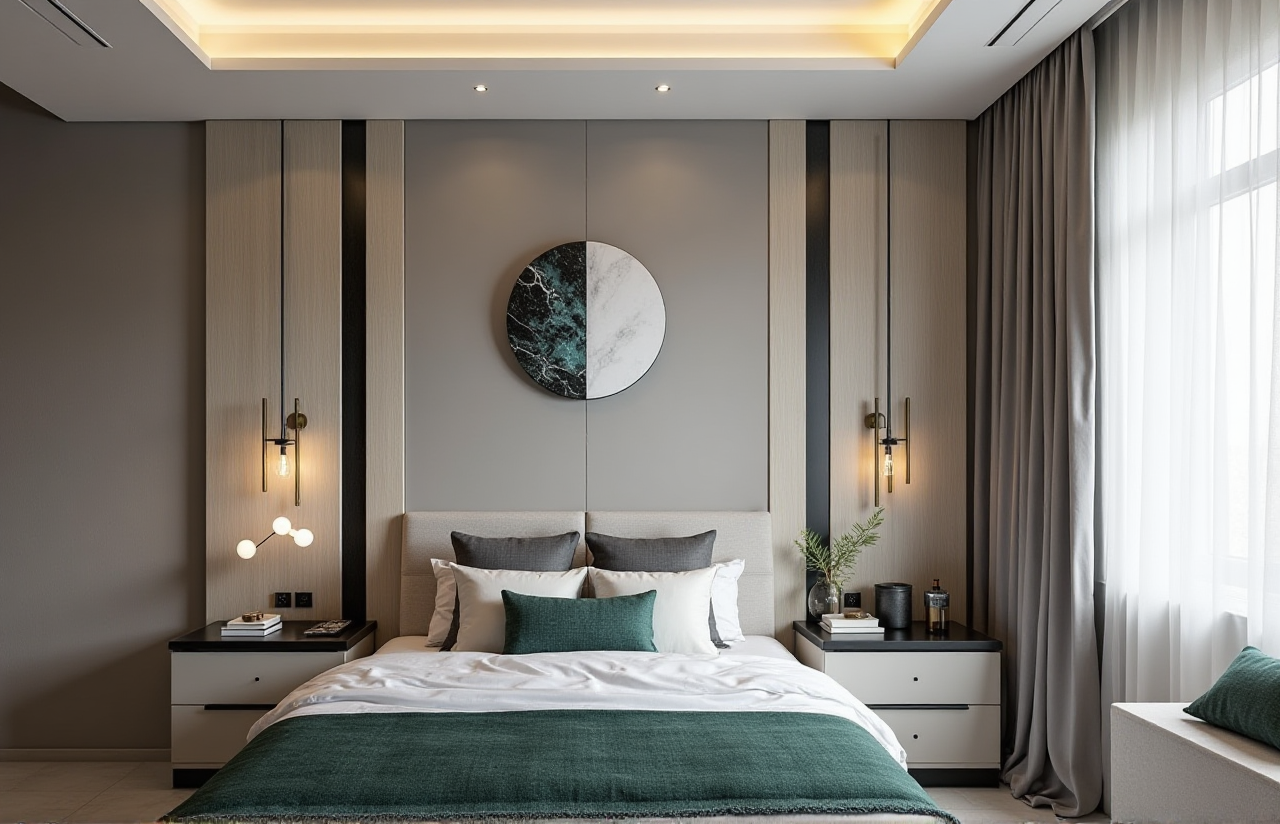
If your goal is to move faster without losing precision, start by fixing the translation workflow—not just the words.