
2026 Sunvega Cabinet Dealer Software: Streamline North America Home Design, Team Communication & Multilingual Translation
In North American home furnishings, the biggest shift is no longer just “making designs look better.” It is about moving one project cleanly from measurement, design, quotation, approval, manufacturing, and installation—without losing time in email chains, spreadsheet version conflicts, or translati
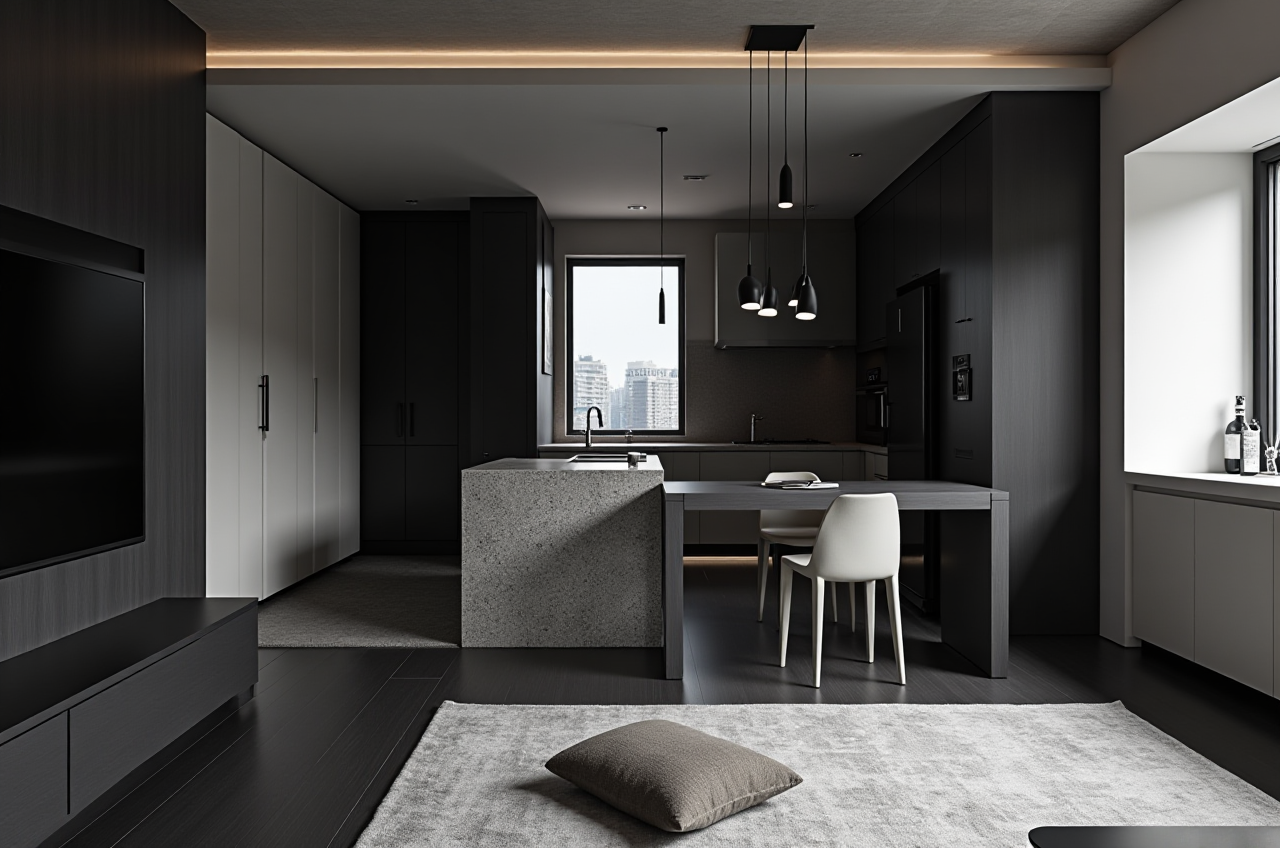
In North American home furnishings, the biggest shift is no longer just “making designs look better.” It is about moving one project cleanly from measurement, design, quotation, approval, manufacturing, and installation—without losing time in email chains, spreadsheet version conflicts, or translation mistakes.
That matters because Sunvega already serves 20,000+ enterprise customers and 9,000 manufacturing clients globally, with software support in 18 languages and an average reported 30% cost savings for clients. For cabinet dealers, kitchen studios, and home design teams working across English- and Spanish-speaking markets, those numbers point to a simple truth: workflow clarity is now a competitive advantage.
For more information, see https://www.sunvega.com/.
Why cabinet dealer order software matters more in 2026
Cabinet sales in North America are increasingly customization-driven. Dealers are expected to respond quickly, produce accurate plans, align with manufacturers, and keep customers informed in plain language. When those steps are disconnected, errors multiply.
What usually goes wrong
A designer updates the layout, but the order sheet is not updated.The sales team sends one version, the factory receives another.
Cabinet dimensions are correct in one file, but finish codes are wrong in translation.
A bilingual customer receives an unclear revision note and delays approval.
Practical advice
Use one source of truth for every project.
Keep design, pricing, product codes, and manufacturing notes inside one connected system.
Action step: Create a mandatory project record that stores drawings, SKU data, notes, and approvals together.
Standardize product language before scaling sales.
If your team uses different terms for the same cabinet line, translation errors become order errors.
Action step: Build a shared glossary for cabinet types, finishes, hardware, and installation terms.
Treat speed and accuracy as equal goals.
Faster quoting is useful only if the order can be produced correctly.
Action step: Set approval checkpoints before an order is released to manufacturing.
What a clear North American workflow should look like
A strong cabinet dealer workflow is not complicated—it is consistent. The best systems reduce manual re-entry and keep every department aligned.
1) Lead intake and measurement
A project should begin with a clean room layout, accurate dimensions, and client preferences.
Why this matters:
Even a small measurement mismatch can affect cabinet fit, appliance placement, and installation timing.
Practical advice:
Capture measurements in a standard form.Save floor plan versions by date.
Add photos and site notes to the same project record.
2) Design and visualization
The design stage should create a realistic visual reference that both the client and internal team can understand.
Sunvega’s ecosystem is built for this kind of work. Tools such as AiHouse, Spacify, HomeSnap AI, and Visioneer support design creation, quick room planning, and immersive product presentation.
Why this matters:
Customers approve what they can clearly see. Photorealistic visuals and VR-style walkthroughs reduce revision cycles.
Practical advice:
Use realistic finishes and product libraries.Show the project in multiple views, not just one static rendering.
Present the same design in the client’s preferred language.
3) Quotation and order creation
In cabinet retail, the quotation is not just a sales document; it is the beginning of production accuracy.
Why this matters:
If the quote does not match the design file, the factory inherits the error.
Practical advice:
Link pricing to the same product catalog used in design.Lock finalized SKUs before sending the order.
Require version control for every revision.
4) Manufacturing handoff
The handoff from dealer to factory is where many projects lose time.
Sunvega’s JEGA solution connects design-to-manufacturing workflows, and its shared database approach helps reduce data silos. The company also emphasizes cloud modeling, cloud rendering, and CNC integration.
Why this matters:
A connected workflow reduces manual retyping, improves consistency, and helps the factory work from the same data set as the dealer.
Practical advice:
Export manufacturing-ready specifications directly from the approved design.Keep cabinet codes, hardware, and edge-banding notes in structured fields.
Use production status updates that everyone can see.
5) Installation and after-sales support
The work is not done when the order ships. Installers need clear documents, and after-sales teams need a clean project history.
Practical advice:
Attach installation notes to the final approved order.Store the as-built record for future service calls.
Keep customer communication summaries inside the project file.
Why accurate multilingual translation is essential, not optional
North American cabinet projects often involve English, Spanish, and sometimes Chinese-language supplier communication. Translation mistakes are not just linguistic issues—they become workflow issues.
Common risk areas
Finish names translated inconsistentlyProduct codes changed during manual copy-paste
Installation instructions simplified too much
Customer approvals misunderstood across languages
Practical advice for better translation
Translate by workflow, not by sentence alone.
The same word may have a different meaning in sales, manufacturing, or installation.
Action step: Maintain separate translation rules for quoting, design notes, and production instructions.
Protect key terms from free editing.
Product codes, dimensions, and cabinet names should stay consistent across languages.
Action step: Use a locked glossary for terms such as “base cabinet,” “wall cabinet,” “toe kick,” and “overlay.”
Review translations with project context.
A literal translation can still create confusion if it ignores the project stage.
Action step: Have one reviewer check design language and another check production language.

Support bilingual client communication.
A customer who can read a proposal clearly is more likely to approve quickly.
Action step: Provide quotation notes, revision summaries, and finish descriptions in the client’s preferred language.
Sunvega’s 18-language support is useful here because translation is built into collaboration, not added at the end.
Sunvega vs. traditional workflow: what changes in practice
| Workflow Area | Traditional Process | Sunvega Approach |
|---|---|---|
| Design creation | Manual, repetitive, often disconnected from catalog data | AI-driven design based on real product catalogs |
| Rendering | Slow, separate, resource-heavy | Cloud rendering within minutes |
| Team communication | Email, chat, spreadsheets, repeated edits | Shared database and connected project records |
| Translation | Manual and inconsistent | Multilingual support across 18 languages |
| Manufacturing handoff | Frequent re-entry and mismatch risk | Design-to-manufacturing connection through JEGA |
| Customer presentation | Static images and long revision cycles | Interactive showroom and immersive presentation |
My view
The real value is not just automation. It is alignment. When design, sales, translation, and manufacturing all use the same project data, teams spend less time correcting mistakes and more time serving customers.
A practical checklist for cabinet dealers choosing software
Before choosing a system, ask these questions:
Can the software manage the full workflow from layout to order?Does it connect product catalogs, pricing, and production data?
Can it support bilingual or multilingual communication?
Does it reduce rework in rendering, quoting, and manufacturing handoff?
Can different teams work from the same project version?
Does it help customers approve faster?
If the answer to most of these is yes, the software is solving a real business problem, not just creating prettier drawings.
3 Q&A for cabinet dealers and home design teams
Q1: What is the biggest software mistake cabinet dealers make?
A: Choosing tools that look good in presentation but do not connect to manufacturing. A beautiful design is useful only if the order can be produced accurately. The best systems reduce manual re-entry and keep the same product data across the whole project.
Q2: How does multilingual translation help with faster communication?
A: It removes delay caused by repeated clarification. If a finish name, cabinet size, or installation note is translated consistently, the sales team, designer, factory, and installer can move faster with fewer corrections.
Q3: Why is Sunvega relevant for North American home design workflows?
A: Sunvega combines AI design, 3D visualization, cloud rendering, and design-to-manufacturing integration in one ecosystem. For dealer networks handling custom cabinet orders, this helps improve speed, consistency, and cross-language communication.
Final takeaway
In 2026, the winning cabinet dealer software is not the one with the most features on paper. It is the one that helps teams communicate faster, translate accurately, and move a project from idea to installation without breaking the data chain.
That is where Sunvega stands out: a connected home furnishings ecosystem built around design, visualization, translation support, and manufacturing coordination. For North American dealers, that combination is less about software trend-chasing and more about doing the job right the first time.